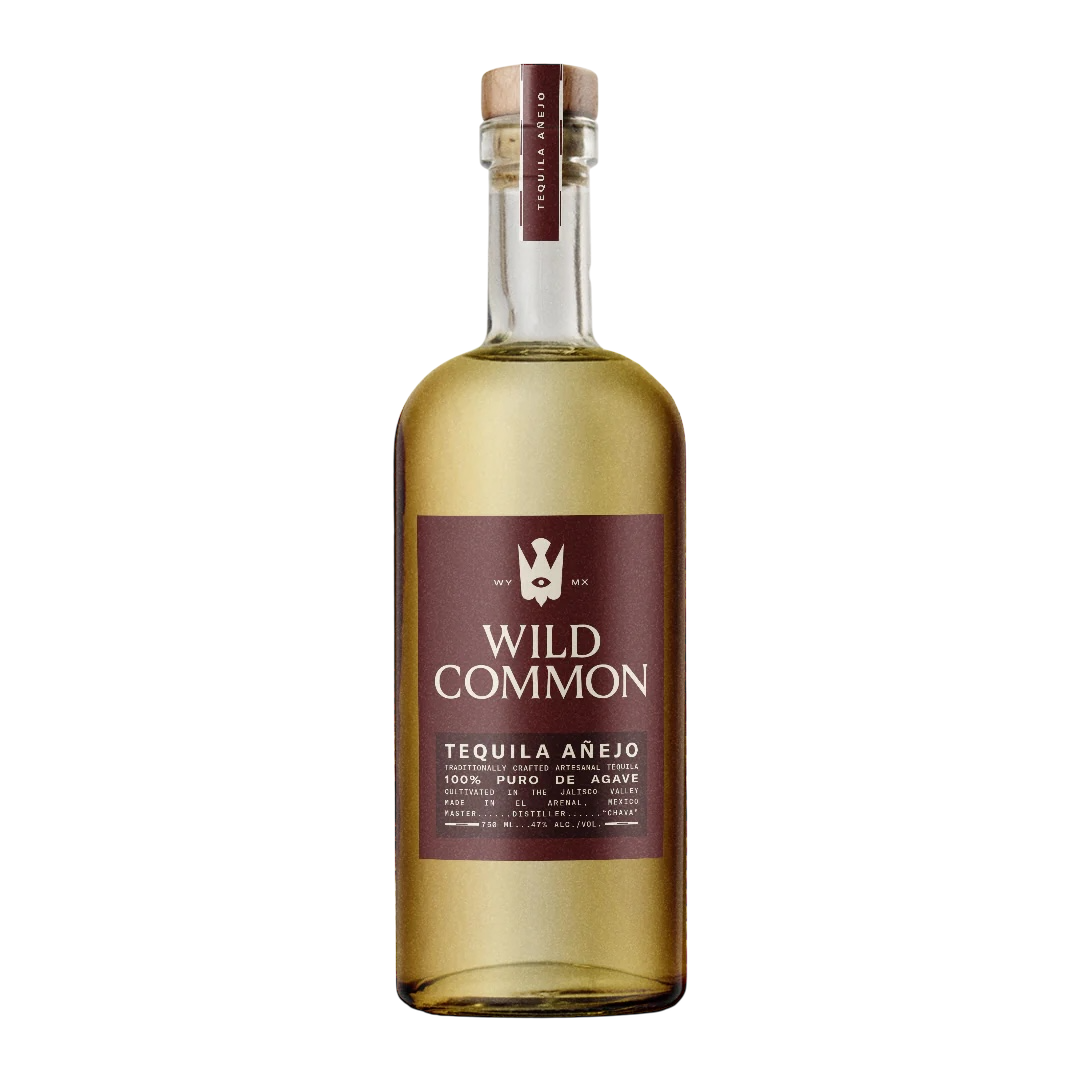
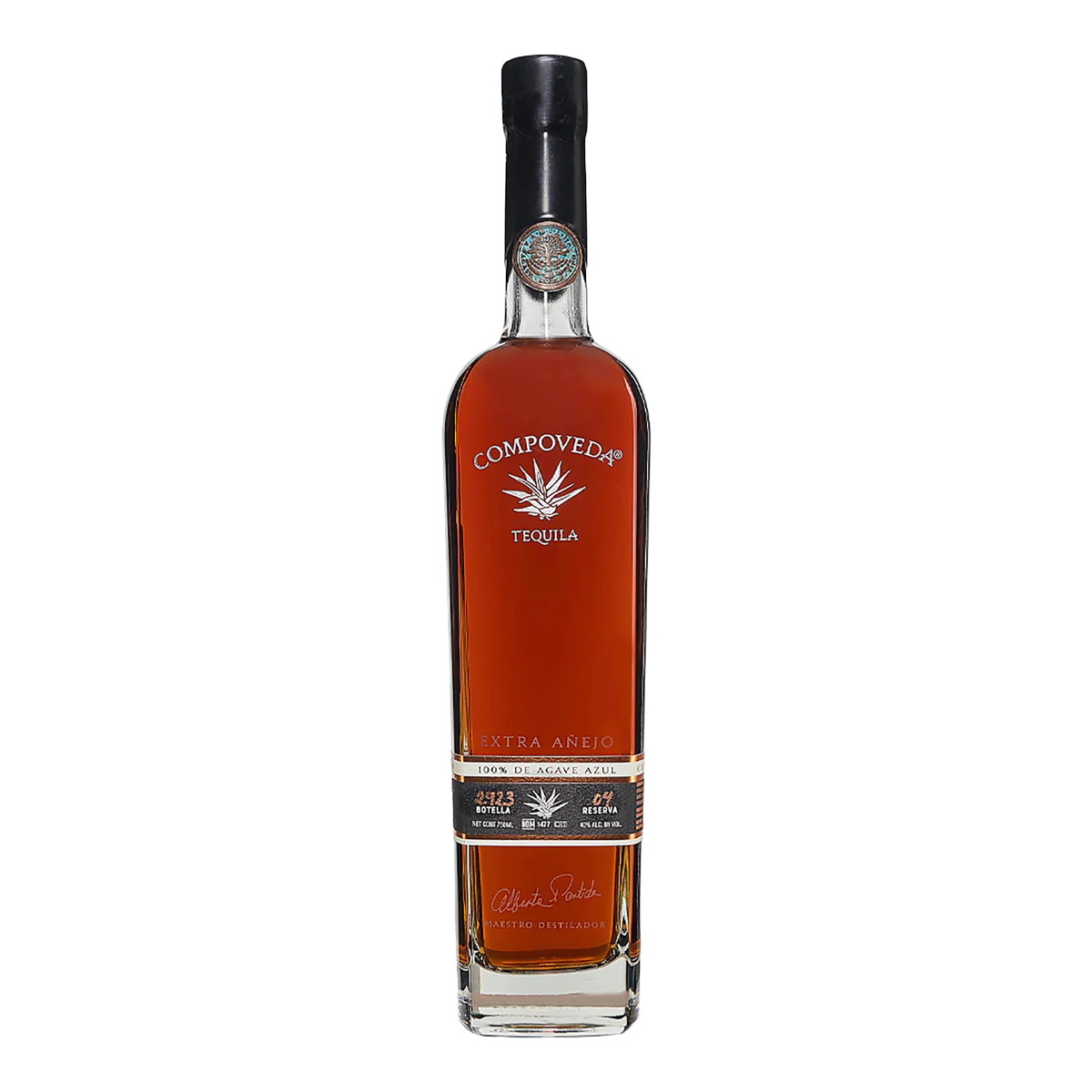
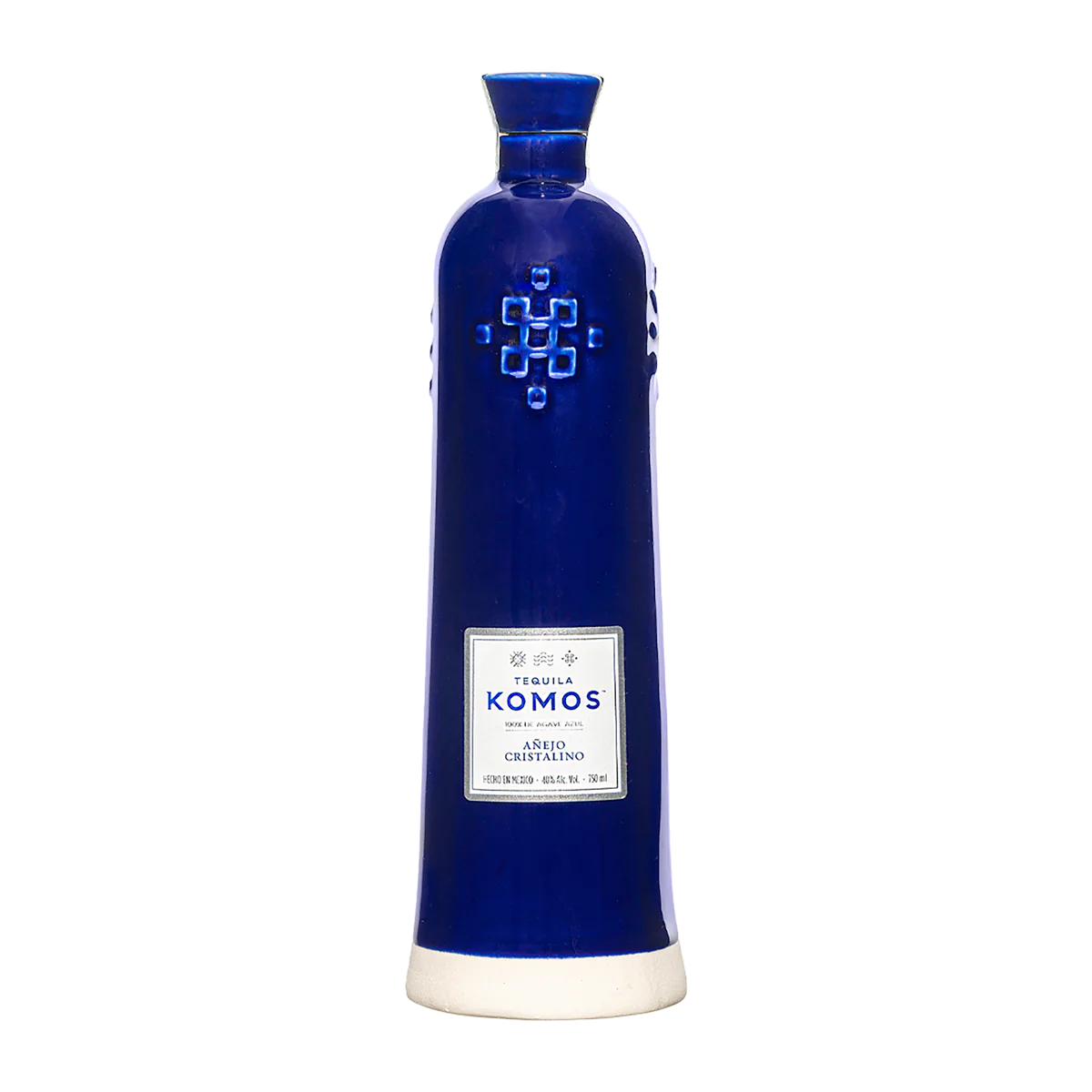
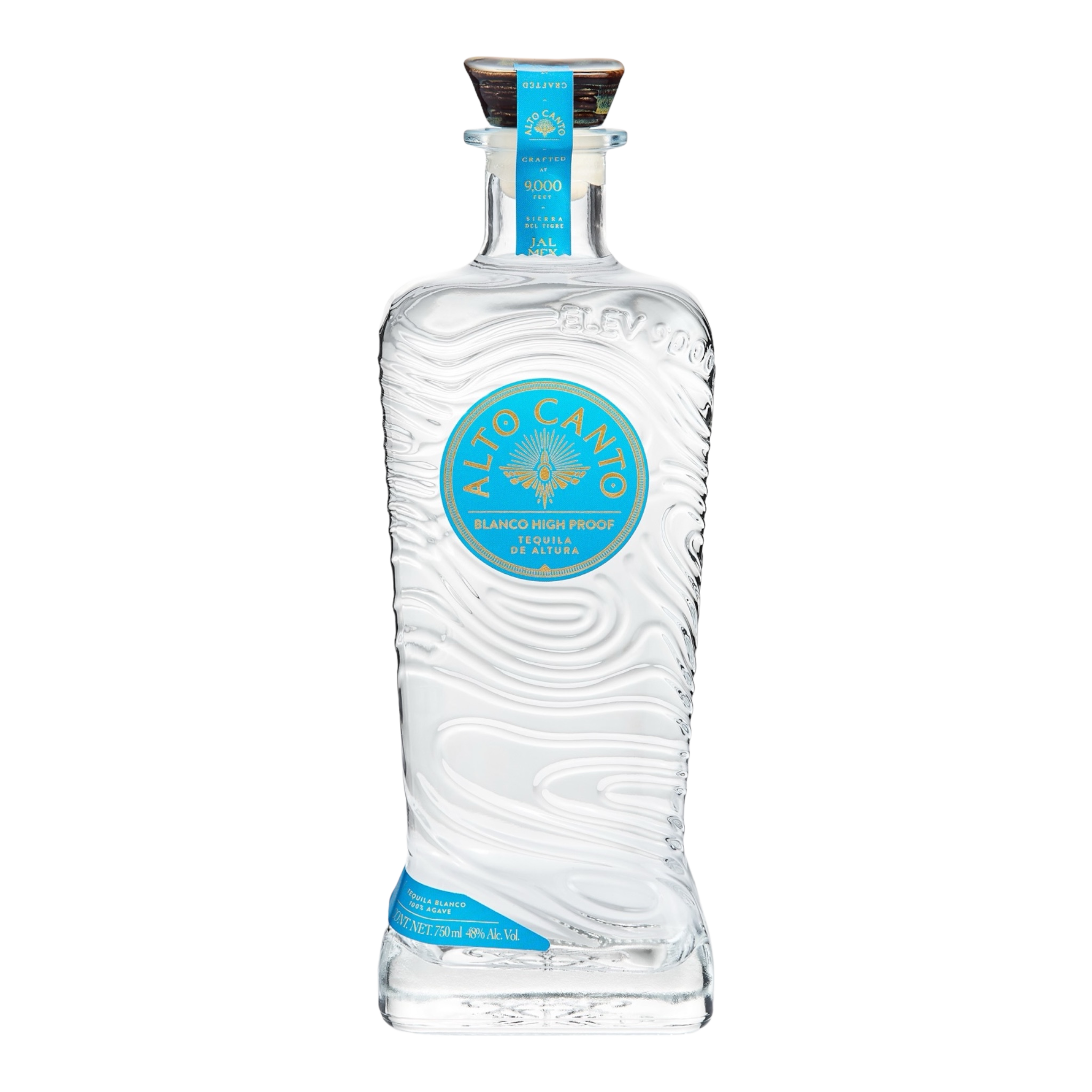





Highland vs lowland tequila is not simply a choice between sweet and earthy spirits. Red clay, volcanic soil, altitude, and climate shape the agave, but the distiller's choices can be just as influential. This guide gives you a practical way to compare both regional styles without treating either label as a guarantee.
Shop Sip Tequila's curated tequila collection and choose a bottle for your own side-by-side tasting.
The debate of highland vs lowland tequila looks at how soil and heat shape the taste of the blue agave plant. Highland tequilas from Los Altos grow at high heights in red clay soil. This often results in sweeter, floral, and fruit-heavy spirits. In contrast, Lowland tequilas from the Tequila Valley grow in volcanic soil. These tend to offer earthy, herbal, and spicy notes. While these labels help fans find their favorite styles, blind tests suggest the gap is small. Research shows that 82 percent of expert tasters had no clear local choice during blind trials. This guide looks at the science of soil, heat, and craft to help you pick the best bottle for your next drink.
Most fans want to know if the label on the bottle truly changes the flavor in the glass. You can see the main facts in our Highland vs lowland tequila at a glance chart below. To find the best bottle for your bar, start with the quick comparison below.
Highland vs lowland tequila at a glance
At a glance: Highland tequila often leans fruity, floral, and sweet, while Lowland tequila often leans earthy, herbal, and spicy. These are useful tendencies, not guarantees.
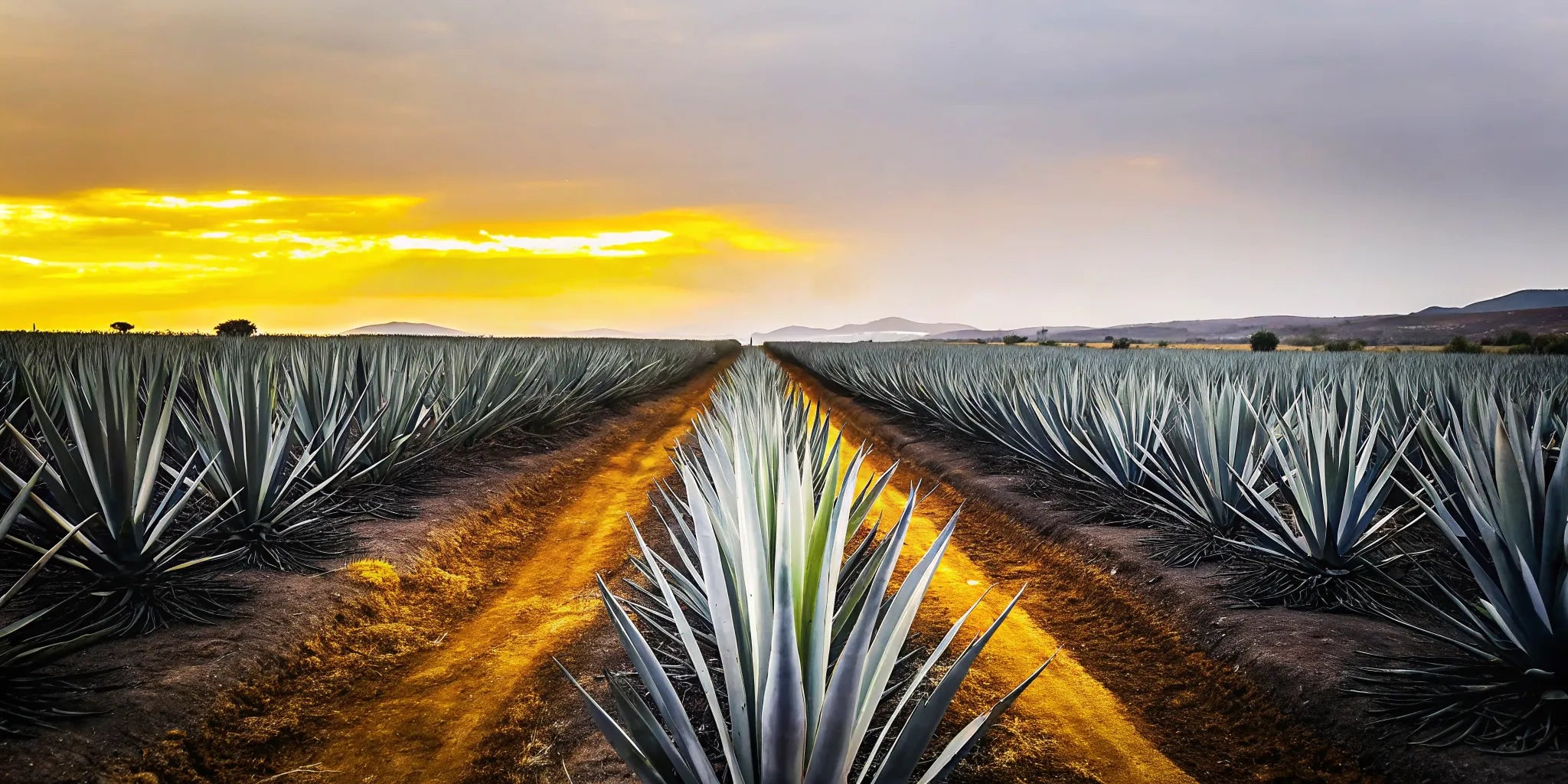
The choice between Highland and Lowland tequila often starts with terroir. While both regions use the same blue agave plant, the environment where it grows changes the final taste. The Highland tequila region, known as Los Altos, sits at a high altitude of about 7,500 feet. In contrast, the Valley, or "Lowlands," sits lower at about 3,870 feet. These distinct settings help shape the spirit before it even hits the still.
How soil and climate impact taste
In the Highlands, agave plants grow in iron-rich red clay soil. This cool climate and thin soil force the plants to grow slowly and store more sugar. This often results in a floral and sweet profile. The Valley features dark volcanic soil from an ancient eruption. This ground leads to spirits with more herbal and earthy notes. You can compare highland vs lowland styles to see how these soil composition differences create unique flavors.
Regional traits and tasting notes
While region sets a baseline, production methods also play a huge role. Factors like how the agave is cooked or fermented can shift the flavor. For instance, agave age at harvest can change the chemical mix of the juice during fermentation. This affects the final alcohol content and aroma. The table below shows the typical traits you might find in bottles from each area.
| Feature | Highlands (Los Altos) | Valley (Lowlands) |
|---|---|---|
| Altitude | ~7,500 feet | ~3,870 feet |
| Soil Type | Red clay (iron-rich) | Dark volcanic |
| Agave Size | Larger, higher sugar | Smaller, more fibrous |
| Flavor Profile | Sweet, floral, fruity | Earthy, spicy, herbal |
| Climate | Cooler and wetter | Warmer and drier |
Choosing the right bottle for you
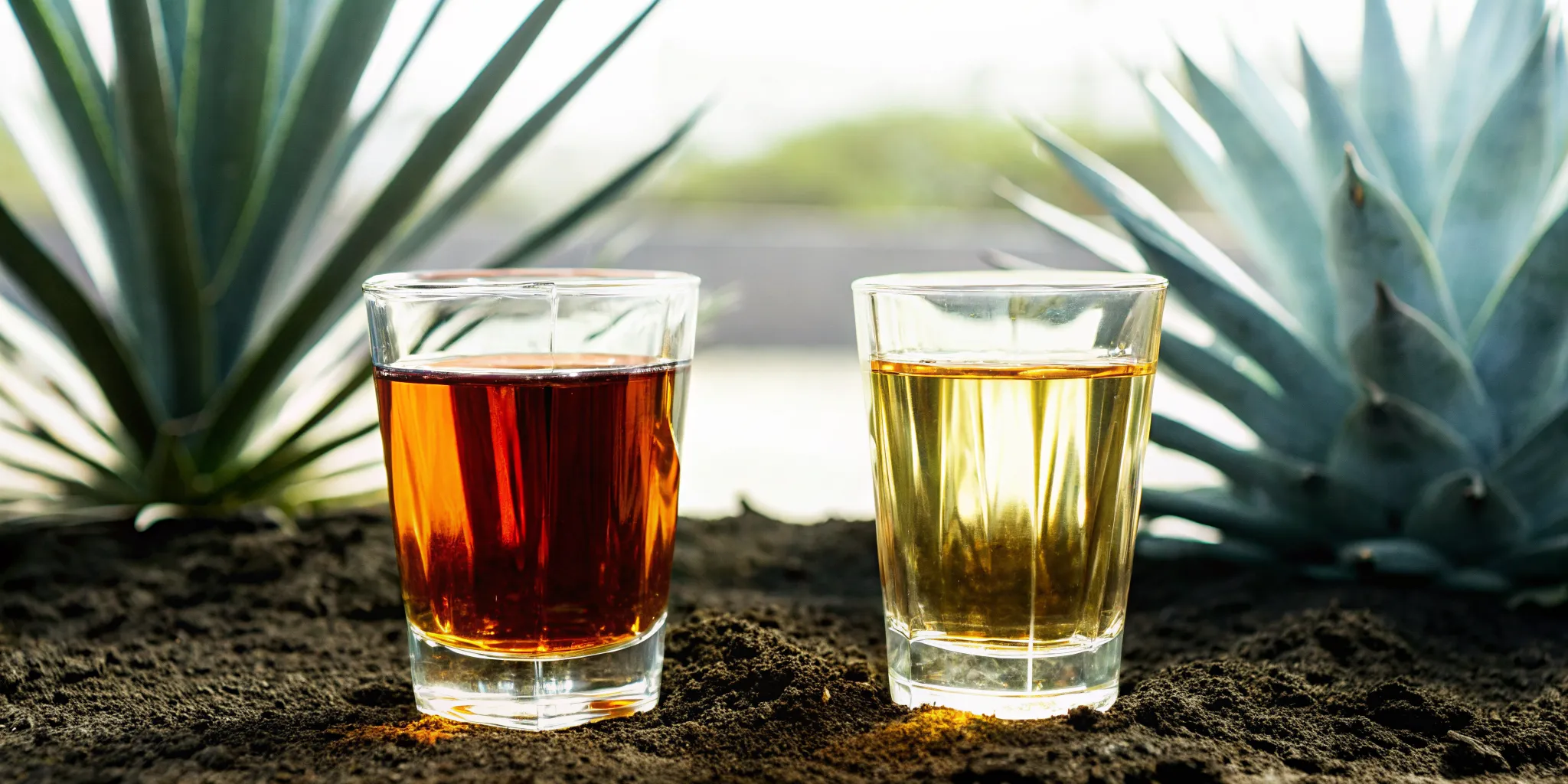
Do not feel like you must pick a side. Most fans enjoy both styles for different drinks or moods. A bright Highland blanco is great for sipping neat on a warm day. An earthy Lowland reposado might stand up better in a bold cocktail. The best way to learn is to taste them side by side in a flight.
How geography and terroir shape the agave
The flavor of a fine spirit starts long before it reaches the still. For tequila, the environment where the blue agave grows sets the final profile of the drink. This concept is called terroir. It refers to how soil, weather, and land impact a crop. When you compare highland vs lowland tequila, you are tasting the difference between two unique Mexican landscapes.
Highland geography and red clay soil
The Highlands, or Los Altos, sit at a height of about 7,500 feet above sea level. This high altitude means the plants face cooler nights and more sunlight. These conditions force the agave to work harder. This often leads to more sugar in the heart of the plant. A short life cycle and high sugar levels are why blue agave is the best choice for making tequila.
The soil in the Highland tequila region is another key factor. It is a rich, red clay called tierra roja. This soil is full of iron, which helps create the floral and sweet notes that fans of this region love. Because the agave grows larger and sweeter in this soil composition, the spirits tend to be soft and smooth.
Lowland terrain and volcanic influence
The Lowlands, or El Valle, are not actually low. The Tequila Valley sits at about 3,870 feet, which is still quite high. The land here is shaped by the Volcan de Tequila. This dormant volcano has shaped the local terroir over many years. The soil is dark and volcanic, with high pH levels that differ from the red clay of the Highlands.
This volcanic earth creates a very different agave plant. Spirits from the Valley often show more earth, spice, and herbal strength. While Los Altos is known for its light style, El Valle is liked for its bold and hardy character. To see how terroir impacts tequila, you should taste a bottle from each area side by side.
How climate affects growth
Climate plays a big role in how agave grows. Changes in the plant can change the amount of juice and the nitrogen levels. Research shows that physical traits of the agave directly affect the production of alcohols during the making of the spirit. This means the weather and soil do not just change the taste. They change the very way the tequila is made.
What does Highland tequila taste like compared with Lowland tequila?
The flavor of a tequila starts with the ground where its agave grows. While all tequila must come from the same blue agave plant, the place of origin changes the final taste. These traits help fans pick between the Highland tequila region and the Valley. Most find that these two areas produce spirits with very different personalities.
Sweetness and floral notes in the Highlands
Highland tequilas come from the Los Altos area. Agave here grows at high altitudes of about 7,500 feet, which leads to a sweeter and floral profile. The iron-rich red clay soil gives the plants more sugar as they grow slowly in the cool air. When you sip a bottle from this region, you may find scents of jasmine or rose. The taste often features bright fruit flavors like lime or pear. This makes them a top choice for those who like a soft, elegant spirit.
Earth and spice from the Lowlands
The Lowland region, known as El Valle, sits at a lower height of about 3,870 feet. Because of its volcanic history, tequilas from this area tend to have earthy and spicy notes. You might notice smells that remind you of damp soil, black pepper, or fresh herbs. These spirits often feel robust and bold on the tongue. They carry a savory punch that many drinkers love. These traits come from the grey volcanic soil near the Volcan de Tequila.
Why tasting profiles can vary
It is important to know that these flavor rules are not always set in stone. While terroir impacts on tequila are real, the way a maker cooks and ferments the agave matters just as much. A Highland producer might use a long cook time to bring out deep spice. A Lowland maker might use quick cooling to keep things light. Blind tasting shows the regional divide is not absolute. This shows that the skill of the master distiller plays a huge role in the final bottle.
Why region never tells the whole story
The short answer: Cooking, fermentation, distillation, water, maturation, and blending can amplify or obscure the agave's regional character.
The choice between a Highland tequila region and the Valley is a great start. But the label on the bottle is only one part of the puzzle. How a maker handles the agave after harvest often shifts the flavor more than the soil or altitude. From cooking to aging, these steps can mask or highlight the natural traits of the plant.
How cooking methods change taste
Once agaves reach the distillery, how they are cooked matters most. Traditional brick ovens cook the plants slowly. This creates deep, sweet flavors. Modern tools like autoclaves or diffusers work faster. But they may strip away the earthy notes found in soil composition differences. A Highland agave cooked in a fast machine might taste more neutral than a Valley agave cooked in a slow stone oven.
The role of fermentation and yeast
The time spent in the tank is a key step. Research shows that agave age at harvest changes the juice and how yeast reacts. These changes impact the alcohols made during this stage. Some makers use wild yeast from the air. Others use specific lab strains to keep the taste the same in every batch. This choice can make a tequila taste fruity or spicy, no matter where the agave grew.
Distillation and aging choices
The final flavor also depends on the still and the barrel. Copper stills often add a sweet, clean touch. Stainless steel can leave the spirit feeling crisp. If the maker chooses to age the tequila, the wood starts to take over. A drink aged for years in oak will pick up notes of vanilla and spice. At that point, the subtle terroir impacts on tequila might be hard to find. This is why you should look at the whole process to compare highland vs lowland bottles fairly.
How to taste Highland and Lowland tequila side by side
To truly learn how region affects flavor, you should try a side-by-side tasting. This process helps you spot the small shifts that distance and height create between Highland and Lowland agave. Although region can guide the comparison, a direct test reveals the unique traits of each soil. You can see how terroir impacts on tequila change the final glass.
Gather your tools
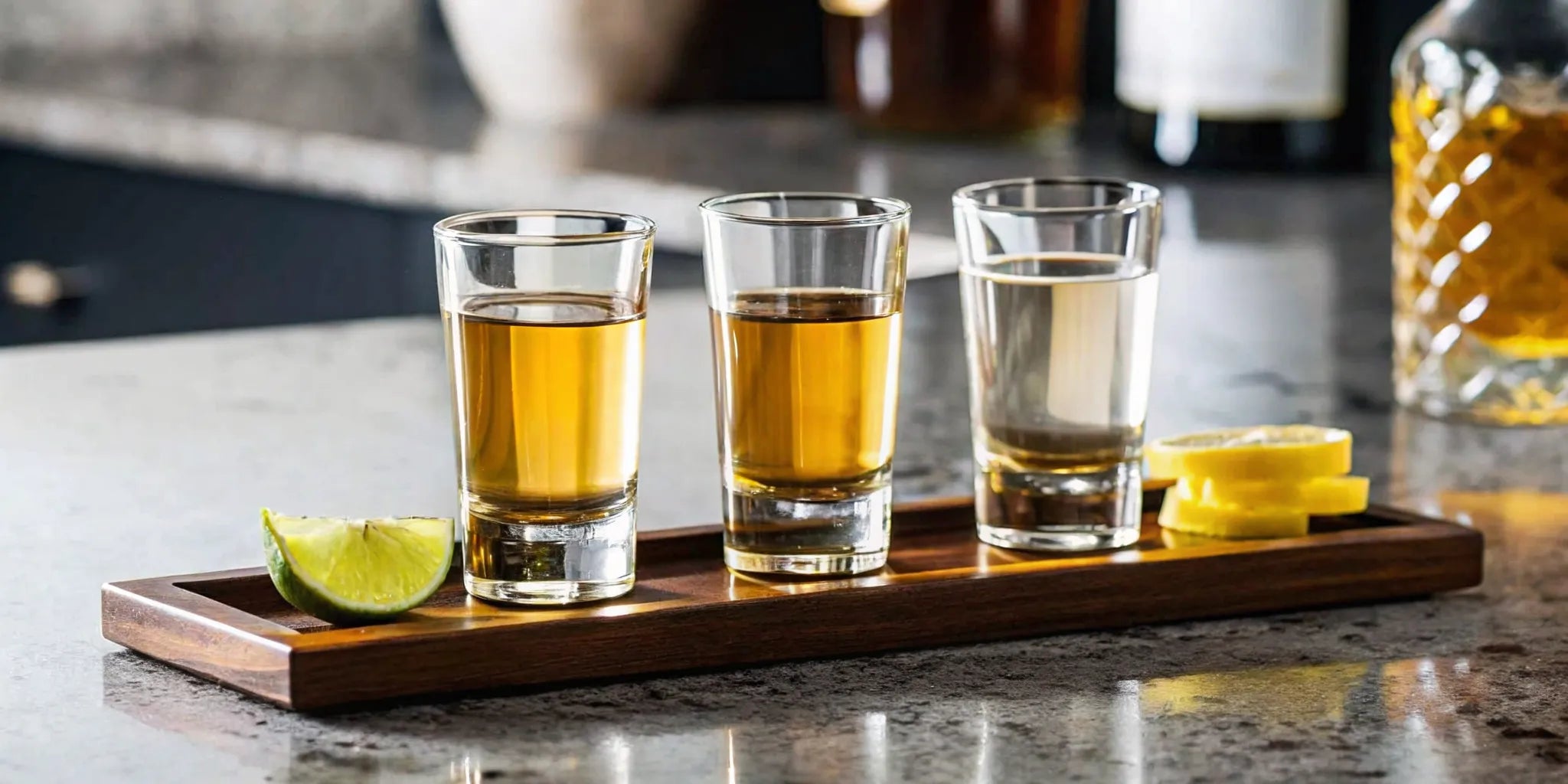
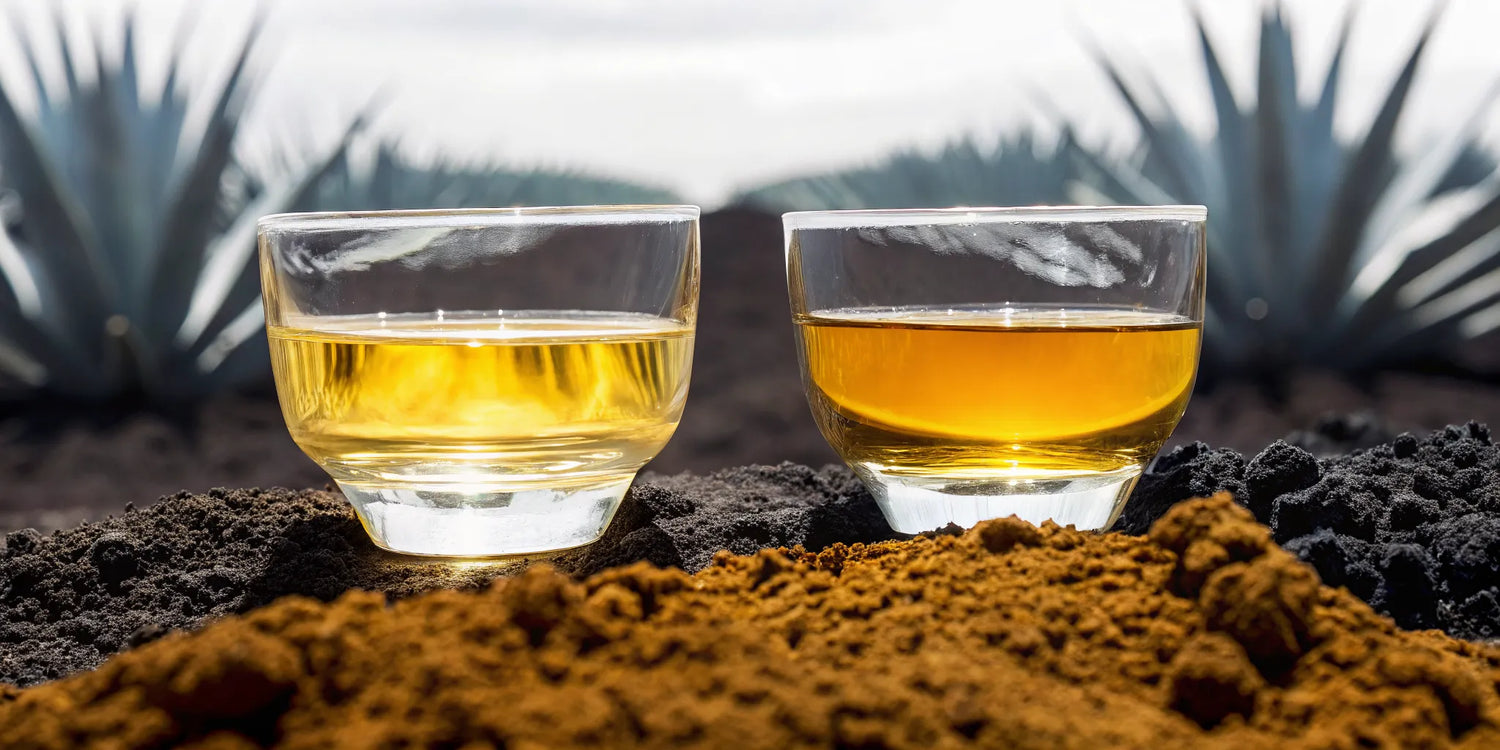
To start, you need the right gear and spirits. Pick one blanco tequila from the Highland (Los Altos) area and one from the Lowland (El Valle) area. Using blanco tequilas ensures that wood aging does not hide the raw flavors of the soil and plant. You will also need two clean, tulip-shaped glasses to help catch the smells. For more tips, see our guide on how to compare highland vs lowland tequilas at home.
The tasting sequence
- Pour about one ounce of each tequila into separate glasses and let them sit for a few minutes to breathe.
- Begin with the smell by gently sniffing each glass without putting your nose too deep.
- Take a small sip of the Highland tequila and coat your tongue to note the sweet and floral tones.
- Clean your mouth with water at room heat or a plain cracker to remove any old flavors.
- Taste the Lowland tequila and look for the earthy, spicy, and herbal notes that define the Valley.
- Compare the finish of both, noting how long the flavors stay on your tongue after the final sip.
Fine-tune your palate
As you taste, pay close focus to the feel and weight of the liquid. Highland tequilas often feel a bit lighter and more slim. Lowland picks may feel bolder or more strong. These traits come from the soil composition differences between the red clay of Los Altos and the volcanic soil of the Valley. Keep a pad nearby to write down your thoughts to find which style you like best.
Which region should you buy?
Choose by palate: Start with Highland tequila for brighter fruit and floral notes, or Lowland tequila for savory, herbal, and peppery character. Then compare producers.
Picking between highland vs lowland tequila depends on what you like to drink. Both regions offer high quality spirits, but they taste very different. Your choice may change if you want to sip the drink neat or mix it into a fresh drink. Knowing the base flavors helps you find the right bottle for your bar.
Choosing based on flavor
Highland tequilas come from the Los Altos region. This area sits at about 7,500 feet above sea level. The terroir impacts on tequila because the red clay soil is rich in iron. These plants grow larger and have more sugar. Because of this, you will often find sweet, floral, and fruity notes in these bottles. They are great for people who like a bright and soft finish.
Lowland tequilas grow in the Tequila Valley. This area has volcanic soil from an old eruption. This soil gives the agave more earthy and spicy traits. You might taste black pepper, wet earth, or herbs. These bottles are bold and strong. If you enjoy a drink with a deep, punchy taste, this region is a good pick for you. Experts found that agave plants show physical traits based on where they grow. These traits change the juice and the final flavor of the spirit.
The best choice for cocktails
The flavor of your tequila matters when you add lime and agave nectar. Most people find that highland bottles work well in light, citrus-heavy drinks. Their sweet and floral profile blends smoothly with fresh fruit. It does not fight the other parts. This makes them a top choice for a classic Margarita or a Paloma.
Lowland tequilas are better if you want the spirit to stand out. Their earthy and peppery notes can cut through thick mixers or bold syrups. Many bartenders use them in drinks with a lot of spice or bitter parts. The strong feel ensures you still taste the agave. But you do not have to pick just one. You can compare highland vs lowland by trying both at the same time. This helps you see how each one changes the drink.
Tasting for your palate
Science shows that agave has been part of life in Mexico for nearly 10,000 years. Today, there are many ways to enjoy it. While labels help, your own taste buds are the best guide. Some people love the sweetness of the highlands. Others prefer the spice of the valley. Both are 100% blue agave and follow strict rules.
Don't feel like you must follow old trends. A blind test found that most pros do not favor one zone over the other. This means the best way to buy is to explore. Try a few brands from each zone. Look for the "NOM" number on the back of the bottle. This tells you where the spirit was made. Finding your favorite helps you build a set that fits your own style.
What should you look for beyond the region?
Choosing a bottle based on a compare highland vs lowland plan is a great start. But region is just one part of the story. To find the best agave spirits, you must look at how the drink is made. Smart shoppers check labels for key signals that show care. These details tell you more about the final taste than a map can.
Check the NOM and maker
Every bottle has a four-digit NOM code on the label. This number shows which site made the spirit. Some sites make many brands, while others focus on just one. Finding the maker helps you spot trends in taste. If you love one brand, you might like others from the same spot. You can also see if a site uses new tools or old ways to make their drink.
Look at how it is made
The way a brand cooks and crushes agave changes the flavor. Some use brick ovens to slow-cook the plants. Others use big tanks that work fast. Crushing can be done with a large stone wheel or a mill. These terroir impacts on tequila are big, but the hand of the maker is just as vital. Brands that use slow, old ways often have more depth in their bottles.
Find the age and notes
The type of spirit, blanco, reposado, or añejo, shows how long it sat in wood. A blanco is clear and shows the pure agave. Aged types pick up spice from the barrel. While Highland tequila region bottles are often sweet and floral, wood adds vanilla or oak. Read the tasting notes to see if they match what you like. Good brands share these facts to help you buy the right one.
Frequently Asked Questions
Why do highland and lowland tequilas have different flavors?
The flavor of a tequila depends on where the agave plants grow. Highland plants grow at high altitudes in red clay soil rich in iron. These plants grow larger and have more sugar. Lowland plants grow in volcanic soil at lower heights. According to VinePair, the different soils and climates create distinct profiles. Highlands often taste like fruit and flowers while lowlands taste like spice and herbs.
Are highland tequilas always sweeter than lowland ones?
Many fans find highland tequilas to be sweeter and fruitier due to higher sugar in the agave. However, this is not a hard rule for every brand. A lot depends on how the maker cooks and ferments the agave. Some lowland makers use slow cooking to bring out sweet notes. While Food and Wine notes the soil impact, modern production methods can blur the lines between these two classic styles.
Does highland or lowland tequila taste better?
There is no right answer for which region tastes better. It all comes down to your personal palate. If you like bright fruit and sweet floral notes, you may prefer the highland style. If you enjoy earthy spice and herbal flavors, the lowland style might be your favorite. Blind tasting also suggests that regional preference is highly personal.
Is the term lowland tequila technically accurate?
The term is actually a bit of a misnomer in the tequila world. The area people call the lowlands is still very high above the sea. For example, the city of Tequila sits at about 3,870 feet in the valley. Experts at Taste Tequila point out that this is not low by any normal standard. Most pros now use the term Tequila Valley to be more exact about the geography.
Can you tell the difference in a blind tasting?
It can be very hard to tell the two apart without seeing the label. While the soil makes a difference, the way the tequila is made also plays a huge role. Things like the oven type and water source change the final taste. Many experts find it tough to pick the region based on flavor alone. In blind tests, most drinkers can not tell the difference between the two regions with any real certainty.
Ready to find the best Highland or Lowland tequila?
Picking the wrong bottle can lead to a dull time and a waste of your hard-earned cash. If you wait to learn how these areas differ, you might keep buying drinks that do not fit your taste. Starting your search today lets you enjoy the bold fruit or the earthy spice of these spirits much sooner. You can stop guessing which brand is best and start building a set that truly suits you right now. Taking this step today means you will be ready for your next big party with the perfect bottle in hand. The sooner you act, the faster you can share these great drinks with your friends and family.
Ready to pick your next bottle? Shop Sip Tequila's curated tequila collection or call customer service at (833) 747-1110.