


Single Estate Tequila: Why Place Matters
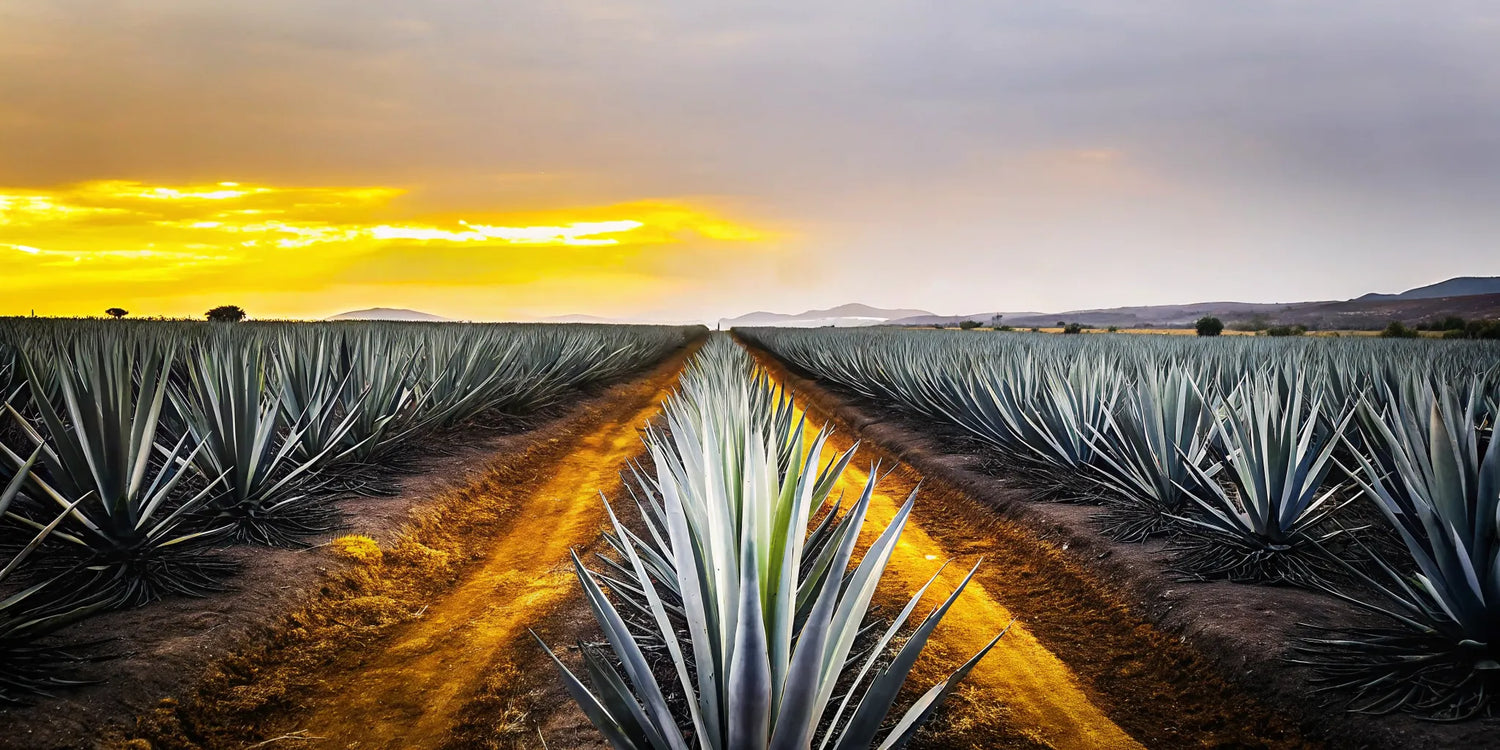
Two bottles of single estate tequila can come from the same maker, follow the same production methods, and still taste strikingly different. The reason begins long before the agave reaches the distillery. It begins in the field.
Single estate tequila is made with agave from one named estate or property rather than agave gathered from many unrelated sources. By keeping the source focused, the producer gives drinkers a clearer way to explore how soil, elevation, weather, harvest timing, and field conditions can shape flavor.
Think of it as a map you can taste. The estate name and harvest year turn each bottle into a snapshot of a place at a point in time.
What does single estate tequila mean?
Single estate tequila begins with a simple idea: provenance matters. The agave used for a release comes from one estate, ranch, or defined property. That source is often named on the bottle, which lets a curious drinker connect the liquid in the glass to a specific place.
The focus is the agave source
The term describes where the agave grew. It does not, by itself, tell you that the tequila came from one barrel, one oven load, or one small production run. It also does not guarantee a specific taste. Instead, it gives the drinker a useful point of reference.
A producer that blends agave from many fields may aim for a steady house profile from one release to the next. A single estate producer can let the traits of one field remain easier to notice. That makes variation part of the experience rather than something to hide.
Why provenance helps the drinker
When the estate is named, you can compare releases with more purpose. You can taste two fields from the same year, or the same estate across different years. Each comparison helps you learn which notes may come from place and which may come from production or aging.
This idea is central to Tequila Ocho's single estate approach. Its estate names and vintage dates give enthusiasts a practical starting point for side-by-side tasting.
How terroir shapes tequila flavor
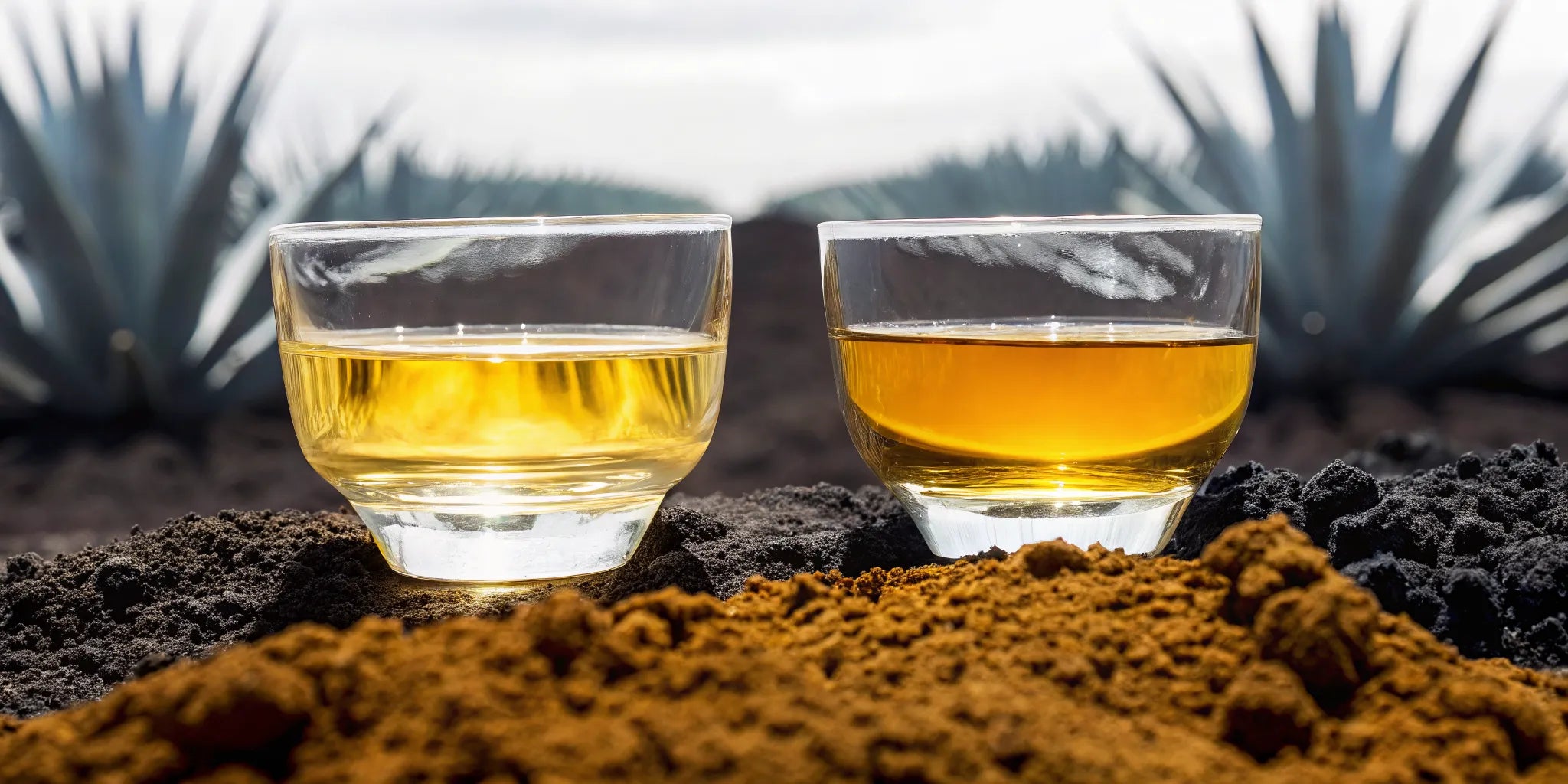
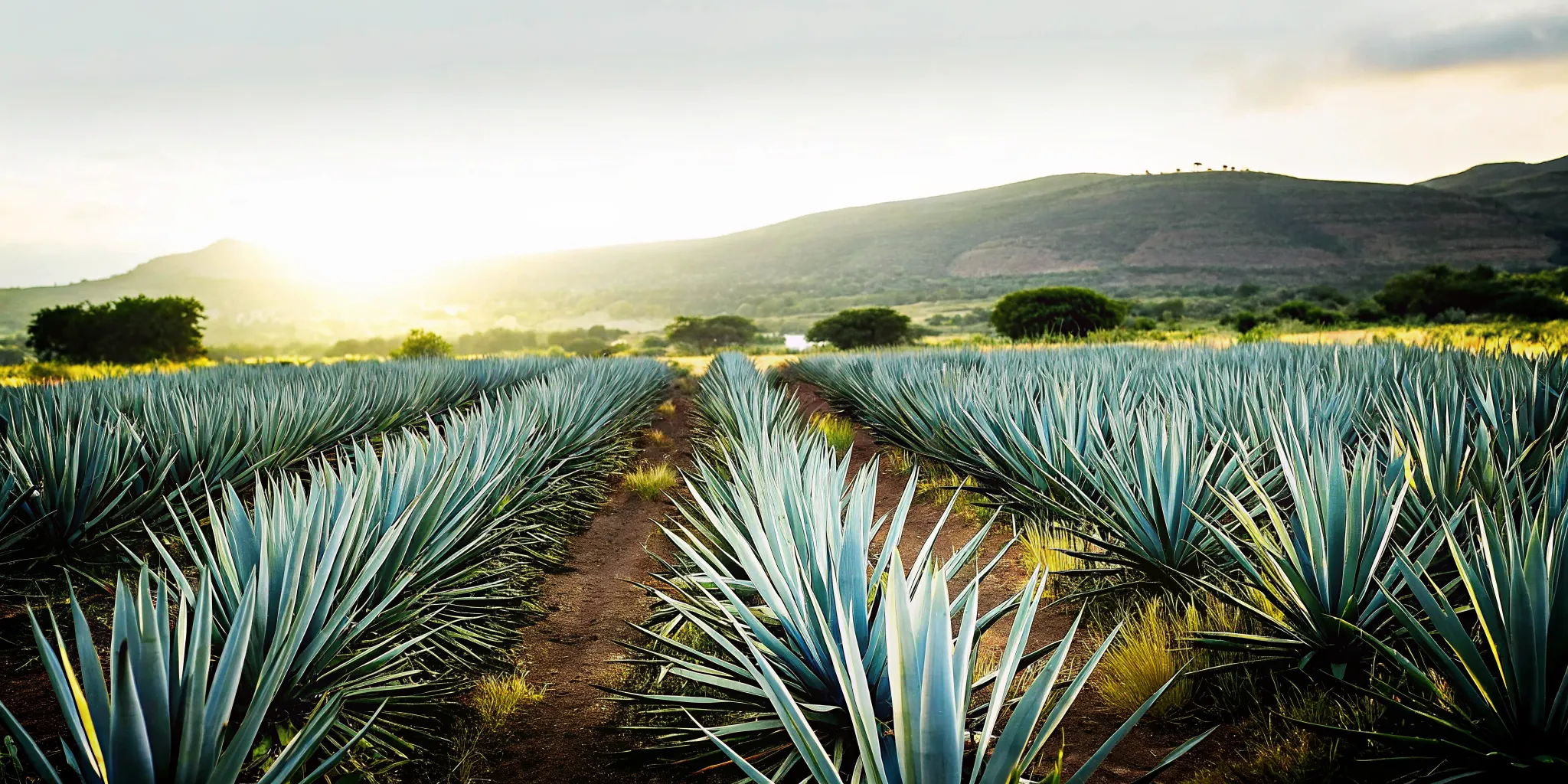
Terroir is the combined effect of place on an agricultural product. In tequila, that includes the field's soil, elevation, slope, sun, rainfall, temperature, and other growing conditions. Agave develops in that setting over years, so the field has time to leave its mark.
Soil and drainage
Soil affects how water moves and how roots reach nutrients. A well-drained slope creates a different growing setting than a flatter field that holds more water. Those differences can affect plant growth and the character of the mature agave.
Soil is not a flavor switch with one fixed result. Production choices still matter. Yet when a maker uses similar methods for each estate, the field becomes a clearer variable to explore.
Elevation and climate
Elevation changes temperature patterns, wind, and exposure. Weather also changes from one growing season to another. A warm, dry period may put different stress on a plant than a cooler or wetter stretch.
These conditions work together, so it is better to taste with an open mind than to expect every highland or lowland release to fit one simple rule. Use regional ideas as clues, not guarantees.
Harvest timing and maturity
The decision to harvest is another bridge between field and bottle. Agave maturity affects the raw material that reaches the ovens. Skilled growers and distillers judge the plants and choose when a field is ready, then use cooking, milling, fermentation, and distillation to reveal its character.
Terroir does not replace craft. It gives craft a distinct ingredient to work with.
How is single estate different from single barrel and small batch?
These terms are often placed together, but they answer different questions. Single estate points to the source of the agave. Single barrel points to where an aged tequila rested. Small batch points to production scale, although brands may define that phrase in different ways.
| Term | Main focus | What it helps you compare |
|---|---|---|
| Single estate | Agave from one named estate or property | Place, field, and harvest variation |
| Single barrel | Tequila bottled from one barrel | Individual barrel character |
| Small batch | A limited production batch | Batch-level choices and variation |
One bottle can fit more than one term
A tequila can be both single estate and single barrel. The agave may come from one property, while the aged liquid may come from one cask. Those labels describe separate parts of the journey.
A single estate release can also be made in a small batch. That still does not make the phrases interchangeable. When reading a label, ask which stage of production each claim describes.
Why the distinction matters
If your goal is to study terroir, start with estate and vintage information. If you want to explore the impact of oak, compare single barrel releases or aging styles. If you want to understand a producer's limited run, look for details about the batch and methods.
Why do estate and vintage releases taste different?
An estate is not frozen in time. Rain, heat, plant maturity, and harvest decisions can change from one vintage to the next. That is why a producer may name both the estate and year. Together, they help describe the release more precisely.
Field variation creates a new lens
Compare two estates made by the same producer and you reduce some of the noise in the experiment. The distillery style may remain familiar while the agave source changes. You might notice shifts in aroma, texture, sweetness, earthiness, spice, or finish.
The point is not to decide that one estate is always best. The fun lies in noticing how each field speaks through a familiar production style.
Vintage does not mean aged tequila
A vintage date usually refers to the agave harvest, not the years spent in a barrel. A vintage-dated blanco can show a harvest year even though it is unaged or rested only briefly. Reposado and anejo describe aging categories, which are a separate part of the label.
This distinction helps shoppers avoid a common mistake. Estate and vintage tell you about agricultural source and timing. Blanco, reposado, and anejo tell you about the expression and its relationship with oak.
Variation is useful, not a flaw
Many spirits are blended for consistency. Single estate releases invite a different expectation. A change between releases can be the very thing worth studying, especially when the producer provides enough detail to support a fair comparison.
How to read a single estate tequila label
A thoughtful label gives you clues about what is in the bottle and how to compare it. Start with the details that define place, time, maker, and expression.
- Find the estate or ranch name. This is the clearest sign that the release points to a specific agave source.
- Look for a harvest or vintage year. The year helps separate one release from another and supports comparisons over time.
- Check the expression. Blanco, reposado, anejo, and extra anejo tell you how aging may influence the spirit.
- Note the NOM. The distillery identifier helps you see where the tequila was produced.
- Read supporting details. Production notes, batch information, and bottle codes can give more context.
What a label cannot tell you
No short phrase can fully explain quality or flavor. Single estate is meaningful provenance, but you should still consider the producer, methods, and your own taste. A clear label opens the door to better questions. It does not replace tasting.
Use product pages for more context
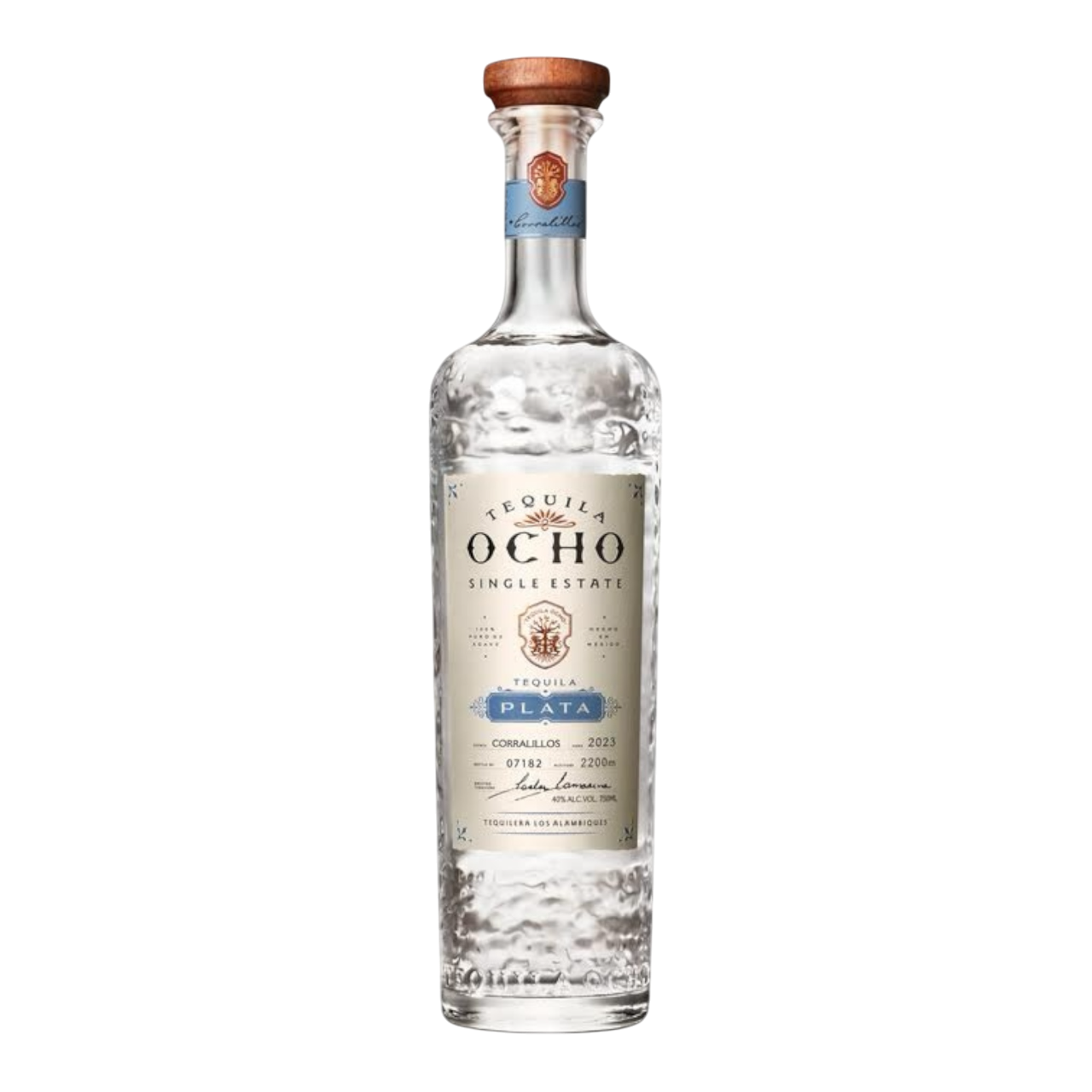
Retail and producer pages may offer details that do not fit on the bottle. For example, the Tequila Ocho Plata product page gives shoppers a closer look at a terroir-led blanco. Use those details to plan comparisons before you buy.
Tequila Ocho and the single estate approach
Tequila Ocho is a helpful case study because the brand puts estate and vintage information at the center of the experience. Rather than treating field variation as a hidden production detail, it gives drinkers a direct way to follow different releases.
A repeatable way to explore place
When the same producer releases tequila from named estates, the bottles form a tasting series. You can compare the style of one field with another while keeping the maker familiar. Over time, you can also revisit an estate through a different harvest.
This structure makes the category approachable for new drinkers and deep enough for collectors. Beginners can start with one bottle. Experienced tasters can build a focused set around estates, vintages, or expressions.
Start with the collection, then narrow your search
Browse the Tequila Ocho collection and note the estate, year, and expression shown for each available bottle. Inventory changes, so compare the details on the current listing rather than relying on an old tasting note.
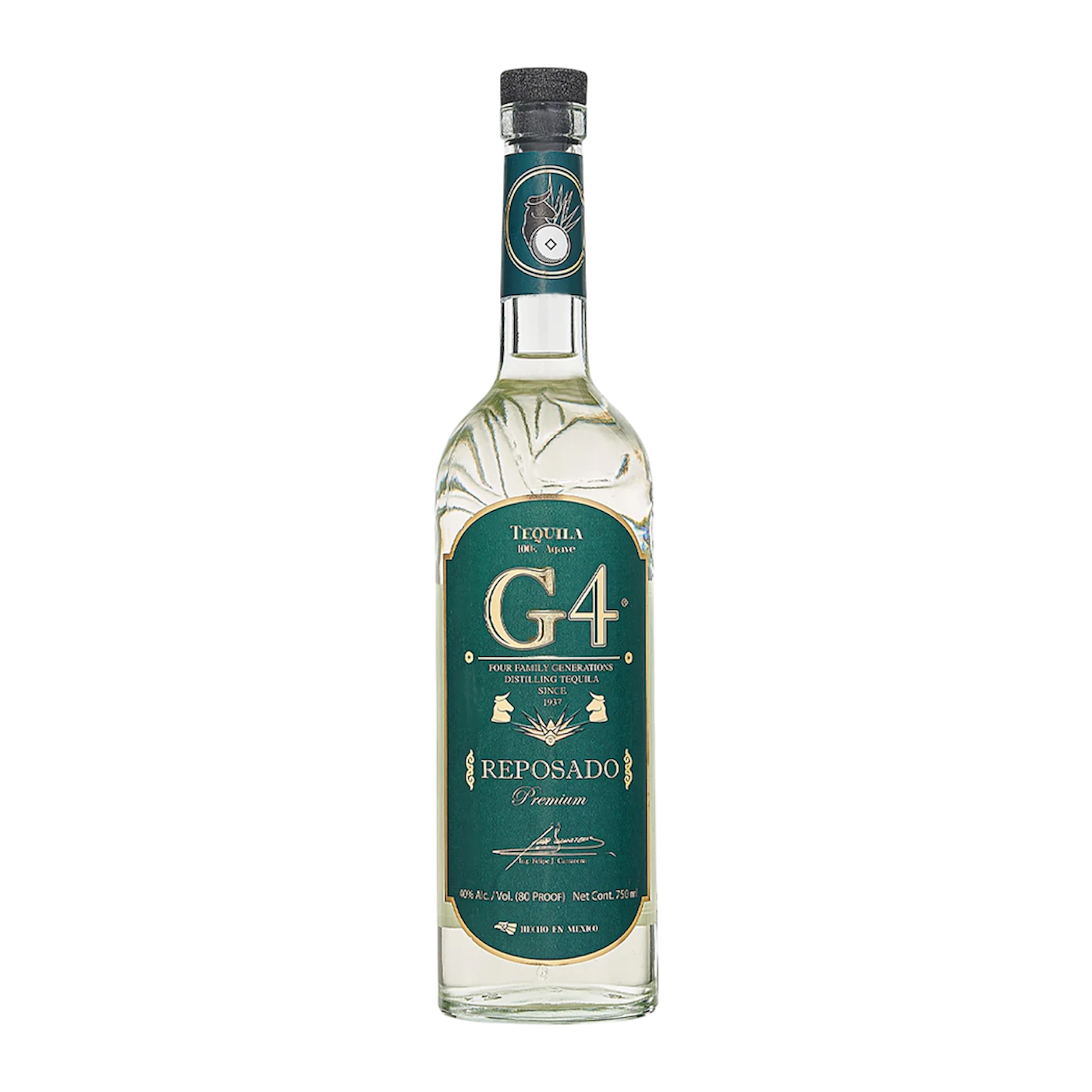
To compare how barrel aging changes the agave's profile, explore Sip Tequila's reposado tequila collection alongside estate-led blanco releases.
How to compare single estate tequila releases
A side-by-side tasting turns label details into a useful sensory lesson. You do not need expert language or a large collection. You only need a fair setup, careful notes, and a clear question.
Choose one variable at a time
For the clearest estate comparison, choose bottles from the same producer and expression but different estates. To explore vintage, compare the same estate across two harvest years when possible. To study aging, compare blanco and reposado releases that share the same estate.
Changing only one major variable makes the contrast easier to understand. It also helps you avoid giving the field credit for a difference that may come from oak or proof.
Taste in a calm setting
Use clean glasses and modest pours. Give each glass time to open, then smell and sip slowly. Keep water nearby and avoid strong scents or foods that can crowd out subtle notes.
Write down first impressions before reading other reviews. Use a simple tasting sequence:
- Compare each bottle's aroma before sipping.
- Take a small first sip and note texture and core flavors.
- Add a drop of water if desired, then revisit the aroma and finish.
- Record what changed as each tequila rested in the glass.
Build a useful record
Record the producer, estate, vintage, expression, proof, and date tasted. Add a few plain flavor words and one sentence about what made the release distinct. Your notes will become more valuable as you taste more estates.
Do not chase a perfect score. Ask which release taught you something new and which one you would enjoy again. That is a more useful way to build a thoughtful collection.
Browse Sip Tequila tasting kits to build a focused comparison and sharpen your tasting notes.
Frequently asked questions about single estate tequila
Is single estate tequila the same as single barrel tequila?
No. Single estate describes the source of the agave, while single barrel describes an aged tequila bottled from one barrel. A bottle can be both, but the terms refer to different stages.
Does single estate tequila always taste better?
Not automatically. The label gives you useful provenance, but taste and quality still depend on the agave, production choices, handling, and your preferences. Its special value is the chance to explore place.
What does vintage mean on a tequila bottle?
For an estate-led tequila, vintage generally points to the agave harvest year. It does not mean that the tequila spent that many years in a barrel. Check the expression to understand aging.
How should I start a single estate tequila tasting?
Begin with two bottles from the same producer and expression but different estates. Taste them side by side, take simple notes, and compare the estate and vintage details on each label.
Find a single estate release worth exploring
Single estate tequila gives you more than a name on a bottle. It gives you a way to follow agave back to a place, compare harvests, and taste with greater purpose.
As you explore, let curiosity lead. A bottle with clear estate and vintage details can become the first chapter in a tasting journey that changes with every field and harvest.
Shop the Tequila Ocho collection to explore current single estate releases and choose a bottle for your next side-by-side tasting.