




If you are searching for Lost Explorer tequila, you are probably not looking for another generic bottle list. You want to know what makes the brand different, how its expressions taste, and which bottle earns a place in your collection. The short answer is simple: start with Blanco if you want a bright, agave-led pour, and choose Reposado if you want a deeper, oak-shaped profile with layered cask influence. The right choice depends on what your collection is missing, not just which bottle looks most distinctive on the shelf.
Check Sip Tequila's current Lost Explorer selection
One important note before you shop: The Lost Explorer makes both tequila and mezcal. Sip Tequila's live Lost Explorer collection is currently centered on the brand's mezcal selection, so check the spirit type, expression, and availability on the product page before you buy. This guide focuses on the brand's tequila expressions and the decision framework collectors can use when a bottle becomes available.
What is Lost Explorer tequila?
Bottom line: Lost Explorer tequila is a small-batch range associated with Maestro Tequilero Enrique de Colsa. Its core choice is between a clear, agave-forward Blanco and a more layered Reposado shaped by time in multiple cask types.
- Blanco: 100% agave, double distilled, and described by the brand with herbaceous, citrus, and cinnamon notes.
- Reposado: a richer expression with cooked agave, oak, vanilla, raisin, and a long finish.
- Brand distinction: the same name also appears on mezcal, so confirm that you are evaluating tequila rather than an agave spirit from the separate mezcal range.
The brand positions its tequila around the relationship between nature, time, and careful distillation. That positioning matters for collectors because it gives the line a clear identity without requiring you to treat every bottle as interchangeable. Blanco is the better reference point for understanding the base spirit. Reposado is the more interpretive pour, where the influence of wood and finishing casks becomes part of the experience.
Lost Explorer also identifies Enrique de Colsa as the maestro tequilero behind the tequila range. The brand describes his experience across more than three decades of agave-spirit production. For a collector, that is useful context, but it should complement your own tasting judgment rather than replace it. A respected name does not make every expression the right fit for every shelf.
The tequila line is also presented as small batch and 100% agave. The brand's own materials describe its tequila as made without additives. That is a product-positioning claim, not the same thing as a third-party certification, so collectors who care about production transparency should still read the bottle and producer information carefully. For general tequila denomination and regulatory context, the Consejo Regulador del Tequila is the appropriate starting point.
How do Lost Explorer Blanco and Reposado differ?
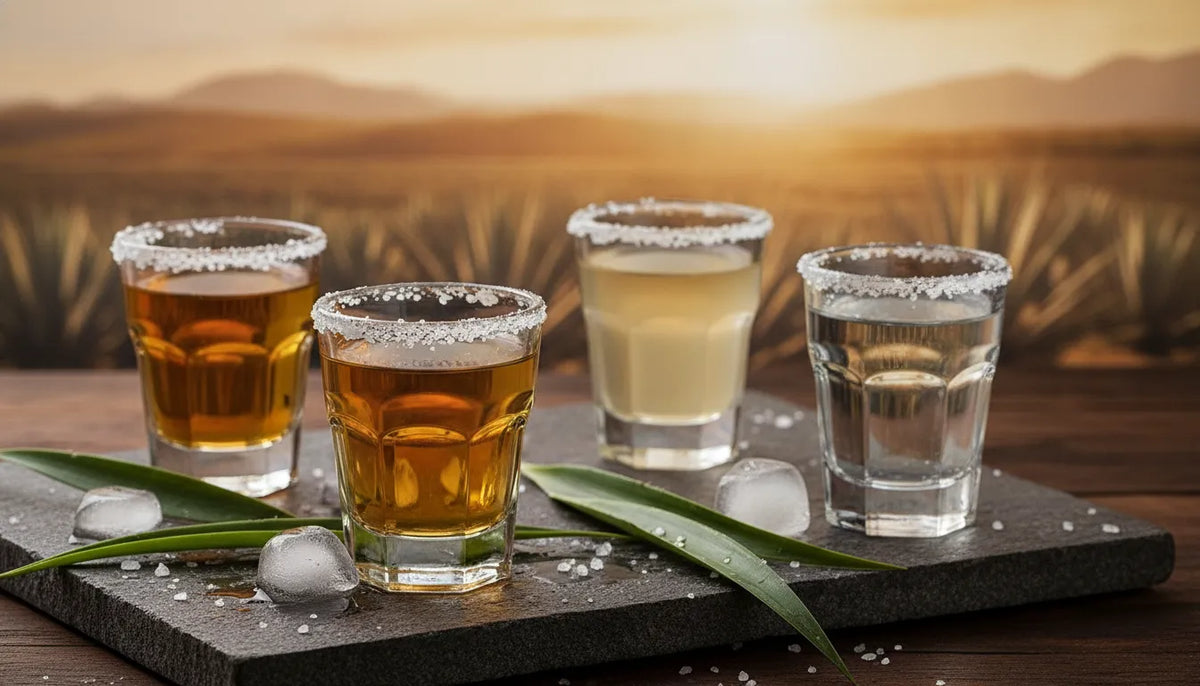
Bottom line: choose Blanco for freshness and a clearer view of agave character; choose Reposado when you want oak, dried fruit, vanilla, and a longer, more layered finish.
| Decision point. | Blanco. | Reposado. |
|---|---|---|
| Best for. | Understanding the base tequila. | Exploring a richer sipping profile. |
| Profile direction. | Herbaceous, citrus, cinnamon. | Cooked agave, oak, vanilla, raisin. |
| Place in a collection. | Bright reference bottle. | Layered aged-expression bottle. |
| Serving approach. | Neat, lightly chilled, or in a restrained cocktail. | Neat, rested in the glass, or paired with dessert. |
Choose Blanco when clarity matters
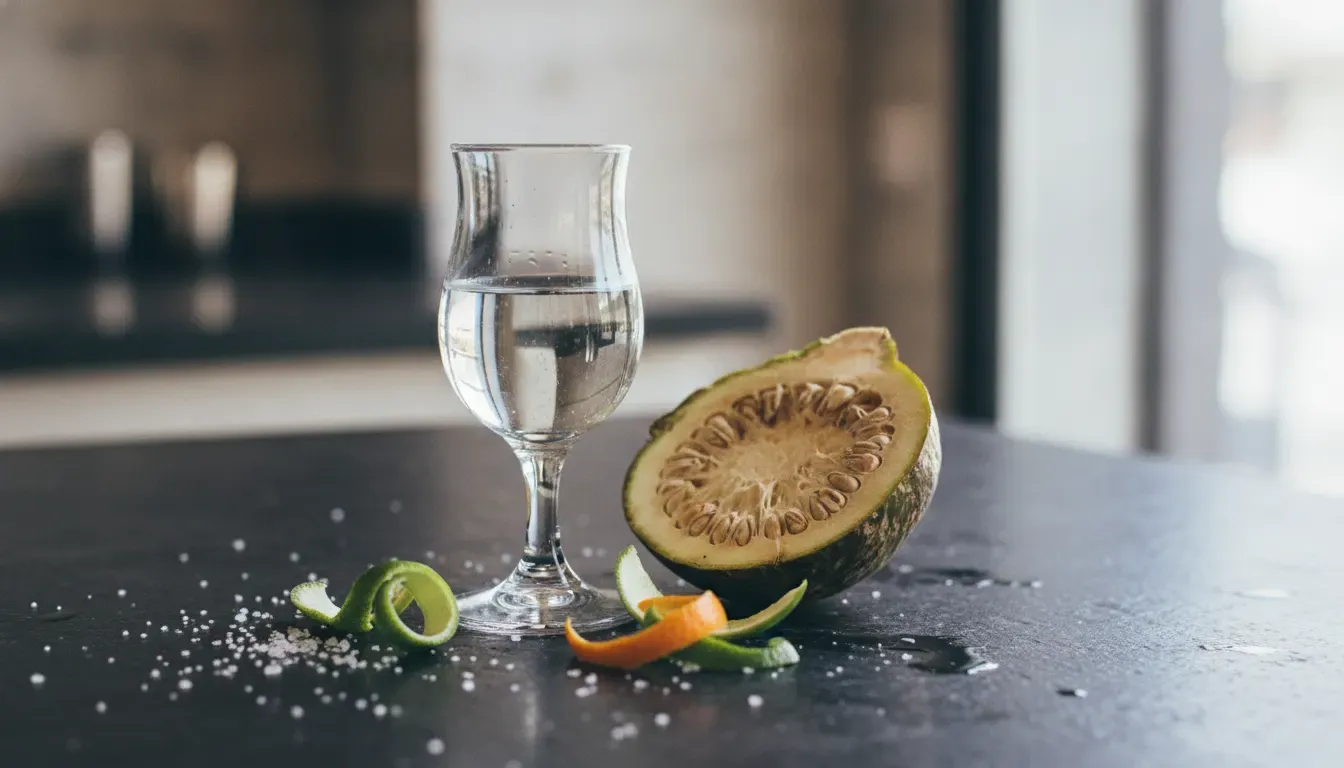
Blanco makes sense when you want to taste the spirit before oak becomes part of the conversation. The brand describes this expression with herbaceous, citrus, and cinnamon notes, a combination that should feel more lifted and direct than the Reposado. It can serve as a baseline for future purchases because you can compare how other aged tequilas build on, soften, or redirect the character of unaged tequila.
- Choose it for a first introduction to the tequila range.
- Choose it when your collection has too many dark, wood-led bottles.
- Choose it when you enjoy bright pours that work before dinner or alongside lighter food.
Choose Reposado when texture and cask character matter
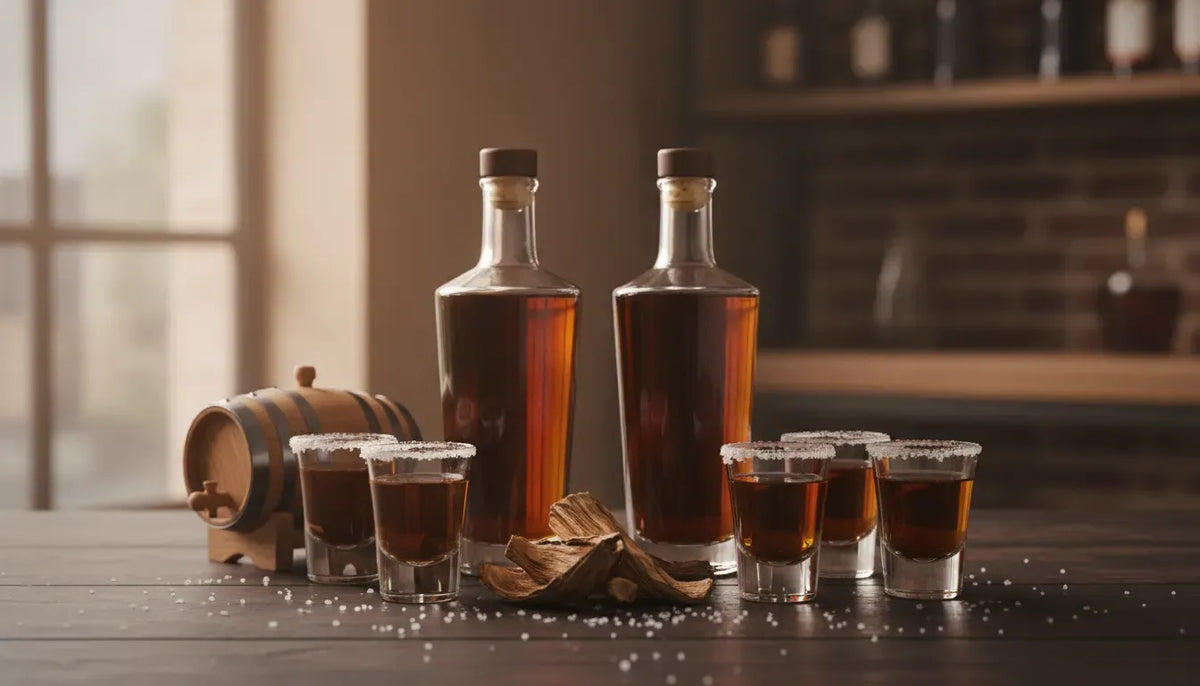
Reposado is the more layered option. Its profile brings cooked agave together with oak, vanilla, and dried-fruit notes. The brand describes a blended resting process involving Sauternes wine casks, Pedro Ximenez sherry casks, and bourbon barrels. That combination makes the Reposado a natural fit for a collector who wants to study how different cask influences can shape one tequila without losing its agave foundation.
- Choose it if your shelf needs a richer after-dinner pour.
- Choose it if you enjoy vanilla, dried fruit, toasted oak, and a persistent finish.
- Choose it when you want a bottle that invites slow tasting and comparison.
Do not assume the darker or more complex bottle is automatically the better bottle. Reposado is more expressive in one direction, while Blanco is more revealing in another. If you are building a balanced collection, owning both makes more sense than ranking one as universally superior.
Which Lost Explorer tequila belongs in a collector's collection?
Bottom line: pick the expression that adds a missing flavor role, not a duplicate of what you already own.
- Audit your shelf: count how many bottles are bright and unaged versus oak-forward and aged.
- Choose a learning role: Blanco helps you understand agave-led character; Reposado helps you study cask influence.
- Choose a serving role: decide whether the bottle will be opened at tastings, poured after dinner, or held for a meaningful occasion.
- Choose a comparison partner: plan to taste it beside a different tequila category, not only beside another bottle from the same brand.
A good collection has contrast. If every bottle is heavily aged, a Blanco can restore balance and give you a clearer reference for agave, distillation, and finish. If your shelf is dominated by clear spirits, Reposado can add a different pace and texture. This is more useful than chasing a bottle simply because it is limited, photogenic, or frequently mentioned online.
Think about the people who will drink it, too. A collector who enjoys technical comparison may prefer Blanco because it shows the core spirit with fewer layers between the palate and the distillate. Someone who hosts slow, spirit-forward tastings may prefer Reposado because its cask notes create more discussion. Neither answer is wrong, and neither expression needs to be treated as an investment.
Availability should also influence the decision without controlling it. The brand's tequila and mezcal ranges can appear in different channels and at different times. Always confirm that the listing is for tequila, identify the exact expression, and review the current product details before checkout. Sip Tequila's Lost Explorer collection is a useful place to check the current assortment, but its live contents may not mirror every tequila expression described in the brand's broader materials.
What should you look for beyond the bottle?
Bottom line: evaluate provenance, expression details, condition, and fit before you evaluate the label design.
- Confirm the spirit category. Tequila and mezcal are not interchangeable. Check that the product is made as tequila and that the expression is Blanco or Reposado.
- Read the production details. Look for the agave statement, producer information, and the details that explain how the expression gets its character.
- Check bottle condition. For a special bottle, inspect the seal, closure, label condition, and fill level when the retailer provides that information.
- Separate presentation from value. A distinctive bottle can be part of the appeal, but the liquid still needs to match your palate and collection plan.
- Record your own tasting notes. The most useful collection is the one you understand, not the one with the most impressive description.
The Lost Explorer brand gives collectors a compelling visual language, and its materials connect the packaging to natural materials and the landscapes associated with agave. That can make the bottle enjoyable to display. Still, display appeal should remain a secondary filter. The reason to keep a bottle is that it contributes something you will want to taste, share, or remember.
It is also worth keeping the brand's sustainability language in the right category. Statements about recycled materials, wax seals, local partnerships, or agricultural practices describe the brand's approach. They do not tell you whether Blanco or Reposado will suit your palate. Use those details to understand the producer, then make the buying decision from verified expression information and your own preferences.
How should you taste Lost Explorer tequila?
Bottom line: taste both expressions slowly, in a tulip-shaped glass if possible, and give the spirit time to open before adding ice or food.
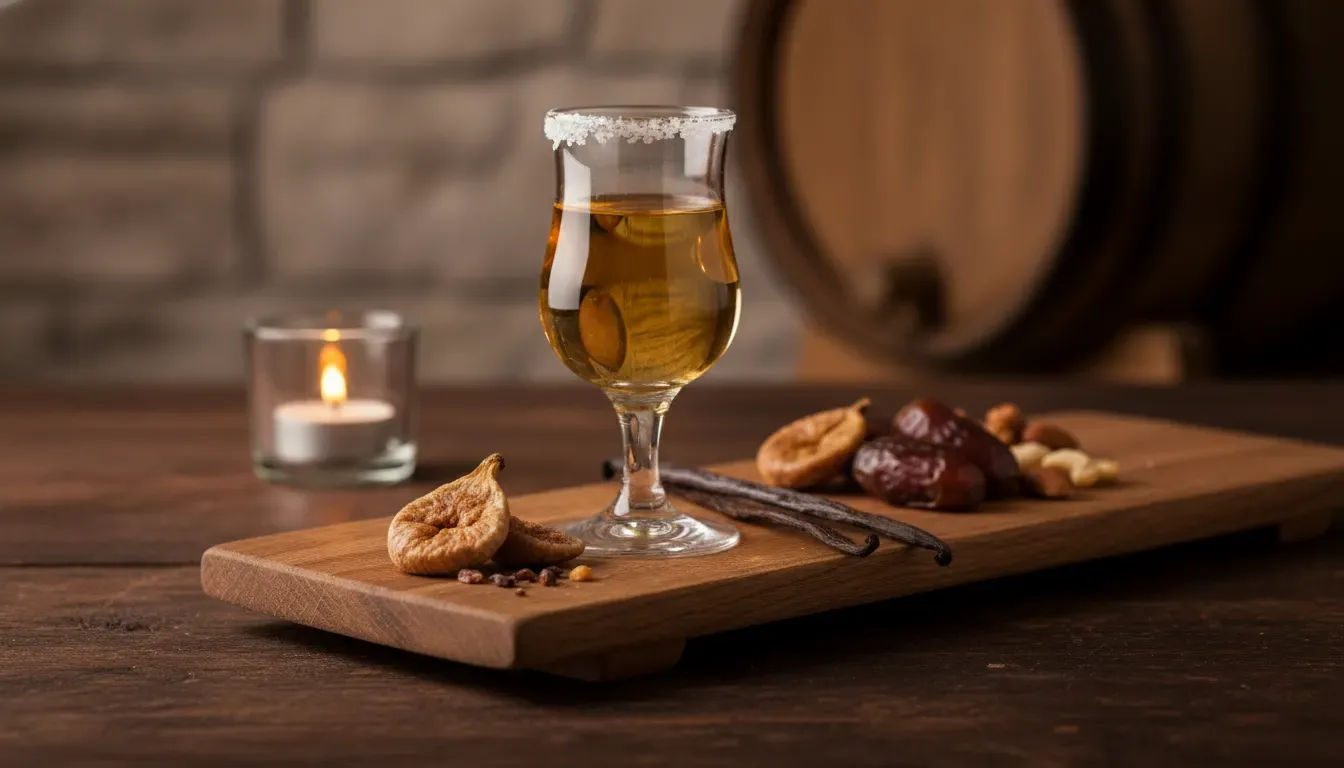
- Start with the appearance. Blanco should be clear. Reposado should show the color expected from time in wood, but color alone cannot tell you how the tequila will taste.
- Smell before swirling. Bring the glass to your nose and note the first impression. With Blanco, look for fresh, green, citrus, or spice cues. With Reposado, look for vanilla, oak, dried fruit, and cooked agave.
- Take a small first sip. Let it coat the palate. Notice sweetness, heat, texture, and where the agave sits in relation to the oak.
- Take a second sip after a short rest. A few minutes in the glass can change the aroma, especially in Reposado. Notice whether the finish is clean, warm, dry, peppery, or fruit-led.
- Add one variable at a time. If you use ice, water, or food, taste the tequila neat first so you know what changed.
For a useful side-by-side, pour small samples of Blanco and Reposado into identical glasses. Taste the Blanco first, then the Reposado, and return to the Blanco once your palate has experienced the wood influence. This sequence makes the contrast easier to identify without turning the tasting into a competition.
Food can sharpen the comparison. Citrus, fresh herbs, grilled vegetables, and lighter dishes can support the bright side of Blanco. Roasted fruit, nuts, vanilla, and gently spiced desserts can complement the deeper notes in Reposado. The goal is not to force a pairing. It is to notice which flavors become clearer and which become crowded.
Keep your notes practical. Write down the expression, date, glass, serving temperature, aroma, palate, finish, and whether you would buy it again. Over time, those notes will tell you more about your collection than a ranking copied from someone else's tasting.
How does Lost Explorer fit into a larger tequila collection?
Bottom line: treat Lost Explorer as a focused brand study, then build outward by age, production style, region, and palate rather than collecting names at random.
- Pair Blanco with another agave-forward tequila to compare freshness and distillation character.
- Pair Reposado with a different aged tequila to separate the effect of cask type from the effect of time.
- Use a broad sipping tequila guide when you need to compare the line with other styles.
- Use the additive-free tequila collection when production transparency is one of your selection criteria, while checking each product's own substantiation.
- Browse the rare and limited collection when you are looking for a special-occasion bottle, but do not confuse scarcity with a guaranteed fit.
This approach keeps the Lost Explorer decision specific. You are not asking whether the brand is the best tequila for everyone. You are asking what role its Blanco or Reposado can play in your own shelf, tasting group, or gifting plan. That is the question a serious collector can actually answer.
If you are building a reference shelf, start with one expression and take notes before buying the second. If you are choosing a gift, ask whether the recipient prefers clear, agave-led spirits or richer, wood-shaped pours. If you are buying for a tasting, acquire the expression that creates the most useful contrast with what guests already know.
Review the current Lost Explorer selection at Sip Tequila.
FAQs: Lost Explorer tequila
Quick answers: The brand makes both tequila and mezcal, its tequila range centers on Blanco and Reposado, and the best choice depends on the role you want the bottle to play.
Is Lost Explorer tequila additive-free?
The brand's official materials state that its tequila is made without additives. Treat that as the producer's stated positioning rather than an independent certification, and review the bottle and current product information for the exact expression you are considering.
What is the difference between Lost Explorer Blanco and Reposado?
Blanco is the brighter, agave-led option, with the brand describing herbaceous, citrus, and cinnamon notes. Reposado is more layered, with cooked agave, oak, vanilla, raisin, and a long finish shaped by multiple cask types.
Which Lost Explorer tequila is better for a first bottle?
Blanco is usually the clearest starting point if you want to understand the base spirit. Reposado is the better starting point if you already know you enjoy oak, vanilla, dried fruit, and a slower sipping profile.
Is The Lost Explorer a tequila or a mezcal brand?
It is both. The Lost Explorer makes tequila and mezcal, and the expressions are distinct. Check the product category carefully because a mezcal bottle from the brand should not be evaluated as a tequila.
How should I store Lost Explorer tequila?
Keep the bottle upright in a cool, dark place away from direct sun and large temperature swings. Close it securely after pouring, and remember that an opened bottle is best enjoyed rather than treated as a guaranteed long-term investment.
Find your next Lost Explorer bottle at Sip Tequila.