


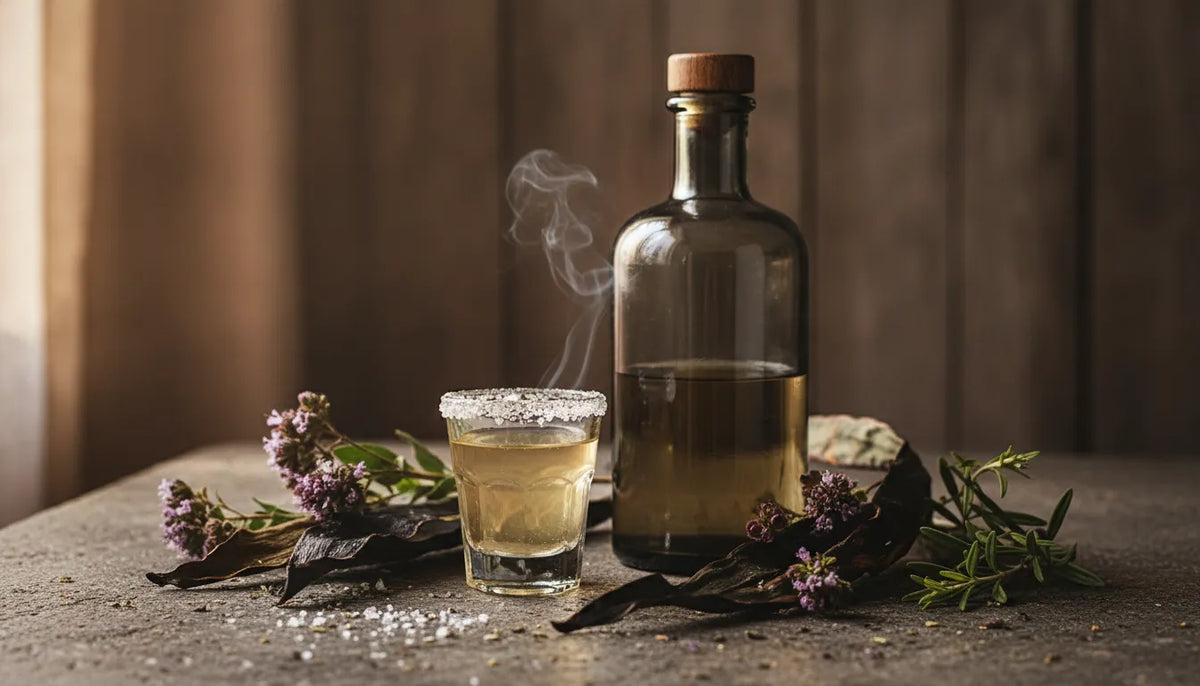
La Luna mezcal is a Michoacan-born collection for drinkers who want more than a generic smoky pour. Its expressions move from bright, citrus-led profiles to wild-agave bottlings with leather, earth, herbs, fruit, and pepper. The right bottle depends on the agave, the way it was cooked and distilled, and how you plan to drink it, not just on the word "smoke" on a label.
Explore the La Luna mezcal collection at Sip Tequila
What is La Luna mezcal?
- La Luna is an artisanal mezcal collection produced in Michoacan, Mexico.
- The lineup includes wild and semi-cultivated agaves, including Cupreata, Espadincillo, Manso Sahuayo, Bruto, and Tequilana.
- Traditional production details include stone-lined earth ovens, open-air wooden fermentation, and copper, pinewood, or clay stills depending on the expression.
La Luna's identity starts with place. The brand describes Michoacan as a region of mountain landscapes, family mezcal-making practices, and agaves that grow at elevations above 2,000 meters. Sip Tequila's current collection presents seven La Luna expressions, although selection and state availability can change.
The collection also has a clear human story. Proprietor Salvador Chavez returned to his Michoacan heritage after growing up partly in California, then began importing and producing mezcal in 2017. The brand works with family agave growers and local mezcaleros, connecting each bottle to a regional production network rather than treating mezcal as a flavor category alone.
How is La Luna mezcal made?
- Agave selection: La Luna works with both wild and semi-cultivated plants, and the species changes the spirit's texture and flavor.
- Cooking: Pinas are roasted in stone-lined earth pits, with white oak used in the traditional process.
- Fermentation: Cooked agave is crushed and fermented in open-air wooden vats, allowing time and local conditions to shape the wash.
- Distillation: Depending on the expression, La Luna uses copper cazo and pinewood stills or an ancestral clay pot still.
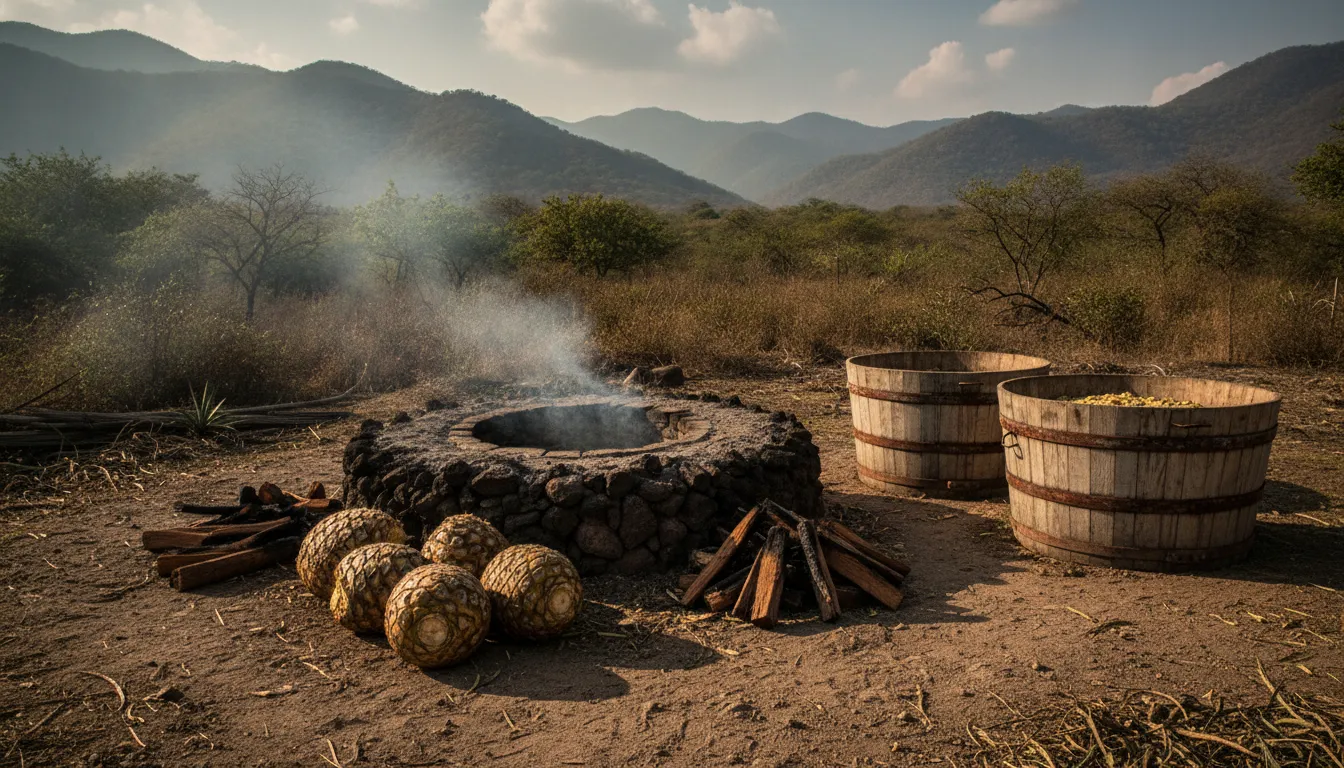
This process explains why La Luna does not taste like one standardized spirit. A long roast can emphasize cooked agave and smoke, while wild fermentation and a particular still can preserve fruit, herbs, mineral notes, or a savory edge. The collection's official production description mentions roughly five days of roasting for its traditional process, but expression-level methods and maturation details should be read from the individual bottle page.
That distinction matters when you are comparing bottles. Two mezcals can share a state of origin and still show very different aromas because the plant, cooking time, fermentation vessel, distillation setup, and batch choices are not identical.
What does La Luna mezcal taste like?
- Fruit: cherry, strawberry lemonade, tropical fruit, citrus, pineapple, and ripe pear appear across the collection's tasting descriptions.
- Herbal and green: pine, mint, eucalyptus, herbs, green agave, and anise add lift to several expressions.
- Roasted and savory: cooked agave, cacao, tobacco, leather, cotija, pepper, and earth give the deeper bottles structure.
- Smoke: smoke is present, but it is not the only flavor signal. Some bottles are bright and fresh, while others are more muscular and earthy.
Think of La Luna as a spectrum rather than a single house taste. A drinker who dislikes heavy smoke may still enjoy a fruit-forward expression, while a collector seeking a slower, more savory pour may prefer a wild agave bottle. Taste descriptions are a map, not a promise: serving temperature, glass shape, air time, and your own palate all change the experience.
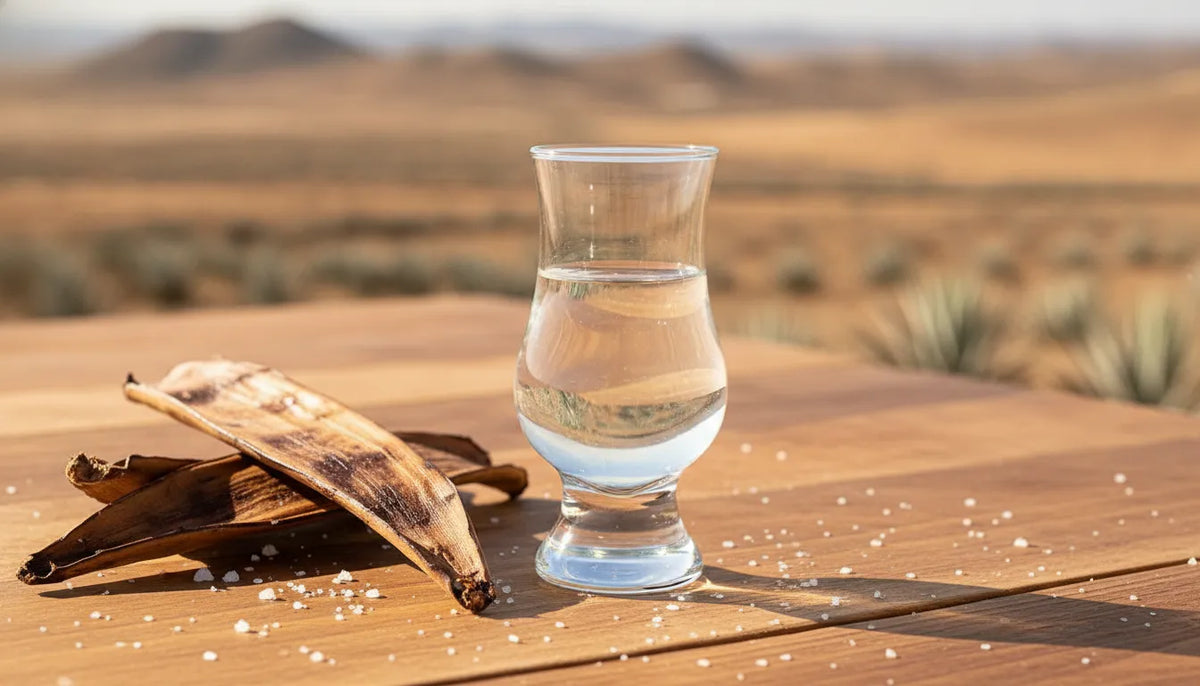
For a first pour, use a small tulip-shaped glass or a copita and let the mezcal rest for a few minutes. Smell before sipping. Take a small taste, then a second one after the spirit warms slightly. If the alcohol feels intense, add one large ice cube rather than several small cubes that dilute the glass quickly.
Which La Luna mezcal should you buy?
- Choose Tequilana for a distinctive, fruit-and-roasted-agave profile built from a tequila-associated agave variety.
- Choose Chino Silvestre for wild Cupreata with bright fruit, pine, mint, anise, and a fresh herbal finish.
- Choose Espadincillo for a lighter, grassy direction with lemon, tropical fruit, and restrained smoke.
- Choose Manso Sahuayo for ripe fruit, green agave, tropical notes, and a more layered savory profile.
- Choose Bruto when you want wild agave character with smoke, leather, earth, and herbs.
- Choose Black Label Ensamble Cupreata for a larger-format ensamble with floral, fruity, tobacco, vanilla, and light smoky notes.
- Choose Ponche Navideno when you want a seasonal, fruit-and-spice expression rather than a classic unflavored mezcal profile.
The best choice is the one whose production and flavor profile match your reason for buying. A collector may want a wild or ensamble bottling that shows regional character. A cocktail drinker may prefer an expression with enough fruit, herbs, or smoke to stay present after citrus and dilution. If you are buying a gift, choose the bottle with the clearest flavor bridge to the recipient's existing preferences.
La Luna expressions, compared
| Expression | Agave and style | Flavor direction | Best starting point |
|---|---|---|---|
| Tequilana | Tequilana, including blue Weber and heritage criollo blue Weber | Cherry, citrus, roasted agave, pepper, cacao | Drinkers who want something familiar and unusual at once |
| Chino Silvestre | Wild Cupreata | Passion fruit, lemon, pine, mint, anise, light smoke | Fans of bright, herbal wild-agave mezcal |
| Espadincillo | Rare Espadincillo | Grass, lemon, tropical fruit, clean smoke | Drinkers who prefer freshness over heavy roast |
| Manso Sahuayo | Manso Sahuayo | Pear, tropical fruit, pineapple, mint, eucalyptus, pepper | Palates that like fruit with savory depth |
| Bruto | Wild agave | Smoke, leather, citrus, earth, herbs | Collectors looking for a powerful wild-agave profile |
| Black Label Ensamble Cupreata | Wild Cupreata ensamble | Flowers, grapefruit, vanilla, tobacco, fruit, light smoke | Drinkers who want an expressive ensamble |
| Ponche Navideno | Espadincillo base with seasonal ponche ingredients | Dried fruit, apple, guava, spice, earth, light smoke | Holiday pours and creative seasonal cocktails |
Use the comparison as a starting point, then open the individual product page for the current bottle size, ABV, tasting notes, shipping eligibility, and availability. Several La Luna pages remain useful even when a specific expression is temporarily sold out, because they preserve the product's search path and may offer a notification option.
How should you taste La Luna mezcal?
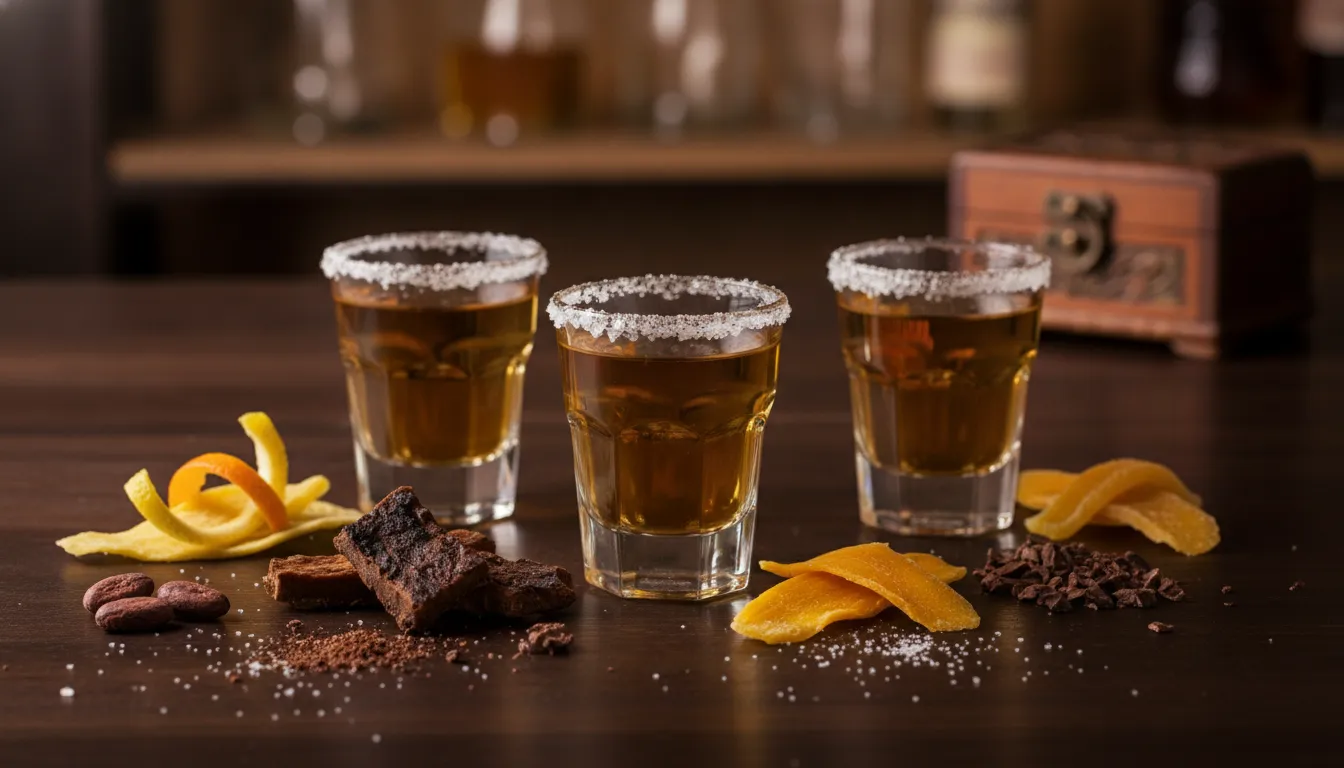
- Start neat: Pour a small amount and let it settle before smelling.
- Separate aroma from alcohol: Look for fruit, flowers, herbs, cooked agave, earth, or smoke before taking a sip.
- Taste in stages: Notice the opening, mid-palate, texture, and finish instead of searching for one perfect note.
- Add time or one large cube: A little air or controlled dilution can reveal softer fruit and herbal tones.
- Try a simple serve: Once you know the neat profile, test the mezcal in a Paloma, Mezcal Negroni, or Oaxaca-style Old Fashioned.
La Luna's brighter expressions can work well in cocktails where citrus and bitterness reinforce their fruit or herbal notes. More structured bottles such as Bruto may be better as a slow neat pour, with a large cube if needed. The seasonal Ponche Navideno is the natural exception: its fruit and spice profile can be enjoyed neat, warmed, or used as the foundation for a festive drink.
Food pairing is just as flexible. Fresh citrus, grilled vegetables, roasted pork, aged cheese, cacao, and fruit-forward desserts can all work, but match intensity first. A delicate expression can disappear next to a very spicy dish, while a smoky, wild-agave pour can hold its own beside char, salt, and roasted flavors.
How does La Luna compare with other mezcal styles?
- Compared with a generic smoky mezcal: La Luna's lineup gives you more expression-level information about agave, place, and production.
- Compared with tequila: La Luna is mezcal, even when an expression uses Tequilana or a blue Weber-related agave. The category and production context are different.
- Compared with Oaxaca-focused bottles: Michoacan is the defining regional lens here, with its own agave sources, vinatas, and family production history.
- Compared with a single-style brand: The collection is designed for exploration, from bright Espadincillo to savory Bruto and fruit-spice Ponche Navideno.
If you are still deciding between agave spirits, Sip Tequila's tequila versus mezcal guide can help with the category-level distinction. For a narrower comparison, the sotol versus mezcal guide explains why a desert spirit made from Dasylirion is not the same thing as an agave mezcal.
Is La Luna mezcal worth buying?
- Yes, if you value regional identity: Michoacan is not just a label detail. The place, agave sources, and production methods shape the collection.
- Yes, if you want a guided range: The expressions make it possible to move from fruit-forward and herbal to wild, smoky, and savory without leaving the producer.
- Check carefully if you need one exact bottle: Inventory and state shipping eligibility vary, so confirm the current product page before planning an event or gift.
Value in La Luna is about the amount of character and traceable production detail you get from the bottle, not simply the highest ABV or the most dramatic smoke. A well-chosen expression can give a collector a clear view of Michoacan agave and traditional mezcal methods, while a cocktail drinker can choose a profile that remains distinct after mixing.
For a first purchase, start with the collection page, read two or three individual tasting descriptions, and choose the expression that matches your palate. If a bottle is unavailable, keep the page bookmarked or use its notification option rather than substituting a random mezcal with a different intent.
See the La Luna expressions and choose your starting bottle
La Luna mezcal FAQ
Where is La Luna mezcal made?
La Luna mezcal is produced in Michoacan, Mexico, with the collection centered around areas including Etucuaro, Indaparapeo, Cotija, and nearby highland communities. The exact location and mezcalero can vary by expression.
What agave is used in La Luna mezcal?
The collection uses several agaves, including wild Cupreata, Espadincillo, Manso Sahuayo, Bruto, and Tequilana. Check the individual product page because the agave and production details are expression-specific.
Is La Luna mezcal smoky?
Some La Luna expressions are noticeably smoky, especially those with a deeper roasted or wild-agave profile. Others lead with citrus, fruit, herbs, flowers, or green agave, so the collection is not defined by smoke alone.
How should La Luna mezcal be served?
Start neat in a small tasting glass. If the alcohol feels intense, give it a few minutes of air or add one large ice cube. Bright expressions can work in a Paloma or Mezcal Negroni, while more complex bottles are often best explored slowly.
Can I buy La Luna mezcal online?
Yes. Sip Tequila carries a La Luna collection online, but inventory and legal shipping eligibility can change by expression and destination. Check the live product page for current availability, bottle details, and shipping information.
Shop La Luna mezcal at Sip Tequila.