






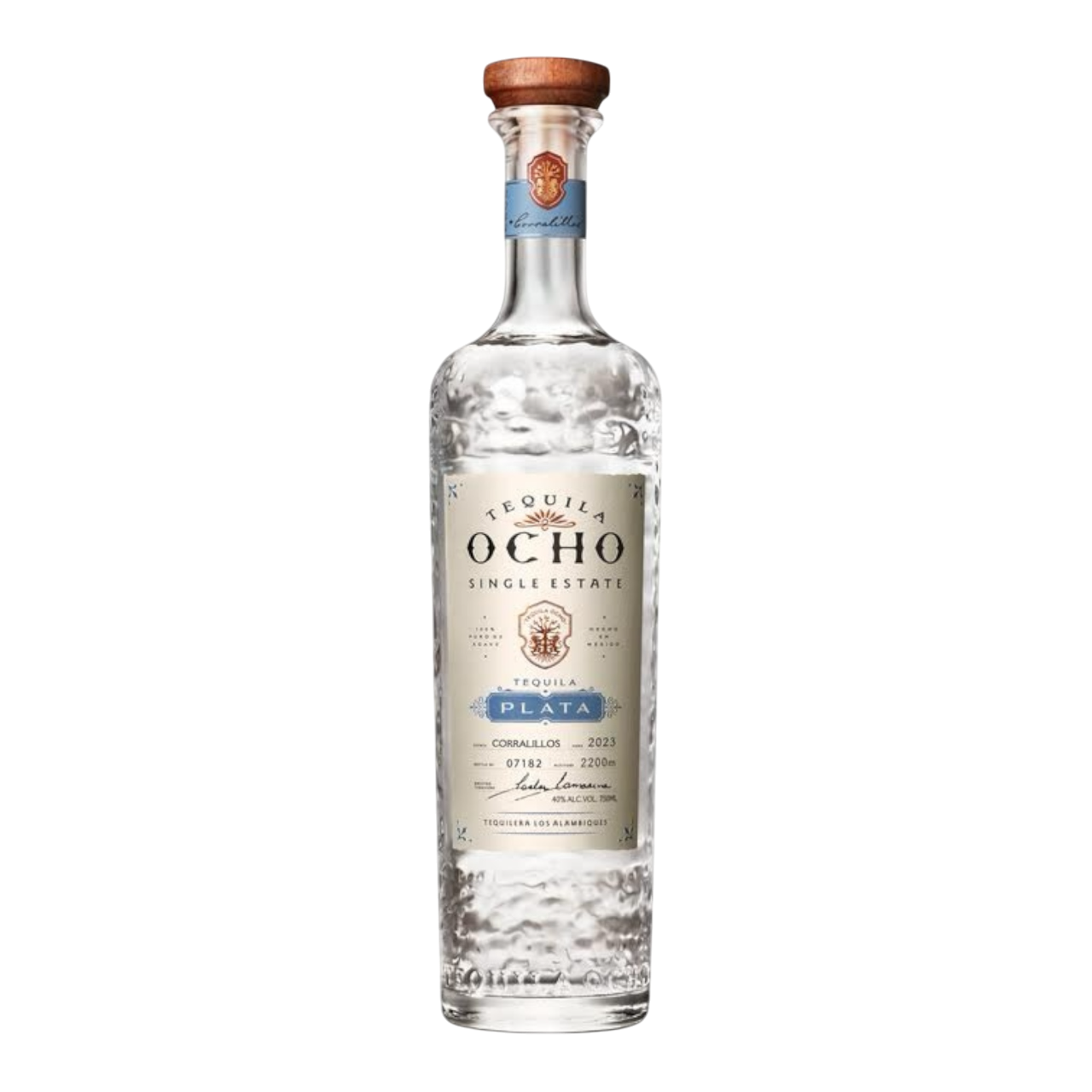
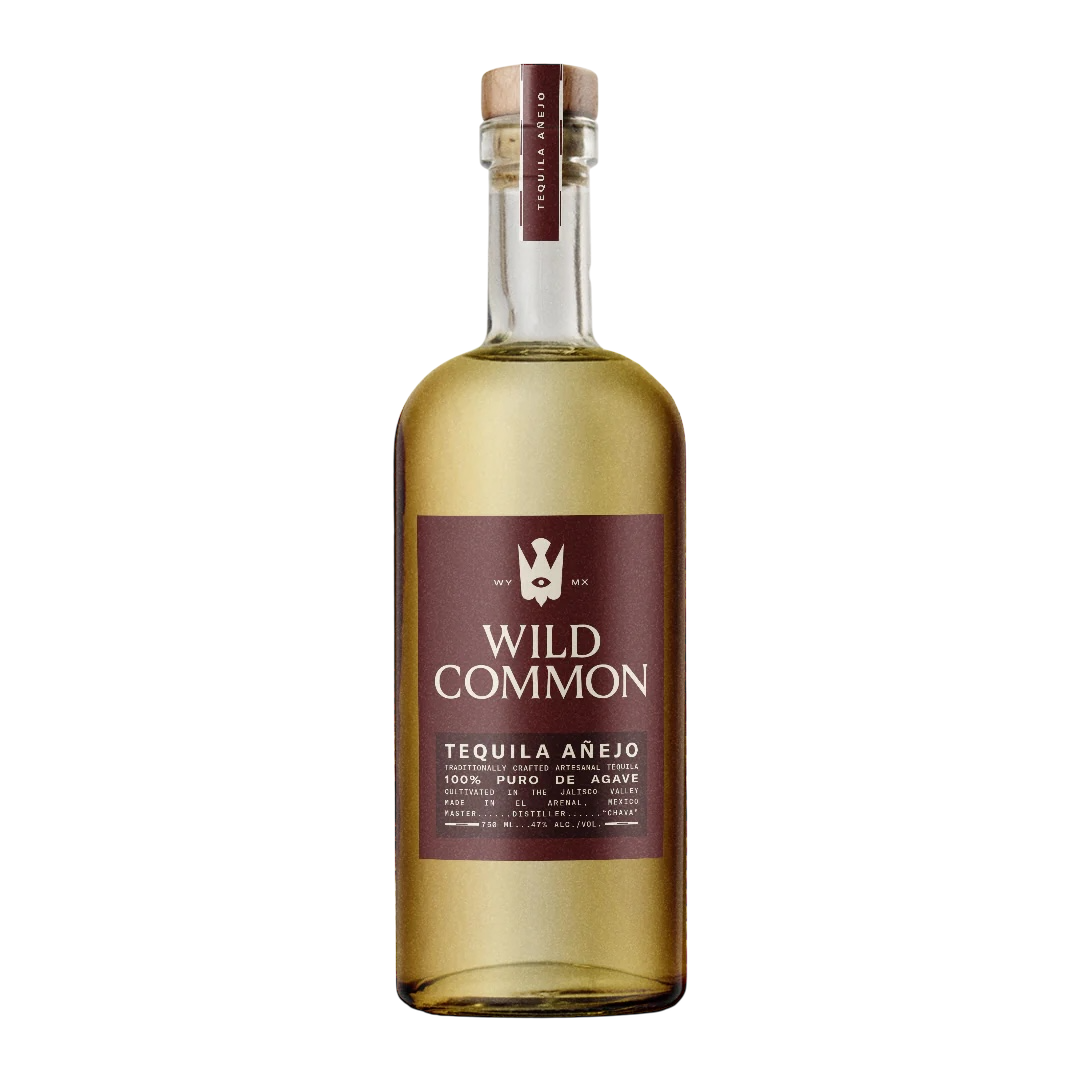
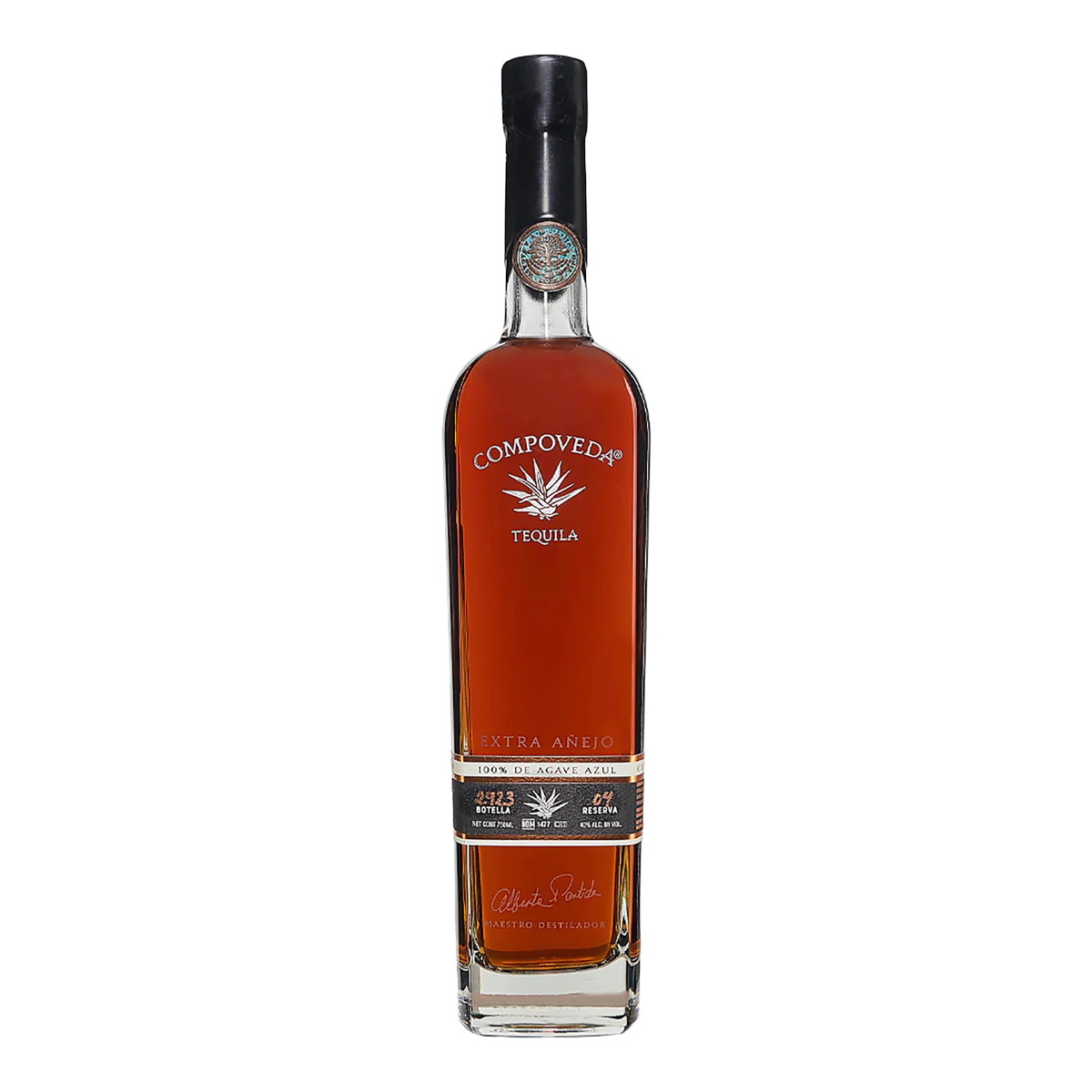






Choosing Lost Lore tequila starts with the details on the bottle, not the story on the front label. Confirm the expression, proof, volume, producer information, and price; then decide whether that profile suits the way you plan to drink it. That simple order helps you compare a bottle on its merits and avoid paying for a name or presentation that does not fit your taste.
Explore distinctive tequila selections
What should you verify about Lost Lore tequila before buying?
A name alone does not tell you how a tequila was made or what it will taste like. Use the product listing and bottle label as your source of truth. If a detail is missing, treat it as unknown rather than filling in the gap with assumptions.
- Expression: Check whether the bottle is labeled blanco, reposado, anejo, or another expression. Age category changes what you should compare.
- Proof and volume: Compare the alcohol percentage and bottle size before judging price. A larger bottle or higher proof can make simple shelf-price comparisons misleading.
- Producer details: Look for the named producer and any production identifiers shown in the listing. Do not assume that two labels with a similar style or story share a producer.
- Stated tasting notes: Separate listed notes from your own expectations. Notes describe an intended profile; they are not a guarantee that every palate will read it the same way.
- Price and availability: Confirm the current listing price, format, and stock status at the time you shop. These can change.
For a useful reference point, browse a few different styles rather than comparing Lost Lore only with another premium bottle. The Tequila 101 selection can help you orient yourself to the category, while a focused blanco collection gives you a way to compare unaged expressions if that is what the listing identifies. The name or packaging should not substitute for confirming the expression.
What does Lost Lore publish about its expressions?
Lost Lore's official product descriptions identify three expressions: blanco, reposado, and anejo. They describe each as 100% agave at 40% ABV, or 80 proof, using Tequilana Weber agave from Los Altos in Jalisco, and list no additives. These are brand-published details, so confirm the exact listing and bottle before treating them as current retail facts.
The published profiles also give you a useful collection decision. The blanco is described with cooked agave, citrus, and black pepper. The reposado adds oak, while the anejo profile points to cooked agave, cinnamon, vanilla, and oak. The reposado and anejo descriptions list aging in used American white oak whiskey barrels. Choose by the profile you want to add, not only by the Lost Lore name.
- Choose blanco if cooked agave, citrus, and pepper sound like the gap in your current shelf.
- Choose reposado if you want those agave notes with a published oak influence.
- Choose anejo if you are looking for the brand's listed cinnamon, vanilla, and oak profile.
- Compare before adding if you already own several oak-forward bottles. A distinct profile gives a collection more range than another bottle that fills the same role.
How do you compare expressions without guessing?
Start by matching like with like. A blanco is not a fair direct comparison for an aged expression if what you want to know is whether Lost Lore offers value against similarly aged bottles. Once the expression is confirmed, compare bottles in that same category, and then consider how you will serve them.
| What you are comparing | What to check | Why it matters |
|---|---|---|
| Expression | The exact expression shown on the listing | Helps you compare with bottles made for a similar drinking occasion. |
| Format | Volume and alcohol percentage | Provides a fairer basis for comparing price and expected pours. |
| Profile | Published tasting notes, if available | Lets you assess whether the described style sounds appealing to you. |
| Production information | Producer and other label details | Gives you facts to use when checking the product description and comparing bottles. |
| Value | Price for the same volume and expression | Keeps packaging, bottle size, and category from distorting the comparison. |
| Use | Sipping, tasting with friends, or mixing | A bottle's best fit depends on how you actually plan to enjoy it. |
For example, if the listing describes an aged expression, compare its price and details with other aged bottles, not with a blanco chosen for a different purpose. You can browse the reposado collection or anejo collection as relevant comparison sets once you have confirmed which category applies. Those links are shopping references, not a claim that Lost Lore belongs to either category.
What can the expression tell you about how to enjoy it?
Expression offers a useful starting point for serving, but it does not tell the whole story. A blanco is often chosen when a drinker wants to focus on a spirit's fresher, less-oak-influenced character. Reposado and anejo expressions spend time aging in wood, which can contribute additional aromas and flavors. The particular result depends on the product, so read the listing and taste for yourself rather than assuming every bottle in a category tastes alike.
- If it is blanco: Try a small neat pour first. If you enjoy cocktails, a blanco can also be a practical choice for drinks where you want the spirit to remain present.
- If it is reposado: Taste it neat before deciding whether its profile also suits a cocktail. Compare it with other reposados on the same terms.
- If it is anejo or older: Begin with a neat pour at a comfortable pace. Give the aroma and finish time to develop before adding anything.
- If the listing uses another term: Confirm what that term means in the actual product description. Do not map an unfamiliar label onto an expression you already know without evidence.
Use a clean tasting glass and a modest pour. Smell gently, take a small sip, and notice the first impression, texture, and finish. A few drops of water can be a useful experiment if the alcohol feels sharp, but change one thing at a time. Avoid scoring the bottle against someone else's palate; the relevant question is whether you enjoy it at its price.
How should you taste a bottle before deciding if it belongs in your collection?
A thoughtful first tasting can turn vague impressions into a practical buying decision. You do not need elaborate equipment. A clear glass, a quiet few minutes, and a way to record what you notice are enough.
- Read before pouring. Note the expression, proof, volume, and the product's stated profile. This keeps expectation separate from what you actually taste.
- Smell without rushing. Take a gentle first sniff, then return after a short pause. Look for broad impressions such as fruit, spice, herbs, sweetness, or wood; there is no required vocabulary.
- Taste a small sip. Notice whether the texture feels light, rounded, or rich, and whether the alcohol is integrated for your preference.
- Track the finish. Ask whether the flavors fade quickly or linger, and whether the finish makes you want another sip.
- Try a second context only if useful. If you are choosing a cocktail bottle, taste it in the drink you plan to make. A neat tasting and a mixed drink answer different questions.
Keep notes specific and personal: "bright citrus, dry finish, works well neat" is more useful to your future self than "good tequila." If you are choosing something to share, invite others to taste without telling them what they should detect. Different impressions are normal.
Want a guided way to compare several pours? Take a look at tequila tasting kits and sampler sets. A side-by-side tasting can make differences in expression and profile easier to notice, especially when you use similar glassware and pour sizes.
Is Lost Lore tequila the right bottle for your collection?
Think about the job you want this bottle to do. A collection can include a dependable bottle for casual pours, an expression you bring out for a particular meal, and a distinctive bottle for a deliberate tasting. The best purchase is not automatically the rarest or most expensive one; it is the one whose verified details, flavor profile, and cost make sense to you.
- For a first bottle from the label: Favor clear product information and a price you are comfortable spending before you know your own reaction.
- For a known favorite expression: Check that the listing matches the category you already enjoy, then compare its details and price with similar bottles.
- For a gift: Consider what the recipient likes to drink. If you do not know, a broadly approachable profile and clear presentation may matter more than an obscure production claim.
- For a display-focused collection: Bottle design can be part of the appeal, but decide how much of the price you are willing to assign to presentation.
- For a bottle you plan to open: Prioritize the drinking occasion and profile over resale speculation. Buy it because you expect to enjoy it.
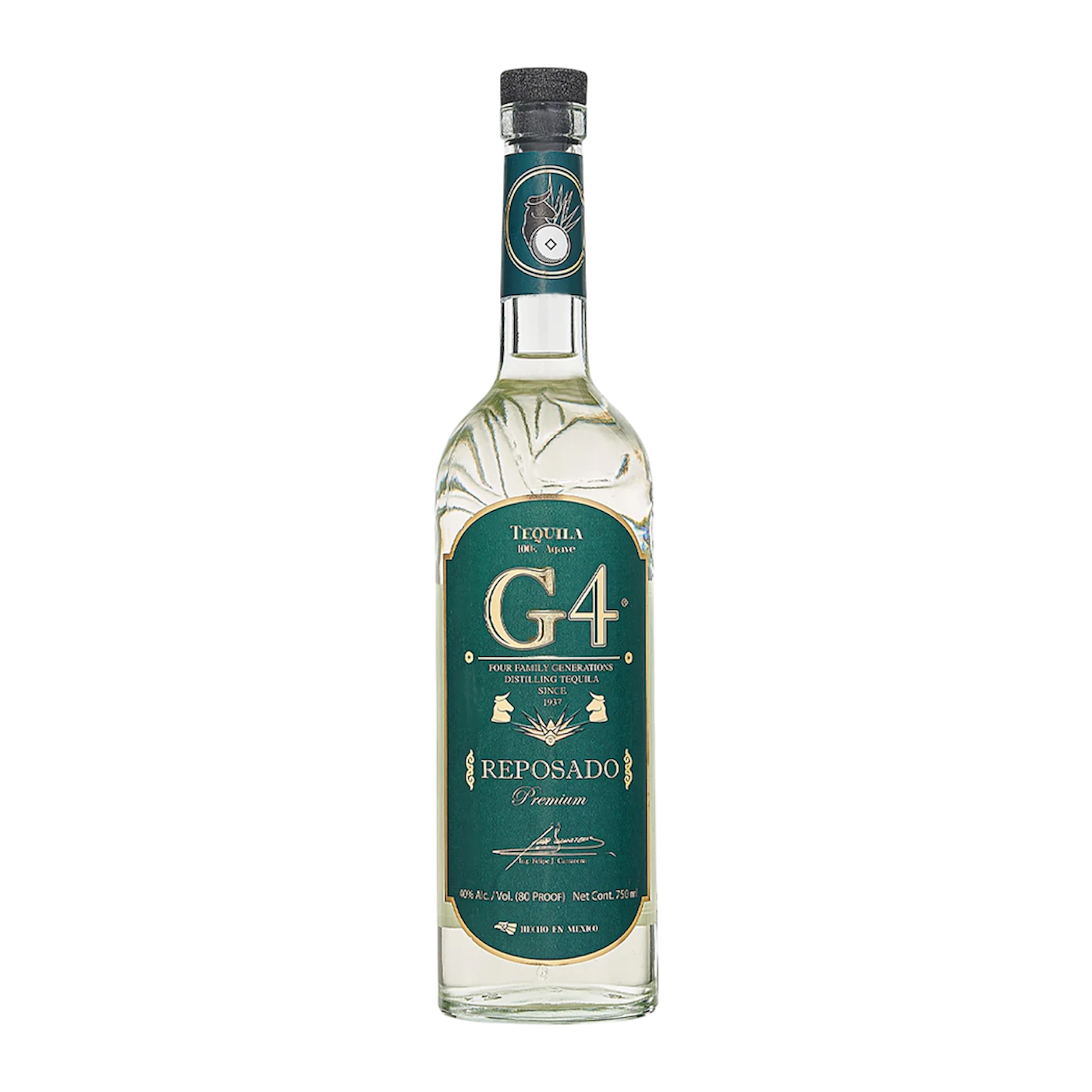
It can also help to compare with bottles outside the same brand. For example, review the listing for G4 Anejo or Penta Anejo as examples of product pages in an aged category, if Lost Lore's confirmed expression makes that comparison relevant. These are not substitutes for checking Lost Lore's own details; use them to see what information you want from any listing.
How do you judge price and value without overreading the label?
Value is personal, but you can make the comparison concrete. Start with the current price and bottle volume, then compare the same expression at a similar size. Consider what you will use the bottle for and how often you expect to open it. A bottle for occasional, focused sipping may meet a different need from one you plan to pour at a gathering or use in mixed drinks.
Then separate the parts of the offer:
- The liquid: Does the listed expression and described profile appeal to you?
- The format: Does the size suit how quickly you will use it?
- The presentation: Are you paying extra for a design or gift-ready appearance that matters to you?
- The information: Is the listing clear enough for you to understand what you are buying?
Those questions help you decide what matters before the bottle arrives. They also stop the word "premium" from doing all the work. Marketing language can set a mood, but it cannot tell you whether you will like the aroma, texture, or finish. Look for factual detail, not just adjectives. If the description makes a production or aging claim, check that the same point is clearly stated for the exact expression you are considering.
There is no universal price that makes a tequila worthwhile. Your own reference point might be a bottle you already enjoy, a limit for an exploratory purchase, or what you would spend on a gift. Write down that reference before browsing. If Lost Lore is notably more expensive than comparable bottles, ask what specific feature justifies the difference for you. If you cannot name one, it may be sensible to compare further rather than letting urgency or packaging decide.
A quick side-by-side comparison
If you have two or three bottles in mind, make a small comparison note rather than relying on memory. Record the expression, volume, proof, price, and the listing's key flavor descriptions. Add one line for the occasion you have in mind. This is enough to reveal when one bottle looks more appealing only because it has a striking name or a lower shelf price.
For example, imagine the Lost Lore listing is an aged expression, but the other bottle you are considering is blanco. You can still compare their overall fit for your budget, but their different expressions make them poor stand-ins for each other in a direct value test. Find another bottle in the same expression for a cleaner comparison. If the Lost Lore listing does not clearly identify the expression, pause there and seek clarification; you cannot make a fair category comparison yet.
Use a short scorecard if you like, but do not let a numerical rating create false precision. Mark each point as "clear," "unclear," or "not important to me":
- I understand exactly which expression is listed.
- The stated profile sounds appealing, even allowing for individual taste.
- The size and proof are appropriate for my intended use.
- The producer and product details answer the questions I care about.
- The price feels reasonable compared with similar bottles I would actually buy.
Several "unclear" answers are a reason to gather more information, not proof that the bottle is poor. Likewise, a bottle with every detail on the page may still not be your style. The point is to make a decision that you can explain: "I chose it because I like this expression, the described profile fits my plans, and the price works for me." That is a better basis for a collection than chasing a claim you cannot verify.
What should you check on the product page?
Before you add a bottle to your cart, take a final pass through the listing. A complete page should let you understand what you are buying without relying on guesses. If the description is short, contact the retailer for clarification before making a premium purchase.
- Is the expression stated clearly?
- Are volume and alcohol percentage provided?
- Does the description identify the producer and explain any unusual product terminology?
- Are tasting notes presented as guidance rather than as a promise of your personal experience?
- Does the price make sense against bottles in the same expression and format?
- Are shipping availability and any applicable purchase restrictions clear for your location?
For general category and labeling context, the Consejo Regulador del Tequila is a relevant industry reference. Use the actual bottle and current product listing for the details of the specific Lost Lore tequila you are considering.
What is a sensible buying plan for a new-to-you label?
When you have not tasted a label before, make the first purchase an informed introduction rather than a bet on an assumption. First, identify the exact Lost Lore bottle you are considering. Confirm the expression and format in the current listing. Next, decide where the bottle will fit: an at-home tasting, a gift, a special occasion, or a cocktail. Then set a price limit that feels comfortable even if the flavor turns out not to be your favorite.
Now check whether the page gives enough detail to support that choice. If it does, compare one or two alternatives in the same expression. If it does not, ask a specific question, such as "What expression is this bottle?" or "What volume and alcohol percentage does this listing refer to?" A precise question is more likely to resolve uncertainty than a broad request for a recommendation.
When the bottle arrives, keep the first tasting simple. Pour a modest amount, taste it neat, and write down your own impression before revisiting the listing's notes. If it appeals to you, decide whether it deserves a repeat place in your cabinet or collection. If it does not, the notes still help you identify the styles you prefer next time. This low-pressure approach makes a new purchase useful either way: you enjoy the bottle, or you learn something concrete about your palate.
Browse additive-free tequila selections for your collection
Frequently Asked Questions
What is Lost Lore tequila?
Lost Lore is the name to search for, but the name alone does not establish a particular expression, producer, aging process, or flavor profile. Verify those details in the specific bottle listing before deciding whether it suits you.
Which Lost Lore tequila expression should I buy?
Choose based on the expression you enjoy and the occasion. First confirm which expressions are actually listed, then compare bottles in the same category by price, volume, proof, and available product information.
Is Lost Lore tequila good for sipping?
Whether a bottle is enjoyable neat comes down to its verified profile and your taste. Start with a small neat pour, note the aroma and finish, and compare the experience with the product's stated tasting notes.
How do I know if Lost Lore tequila is worth the price?
Compare it with bottles of the same expression and similar volume, and assess how much you value its described profile and presentation. A higher price by itself does not tell you whether it is a better fit for your palate.
Can I use Lost Lore tequila in cocktails?
That depends on the expression and the drink. Consider how strongly the recipe features tequila, then test a small pour in the cocktail before committing a full bottle to that use.
Ready to choose Lost Lore tequila?
Check the product details first, compare like with like, and choose the bottle that fits your taste, budget, and plans for enjoying it.
Browse additive-free tequila selections for your collection


