






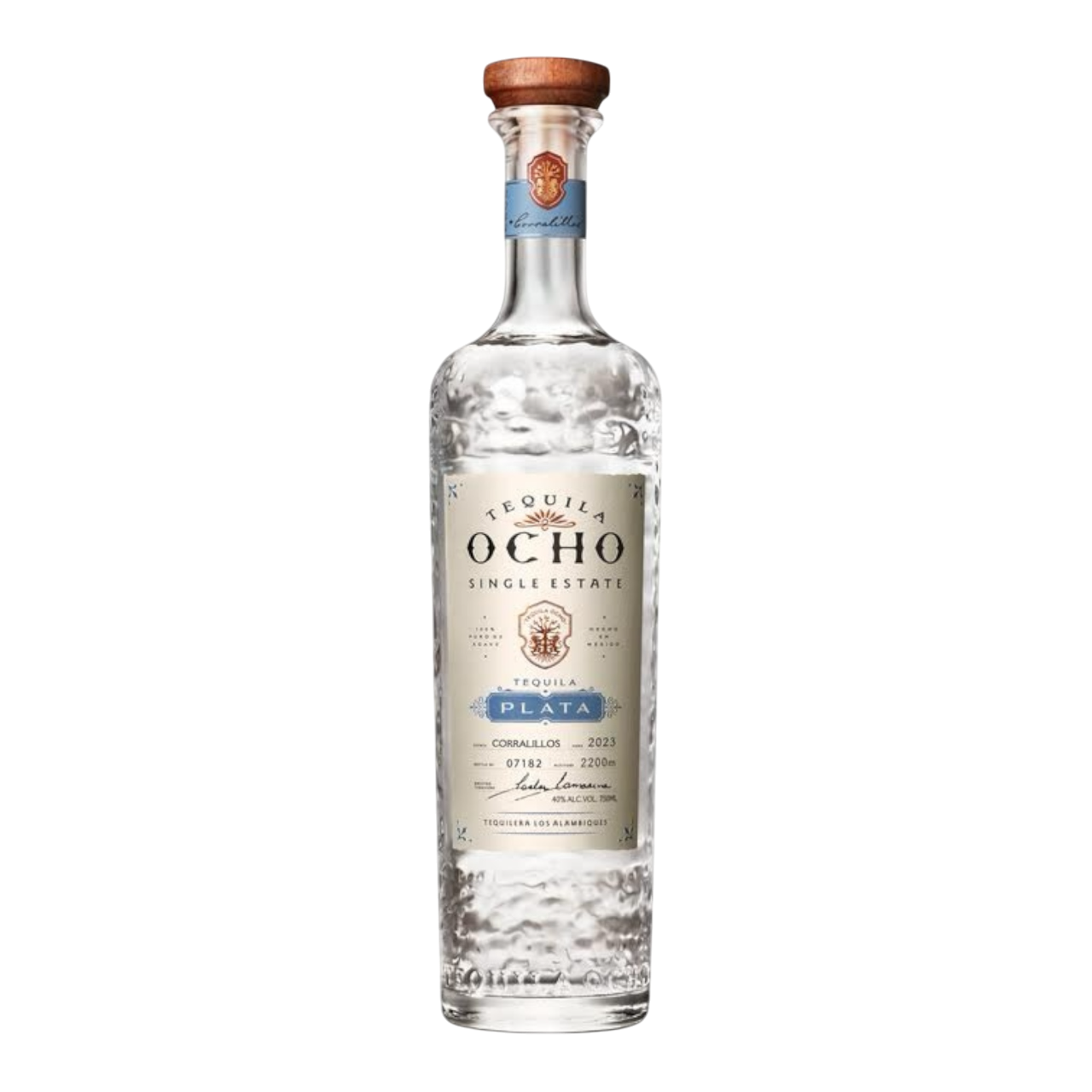
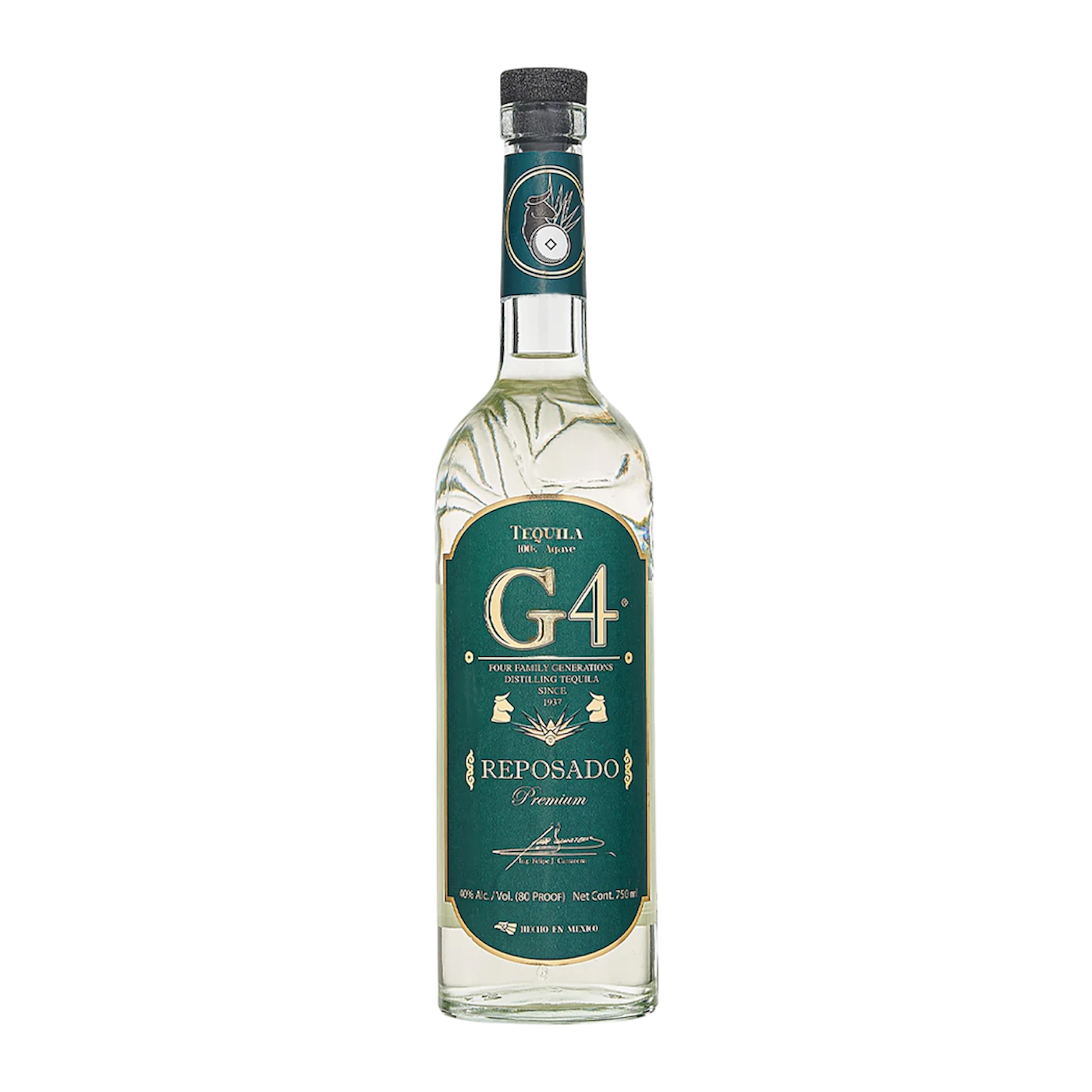
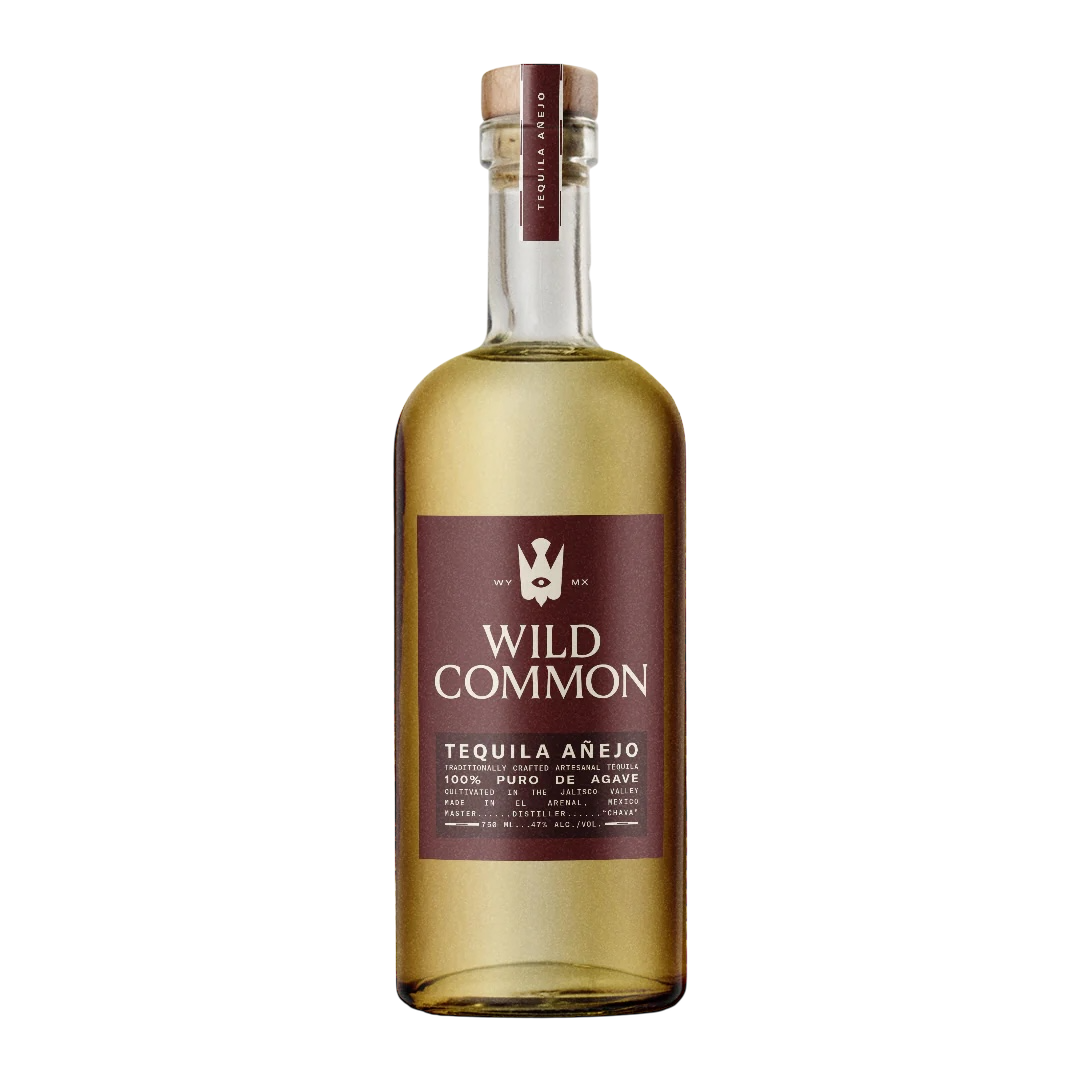
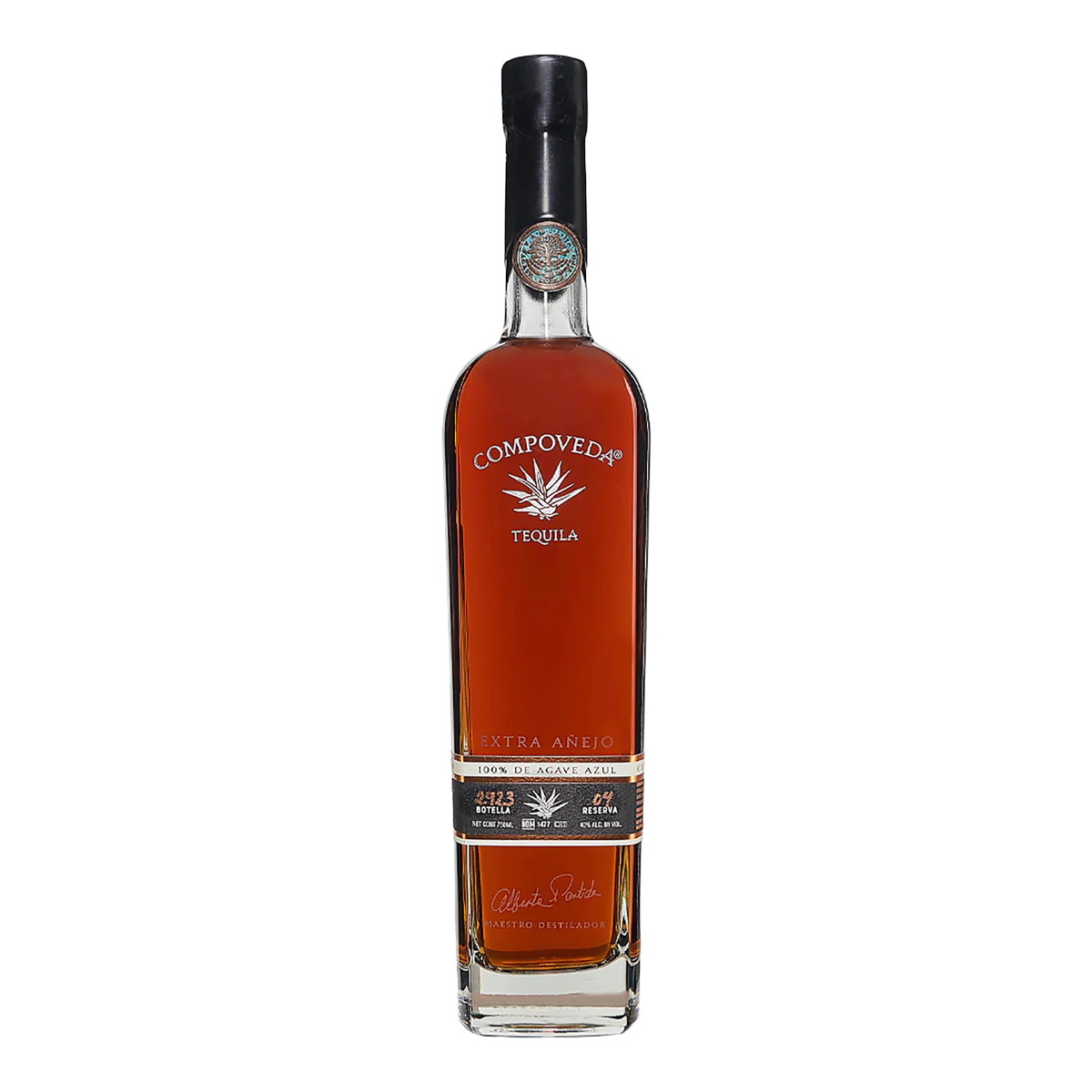





Choosing a premium tequila gets easier when you look past the bottle design. Start with the questions that reveal what is in the glass: where the spirit is made, which expression fits your palate, and how oak shapes it. Then check whether the producer gives you enough detail to evaluate the bottle confidently.
Browse the Cava de Oro tequila selection
Cava de Oro tequila is a tequila brand associated with Arenal in the Valley of Tequila, with expressions identified by Sip Tequila under NOM 1477. Its range gives buyers a way to compare fresh agave character with the deeper color, texture, and oak influence of matured styles.
This guide separates verified brand information from general tequila education, then gives you a practical way to assess aroma, palate, finish, production transparency, and intended use. That starts with the brand's origin and the details behind its name.
What Is Cava de Oro Tequila?
Cava de Oro tequila is a tequila brand associated with Arenal, a small town in the Valley of Tequila. For shoppers, that makes it more useful to think of Cava de Oro as a family and producer story expressed through multiple bottles rather than as one single flavor profile. The brand's range gives you different ways to explore the character of tequila while keeping the focus on its stated regional roots and production identity.
Sip Tequila's collection information identifies NOM 1477 with Cava de Oro's expressions. A NOM, or Norma Oficial Mexicana distillery number, is a useful piece of label information because it helps connect a tequila to the authorized producer associated with that number. It is not a tasting note or a quality score, but it gives you a practical starting point when researching a bottle.
The brand is also connected to the Partida family. According to Sip Tequila's live Cava de Oro collection page, the family has grown agave in the Tequila region for more than six generations. That family context adds depth to the brand overview without requiring you to treat heritage alone as proof that one expression will suit your palate. The bottle, expression, and your own tasting preferences still matter.
The short version
- Region: Cava de Oro comes from Arenal in the Valley of Tequila.
- Producer reference: The brand's expressions are identified on Sip Tequila with NOM 1477.
- Family context: The Partida family is described as having more than six generations of agave-growing experience in the Tequila region.
- How to shop: Compare expressions and bottle details rather than assuming the brand has one uniform taste.
Those basics are distinct from the role of a product or collection page. If you're ready to see the current range, you can browse the Cava de Oro selection. For education, the rest of this guide focuses on how to understand the brand, compare its expressions, and evaluate a bottle before you buy.
Who Makes Cava de Oro and Where Is It Produced?
Cava de Oro comes from Arenal, a small town in the Valley of Tequila. Sip Tequila identifies NOM 1477 with the brand's expressions, giving shoppers a useful production reference when they read a bottle label or compare tequila brands. The collection page also connects Cava de Oro with the Partida family, which has grown agave in the Tequila region for more than six generations. Those are brand-specific details. They describe Cava de Oro's stated origin and family agave-growing history, not every step used to make every expression.
For broader context, federal regulations define tequila as an agave spirit distinctive to Mexico and require it to be made in Mexico under the applicable Mexican laws and regulations. You can review that definition in the eCFR standard for tequila and agave spirits. General tequila production starts with blue agave, or Agave tequilana Weber. Producers harvest the heart, called the pina, by removing the leaves. The pinas are cooked, ground to extract juice, fermented with yeast, and distilled. Maturation may follow distillation, depending on the expression.
That sequence explains tequila generally. It does not, by itself, verify Cava de Oro's exact oven, milling, fermentation, distillation, or maturation methods. For a plain-language overview of the process, see Sip Tequila's guide to how tequila is made, then use the bottle label and product details to evaluate a specific expression.
- Brand origin: Arenal, in the Valley of Tequila.
- Production reference: NOM 1477 is associated with Cava de Oro on Sip Tequila's collection page.
- Family context: The Partida family is described as having more than six generations of agave-growing history in the region.
- General process: Blue agave is harvested, cooked, extracted, fermented, and distilled, with maturation where applicable.
What Does Cava de Oro Tequila Taste Like?
Cava de Oro does not have one fixed flavor profile across the range. The experience changes with the expression, the amount of wood influence, and the way each bottle is presented. A useful tasting starts with the agave character, then moves through aroma, palate, texture, oak, sweetness, and finish rather than treating color as a shortcut for flavor.
Begin with the aroma. The Black Edition is described with fruity aromas and toasted oak notes, while more lightly matured expressions can let the underlying spirit show more clearly. On the palate, look for the balance between cooked-agave character and barrel influence. A reposado description identifies a medium body and silky texture, which gives you a practical reference for how a rested expression may feel in the mouth. Those descriptors should not be applied automatically to every Cava de Oro bottle.
Texture is especially useful when comparing expressions. Notice whether the tequila feels light, rounded, silky, or rich, and whether that sensation changes after you swallow. Oak can add warmth and depth, but it should remain part of the tasting picture rather than replacing the agave. Older or more heavily matured expressions may show more pronounced wood and richness. The Black Edition, for example, is described as having depth of flavor and richness alongside its toasted oak notes.
Sweetness deserves careful attention. A soft or rounded impression is not proof of added sweetener, and a darker color is not proof of a richer or better tequila. Taste for natural-seeming cooked-agave notes, fruit, oak, and the overall balance. The finish is the final test: note how long the flavor stays, whether oak or agave leads, and whether the warmth feels integrated or sharp.
For a structured approach, follow Sip Tequila's guide on how to taste tequila, then compare expressions side by side when possible.
- Aroma: Look for fruit, agave, and expression-specific oak notes.
- Palate: Separate cooked-agave character from barrel influence.
- Texture: Notice body, silkiness, warmth, and richness.
- Finish: Track which flavors remain and how the warmth develops.
How Do Cava de Oro Expressions Compare?
The Cava de Oro range spans clear, oak-rested, and deeply matured styles. So the right bottle depends less on a simple quality ladder than on the kind of tequila you want to drink. Plata keeps the agave profile in focus. Reposado and Anejo add progressively more barrel character, while Extra Anejo leans toward a slow, contemplative pour. Cristalino offers a different presentation: a matured expression whose clear appearance can make it appealing to drinkers who want polished oak influence without the visual cue of a darker spirit.
Use the table as a starting point, then review the live product details before buying. Aging and tasting descriptions can vary by specific release. So treat the oak notes below as a practical style guide rather than a promise of one universal flavor profile.
Cava de Oro expression comparison| Expression | Likely role | Likely oak influence | Buyer fit |
|---|---|---|---|
| Cava de Oro Plata | Agave-forward sipping, cocktails, or a clean baseline for tasting. | Little to none; the profile should emphasize fresh spirit character. | Buyers who want to start with the least oak-shaped expression. |
| Cava de Oro Reposado | A flexible pour for sipping or spirit-forward cocktails. | Moderate; resting in wood can add softness, color, and gentle vanilla or spice impressions. | Drinkers who want agave presence with a rounder texture. |
| Cava de Oro Anejo | Slow sipping after dinner. | More noticeable, with oak, baking spice, and richer texture likely to share the stage with agave. | Buyers who prefer a mature, fuller expression. |
| Cava de Oro Extra Anejo | Unhurried sipping and collection-focused occasions. | Pronounced; extended maturation can bring deeper oak and dessert-spice impressions. | Experienced drinkers looking for the most oak-influenced option in this comparison. |
| Cristalino | A polished sipping style for drinkers drawn to clarity and refinement. | Matured character may remain while the spirit presents clear in the glass. | Buyers curious about a modern expression that bridges visual freshness and aged character. |
For a practical shortlist, remember:
- Choose Plata when agave clarity matters most.
- Choose Reposado for a middle ground between freshness and oak.
- Choose Anejo or Extra Anejo when texture and barrel depth are central to the experience.
- Choose Cristalino when you want to explore matured character through a clear presentation.
You can browse the Cava de Oro selection to compare the currently listed bottles and confirm each expression's details.
How Should You Choose a Cava de Oro Bottle?
Choosing a bottle is easier when you separate style from presentation. Start with how you expect to drink it, then use the label and available production information to narrow the field. This approach helps you evaluate cava de oro tequila on your own palate rather than relying on color, packaging, or broad claims.
- Choose the expression first. Decide whether you want an unaged style that keeps the focus on agave, or a barrel-influenced expression with more oak and rounded texture. Sip Tequila's guide to the main tequila types explains the category differences. You can then compare the live pages for Cava de Oro Plata, Cava de Oro Reposado, Cava de Oro Anejo, or Cava de Oro Extra Anejo.
- Decide what you want to taste. Look for the balance you enjoy: fresh agave and pepper, a softer mouthfeel, or noticeable oak, dried fruit, and baking-spice character. Do not assume a darker color means a better match. If possible, taste with a clean glass and consider aroma, entry, texture, and finish using how to taste tequila as a reference.
- Check production details. Read the bottle and product information for the NOM, expression name, and any stated maturation or production details. Sip Tequila identifies NOM 1477 with Cava de Oro expressions and places the brand in Arenal, in the Valley of Tequila. For a practical way to investigate the distillery identifier, learn to read a tequila NOM label. Keep verified details separate from assumptions about additives or craftsmanship.
- Match the bottle to the occasion. A bright, agave-led profile may suit cocktails or a refreshing pour, while a more oak-shaped expression may reward slow sipping. If the bottle is a gift, consider the recipient's usual preference rather than choosing by the most elaborate-looking presentation.
- Review the live selection last. Browse the Cava de Oro selection after you know your preferred expression and use. Product pages provide the current details for each listed bottle. So rely on those pages for the selection shown at the time you shop, rather than assuming every expression is always available.
As a quick checklist, look for:
- An expression that fits your preferred agave-to-oak balance.
- Tasting notes that match how you plan to serve it.
- Clear production information, including the NOM where provided.
- A live product page with details you can verify before ordering.
Is Cava de Oro Tequila Additive Free?
The careful answer is that additive-free status should be verified expression by expression. A brand name, clear or amber color, sweet aroma, smooth finish, or premium positioning does not prove that a tequila contains no added coloring, flavoring, sweetener, or other permitted adjustment. It also does not prove the existence of a certification. For Cava de Oro, evaluate the specific bottle and the production information available for that expression rather than applying a blanket claim to the entire range.
This distinction matters because the legal category is broader than many shoppers realize. The federal agave-spirit regulation states that agave spirits may contain added flavoring or coloring materials as authorized by the applicable rule. That provision explains why a general statement about agave spirits cannot answer whether a particular Cava de Oro tequila is additive free. It is useful regulatory context, not an accusation about Cava de Oro or any of its products.
When comparing a bottle, start with its exact expression and label details. Look for clear information about the producer, NOM, category, and any stated additions. Then consider whether the color and flavor profile make sense alongside the expression's production and maturation details. A rich sweetness or darker hue may come from several factors, including barrel influence, but sensory impressions alone cannot establish an additive-free claim.
- Check the expression: do not assume one bottle represents every Cava de Oro tequila.
- Read the label: use the NOM and producer information as part of your verification.
- Separate evidence from inference: color, sweetness, and price are not certification.
For a deeper explanation of the terminology, read what additive-free tequila means and learn how to read a tequila NOM label. These guides can help you ask better questions without overstating what has been verified.
Browse the Cava de Oro collection
Frequently Asked Questions
Is Cava de Oro tequila good tequila?
It can be a strong choice if its expression and flavor profile match what you enjoy. Evaluate the bottle by agave character, aroma, texture, oak influence, finish, and production transparency rather than relying on prestige or price alone. Start with the expression that fits how you plan to drink it, then taste it on its own before deciding whether it delivers the balance you want.
Who makes Cava de Oro tequila?
Cava de Oro is associated with the Partida family, which Sip Tequila says has grown agave in the Tequila region for more than six generations. The collection identifies Arenal, in the Valley of Tequila, as its production location and lists NOM 1477 for its expressions. Verify the details on the specific bottle and product page before comparing expressions.
What does Cava de Oro tequila taste like?
The answer depends on the expression. A younger tequila generally gives you a clearer view of cooked agave, while time in oak can add wood, spice, vanilla, and a rounder texture. Taste for aroma first, then sweetness, body, oak balance, and the length and character of the finish. That approach is more useful than treating the brand as one fixed flavor profile.
How much does Cava de Oro tequila cost?
Prices can change by expression, bottle size, availability, and retailer, so check the current listing rather than relying on an old guide or a broad brand estimate. Compare like with like, and do not assume a higher price automatically means a better match for your palate. The live Cava de Oro selection is the best place to review current options.
Is Cava de Oro tequila additive free?
Do not infer additive-free status from color, sweetness, or price. Additive claims should be verified for the specific expression, and the general agave-spirit rules allow certain added flavoring or coloring materials under the regulations. See the bottle and product details, then use a precise, expression-specific claim rather than assuming the entire range has one status.
Ready to Explore Cava de Oro Tequila?
Choosing between expressions is easier when you can compare the range and match each bottle to your preferred agave character, oak influence, and serving style.


