

There is a worm in some mezcal bottles because producers began adding an agave moth larva in the mid-20th century to make their products stand out. The mezcal worm is not an ancient requirement, a quality test, or a hallucinogen. It is a marketing tradition connected to a real Oaxacan food ingredient, and most premium artisanal mezcals do not include one.
Explore Sip Tequila's curated mezcal and other spirits collection to discover bottles chosen for their agave, origin, and craftsmanship rather than a gimmick.
The creature at the bottom of the bottle has inspired dares, legends, and plenty of confusion. Its real story is more interesting than the myths. It connects agave ecology, Oaxacan cuisine, export-era branding, and the important distinction between mezcal and tequila.
What is the mezcal worm?
The mezcal worm is a moth larva that feeds on agave plants. It is commonly called gusano de maguey, or agave worm, but it is not a true worm. A 2023 DNA analysis of larvae from commercial bottles found that they belonged to one species, Comadia redtenbacheri, commonly known as the agave redworm moth.
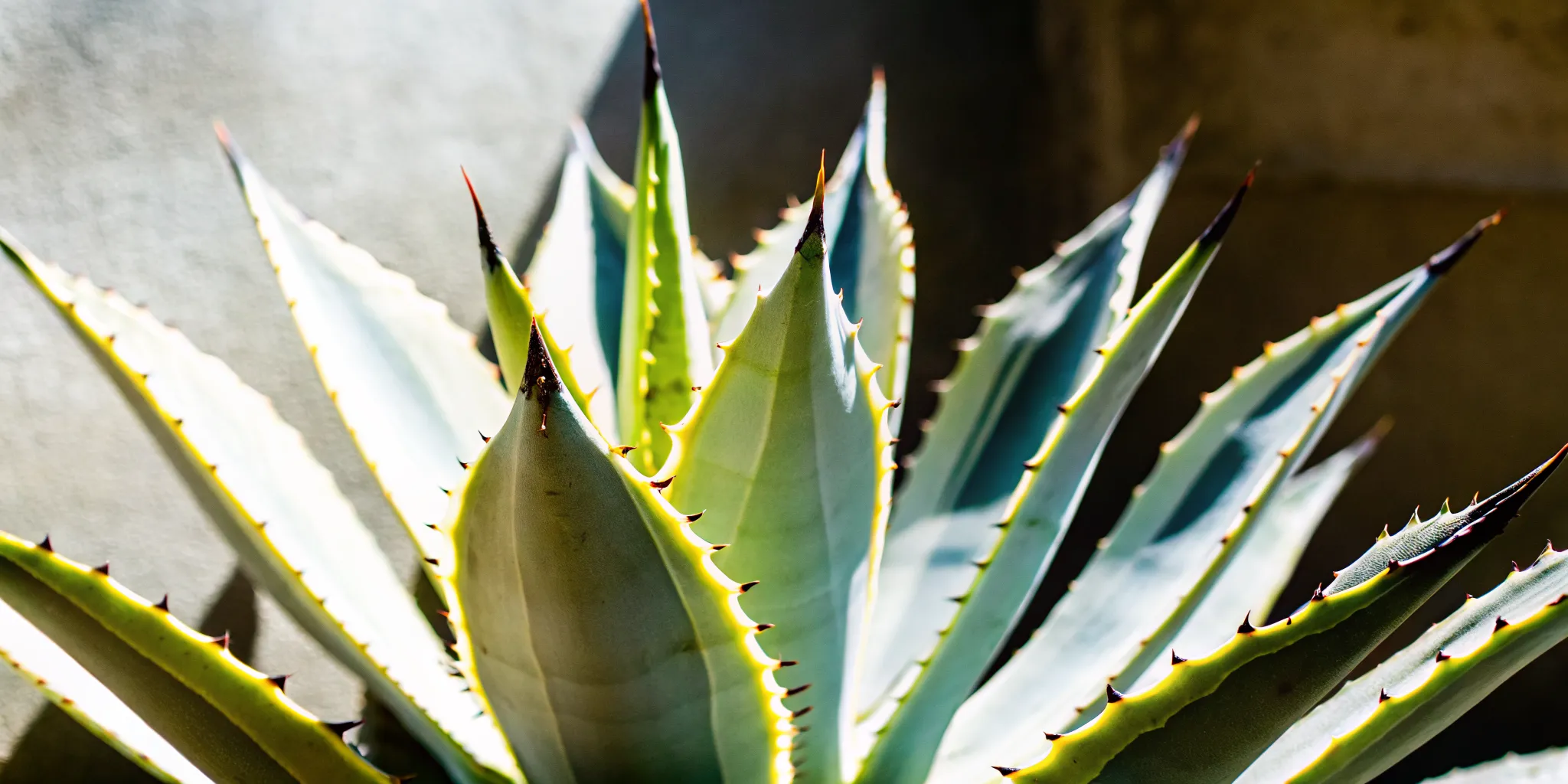
Gusano rojo and gusano blanco
In discussions of edible agave larvae, you may hear two names. Gusano rojo, or red worm, refers to the reddish larva associated with the agave redworm moth. Gusano blanco, or white worm, is a broader culinary name often associated with larvae found on agave leaves. The creature preserved in commercial mezcal bottles is most strongly associated with the redworm moth.
A food tradition before a bottle tradition
Agave larvae have long had a place in regional Mexican cooking. They may be toasted, served in tacos, or ground with chile and salt to make sal de gusano. That culinary history matters because the larva itself is not merely a tourist prop. Putting it inside a mezcal bottle, however, is a much newer practice than eating it.
The distinction keeps two ideas from being unfairly collapsed into one. Edible agave larvae are part of a genuine food culture. The bottled worm became a commercial symbol that borrowed from that culture.
That context also explains why the worm can mean different things depending on where you encounter it. On a plate, it may represent a carefully prepared local ingredient. At the bottom of a commercial bottle, it usually represents a brand's deliberate decision to lean into a famous story. Respecting the first does not require treating the second as a measure of quality.
Why did producers start putting a worm in mezcal?
Producers added the worm to differentiate mezcal in a crowded market, especially for buyers outside Mexico. The custom is commonly traced to Jacobo Lozano Paez in the 1940s or 1950s. Whatever the exact first bottle, the practice is modern marketing, not a centuries-old production rule.
A memorable export-era symbol
A larva at the bottom of a clear bottle was visually striking. It made mezcal look mysterious and gave sellers an easy story to tell. That novelty helped distinguish the spirit from tequila and other liquors as mezcal reached new audiences.
The bottle also invited ritual. Friends could challenge one another to finish the final pour and eat the worm. Marketers benefited from rumors that it proved strength, improved flavor, or caused visions. Those claims made memorable copy, but none is a reliable measure of the spirit.
Why the story lasted
The worm endured because it is an unforgettable object. A farming method, agave variety, or fermentation choice takes time to explain. A larva is instantly visible. It turned a complicated spirit into a simple story, even when that story distracted from the people and methods that actually shaped the mezcal.
- What it is: an agave moth larva and a recognizable commercial symbol.
- What it is not: an ancient requirement, proof of potency, or proof of quality.
- What matters more: the agave species, producer, village, cooking method, fermentation, and distillation.
Is there a worm in tequila?
No. A genuine tequila bottle does not contain a worm. Tequila and mezcal are both agave spirits, but they have different legal identities and production traditions. The bottled larva became associated with some mezcal brands, not tequila.
Tequila must be made from Blue Weber agave in designated regions under tequila's production rules. Mezcal may be made from many agave species within its own designated regions. Traditional mezcal production often includes roasting agave hearts in earthen pits, which can contribute smoky aromas, while tequila production commonly cooks agave in ovens or autoclaves.
| Feature | Tequila | Mezcal |
|---|---|---|
| Primary agave | Blue Weber agave | Many permitted agave species |
| Typical cooking approach | Oven or autoclave | Often earthen-pit roasting |
| Bottled larva | Not part of tequila | Found in some commercial products |
| Quality signal | Producer and process details | Producer and process details |
For a closer look at how production shapes the category, read Sip Tequila's guide to making mezcal. You can also compare it with the steps in how tequila is made.
Does the mezcal worm prove quality or strength?
No. A worm does not prove that mezcal is authentic, strong, or well made. The larva is an addition to the bottle. It cannot tell you how carefully the agave was grown, roasted, fermented, or distilled.
The potency myth
One old claim says that a preserved larva proves the alcohol is strong enough. Another says the worm absorbs mezcal and becomes unusually intoxicating. Neither idea provides a useful way to assess a bottle. Alcohol content is printed on the label, and the larva does not create a different kind of intoxication.
The hallucination myth
The mezcal worm does not contain mescaline and is not hallucinogenic. The similar sound of mezcal and mescaline likely helped this myth spread among English-speaking consumers. They refer to different things. Mezcal is an agave spirit; mescaline is a psychoactive compound associated with certain cacti, not the larva in a mezcal bottle.
Better signs of a thoughtful bottle
A clear label gives you more useful information than a worm ever could. Look for details about the agave species, region or village, producer, batch, production method, and alcohol by volume. These facts help you understand what created the aromas and flavors in the glass.
Learn how to read an agave-spirit label, then browse the mezcal collection with a sharper eye for craftsmanship.
Are you supposed to eat the mezcal worm?
You can eat the worm, but you are never required to do so. If a commercially sealed mezcal bottle includes one, eating it is generally treated as a personal choice or social ritual. It will not produce hallucinations or unlock a hidden tasting experience.
After sitting in spirit, the larva largely tastes of the mezcal around it, with an earthy or savory quality of its own. Some people enjoy the novelty. Others leave it in the bottle. Neither choice says anything about how well you understand or appreciate mezcal.
Respect the culinary context
It is useful to separate a party dare from the broader food tradition. In Oaxaca, agave larvae can be intentionally prepared and appreciated as an ingredient. Sal de gusano, made with ground larva, chile, and salt, is often served alongside mezcal and citrus. That pairing has more culinary context than swallowing a bottle-preserved larva at the end of a night.
Drink the spirit, not the legend
If you choose a mezcal because you want to understand its flavor, the larva should not be the focus. Taste slowly, notice the aroma and texture, and consider how the agave and production choices appear in the glass.
How should you taste mezcal beyond the worm?
Taste mezcal slowly and focus on aroma, texture, agave character, and finish. Mezcal is not best understood as a shot or a dare. Small sips reveal the choices made by the producer and the character of the agave.
- Pour a small amount. Use a copita or another open glass that allows aromas to rise.
- Smell gently. Keep some distance from the glass and notice fruit, herbs, earth, smoke, or mineral notes.
- Take a small first sip. Let your palate adjust instead of judging the spirit immediately.
- Return for a second sip. Notice texture, sweetness, acidity, roasted flavors, and the length of the finish.
- Read the label again. Connect what you taste to the agave species, region, and production details.
Smoke is only one possible note. Depending on the agave and process, mezcal may show citrus, tropical fruit, herbs, flowers, pepper, earth, or minerals. The best way to learn is to compare thoughtfully rather than chase a dramatic bottle feature. Sip Tequila's guide to how to sip tequila offers tasting principles that also help when approaching other agave spirits.
How do you choose a mezcal worth sipping?
Choose mezcal by its transparent production details and the flavors you enjoy, not by whether a larva is present. A useful bottle tells you who made it, where it came from, and which agave shaped it.
Start with agave and origin
Espadin is common and can be an approachable starting point, but mezcal can express many agave species. The same species can also taste different across regions and producers. Origin is not a decorative label detail; it helps explain the spirit's agricultural and cultural context.
Look for process transparency
Labels and retailer notes may identify the mezcalero, village, roasting method, fermentation vessels, still type, and batch size. More detail does not automatically guarantee that you will love the bottle, but it gives you meaningful information for comparison.
Buy for the experience you want
If you are new to mezcal, begin with a curated bottle that offers a clear introduction to the category. If you already know which agave or flavor profile you like, use that knowledge to explore a new region or producer. Sip Tequila's expert-curated approach is designed to connect curious drinkers and collectors with authentic agave spirits and their stories.
As you taste more bottles, keep simple notes on the agave, place, producer, aroma, texture, and finish. Patterns will emerge quickly. You may discover that you prefer bright and herbal profiles over heavily roasted ones, or that a particular agave consistently interests you. Those preferences are far more useful than any rule about the object at the bottom of a bottle.
Frequently asked questions about the mezcal worm
Is the mezcal worm a real worm?
No. It is a moth larva associated with agave plants. DNA research on commercial bottle specimens identified the species as Comadia redtenbacheri, the agave redworm moth.
Does every mezcal have a worm?
No. Most mezcal does not contain one, and the larva is not required for mezcal production. Many artisanal and premium producers leave it out so the spirit's agave and process remain the focus.
Can the mezcal worm make you hallucinate?
No. The larva is not hallucinogenic and does not contain mescaline. Any intoxication comes from the alcohol in the mezcal, not from the worm.
Why is there no worm in tequila?
The bottled worm tradition belongs to some mezcal brands, not tequila. Tequila has its own defined production rules and is made from Blue Weber agave in designated regions.
Is eating the mezcal worm safe?
A larva in a properly sealed commercial bottle is generally treated as edible, but eating it is optional. It is not necessary to finish or appreciate the mezcal.
Let the agave tell the story
The mezcal worm is a memorable piece of modern spirits history, but it is not the heart of mezcal. The real story lives in agave biodiversity, regional foodways, skilled producers, and patient tasting. Once you move beyond the myth, the bottle becomes far more interesting.
Ready to taste the difference? Shop Sip Tequila's curated mezcal and other spirits collection and choose your next bottle by its craft, origin, and flavor.