




Sotol cocktails are a smart next step when you want the lift of a bright Mexican spirit with a more herbal, earthy edge. Because sotol is made from Dasylirion, also called desert spoon, rather than agave, it brings its own personality to a mixed drink. These seven recipes use familiar techniques, exact measurements, and ingredients you can find without building a full bar.
Explore Cardenxe sotol for your next cocktail.
The best way to mix sotol is to give its character room to show up. Citrus sharpens its green notes, bubbles make them feel lighter, and a little sweetness rounds the finish without hiding the spirit. Start with the recipe that matches your mood, then adjust only one variable at a time: dilution, acidity, or sweetness.
What does sotol taste like in a cocktail?
Sotol tastes distinctive in a cocktail because its base is a desert spoon plant, not agave. Depending on the expression and production choices, you may notice herbal, grassy, mineral, floral, peppery, or lightly earthy notes. In a mixed drink, those flavors often work like a bridge between a crisp blanco spirit and a savory botanical spirit.
- Bright and herbal: lime, grapefruit, cucumber, mint, and dry vermouth keep the profile lifted.
- Earthy and savory: rosemary, sage, saline, bitter aperitifs, and orange bitters add structure.
- Not tequila or mezcal: sotol is its own Mexican spirit category and should be mixed on its own terms.
That profile is why sotol works in both refreshing highballs and spirit-forward stirred drinks. A delicate expression can disappear under heavy syrups or strongly flavored liqueurs, while a richer bottling can handle bitter ingredients and oak-aged modifiers. If you are new to the category, taste a small pour first, then choose a recipe that supports the notes you find.
Seven sotol cocktails to make at home
These sotol cocktails cover the main mixing formats: shaken sours, tall highballs, a long drink, and stirred classics. Each recipe makes one drink. Use fresh citrus, chill the glass when the recipe calls for it, and measure with a jigger rather than relying on a free pour.
- Use 1 1/2 to 2 ounces of sotol as the anchor for a single cocktail.
- Shake drinks with citrus and stir drinks built mainly from spirits and bitters.
- Taste before serving and make small adjustments rather than adding a large amount of sweetener.
1. Desert Spoon Margarita
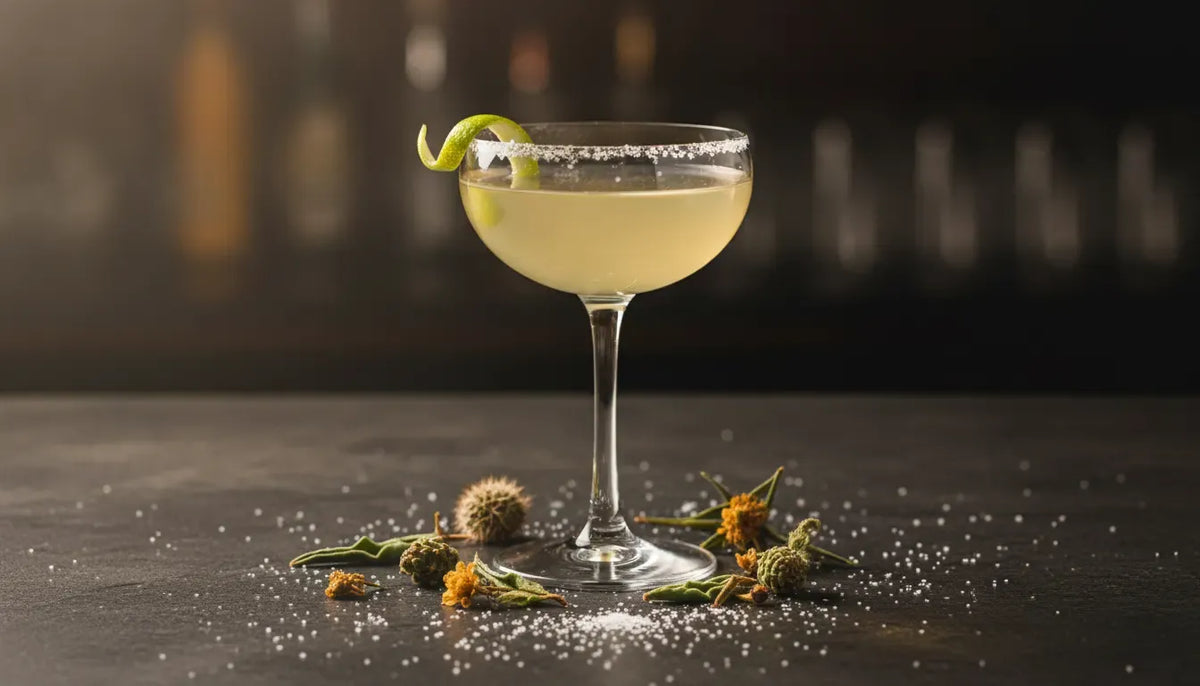
This is the easiest entry point for anyone who already enjoys a classic Margarita. Lime brings out sotol's green, savory side, while orange liqueur adds a dry citrus perfume. The small amount of agave syrup is there for balance, not to make the drink taste like candy.
Ingredients
- 2 ounces sotol
- 1 ounce fresh lime juice
- 1/2 ounce orange liqueur
- 1/4 ounce agave syrup
- 1 small pinch of fine salt
- Lime wheel and optional half salt rim
Glassware and garnish: Coupe or rocks glass over fresh ice, with a lime wheel. A half rim lets you taste the drink with and without salt.
Method: Add sotol, lime juice, orange liqueur, agave syrup, and salt to a shaker with ice. Shake hard for 10 to 12 seconds. Strain into a chilled coupe, or strain over fresh ice in a rocks glass. Taste the first sip. If your lime is especially tart, add another teaspoon of agave syrup and shake briefly again.
Flavor notes and substitution: Expect citrus first, followed by herbal desert notes and a clean, lightly saline finish. No orange liqueur? Use 1/4 ounce of orange juice plus 1/4 ounce of additional sotol for a drier drink. If you prefer less sweetness, leave out the agave syrup and add a second pinch of salt.
2. Sotol Paloma Highball
A Paloma format is made for sotol. Grapefruit adds bitterness and perfume, while sparkling water stretches the drink without burying the base spirit. This version is crisp enough for a warm afternoon and structured enough to show why sotol can stand beside more familiar Mexican spirits without imitating them.
Ingredients
- 1 1/2 ounces sotol
- 1/2 ounce fresh lime juice
- 1/4 ounce agave syrup
- 2 ounces fresh grapefruit juice
- 2 ounces chilled sparkling water
- Pinch of salt and grapefruit wedge
Glassware and garnish: Chilled highball glass filled with ice, garnished with a grapefruit wedge. Add a half salt rim if you like a more savory finish.
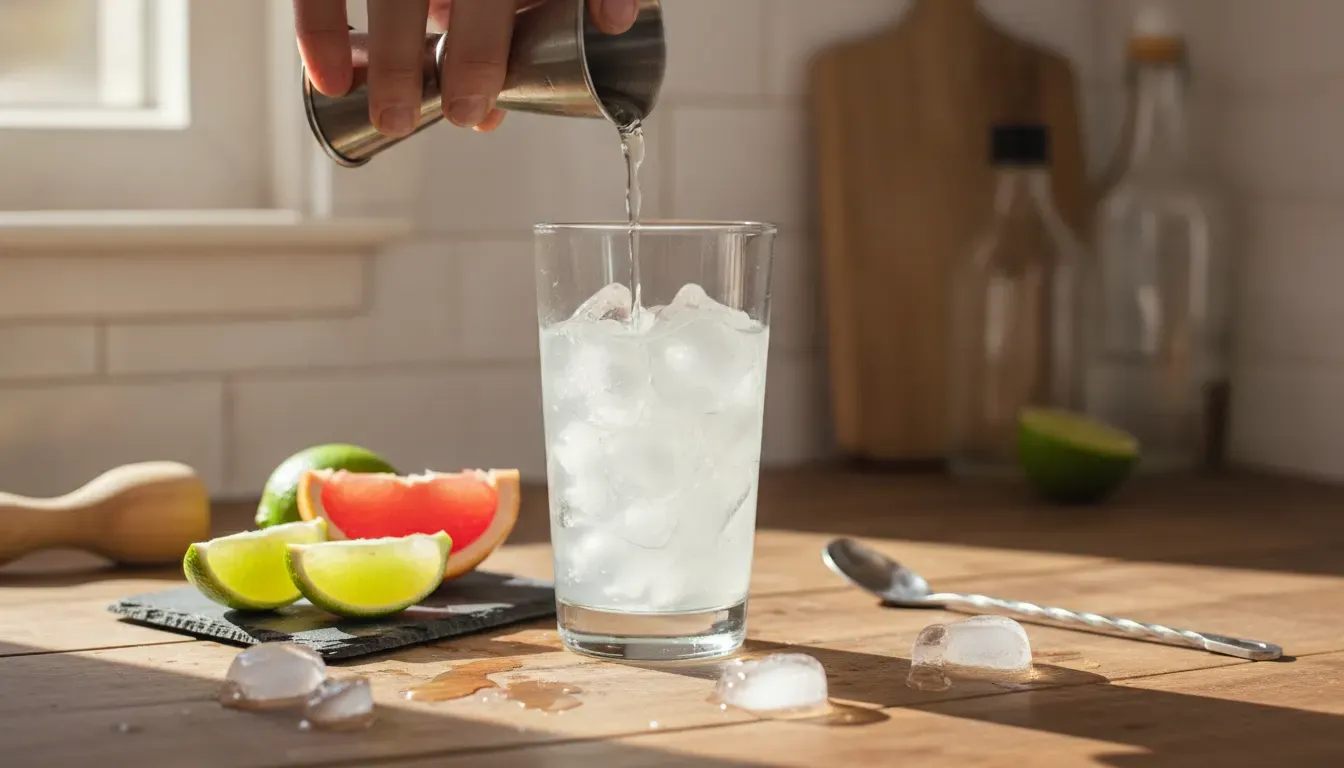
Method: Add sotol, lime juice, agave syrup, grapefruit juice, and salt to the glass. Stir until the syrup dissolves. Fill with ice, top with sparkling water, and stir once from the bottom. Do not shake the sparkling water. Add the grapefruit wedge and serve immediately.
Flavor notes and substitution: This drink is tart, gently bitter, and refreshing, with a green herbal note under the grapefruit. For a drier Paloma, replace the agave syrup with a teaspoon of simple syrup or omit it. If fresh grapefruit is too bitter, use 1 1/2 ounces of juice and add another 1/2 ounce of sparkling water.
3. Sotol Old Fashioned
The Old Fashioned treatment lets a fuller sotol expression take center stage. Keep the sweetener and bitters restrained. The goal is to frame the spirit's earthy and peppery notes, not cover them with a thick sugar profile.
Ingredients
- 2 ounces sotol
- 1/4 ounce rich agave syrup, made with two parts agave nectar and one part water
- 2 dashes aromatic bitters
- 1 dash orange bitters, optional
- Wide orange peel
Glassware and garnish: Double rocks glass with one large ice cube, garnished with an expressed orange peel.
Method: Add the agave syrup and bitters to a mixing glass. Pour in the sotol, fill the glass with ice, and stir for about 20 seconds. Strain over the large cube. Express the orange peel over the surface, rub it around the rim, and drop it into the drink.
Flavor notes and substitution: Look for a smooth, spirit-forward drink with orange aroma, gentle bitterness, and a dry herbal finish. If rich agave syrup is unavailable, use 1/2 ounce of regular agave syrup and reduce the stirring time slightly. For a softer drink, add one teaspoon of chilled water before stirring.
4. Desert Garden Martini
This dry, stirred drink is a useful test of a sotol's balance. Vermouth supplies floral and savory depth, while lemon keeps the finish precise. It is closer to a Martini in structure than a sweet cocktail, so use a fresh bottle of vermouth that has been refrigerated after opening.
Ingredients
- 1 1/2 ounces sotol
- 3/4 ounce dry vermouth
- 2 dashes orange bitters
- Lemon twist
Glassware and garnish: Chilled coupe or Nick and Nora glass, garnished with a lemon twist.
Method: Add sotol, dry vermouth, and orange bitters to a mixing glass with plenty of ice. Stir for 20 to 25 seconds, then strain into the chilled glass. Express the lemon peel over the drink and discard it if you want a very clean finish, or add it for more aroma.
Flavor notes and substitution: The result is cool, dry, and botanical, with the sotol's character still easy to identify. For a softer version, use 1/2 ounce of dry vermouth and add 1/4 ounce of chilled water. If you have no orange bitters, use one dash of aromatic bitters and a slightly wider lemon peel.
Compare Cardenxe sotol expressions for a bottle that fits your mixing style.
5. Pineapple Sage Sotol Sour
Pineapple and sage give sotol a tropical and savory contrast without turning the drink into a sugar bomb. This is a good recipe for a more aromatic expression, especially when you want a cocktail that feels generous but still finishes dry.
Ingredients
- 1 1/2 ounces sotol
- 3/4 ounce fresh pineapple juice
- 3/4 ounce fresh lime juice
- 1/4 ounce sage syrup
- 2 fresh sage leaves
- Pinch of salt and pineapple leaf or sage sprig
Glassware and garnish: Small rocks glass over fresh ice, garnished with a sage sprig or pineapple leaf.
Method: Gently clap the sage leaves between your hands and add them to a shaker with sotol, pineapple juice, lime juice, sage syrup, and salt. Shake with ice for 12 seconds. Double strain over fresh ice to remove the leaf pieces. Garnish and serve.
Flavor notes and substitution: Pineapple leads, lime tightens the middle, and sage pulls the finish back toward sotol's herbal profile. To make sage syrup, steep one fresh sage leaf in warm one-to-one simple syrup, then cool and strain. If pineapple is too sweet, replace half of it with chilled coconut water.
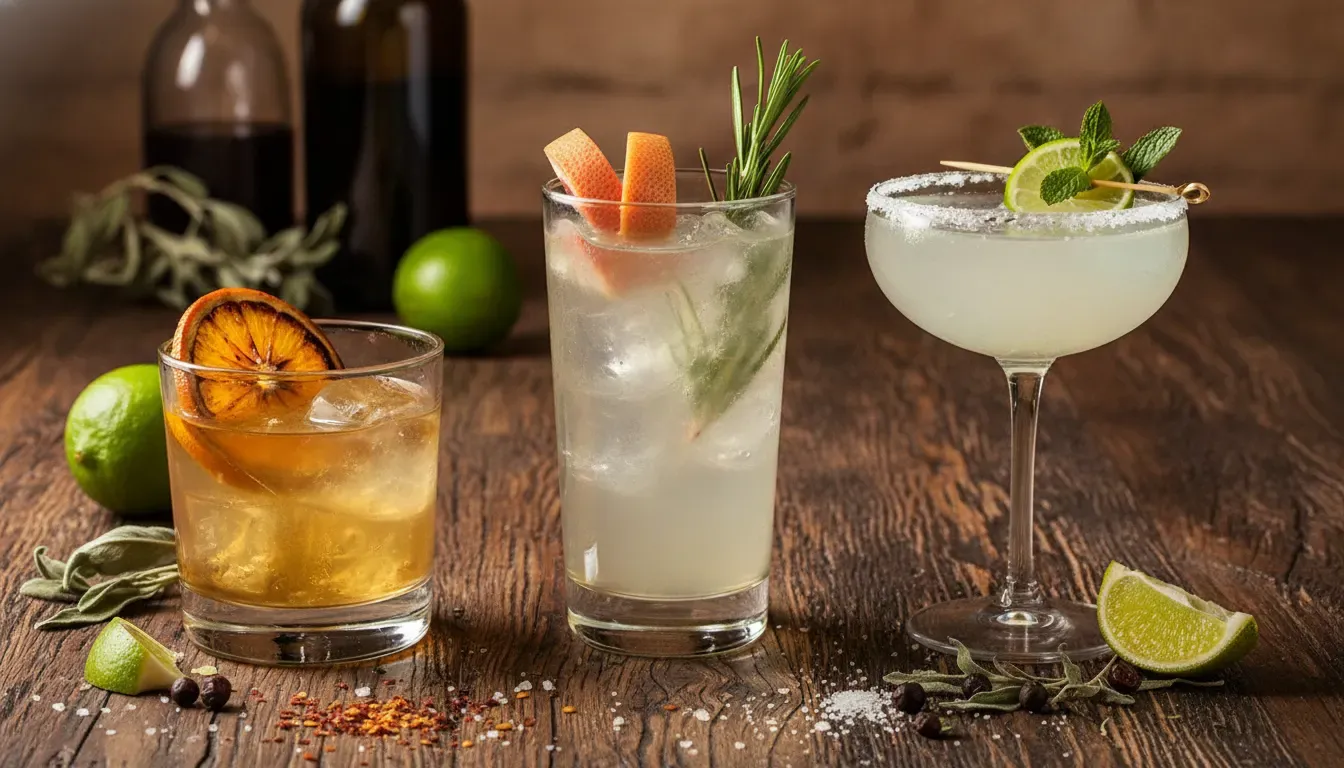
6. Sotol Ranch Water
When you want the least complicated of these sotol cocktails, make a Ranch Water. It has nowhere for a rough pour or tired citrus to hide, so use a sotol you enjoy on its own and plenty of cold sparkling mineral water. The long format is refreshing without becoming bland.
Ingredients
- 1 1/2 ounces sotol
- 1/2 ounce fresh lime juice
- 4 ounces chilled sparkling mineral water
- Small pinch of salt
- Lime wedge
Glassware and garnish: Tall, chilled glass filled with ice, garnished with a lime wedge.
Method: Pour the sotol, lime juice, and salt into the glass. Fill with ice, top with sparkling mineral water, and stir once. Add the lime wedge. If you want more aroma, squeeze the wedge over the drink rather than dropping it in.
Flavor notes and substitution: It is lean, mineral, citrusy, and easy to sip slowly. Use plain soda water for a lighter drink, or use a more mineral-forward water when the sotol has a delicate profile. If the finish feels too sharp, add 1/4 ounce of agave syrup and stir before topping with water.
7. Desert Negroni
A Negroni gives a bolder sotol room to work with bitter and sweet modifiers. The equal-parts format is easy to remember, but the right expression matters. Taste the sotol first, then choose an aperitif and vermouth that support rather than compete with its herbal character.
Ingredients
- 1 ounce sotol
- 1 ounce bitter aperitif
- 1 ounce sweet vermouth
- Orange peel
Glassware and garnish: Rocks glass over one large cube, garnished with an expressed orange peel.
Method: Add all three liquid ingredients to a mixing glass with ice. Stir for 20 seconds, then strain over fresh ice. Express the orange peel over the top and place it in the glass.
Flavor notes and substitution: Expect bitter orange, earthy botanicals, and a long, gently warming finish. For less bitterness, use 3/4 ounce of the bitter aperitif and 1 1/4 ounces of sotol. If sweet vermouth is unavailable, use a red quinquina, then taste before adding any extra sweetener.
How do you choose a sotol for mixing?
Choose a sotol for mixing by matching its intensity to the recipe. Start with the product's tasting notes, then consider whether you want a bright highball, a citrus-forward sour, or a spirit-led stirred drink. There is no single best sotol for every cocktail. The best bottle is the one whose character remains clear after dilution and chilling.
- For Margaritas and Palomas: look for a lively, clean profile that can meet fresh citrus and bubbles.
- For an Old Fashioned or Martini: choose an expression with enough depth to stay present after dilution.
- For a Negroni: a more aromatic or earthy profile can stand up to bitter aperitif and vermouth.
Sip Tequila's Cardenxe sotol collection is a practical place to compare expressions made for different desert profiles. You can also review the individual pages for Cardenxe Sotol de Desierto, Cardenxe Sotol de Sierra, and Cardenxe Sotol de Pradera before choosing a bottle. Read the current tasting notes, taste the spirit neat if you can, and use the first cocktail as a calibration rather than a final verdict.
For the cleanest comparison, make the same simple Ranch Water with each expression. Keep the sotol, lime, ice, and sparkling water measurements identical. Note which pour stays aromatic, which feels most mineral, and which has the longest finish. That quick side-by-side tells you more about your mixing preference than a generic ranking.
What makes a sotol cocktail taste balanced?
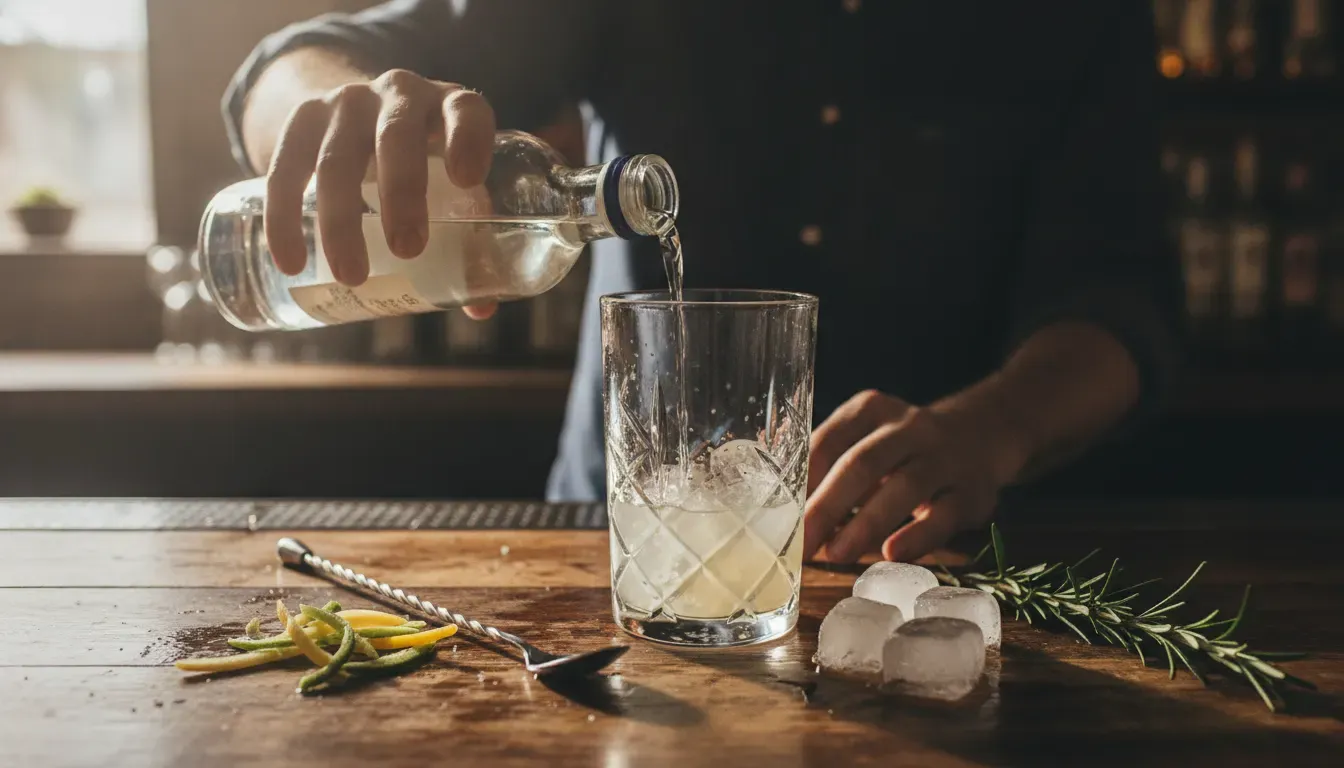
A balanced sotol cocktail has a clear base-spirit flavor, enough acidity or bitterness to keep it lively, and controlled dilution from ice. Balance is not the same as sweetness. Taste after shaking or stirring, then make a small change to one element at a time so the desert-spoon character stays recognizable.
- Fresh lime and grapefruit provide acidity, aroma, and structure.
- Salt can make herbal and citrus notes feel brighter, but use a pinch rather than a heavy pour.
- Large ice chills with less rapid dilution, while small ice chills quickly and adds more water.
Temperature matters, too. A shaken drink should be cold enough that the citrus tastes crisp, not hot or jagged. A stirred drink needs enough water to soften the alcohol, but too much dilution can flatten a subtle sotol. If a cocktail tastes harsh, add a teaspoon of water and stir. If it tastes thin, try a larger cube or a shorter stir next time.
Fresh ingredients make a bigger difference than expensive equipment. Squeeze citrus shortly before mixing, keep vermouth refrigerated, and use clean ice that has not absorbed freezer odors. If you are batching drinks for a small gathering, combine the liquid ingredients without ice, chill the batch, and add measured water to replace the dilution you would get from stirring. Pour individual servings over fresh ice.
How should you serve sotol cocktails responsibly?
Serve sotol cocktails responsibly by measuring every pour, pacing the drinks, and offering water and food alongside them. These recipes are written as single servings, but cocktail strength varies with the spirit and dilution. Never drive after drinking, and do not serve alcohol to anyone under the legal drinking age in your location.
- Use a jigger so each drink has a known amount of spirit.
- Offer a zero-proof option and plenty of water when entertaining.
- Follow local laws and your own limits, and stop serving anyone who has had too much.
A measured recipe is useful for hospitality as well as flavor. It helps you reproduce a drink, compare expressions fairly, and avoid accidentally making a stronger cocktail than intended. If you are hosting, prepare garnishes and nonalcoholic ingredients ahead of time, but mix each drink to order so the ice and bubbles stay fresh.
Find a Cardenxe sotol to put these recipes to work.
Sotol cocktails FAQ
Sotol cocktails are easy to approach when you treat sotol as a distinct desert spirit rather than a substitute for tequila or mezcal. The answers below cover the most common starting questions, from simple mixers to recipe substitutions.
- Begin with lime, grapefruit, sparkling water, or a small amount of vermouth.
- Use a measured pour and taste the spirit before choosing a recipe.
- Keep the plant distinction clear: sotol is made from Dasylirion, not agave.
What can you mix with sotol?
You can mix sotol with fresh lime, grapefruit, pineapple, sparkling mineral water, dry vermouth, bitter aperitifs, bitters, and restrained sweeteners. Citrus and bubbles are the easiest starting points because they refresh the drink while leaving sotol's herbal and earthy character visible.
Is sotol good in a Margarita?
Yes. Sotol works well in a Margarita when lime, orange liqueur, and sweetener are measured carefully. The result is not a tequila Margarita with a different label. It has a greener, more herbal profile, so a half salt rim and a modest amount of agave syrup can help keep it balanced.
What is the difference between sotol and mezcal?
Sotol and mezcal are different spirit categories made from different plants. Sotol is made from Dasylirion, the desert spoon plant. Mezcal is made from agave. Some production techniques and flavor notes may overlap, but sotol should not be presented as tequila or mezcal.
What does sotol taste like?
Sotol can taste herbal, grassy, mineral, floral, peppery, or earthy, depending on the expression. In a cocktail, it often brings a dry desert character that pairs well with citrus, grapefruit, savory herbs, bubbles, and bitter ingredients.
Can you substitute sotol for tequila in any cocktail?
You can try sotol in many tequila templates, but the result will change. Start with drinks that use fresh citrus or sparkling water, then adjust sweetness and dilution after tasting. In recipes with strong smoke, heavy spice, or rich liqueurs, sotol's more subtle notes may be harder to notice.
Shop the Cardenxe sotol collection and make your first recipe.