




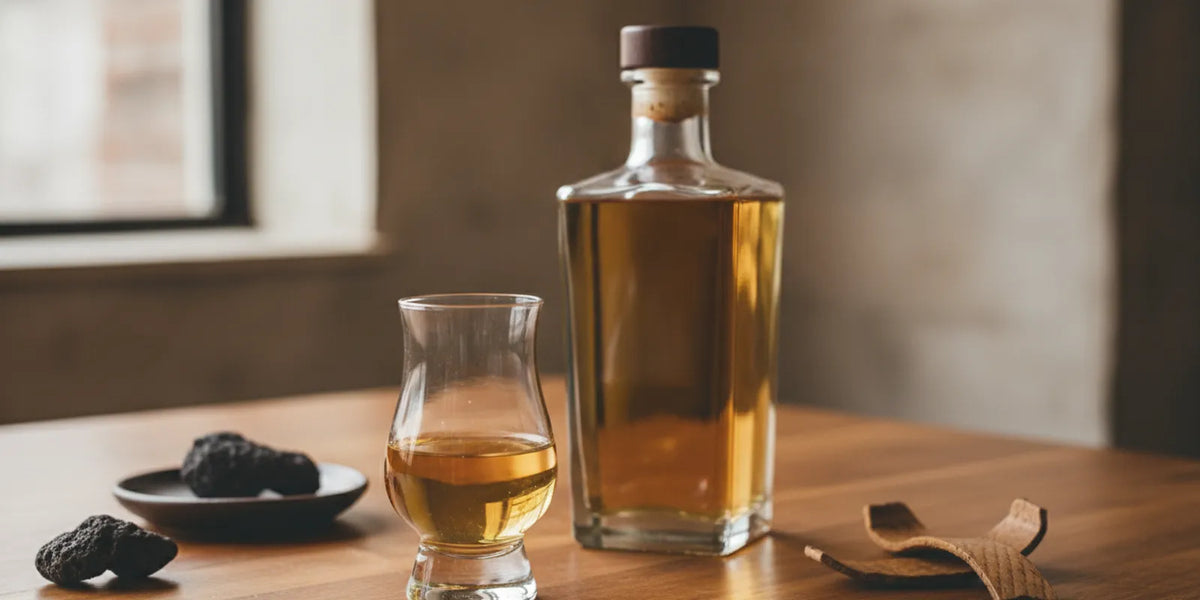
Tequila G4 is worth comparing by expression, not by name alone. If you're considering a bottle, start with the style you enjoy, then check the specific expression, size, price, and product details before you buy. This guide walks through those decisions without assuming every bottle will suit every palate.
Explore the G4 tequila collection
What should you know about G4 tequila?
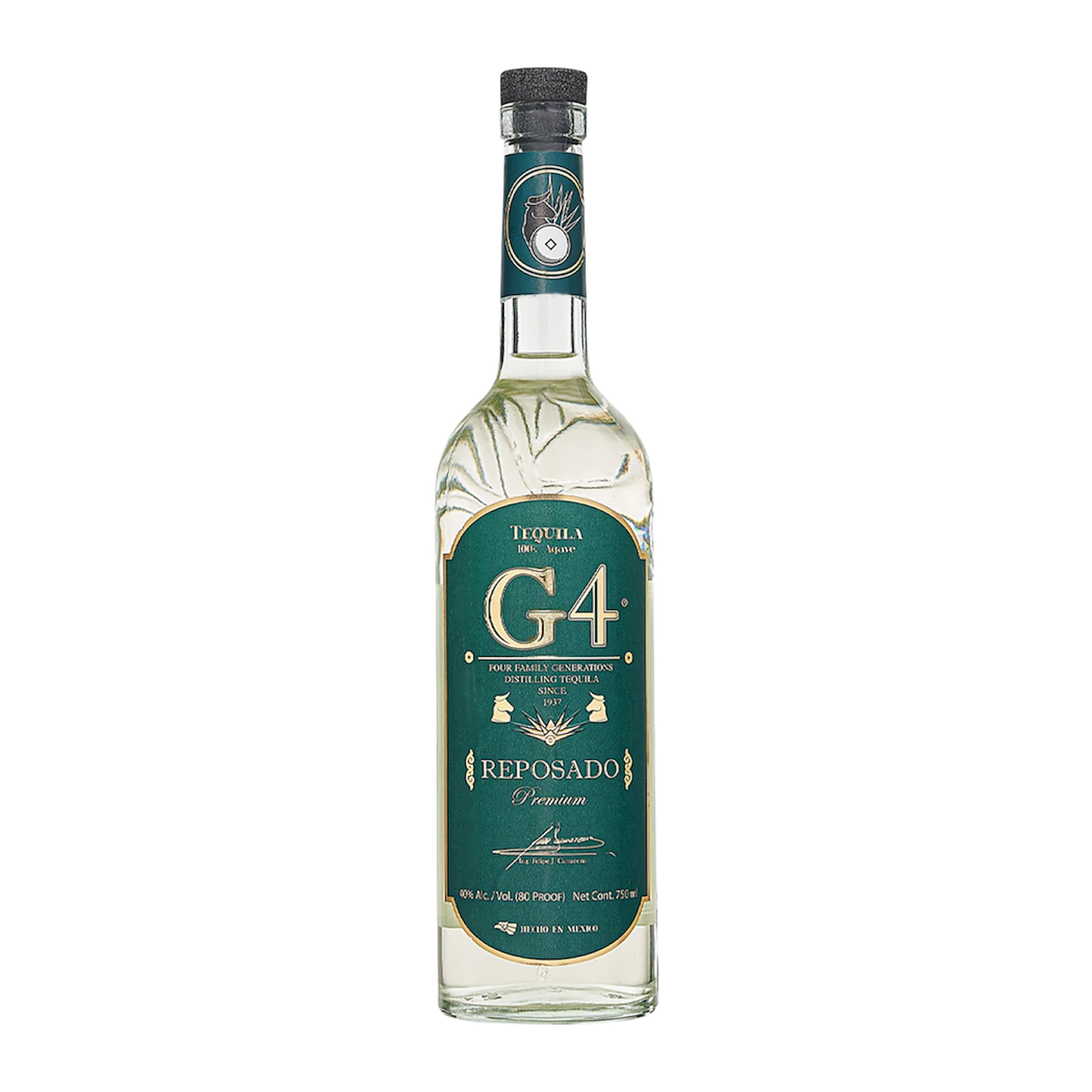
G4 is a tequila brand with multiple expressions represented in Sip Tequila's catalog, including an Anejo, a Blanco, and a G4 Clasico Blanco listing. Those names signal different styles to compare, but they don't tell you everything about aroma, texture, or finish. Read each product description and decide what matters most to you before choosing.
- Choose by expression first: unaged blanco, rested reposado, or aged anejo can lead to different tasting experiences.
- Use the bottle's exact product name and description. "G4" by itself is not enough to identify the expression or format.
- Set your budget and intended use before comparing bottles. A bottle for sipping neat may call for different priorities than one for cocktails or a shared tasting.
For a concrete starting point, compare the G4 Clasico Blanco listing with the G4 Anejo listing. The product pages are the place to confirm current details, availability, and bottle size. If you're new to reading expression names, the broader tequila guide gives you more category context.
How do G4 expressions compare?
The most useful first comparison is between blanco and anejo. Blanco is not aged in the same way as anejo, while anejo spends time in wood. Reposado sits between those broad styles. Aging can influence a tequila's color and sensory profile, but a category name alone cannot predict whether you'll enjoy its particular flavor.
| Expression | General style cue | What to check on the product page | Good first question |
|---|---|---|---|
| Blanco | Unaged or minimally rested style; often chosen to focus on the spirit's fresh character. | Exact expression name, bottle size, tasting description, and whether the listing is for the bottle you intend to buy. | Do I want a lively pour that works neat or in a cocktail? |
| Reposado | A rested style that can show both spirit character and some influence from wood. | Specific tasting notes, stated aging details, size, and current price. | Would I like a middle ground between a blanco and a longer-aged style? |
| Anejo | An aged style, often considered for slower sipping. | Product-specific notes, bottle format, stated aging information, and value relative to other bottles I enjoy. | Am I looking for a more developed profile for a neat pour? |
This table is a way to narrow your search, not a promise about the exact flavor of every bottle in a category. Compare the product descriptions with your own preferences. A blanco might be a better match if you like a brighter, more direct profile. An anejo may appeal if you tend to enjoy the character that can develop during time in wood. If you're curious about other aged options, browse the extra anejo selection as a separate point of comparison rather than assuming it will taste like G4 Anejo.
What should you look for on a G4 product page?
A useful product page should help you identify exactly what is in the bottle and whether it fits your plans. Before checkout, verify the full expression name, size, description, price, and availability. Don't infer details from a brand name, a photograph, or a short search result alone.
- Confirm the expression. Check whether you're looking at a blanco or anejo. Similar brand names can appear across different expressions, and each bottle deserves its own evaluation.
- Read the complete description. Look for stated tasting notes and production information. Treat those as a guide to what the retailer reports, rather than a guarantee that your palate will register each note in exactly the same way.
- Check the size and format. Make sure the stated volume matches what you expect. If a listing offers variants, confirm the selected option before placing an order.
- Compare the price with your purpose. Ask whether you want a bottle to explore, to share, or to give. Consider how often you expect to pour it, not just the first impression made by the label.
- Review current availability and delivery details. Inventory and shipping eligibility can change. Check the current listing and checkout information for your address.
These checks matter because product catalogs can contain several related listings. The G4 Clasico Blanco page, for example, is a specific listing; don't assume it is identical to another G4 Blanco product or that every variant is offered at all times. Likewise, treat the details on the G4 Anejo page as the source for that bottle, rather than transferring them to another expression.
How can you judge whether G4 suits your taste?
Think in terms of preferences you can describe: Do you enjoy a cleaner, more direct pour, or do you reach for spirits with more wood-influenced character? Do you usually sip neat, add a little water, or mix? Your answers will help you decide which expression deserves a closer look.
- If you usually drink blanco: begin with the G4 blanco listing and compare its tasting description with other blancos you already know.
- If you prefer aged spirits: read the G4 Anejo notes carefully, then compare them with an anejo you have enjoyed. Don't assume the category guarantees the same flavor.
- If you're unsure: consider tasting more than one expression side by side, ideally in small pours, before choosing a full bottle.
- If you're buying for someone else: use their known preferences as your guide. A striking bottle or premium positioning cannot replace a good style match.
Comparisons become clearer when you keep the conditions consistent. Use the same type of glass, pour similar amounts, and taste at a comfortable pace. Smell first, take a small sip, and leave time between pours. Water is a useful palate reset. You don't need elaborate tasting vocabulary; "brighter," "rounder," "more wood-forward," or "easier to sip" can be enough to capture what you notice.
If you want a broader baseline, compare G4 with a blanco from the blanco and plata selection or an option from the reposado collection. Keep the comparison fair: choose similar price ranges and expressions, and look at each product's own stated details. A different brand or expression can help you understand your preference, but it won't tell you automatically which bottle is "better."
What does aging tell you,and what doesn't it tell you?
Aging is one factor in how an expression is made and how it may present in the glass. It is not a complete tasting note. Wood, time, the spirit itself, and the choices made during production can all matter, so two bottles with similar category names may still taste different.
A peer-reviewed study comparing silver and aged tequila samples examined isotopic characteristics across aging classes, illustrating that aging categories can be associated with measurable differences in samples. That research is not a flavor review of the G4 bottles discussed here, and it cannot predict what you personally will taste. It is useful context for why expressions should be compared as distinct products rather than treated as interchangeable. Read the study, the peer-reviewed study comparing silver and aged tequila, with that distinction in mind.
For buying purposes, let aging information guide your questions, then return to the specific bottle's description. If you like a G4 blanco, that does not mean you will automatically prefer its anejo. If you like one aged tequila, you may still find another's profile different. Tasting your way through a category is a better test than relying on the word "aged" as a flavor promise.
How should you taste and serve a bottle?
Start with a modest neat pour in a clean glass. Give it a moment, then smell gently rather than putting your nose deep into the glass. Take a small sip and notice the first impression, texture, and finish. If you want, add a few drops of water and taste again. The goal is not to find a single correct answer; it's to learn whether the profile works for you.
- Pour a small amount and note the expression and bottle name.
- Smell gently and write down one or two impressions in everyday language.
- Take a small sip; notice how the flavor changes from first taste to finish.
- Wait a little before tasting again. A second sip may reveal something the first one didn't.
- If comparing bottles, use similar pours and the same sequence each time.
There's no need to reserve a bottle for one prescribed ritual. A blanco can be enjoyed neat or used in a mixed drink, depending on its profile and your preference. An anejo may invite a slower neat pour, but you can serve it how you like. For a guided comparison with multiple pours, see the tasting kits and sampler sets. If your interest is in a polished aged style beyond the G4 listing, the cristalino selection offers another category to explore, with its own product details to review.
Compare G4 expressions in the Sip Tequila collection
How can you compare value without overthinking it?
Value is personal. The right bottle is not necessarily the most expensive one or the one with the most elaborate presentation. Think about how the tequila will be used, who will drink it, and how much information the product page gives you about the bottle.
- For your own shelf: prioritize the expression and tasting profile you are most curious about.
- For a tasting: choose a bottle that helps you compare a style you know with one you want to learn about.
- For a gift: consider the recipient's tastes, the occasion, and whether the presentation fits the moment.
- For a cocktail: decide whether the bottle's character and price make sense for the drink you plan to make.
One practical way to compare value is to write down three things before you shop: your budget, the expression you want, and the main reason for buying. Then compare two or three product pages rather than opening dozens of tabs. You can also browse popular tequila selections for wider context, but popularity is only a starting point. It does not tell you whether a particular bottle fits your taste.
When you compare price, confirm the bottle size and selected variant. A lower displayed price may refer to a different format or option. Read the current checkout details as well, since delivery conditions depend on the order and destination. A clear comparison is more helpful than a quick judgment based on the front label alone.
How can you compare G4 expressions side by side?
A side-by-side tasting is a practical way to learn what the expression names mean to your palate. You don't need to make it formal or pour large samples. Keep the setup simple, and focus on the differences you can actually notice.
- Pick a clear comparison. Compare two expressions from the same brand, or compare G4 with a bottle in a similar category. Avoid changing too many variables at once.
- Read before you pour. Write down each bottle's exact name and its product-page description. This keeps the labels straight and lets you see whether your impressions match the stated notes.
- Taste in small pours. Start with the lighter or less wood-influenced style, then move to the more aged style. Take breaks and drink water between samples.
- Record your own reaction. Note aroma, texture, first sip, finish, and whether you would choose another pour. A few simple words are more useful than trying to identify every possible note.
- Return to the buying question. Decide which one you would reach for again and whether the price makes sense for how you plan to drink it.
This approach is especially useful if you are torn between the G4 Clasico Blanco and the G4 Anejo. Keep in mind that comparing two products is about your preferences, not a contest with a universal winner. One may be more appealing neat, while the other may better suit a cocktail or a particular meal. You can also compare two blancos from different producers, or two aged expressions, to understand which traits you value most.
If you're planning a group tasting, offer small pours and let everyone taste at their own pace. Ask each person to describe what they notice before sharing the product-page notes. That keeps one person's description from steering everyone else's impression. It also makes a useful, relaxed way to discover whether a style suits the group before you choose a bottle for a later occasion.
Is G4 a good choice for a gift?
It can be, if you have a reasonable sense of the recipient's preferences. Start with what they already enjoy: do they choose blancos, aged expressions, or mixed drinks? A bottle selected around that preference is often a safer gift than choosing based only on presentation or price.
- For someone who likes fresh, direct pours: consider whether a blanco aligns with bottles they already enjoy.
- For someone who collects aged tequila: look closely at the G4 Anejo details and compare them with the recipient's known favorites.
- For a newer enthusiast: think about whether a sampler or tasting set would offer more room to explore than a single full bottle.
- When you don't know their taste: avoid making a strong assumption from the brand name. A broad selection or gift receipt may give them more choice.
Before buying, confirm the exact listing, bottle size, current availability, and delivery timing. If the gift is for a specific date, leave enough time for the order to arrive according to the checkout estimate. Presentation may be part of the experience, but the best gift is still one the recipient will be happy to open and enjoy.
What should you decide before checkout?
Before you order, make sure you can answer these questions: Which G4 expression am I buying? What size is selected? What do I expect to enjoy about it? Does the current price fit my budget? Is the item available for delivery to my location?
- Reopen the exact product listing and check its name and details.
- Confirm that the selected bottle size or variant is correct.
- Review current availability, checkout terms, and delivery eligibility.
- For a gift, confirm the recipient's style preferences and your timing.
- If still uncertain, compare the G4 listing with another expression or a sampler rather than buying on assumption.
For other options in the catalog, use the Tequila 101 guides to explore styles, and return to the relevant product listing when you're ready to verify bottle-specific information. A little focused comparison can turn a vague search for "G4" into a much clearer decision about the expression you want.
Frequently Asked Questions
These quick answers can help you narrow the choice, but always confirm current bottle details on the product page.
Which G4 tequila should I try first?
Start with the expression that matches the style you already enjoy. If you prefer unaged spirits, look at the G4 blanco listings. If you usually choose aged tequila for sipping, read the G4 Anejo listing. Check the specific product description before deciding.
Is G4 Blanco the same as G4 Clasico Blanco?
Don't assume two listings are identical based on similar names. Check the full product name, description, size, and available options on each page. The catalog includes a distinct G4 Clasico Blanco listing, and its details should be reviewed directly.
Does G4 Anejo always taste sweeter than blanco?
Not necessarily. Anejo and blanco are different expression styles, but a category label alone does not guarantee a particular sweetness or tasting profile. Use the bottle-specific notes as a guide and taste it for yourself when possible.
Can I use G4 tequila in cocktails?
You can choose a tequila for cocktails if its flavor and price make sense for the drink you plan to make. A blanco is often a practical place to begin comparing for mixed drinks, but your preference matters most. Check the exact expression and product details first.
How do I know if a G4 bottle is a good value?
Compare the price with the bottle size, expression, product description, and your intended use. A bottle is a better value for you when you enjoy drinking it and it fits your budget, not just because its label or category sounds impressive.
Ready to choose a bottle?
Start with the G4 expression that suits your taste, confirm the exact product details, and compare only what matters to your budget and plans. With those basics in hand, you can choose your next bottle with more confidence.
Choose your G4 tequila expression