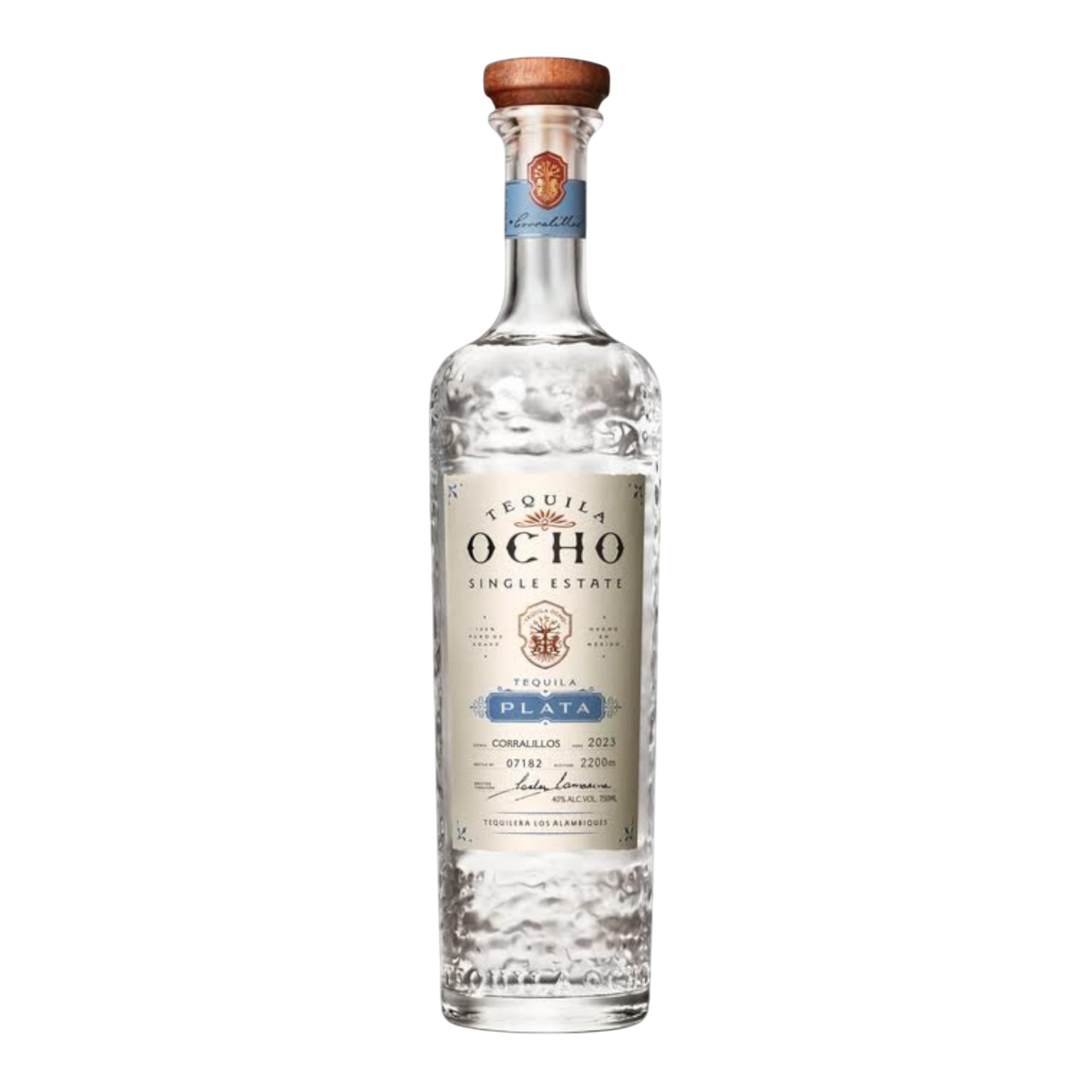
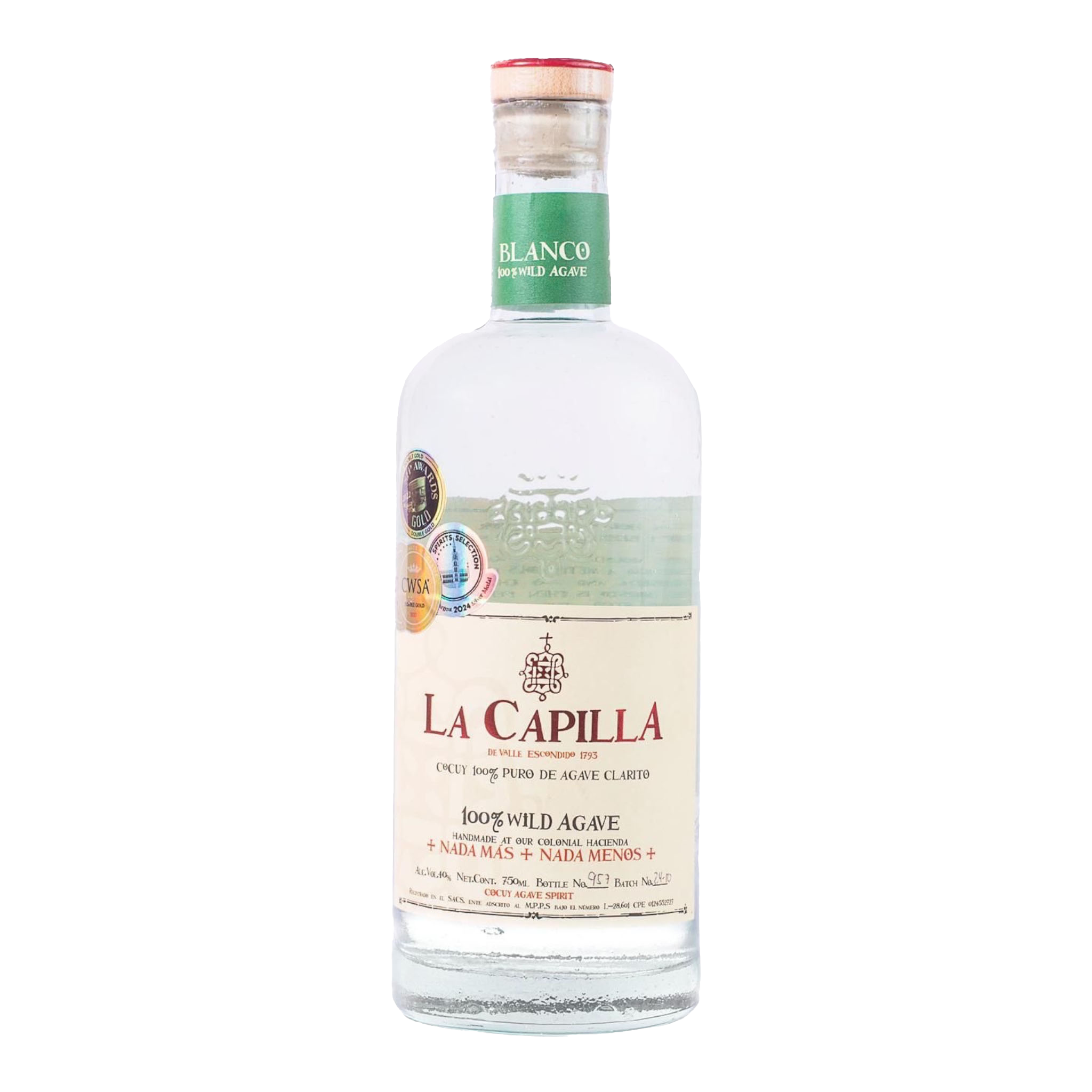






Tequila Ocho Plata is a useful bottle to evaluate if you want to compare a blanco-style expression, but its name alone cannot tell you whether a particular listing fits your taste or budget. Check the exact bottle details, separate verifiable information from tasting impressions, and compare it with bottles you know. This guide gives you a practical way to make that decision without treating every Plata as interchangeable.
What Plata tells you about Tequila Ocho
- Plata is commonly used for an unaged tequila expression and is also called blanco.
- The category is a starting point, not a complete description of flavor or quality.
- Read the exact listing for bottle-specific details before you compare.
Sip Tequila describes Blanco/Plata as unaged. That makes the expression a useful reference point when you want to explore a tequila without an extended barrel-aging profile. Still, the word does not promise a particular aroma, level of intensity, texture, or finish. Nor does it tell you whether you will enjoy the bottle neat or in a mixed drink.
Think of Plata as one part of the product description. A shopper considering Tequila Ocho Plata should also look at the full expression name, volume, proof or alcohol percentage, and any release information included on the current product page. Product details may vary by specific bottle or release, so do not transfer a note from one edition to another unless the listing confirms it applies.
For context on the category and tequila terminology, the Consejo Regulador del Tequila (CRT) provides official tequila information. Sip Tequila’s tequila guide is another place to review familiar expression names and tasting language before you compare listings.
Verify the bottle details first
- Confirm that the listing is for Plata, not a different expression.
- Compare the same bottle size and note the stated proof.
- Check whether any harvest, lot, or release description refers to the exact bottle.
A good comparison starts with facts you can check. Search results, retailer snippets, and copied tasting notes can omit important context. Open the full product page, identify the specific bottle being offered, and use the displayed details rather than relying on a short preview. If a detail matters to your decision but is not clear, pause instead of filling the gap with an assumption.
- Match the full name. Confirm that the listing names Tequila Ocho Plata specifically. Do not substitute information about another expression from the same producer.
- Check volume. Two bottles with different capacities cannot be compared fairly by shelf price alone. Record the volume before calculating value.
- Read the proof or alcohol percentage. Keep that figure in your notes. It provides context when comparing two listings, though it does not tell you which one you will prefer.
- Look for a named edition or lot. If the page describes a particular release, make sure the description is attached to the bottle in the listing rather than a related product.
- Review current purchase information. Check price, availability, shipping details, and checkout terms on the current page. These can change.
Use a short record to keep the comparison organized: exact name, volume, proof, listed notes, price, and one question you still have. This avoids the common trap of remembering an appealing tasting phrase while forgetting that the bottle size or price was different. Sip Tequila’s Tequila 101 articles can provide more category context when a term on a listing is unfamiliar.
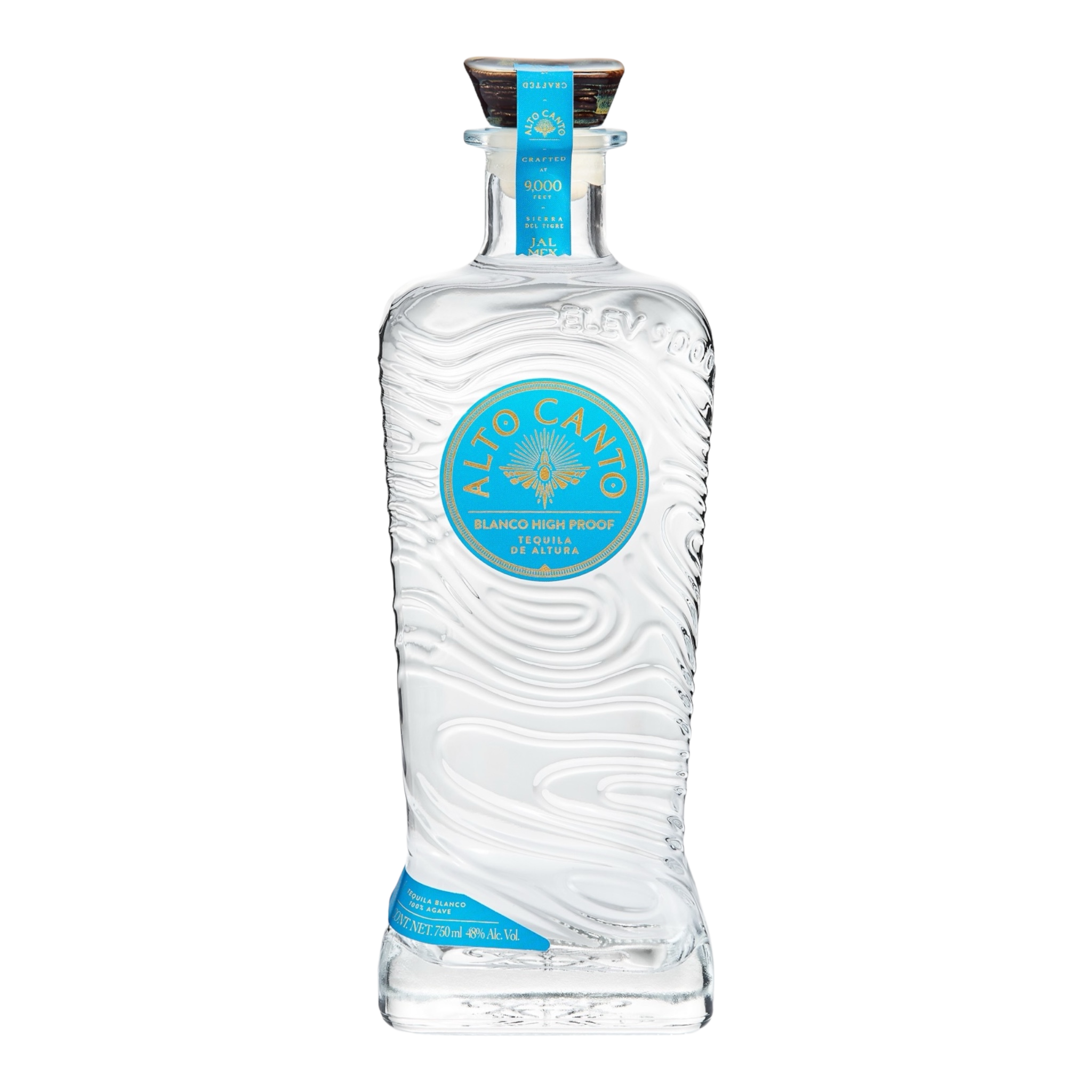
When looking at other Plata or blanco listings, examples such as Siempre Plata, Patrón Silver, and G4 Clásico Blanco let you compare how product pages present their own bottle details. Treat each listing as information about that bottle only. The comparison does not establish that these products taste alike or share production methods.
How can you read tasting notes without over-relying on them?
- Use notes as suggestions to test, not guarantees.
- Separate aroma, palate, texture, and finish in your own observations.
- Choose plain language that helps you recall what you liked.
Tasting language is personal. A note such as “bright” may suggest fresh, lively impressions to one person and sharpness to another. “Peppery” might be a background accent or the main impression. Treat descriptions as clues rather than promises, especially when you have not tasted the bottle yourself.
If you can sample before buying, make one pass without reading the tasting notes first. That helps you form an independent impression. Then look at the notes and ask which details you can actually detect. If you cannot sample it, use the listed profile to decide whether it sounds appealing, but leave room for your own preferences and expectations to differ.
Try this simple sequence with a modest pour:
- Look. Note whether the spirit is clear, but do not treat appearance as a stand-alone quality score.
- Smell gently. Bring the glass near your nose in short passes. Write down the first one or two impressions rather than searching for a long list of flavors.
- Take a small sip. Notice the first impression, the feel on your palate, and whether anything changes as you taste.
- Pause for the finish. Is the impression brief or lingering? Does it remain pleasant to you?
- Return for another sip. Check whether your first impression holds or changes after a moment.
Keep your notes specific to your response: “light aroma, lively first sip, warming finish” is more useful for your future choices than a string of ornate descriptors. If you are comparing multiple bottles, use similar pour sizes, clean glasses, and a pause between samples. Avoid strong food or drink immediately beforehand if you want a clearer side-by-side impression.
A tasting kits and sampler sets selection may offer a structured way to explore more than one pour, subject to current availability. A sampler is not required, though. You can also compare what you know from previous tastings with a listing’s profile and use that as a sensible starting point.
Plata, reposado, and añejo are different starting points
- Blanco/Plata is described as unaged in Sip Tequila’s category information.
- Reposado and añejo are separate expression categories, so compare their exact bottle details.
- Do not assume that an older expression is automatically a better fit.
The useful question is not which category wins. It is which bottle suits the way you want to drink tequila and the profile you enjoy. Plata gives you a way to consider an unaged expression. Reposado and añejo are other categories, and the particular listing—not the name alone—should guide your expectations.
| Comparison | What to verify | Question to ask yourself |
|---|---|---|
| Plata / blanco | Exact expression, proof, volume, and listed notes | Do I want to explore an unaged expression? |
| Reposado | Expression name and any stated aging details | Does this bottle’s stated profile sound appealing? |
| Añejo | Expression, bottle details, and current product description | Am I choosing it for the described character rather than age alone? |
| Any two bottles | Same volume, proof, current price, and availability | Which better fits my taste, use, and budget? |
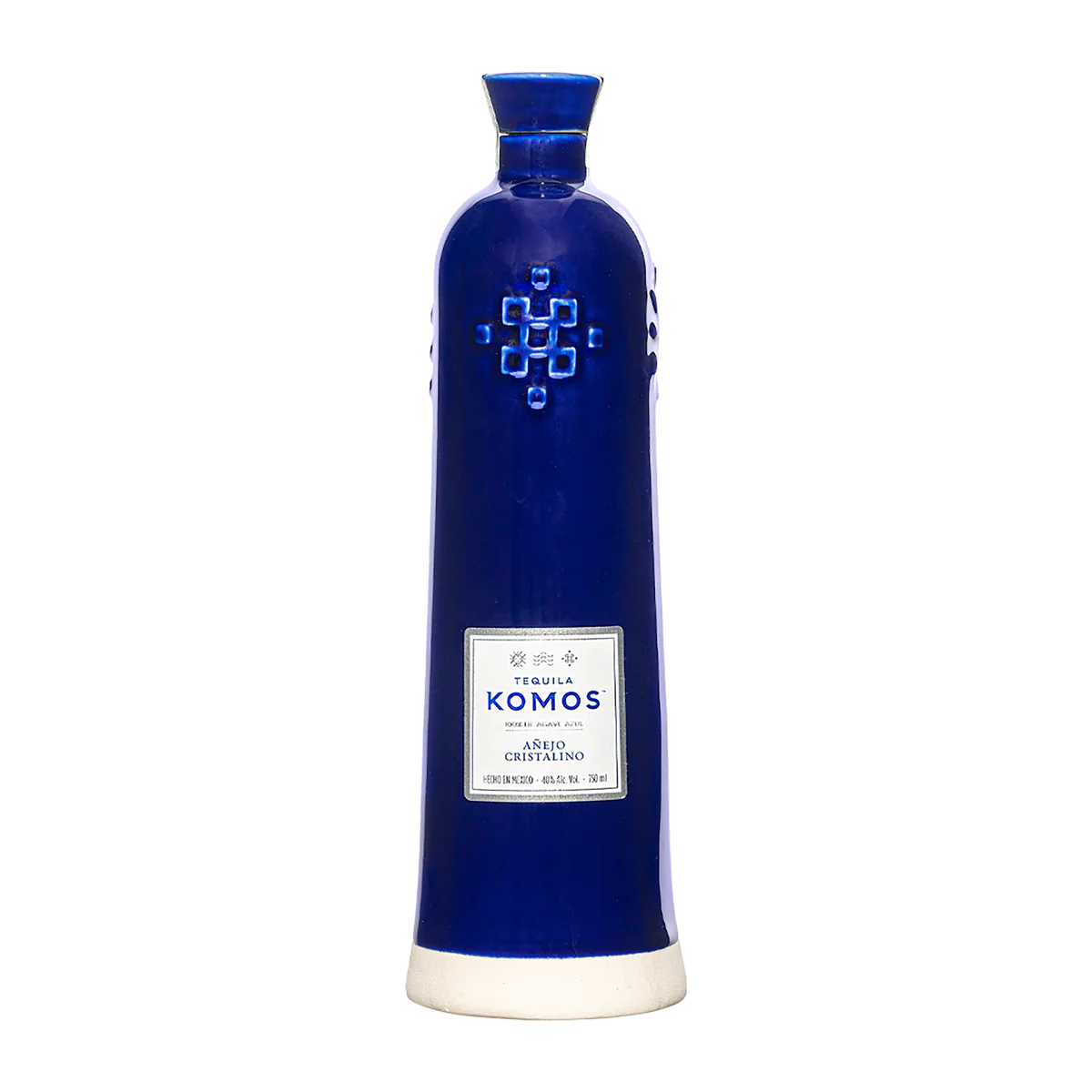
For a concrete contrast, you can review a blanco listing such as Atanasio Blanco beside an aged-expression listing such as G4 Añejo. Use each page to learn about its own current product details, not as a universal definition of its expression. The same caution applies when you look at the broader cristalino selection: a category label provides orientation, while the individual product page supplies the relevant particulars.
Do not turn the comparison into an age ladder. Some shoppers want the more direct profile they associate with an unaged expression; others prefer to explore how a different expression is described. The best choice is the one that suits your palate, intended serve, and price range. If you already know that you enjoy a certain style, use that knowledge as a practical filter rather than buying by a general rule.
How can you make a fair price and value comparison?
- Compare equal volumes and note proof before judging price.
- Decide your budget before reading persuasive copy.
- Connect value to your own intended use and enjoyment.
Price is only meaningful when the comparison is like for like. A larger bottle can have a higher shelf price but a lower cost per unit of volume. A different proof may also make two products less directly comparable. Note those details first, then decide whether the difference matters to you. Do not assume that a higher price guarantees a taste you will prefer.
Here is a simple way to compare two listings. First, set the maximum amount you are comfortable spending. Next, compare the same volume, or calculate a per-volume figure if the sizes differ. Record the proof and any listed notes. Finally, decide whether the product matches how you expect to serve it. This process does not assign a universal score; it keeps the decision aligned with your own priorities.
- Set a spending limit. Decide what feels reasonable before you get drawn into descriptions or special packaging.
- Match the format. Compare equal bottle sizes where possible. If not, note the size difference rather than overlooking it.
- Consider the purpose. Are you choosing a bottle to sip slowly, share, or use in drinks? Make sure the listing and your plan make sense together.
- Use verified current details. Check the live price and availability at the time you are ready to decide.
- Ignore claims you cannot evaluate. When an assertion matters, look for a clear explanation and an appropriate source.
A value decision can be as simple as asking: “Would I be happy to open this bottle for the occasion I have in mind at this price?” If the answer is yes and the product details are clear, you have a sensible basis for choosing. If you are uncertain, compare one or two alternatives rather than expanding the shortlist until every bottle seems equally plausible.
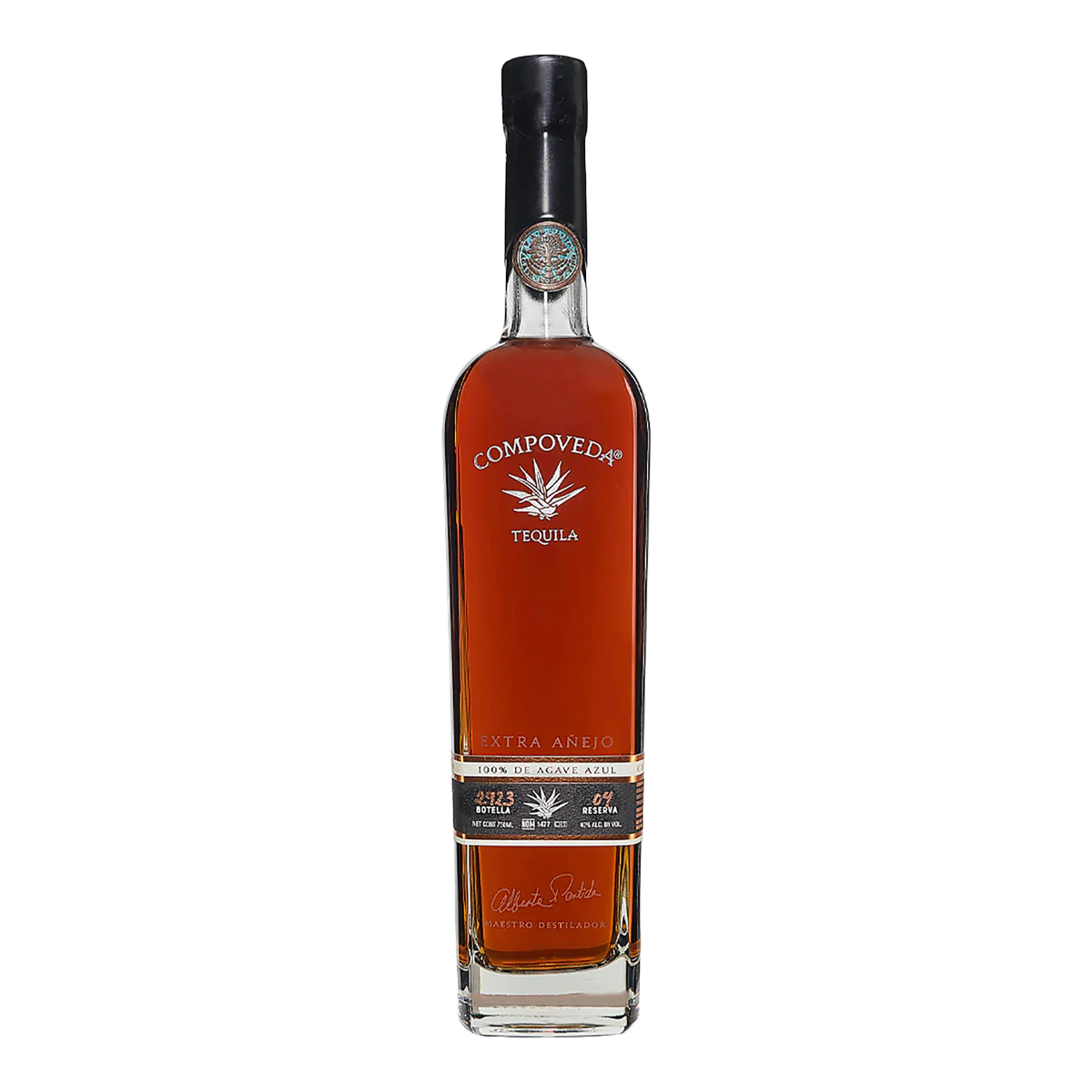
The best sellers collection can help you browse currently listed bottles. Popularity can be a discovery aid, but it is not proof that a bottle will match your palate. For example, compare an option you already recognize with a listing such as Compoveda Blanco only by details visible on each current page and your own preferences.
Decide whether Tequila Ocho Plata fits your plans
- Start with a small neat taste if that is an option.
- Try the bottle in the kind of serve you actually expect to make.
- Keep the comparison conditions consistent if you taste more than one.
A neat first sip provides a baseline. Pour a modest amount into a clean glass and give yourself a moment to notice the aroma and first impression. There is no need for a rigid ritual. If it tastes intense at first, pause and return to it after a short rest. The point is to consider the spirit on its own before other ingredients shape your impression.
Then consider how you normally enjoy tequila. If you usually choose a mixed drink, try the bottle in a simple preparation and ask whether its character still suits the drink. If you prefer sipping, focus on the balance and finish across a small pour. Neither approach is the only proper way to enjoy it. The useful test is whether you like the result in the setting where you expect to use the bottle.
For a fair side-by-side, hold the conditions steady: use similar glassware and pour sizes, taste at a similar pace, and make notes before looking at another person’s verdict. A known reference bottle helps. You might compare your notes with a blanco such as Compoveda Blanco or Siempre Plata, while remembering that your personal response matters more than a preset ranking. Explore the broader range of available tequilas only if you need more comparison points.
Keep the question focused: do you like the aroma, texture, and finish enough to choose this bottle for your intended use? You do not need to identify every flavor or agree with a published tasting note. A clear yes, a clear no, or “I would rather sample it first” are all useful conclusions.
A quick comparison worksheet keeps the choice clear
- Record the same practical details for every bottle.
- Separate what you know from what you are guessing.
- Use your tasting preference and intended occasion to break a tie.
When two listings seem hard to distinguish, put them side by side in a short note. Give each bottle one line for its full expression name, size, proof, stated tasting description, current price, and availability. Add a final line for what attracts you to it. That last note might say “I like the profile,” “I want an unaged expression,” or “This fits the dinner I am planning.” It makes your reason for choosing visible instead of letting the most memorable product description decide for you.
For example, imagine your list contains one Plata listing and another blanco with a different volume. You can compare their descriptions, but first flag that the package sizes do not match. If one product page gives a tasting note and the other does not, mark the missing information rather than treating it as a negative or filling it in yourself. If the listed price is different, calculate a comparable per-volume figure only after confirming the bottle sizes. Then ask whether the difference changes your decision.
Use a simple three-part test to finish the worksheet:
- Fit: Does the expression and expected profile align with what I enjoy?
- Clarity: Do I understand which bottle and release the listing describes?
- Value: Does the price make sense for my budget and intended use?
If two bottles pass all three checks, taste may be the deciding factor. If you cannot sample either one, choose the product whose description and details make you more comfortable, or wait until you can learn more. You could add a familiar listing such as Lalo Blanco as a reference point, while accounting for its different format. The worksheet is not a rating system; it is a guard against comparing unlike details or buying on an assumption.
Run a final check before checkout
- Is this the exact Plata expression you meant to select?
- Do the bottle size, proof, current price, and listing details fit your needs?
- Have you considered your own taste and intended use instead of relying on a category label?
Take one final pass through the full listing. Confirm the product name and size, note proof or alcohol percentage, and review availability, price, and applicable checkout information. If a specific release detail is important, ensure that it belongs to the bottle being offered. When a product page leaves an important question unanswered, seek clarification rather than guessing.
Then check your decision against the notes you made. If you like exploring unaged expressions, the current listing is clear, and the bottle suits your budget and plans, Tequila Ocho Plata may be worth considering. If you are not confident about the profile, compare it with a familiar blanco or look for a suitable sampler when available. The aim is a bottle you will be pleased to pour, not a purchase made because a name or label sounded persuasive.
For another point of reference, revisit Sip Tequila’s tequila guide or browse the current best sellers before you settle on a bottle. Keep the shortlist short: one or two alternatives are usually enough to reveal whether the details, profile, and price make Tequila Ocho Plata a fit for you.
Browse available tequila bottles
Frequently Asked Questions
Is Tequila Ocho Plata a blanco tequila?
Plata is commonly used for an unaged, blanco-style expression. Check the exact product listing to confirm the expression being offered and the current bottle details.
Does the word Plata tell me exactly how Tequila Ocho will taste?
No. It identifies an expression category, not a complete tasting note. Use the listing as a starting point and make your choice based on the aroma, texture, and finish you expect to enjoy.
How should I compare Tequila Ocho Plata with another blanco?
Compare the full expression name, same bottle size where possible, proof, current price, and listed notes. If you can taste both, keep the pour size and serving conditions similar.
Should I choose Plata or an aged expression?
Choose by the style you want to explore, your intended use, and the details of the particular bottles. An aged expression is not automatically a better match for your taste or budget.
What details should I check on the product page?
Confirm the full expression name, bottle size, proof or alcohol percentage, current price and availability, and any release-specific details that matter to your choice.
Explore available tequila bottles
Find a tequila that fits your next pour
Compare the details, trust your own palate, and choose the bottle that best suits your taste and plans.