




Cascahuin tequila is best chosen by expression and purpose, not by name alone. Start with the style you enjoy, check the exact bottle details, and decide whether you want a pour for sipping, comparing, or keeping. The currently listed Cascahuin Añejo gives you a concrete place to begin, but the label and live product page should guide your final choice.
Explore the Cascahuin Añejo listing
What should you know before choosing Cascahuin tequila?
- Choose the expression that matches how you plan to drink or collect it.
- Use the product page and bottle label to confirm the exact details.
- Do not assume every bottle under one brand name has the same profile.
A brand name can narrow your search, but it does not tell you everything that matters in the glass. Expression, time in wood, bottling details, and your own preferences shape the experience. The catalog listing available here is Cascahuin Añejo Tequila. That gives a shopper a specific entry point, while leaving the live product page to answer practical questions such as current availability, bottle size, and listed product information.
If you are new to the brand, make the decision in this order: determine whether you enjoy aged tequila, decide whether you want a bottle for casual sipping or a deliberate tasting, then review the listing. For a wider look at bottles available from different producers, browse Sip Tequila’s best sellers. It can help you compare categories and find alternatives if the expression you had in mind is not the right fit.
It also helps to separate what you know from what you hope to discover. The name and expression are facts to verify. A claim about aroma or flavor is a prediction until you taste it. When a listing does not give enough detail to make that prediction, do not fill the gap with assumptions. Use the bottle’s stated information, ask what you want from the pour, and keep room for your own impression.
Which expression fits the way you like to drink tequila?
- Blanco is the unaged style in the standard expression family.
- Reposado and añejo are aged styles, with different time periods.
- The listed Cascahuin bottle is an añejo, so compare it with other aged expressions.
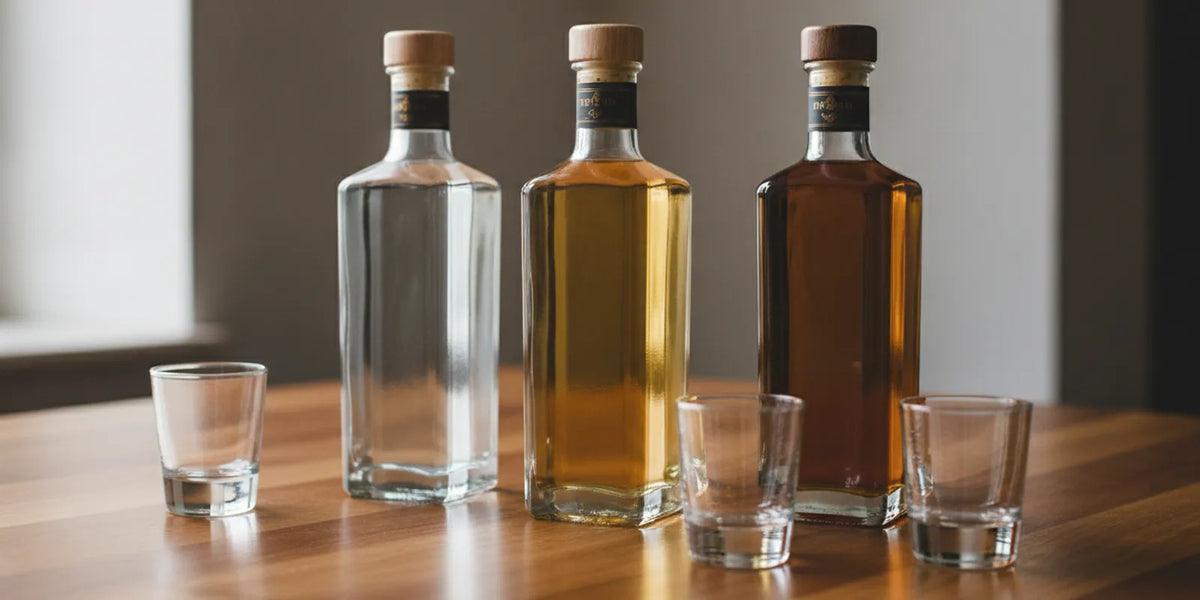
Expression is a useful first filter because it describes a meaningful difference in how tequila is made and presented. The standard categories give you a starting point, not a promise that every bottle within a category tastes the same. Your palate, the producer’s choices, and the particular bottling all matter.
| Expression | General category guide | Useful question for your choice |
|---|---|---|
| Blanco / plata | Unaged | Do you want a direct, unaged style to sip or compare? |
| Reposado | Aged from 2 to 12 months | Would you like an aged style with a shorter time in wood? |
| Añejo | Aged from 1 to 3 years | Are you looking for an aged bottle for a slow, considered pour? |
| Extra añejo | Aged for 3 years or more | Do you want to explore a longer-aged expression? |
The table is a category guide, not a tasting scorecard. One añejo may not resemble another, and the word on the front label cannot tell you whether its profile will suit you. For a side-by-side comparison, explore another añejo tequila listing and note what information each product page provides. If you are curious about a longer-aged style, the extra añejo selection offers another category to consider.
The Consejo Regulador del Tequila is a useful official reference for tequila standards and category information. Consult the Consejo Regulador del Tequila when you want a regulatory source rather than relying only on retailer descriptions.
How should you read the bottle and product page?
- Confirm the expression and bottle size first.
- Check the producer and any stated production or bottling details.
- Compare the information shown with what matters to you, rather than relying on vague adjectives.
Before you buy, treat the product page as a checklist. Confirm that it names the exact expression you want, then check the size and the listed details. If you are comparing several bottles, write down the facts in a small table of your own. That makes it easier to spot meaningful differences and avoid choosing from a label impression alone.
Look for clear language about the bottle rather than broad claims that could apply to many products. If a detail is important to you—such as the stated producer, method, or maturation—make sure it is actually provided. Do not treat a missing detail as proof either way. The sensible next step is to consult an authoritative source or ask the retailer for clarification before you place an order.
Also distinguish the expression from the brand. A brand may offer more than one style over time, and listings can change. The product linked here identifies the specific bottle as Cascahuin Añejo; it should not be taken as a guarantee of current inventory or a complete catalog of the brand. Check the live Cascahuin Añejo product page before deciding, especially if you are shopping around a particular occasion.
When product copy includes tasting notes, use them as a guide to what the seller describes—not as a substitute for your own palate. Notes can help you decide whether a bottle sounds promising, but people perceive aromas and flavors differently. If you cannot find enough detail to assess a bottle, compare it with a product whose listing answers your questions instead of treating polished language as evidence.
A simple comparison note can keep your decision grounded. Record the product name, expression, bottle size, listed details you care about, current price, and the reason you are considering it. Add one line for what you still need to verify. This makes it easier to return to the choice later without confusing one bottle’s details with another’s.
For collectors who plan purchases over time, note whether the bottle is an addition or a replacement. If it fills a gap in your lineup, name that gap: perhaps you want an añejo to compare with blancos you already own, or a bottle to open at an upcoming dinner. If you cannot explain what you hope to learn or enjoy from the purchase, take another look at your shortlist before checking out.
How can you judge whether an añejo suits your palate?
- Think about whether you usually enjoy aged spirits.
- Use a small pour and give it time in the glass.
- Record your own impressions instead of chasing someone else’s tasting notes.
An añejo is worth considering if you enjoy exploring how time in wood can shape a spirit. That does not mean every añejo will be sweet, soft, or similar to whiskey. Nor does the category guarantee a particular aroma. Start with the product’s stated details and your past experience: have you enjoyed other aged tequilas, and do you prefer a slower sipping pour?
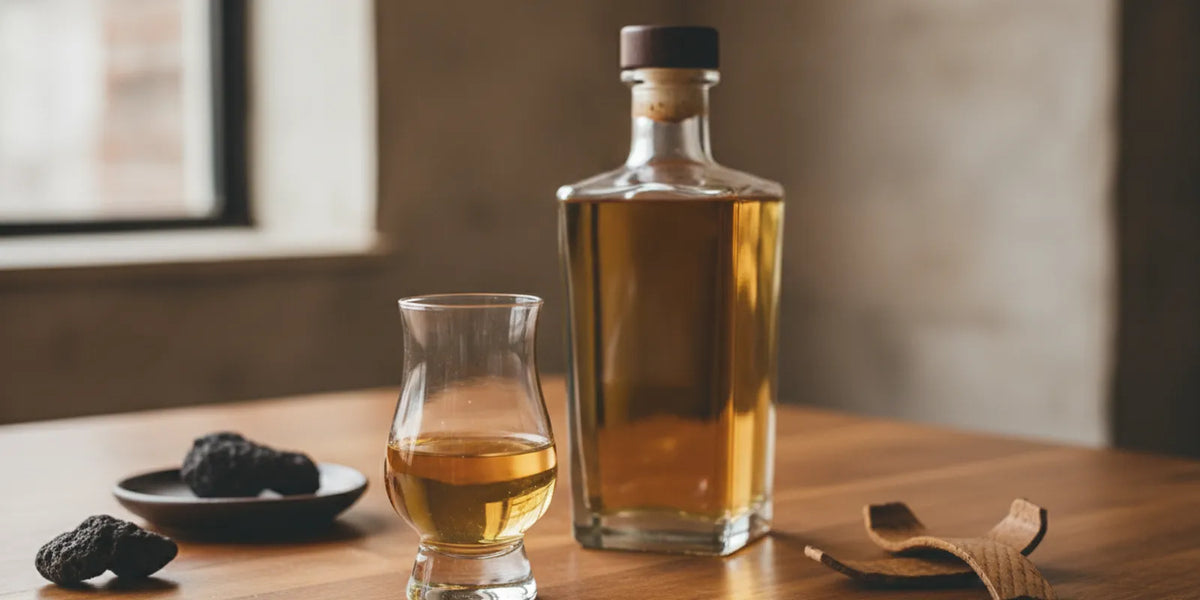
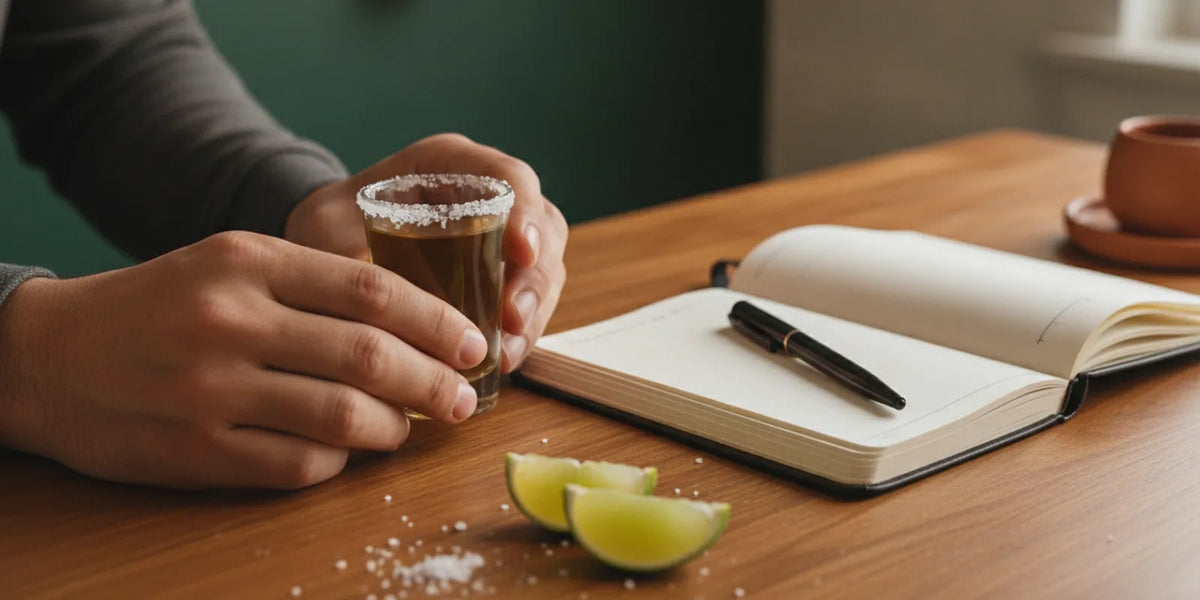
At home, keep the first tasting simple. Use a clean glass, pour a modest amount, and smell gently before tasting. Take a small sip, pause, and notice what stands out without needing to name every note. You might record whether it feels lively or rounded to you, what aromas you notice, and whether the finish encourages another sip. Those are personal observations, not universal product claims.
Try a second small sip after a short pause. The first impression can be shaped by anticipation, while a second taste may reveal whether you want to continue slowly or prefer a different style. Keep water nearby, take your time, and avoid trying to make a judgment from a single aroma. If you are tasting multiple bottles, use a little water between them and write down which one you would choose to pour again.
Keep the conditions consistent if you want the comparison to be useful. Use the same type of glass, pour similar amounts, and avoid adding mixers to one sample but not the other. If you are tasting with friends, let each person write an impression before discussing it. That keeps one confident opinion from setting the tone for everyone else. Taste is personal; the goal is to discover what you enjoy, not to produce one correct description.
If you want a structured comparison, sample the Cascahuin beside an expression you already know. Keep the pours small and use the same glassware and setting for both. A tequila tasting kit can make it easier to explore more than one style without committing to several full bottles. The NOM 1123 tasting flight is another example of a flight built for comparing selections; check its current listing details to make sure it suits the comparison you have in mind.
Do not let a tasting note override your own reaction. If you enjoy the pour neat, that may be all the evidence you need. If you prefer cocktails, consider whether you want to reserve an aged bottle for sipping and choose a different style for mixed drinks. The right bottle is the one that fits your actual habits, not an imagined version of what a collector is supposed to like.
What is a fair way to compare it with other bottles?
- Compare like with like when possible: expression against expression.
- Set a budget before browsing and compare details, not just presentation.
- Keep style preference separate from rarity or display appeal.
A useful comparison has a clear purpose. If the question is whether you enjoy Cascahuin’s añejo, compare it with another añejo rather than a blanco or cristalino. If you are deciding which kind of tequila to explore next, then a comparison across styles can be helpful, but it answers a different question. Write down what you want to learn before opening several product tabs.
Compare product details that can be checked: expression, stated maturation, bottle size, producer information, and any other clearly described production facts. Then consider the price shown at the time of purchase and whether the bottle suits your use. A high price does not automatically make a bottle a better match for you; it may reflect factors that do not matter to your palate or collection.
One practical way to avoid a comparison based on packaging is to score each option against the same short list. Give each bottle a note for expression fit, information available, expected use, and price comfort. You do not need a complicated spreadsheet or a numerical tasting score. A few words beside each point are enough to reveal whether you are drawn to the bottle itself or to its presentation.
For a collection, ask what role the new bottle will fill. Does it add an expression you do not already have? Is it meant to be opened soon, saved for a specific occasion, or offered as a gift? A bottle does not need to be rare or expensive to earn a place. A thoughtful collection can be built around styles you enjoy and bottles you are genuinely curious to taste.
When you want to compare styles beyond añejo, explore the cristalino selection and read each listing carefully. Cristalino is a separate style to investigate, not a direct substitute for every añejo. Similarly, browsing the additive-free selection may help if that particular stated attribute is part of your buying criteria. Verify claims on each individual product page; do not assume a collection label confirms every detail for every bottle.
For a broader foundation on tequila expressions and tasting, use Sip Tequila’s tequila guide. If you are weighing a gift or a personal purchase, the same approach works: decide what the recipient likes, match the style, and check the current listing rather than buying on packaging alone.
What should you decide before checkout?
- Confirm that the exact expression is the one you intended to buy.
- Check the live listing for availability, size, and current terms.
- Make sure the bottle has a purpose in your collection or tasting plan.
Before checkout, take one final pass through the page. Is this the añejo you meant to select? Does the size suit the occasion? Are the details you care about stated clearly? If one answer is no, pause and compare another listing. A few minutes spent checking can prevent an expensive bottle from becoming a shelf ornament that does not match your taste.
Think about how the bottle will be used. A bottle for a quiet tasting at home may call for a different choice than one you intend to share at a gathering or give as a present. If you are buying it as a gift, consider whether the recipient already likes aged tequila, whether they prefer to sip neat, and whether they would value a tasting experience more than a single bottle. Sip’s best sellers can give you additional options to compare, while the product listing remains the place to verify the bottle-specific details.
Check delivery and purchase terms at checkout, since availability and policies can change. Keep the bottle stored upright in a cool, dark place away from strong temperature swings. Once opened, close it securely between pours. These straightforward habits help you enjoy the bottle on your own schedule without turning storage into another buying puzzle.
Review the Cascahuin Añejo details
Frequently Asked Questions
Is Cascahuin tequila a good choice for sipping?
The listed Cascahuin bottle is an añejo, a style many shoppers consider for sipping. Whether this particular bottle suits you depends on your palate and the details shown on its live product page. If possible, compare it with an añejo you already know.
What expression of Cascahuin should I buy first?
Start with the expression that matches your preferences. The current Sip Tequila listing referenced in this guide is Cascahuin Añejo. Confirm the live listing before purchase, because inventory and product details can change.
How do I compare Cascahuin Añejo with another añejo?
Compare the same kinds of information on both listings: expression, bottle size, stated maturation and production details, and current price. Then taste them side by side if you can, using small pours and your own notes.
Does the añejo label tell me exactly how Cascahuin tequila will taste?
No. The expression gives you useful category context, but it does not specify a complete flavor profile. Read the product notes as guidance and rely on your own tasting experience for your final judgment.
What should I check if I’m buying a bottle as a gift?
Check whether the recipient enjoys aged tequila, confirm the exact bottle and size, and review the live listing for availability and purchase terms. If you are unsure about their preferred style, compare a few options before choosing.
See the Cascahuin Añejo listing
The best Cascahuin tequila for your collection is the bottle whose expression and verified details fit how you genuinely want to enjoy it.