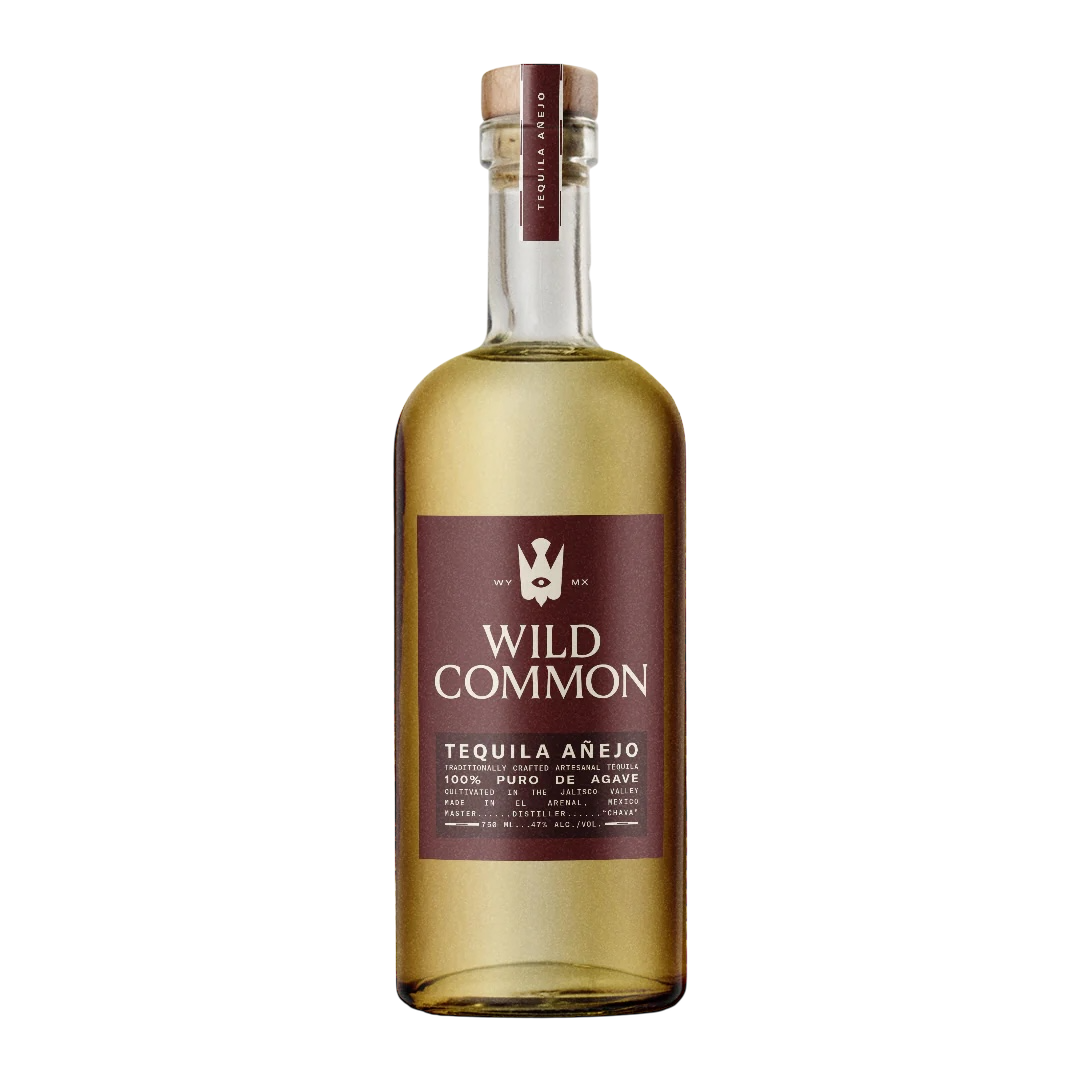
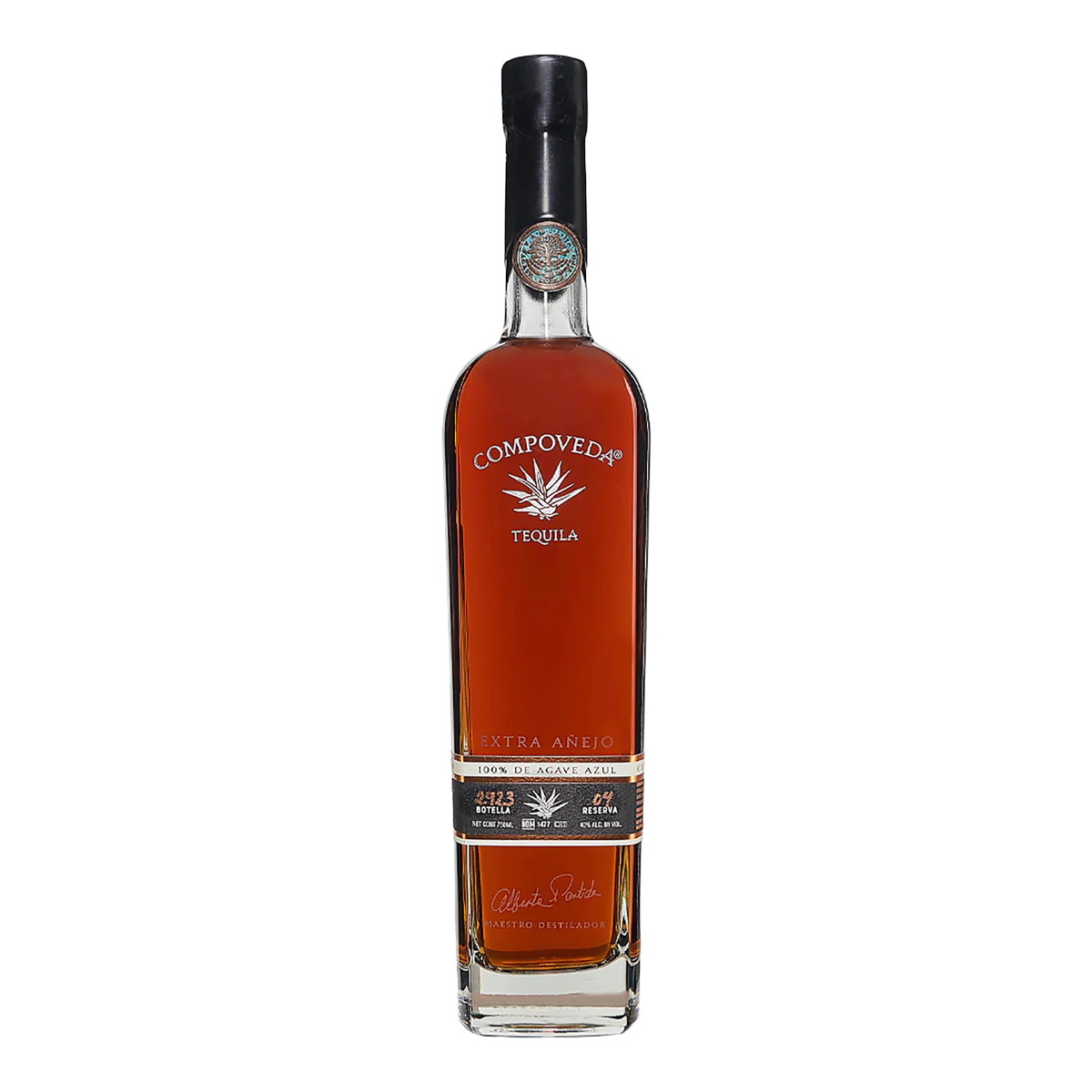
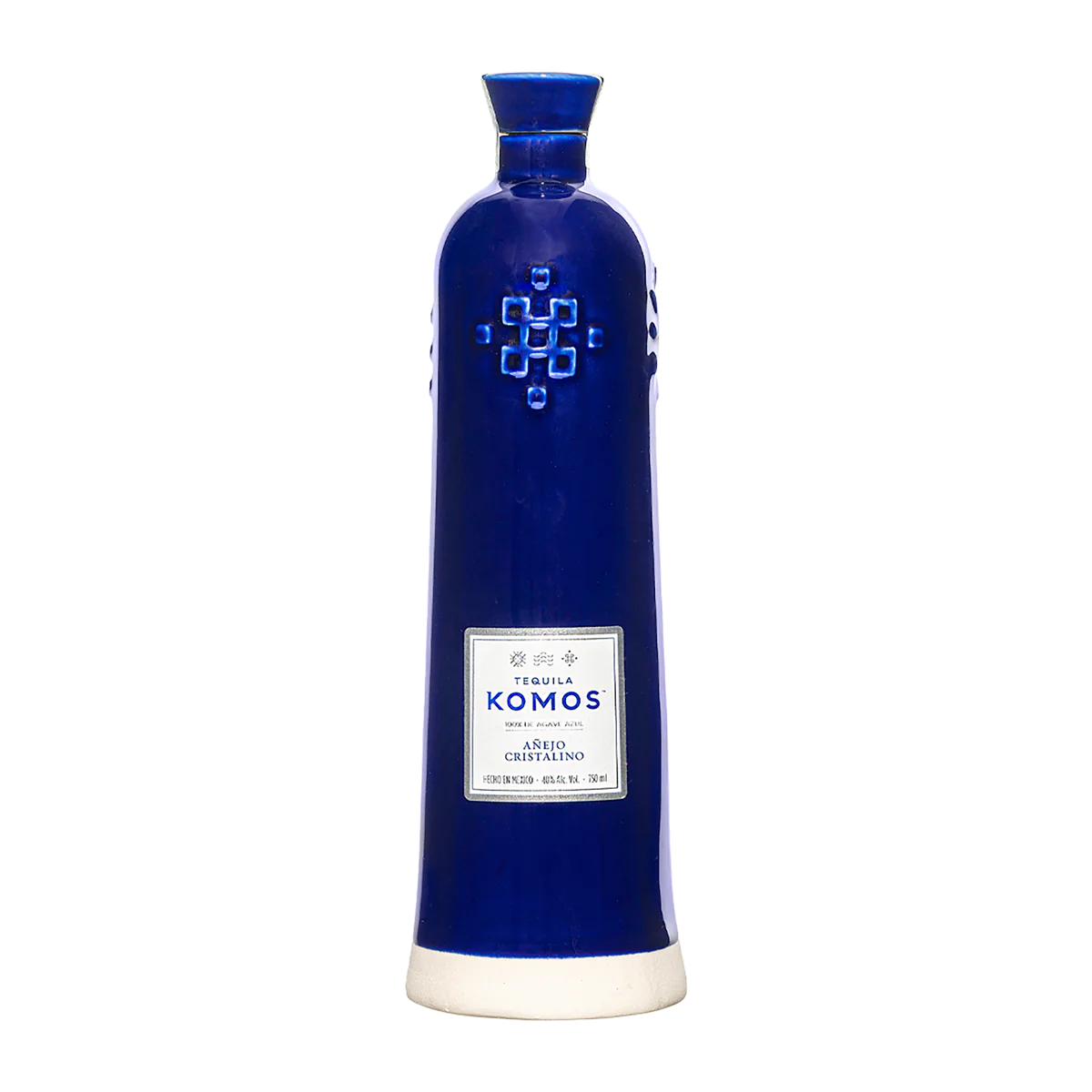
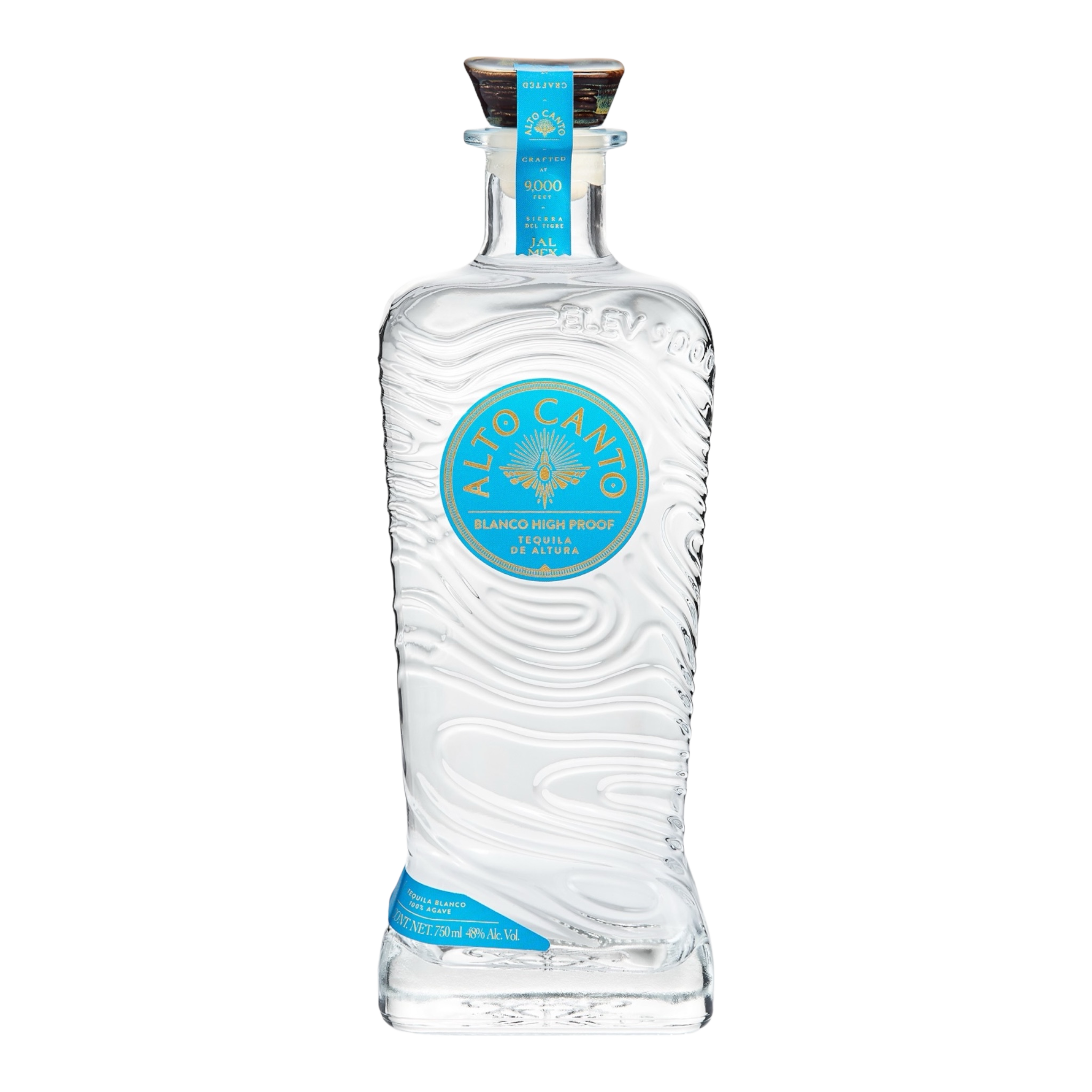



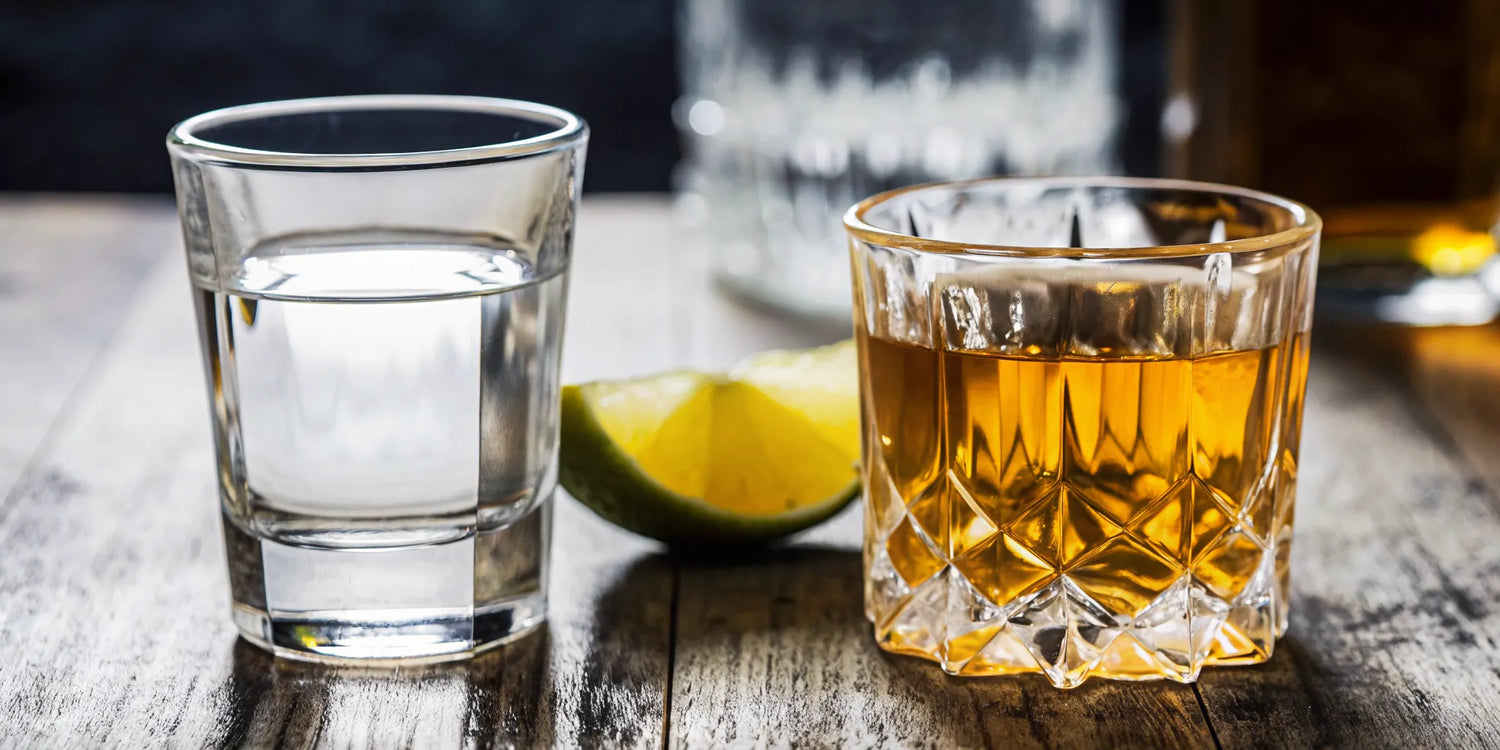
If you enjoy whiskey for its grain, oak, and long finish, tequila offers a different route to the same kind of thoughtful sipping experience. The key difference starts before either spirit reaches a barrel: one begins with cooked blue agave, while the other begins with fermented grain mash.
Shop our best-selling tequilas and find your first bottle before you dive into the comparison.
Tequila vs whiskey comes down to raw material, production, aging, and flavor. Tequila tends to bring cooked agave, citrus, pepper, and earthy notes, while whiskey often leans toward caramel, vanilla, oak, and baking spice. Neither spirit is automatically smoother; aging, proof, and your own palate matter more than category alone.
That makes tequila especially approachable for whiskey drinkers who like exploring how ingredients and maturation shape a pour. Once you understand where those differences come from, comparing the two becomes much more useful than treating either as a simple substitute for the other.
What Is the Difference Between Tequila and Whiskey?
At a glance, tequila and whiskey may seem similar: both are distilled spirits with distinct regional traditions, production choices, and aging styles. The biggest difference starts with the raw material. Tequila begins with blue agave, while whiskey begins with fermented grain mash. That single distinction shapes how each spirit is made, where it can come from, and what you notice in the glass.
| Tequila | Whiskey | |
|---|---|---|
| Base ingredient | Blue agave (Agave tequilana Weber) | Fermented grain mash (corn, barley, rye, or wheat) |
| Origin | Legally defined regions in Mexico | Produced worldwide, style defined by region and grain bill |
| Core flavors | Cooked agave, citrus, pepper, earthy notes | Caramel, oak, vanilla, baking spice |
| Aging categories | Blanco, Reposado, Anejo, Extra Anejo | Varies by style; straight bourbon and Scotch have legal minimums |
Agave, Terroir, and the Region
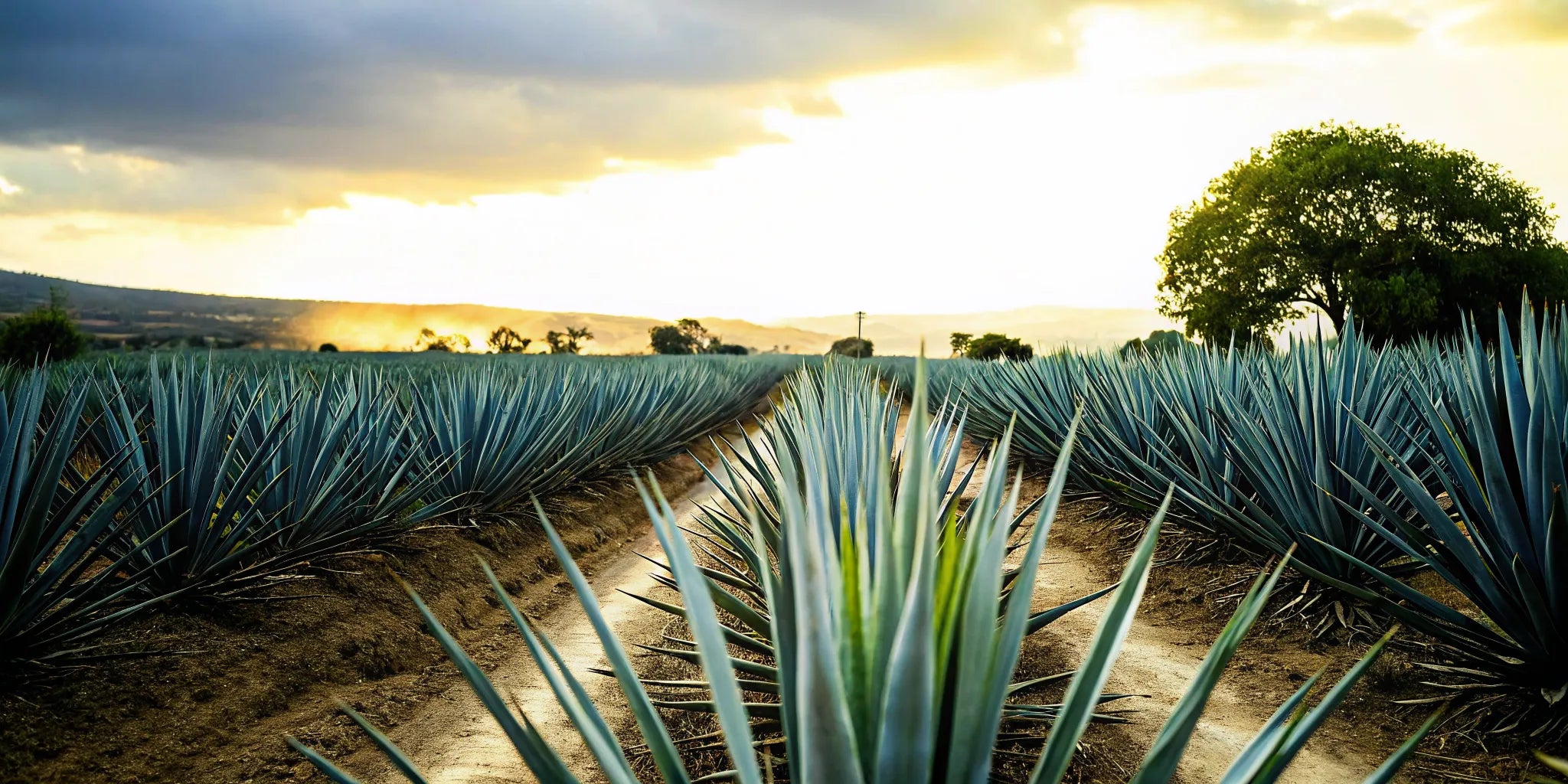
Tequila is produced specifically from Agave tequilana Weber, commonly called blue agave, as documented in this PubMed overview of tequila production. The plant must be grown and processed within Mexico's legally designated tequila-producing territory. That geographic requirement makes place part of tequila's identity. Climate, soil, altitude, and production choices can all contribute to how the cooked agave expresses itself.
Whiskey takes a different route. It is distilled from a fermented mash of grains, as described in this review of whiskey fermentation. The grain mix may include ingredients such as corn, barley, rye, or wheat, depending on the style. Whiskey is produced in many countries, so its identity is not tied to one nation in the same way tequila is. Instead, the grain bill, fermentation, distillation, cask, and local regulations help define the bottle.
Those grains matter before the whiskey ever reaches a barrel. Research comparing whiskeys made from different grain ingredients found that their aroma profiles vary with the mash composition. In other words, grain is not just a technical starting point; it can influence the character you smell and taste. Tequila's agave base creates a different foundation, often bringing cooked-plant, herbal, peppery, or earthy impressions that remain recognizable even when the spirit is aged.
Barrels influence both spirits, but they do not erase their origins. Oak can add vanilla, toast, spice, color, and roundness, yet an aged tequila still carries an agave center, while whiskey retains the character of its grain and fermentation. If you usually reach for bourbon or rye, our guide for whiskey drinkers exploring tequila is a useful place to start. The short version of tequila vs whiskey is simple: tequila is an agave spirit rooted in Mexico. While whiskey is a grain spirit whose style can travel across borders.
How Are Tequila and Whiskey Made?
Tequila and whiskey both begin with a raw ingredient, but the journey from field or grain bin to bottle is distinctly different. Tequila starts with blue agave, while whiskey starts with a fermented mash of grains. Here is what happens at each stage.
Tequila Aging Categories
1. Harvest the agave. Tequila is made from Agave tequilana Weber, commonly called blue agave. When the plants mature, jimadores remove the leaves and harvest the heart, or pina. The pina is the part that carries the stored sugars needed for fermentation. Learn more about blue agave and tequila production.
2. Cook the pina. Producers cook or roast the agave hearts to soften their structure and convert complex carbohydrates into fermentable sugars. This step also contributes to the cooked-agave character you may notice in the finished spirit.
3. Ferment the juice. The cooked agave is crushed, and its juice or fiber-rich liquid is combined with water and yeast. During fermentation, yeast consumes the sugars and creates alcohol along with flavor compounds.
4. Distill the fermented liquid. Distillation separates and concentrates the alcohol. Tequila is commonly distilled more than once, with the producer making careful cuts to keep the desired aromas and flavors while leaving behind unwanted compounds.
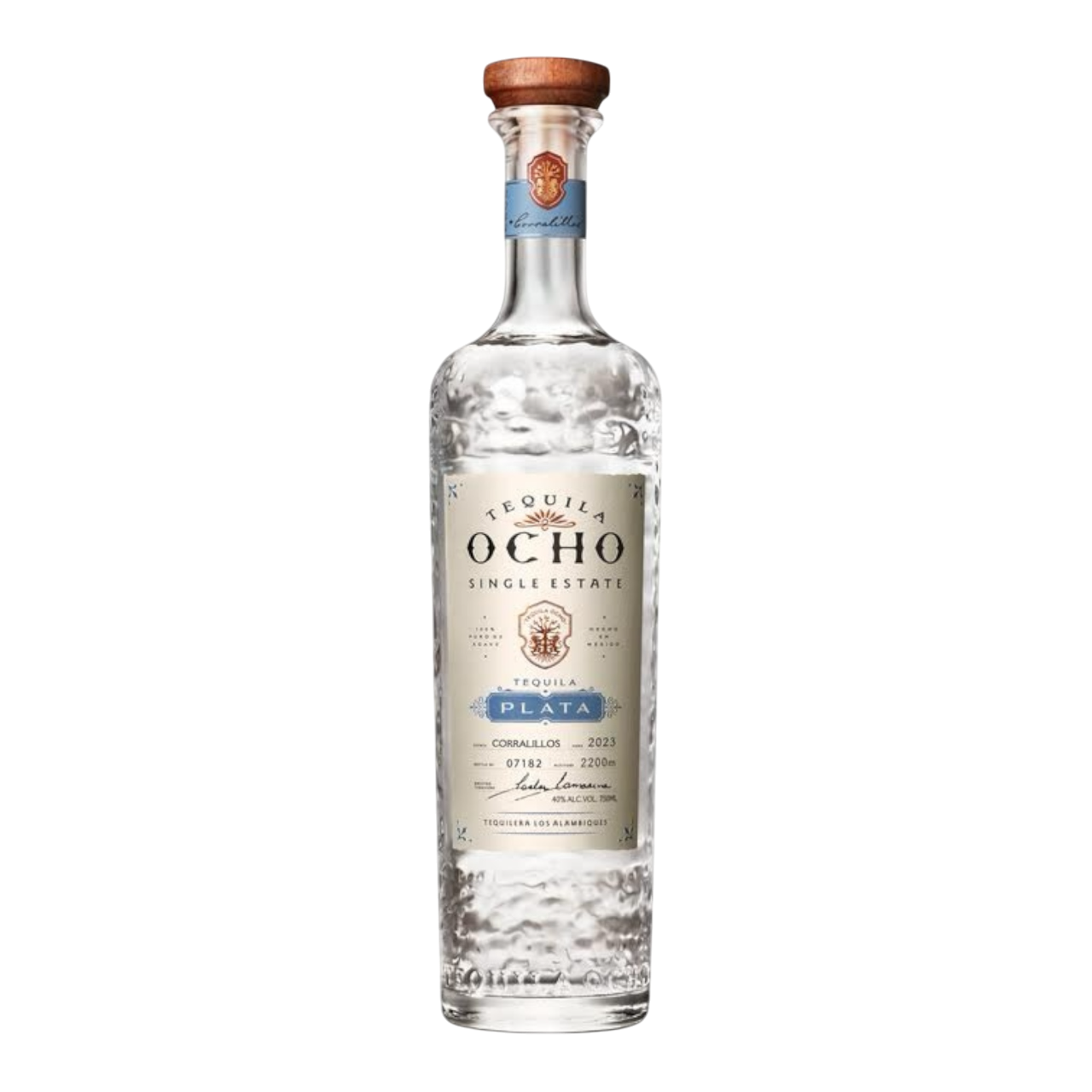
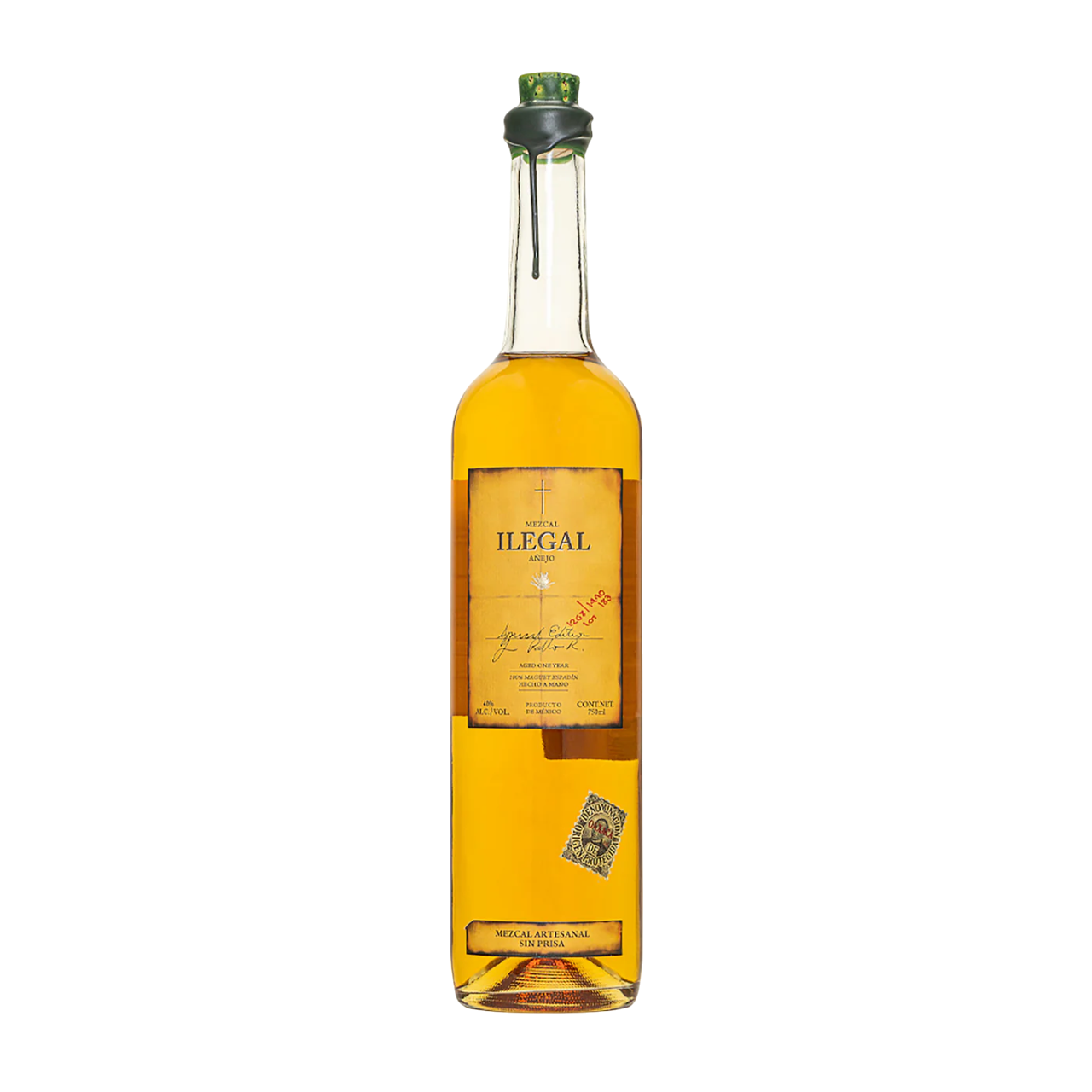
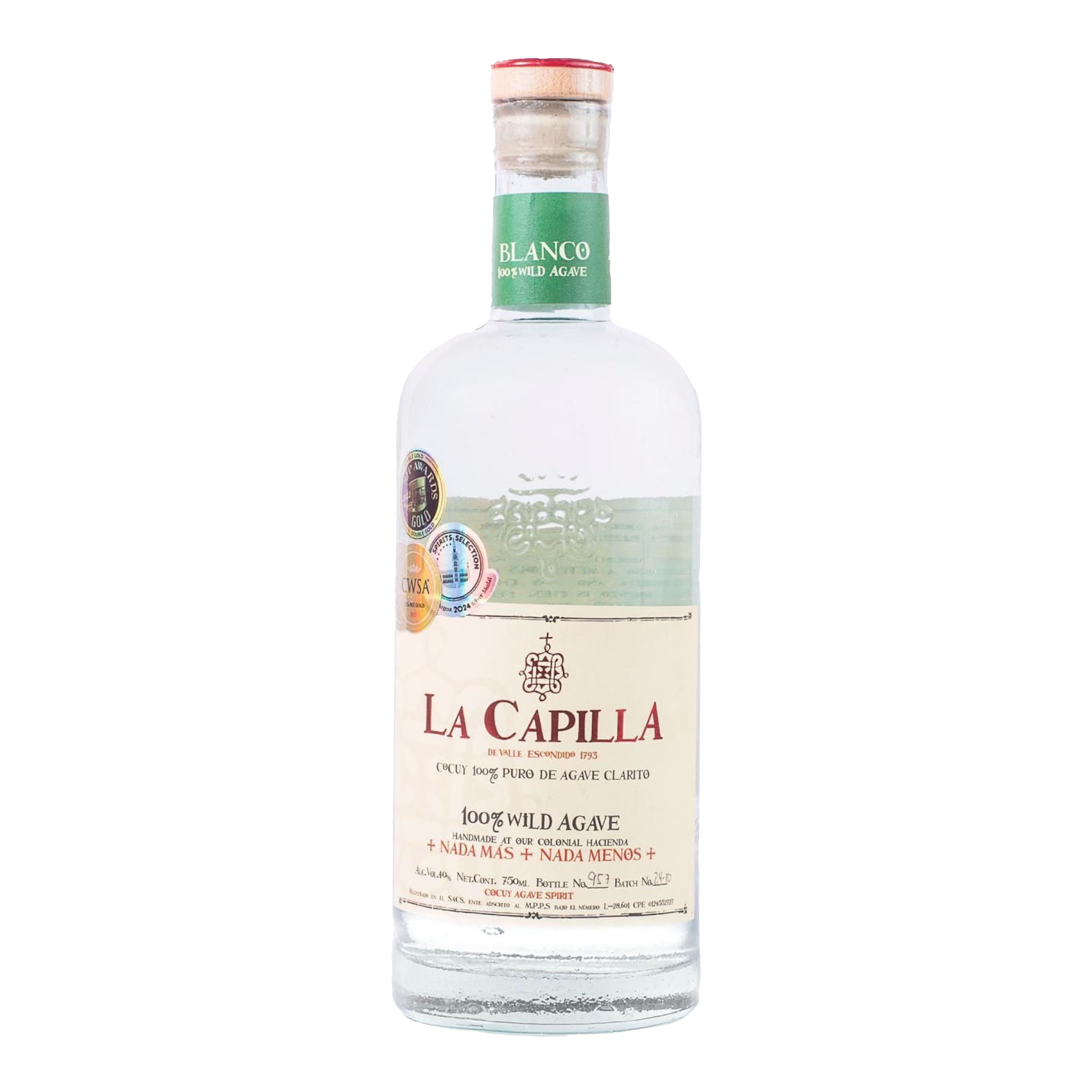
5. Choose whether to age it. A Blanco tequila is bottled with little or no barrel aging, allowing cooked agave and fresh vegetal notes to lead. Reposado is aged from 2 months to 1 year, Anejo from 1 to 3 years, and Extra Anejo from 3 to 5 years. Longer aging can add oak influence and complexity. For a closer look, explore this guide to aged tequila types.
What Whiskey's Grain Bill Means
1. Build the mash. Whiskey is made from a fermented mash of grains. The recipe, called the grain bill, may include barley, corn, rye, wheat, or a combination. Because different grains contribute different aromas, the grain bill helps shape the spirit before it ever reaches a barrel. Research on whiskey aroma and grain ingredients explores this relationship.
2. Malt and mash. When malted grain is used, it is allowed to germinate briefly so enzymes can develop. The grain is then dried, milled, and mixed with hot water. This mashing process converts starches into sugars.
3. Ferment and distill. Yeast ferments the sugary liquid, producing a beer-like wash. Distillation then concentrates the alcohol and refines the developing flavor profile.
4. Age in oak. Whiskey matures in oak barrels, often charred, where time allows the spirit to extract color and flavors such as vanilla, caramel, and spice. Straight bourbon is typically aged at least 2 years, while Scotch must mature for at least 3 years. Unlike tequila, whiskey does not use the Reposado, Anejo, and Extra Anejo categories, so the label and regional rules tell you more about its aging story.
Flavor and Tasting Notes Compared
Tequila and whiskey can both be layered, spirit-forward drinks, but they arrive at complexity from very different places. Tequila is typically earthy and agave-forward, with vegetal, peppery, citrus-like notes that can feel bright and savory. Blanco tequila shows this character most clearly because the spirit spends little or no time in a barrel.
Whiskey tends to lean warmer and darker, with familiar notes of caramel, oak, vanilla, baking spice, and toasted grain. The exact profile shifts with the mash bill and production style. Bourbon often brings corn sweetness, caramel, vanilla, and soft oak, while Scotch may offer orchard fruit, malt, dried fruit, or a distinctive peat-driven smoke. These are broad tendencies, not rules. Tequila and whiskey both span a wide sensory range.
Blanco, Reposado, and Anejo Compared to Whiskey
Think of tequila's age categories as a gradual shift in emphasis rather than a simple quality ladder. Blanco keeps the cooked-agave core front and center. It may taste crisp, peppery, herbal, or mineral, making it a natural starting point for anyone who wants to understand the raw character of the spirit.
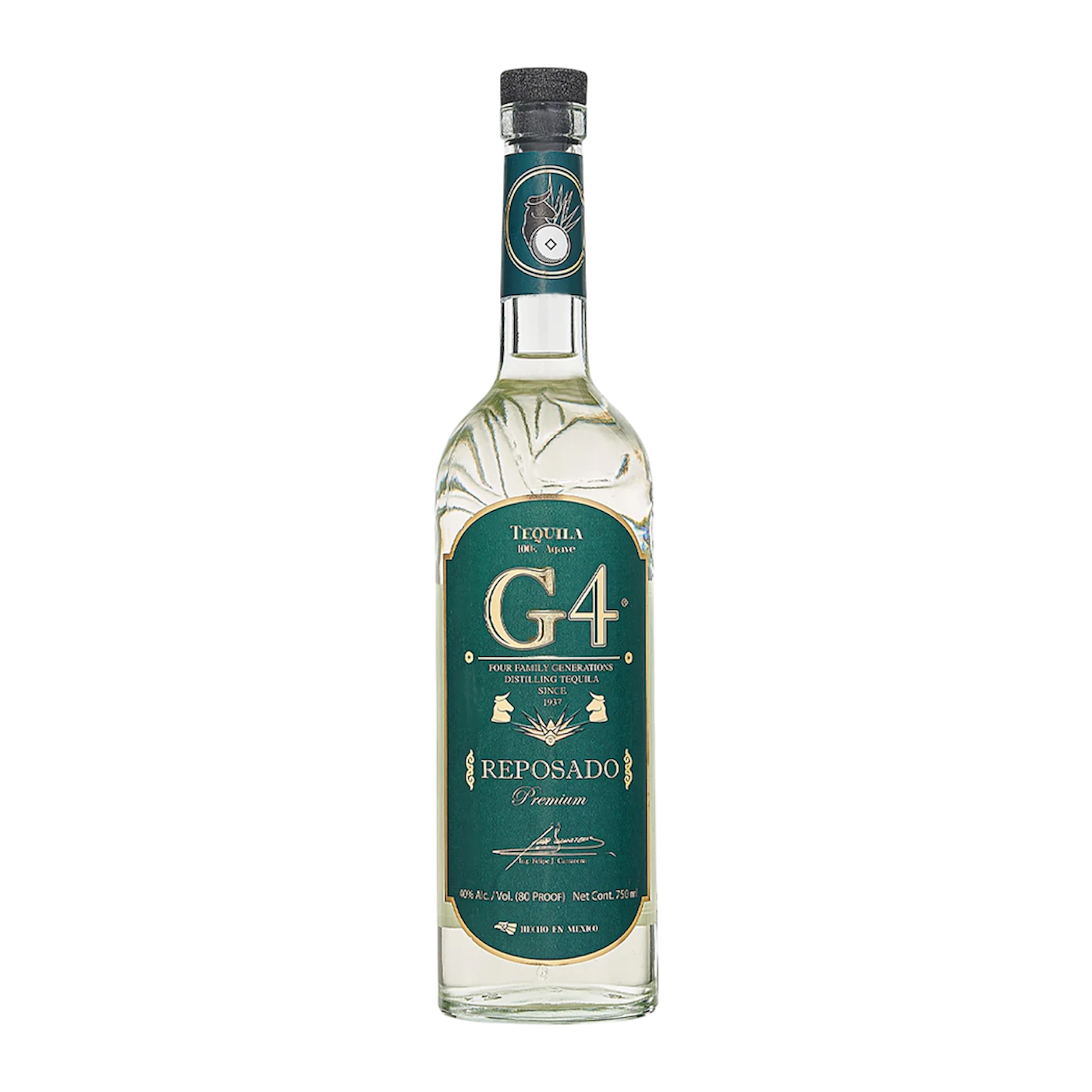
Reposado, aged from two months to one year, begins to round those edges. Time in oak can add vanilla, gentle baking spice, toasted notes, and a smoother texture while retaining recognizable agave. Anejo, aged from one to three years, usually carries more pronounced oak and vanilla, along with deeper caramel and dried-fruit impressions. Extra Anejo extends the process further, with categories spanning three to five years. Explore the tequila aging process for a closer look at how barrel time changes the glass.
For a bourbon drinker, a reposado or Anejo may provide the most familiar bridge. Look for oak, vanilla, caramel, and spice, but notice how cooked agave keeps the finish lighter and more vegetal than many bourbons. A Scotch drinker might appreciate blanco's pepper, citrus, and herbal lift, or an earthy Anejo with a dry, wood-driven finish. Tequila does not need to imitate whiskey to be compelling. Its appeal is the contrast between fresh agave and the flavors that oak gradually adds.
Which Is Smoother: Tequila or Whiskey?
There is no universal winner. A well-made, aged tequila can be every bit as smooth as a whiskey, while a young blanco tequila may feel brighter, more peppery, and more assertive. The same is true in reverse: some whiskeys are soft and rounded, while high-proof or cask-strength bottlings can deliver a much hotter sip.
What Actually Makes a Spirit Feel Smooth?
Smoothness is a combination of texture, aroma, alcohol intensity, and the flavors that remain after a sip. In tequila, aging is one of the biggest variables. Blanco tequila is bottled without extended barrel aging, so cooked agave, citrus, herbs, and pepper can stand out clearly. Reposado and anejo tequila spend time in oak, which can soften the spirit and add layers of vanilla, baking spice, and toasted wood. Reposado is aged from two months to one year, while anejo is aged from one to three years. Extra anejo is aged from three to five years. These categories are associated with different levels of complexity and smoothness, although time in a barrel does not automatically make every bottle better.
Whiskey smoothness is shaped by the grain bill, production choices, barrel influence, and proof. A whiskey made with a softer grain profile may taste rounder, while a higher proof increases the concentration of alcohol and flavor. Cask-strength whiskey can be rewarding, but it often benefits from a little water or a slower sip. That is not a flaw; it is a sign that the bottle is delivering more intensity.
It is also useful to distinguish a smooth finish from a mild spirit. An additive-free tequila may preserve a clean, direct agave character rather than tasting sweet or heavily polished. Likewise, a whiskey with prominent oak or spice can still be balanced and smooth even when its flavor is bold. Look for integration, not the absence of character.
Finally, smoothness is not a reliable predictor of how you will feel later. A sweeter-tasting spirit is not automatically easier on your system, and a peppery blanco is not automatically harsher in every context. Alcohol content, serving size, pace, and individual tolerance matter more than a simple tequila-versus-whiskey label. Taste slowly, pay attention to proof, and choose the profile you actually enjoy.
How to Choose Between Tequila and Whiskey
The best choice comes down to the flavors you already enjoy. If your whiskey order leans rich and oak-aged, start with an aged tequila. If you prefer bright, peppery, or grain-driven spirits, a blanco may be the more interesting first pour. Think of this as a swap guide. Not a contest: the goal is to find a tequila that gives your palate a familiar point of entry while still showing you something new.
What to Try Based on Your Whiskey Style
- Bourbon drinkers: Try a reposado or anejo. Bourbon's vanilla, caramel, and oak notes can make the transition to barrel-aged tequila feel intuitive. Reposado is aged from two months to one year, while anejo is aged from one to three years. Both can bring more rounded texture and oak-led complexity than a blanco.
- Rye whiskey fans: Start with a blanco tequila. Rye's peppery, lively character pairs naturally with blanco's bright agave flavor and herbal, earthy edge. Sip it neat first, then try it in a simple cocktail if you want to see how those sharper notes work with citrus.
- Scotch drinkers: Choose based on the Scotch style you enjoy. A lighter, more delicate Scotch fan may appreciate the clean vegetal character of a blanco. If you prefer a fuller, oak-influenced dram, explore anejo. Tequila and whiskey have different foundations, but both reward attention to aroma, texture, and finish.
- High-proof whiskey drinkers: Look for an additive-free extra anejo. Extra anejo is aged from three to five years, and its extended time in oak can provide the depth and length that high-proof whiskey drinkers often seek. Pour a modest amount and taste it slowly rather than judging it by the first sip alone.
These categories are starting points, not rules. Tequila flavor is generally earthy and agave-forward, while whiskey often brings caramel, oak, and spice, but production choices create plenty of variation within both spirits. For more ideas, see our guide to the best tequila for whiskey drinkers.
When comparing tequila vs whiskey at home, taste one spirit at a time in a clear glass. Begin with the least-aged option, then move toward more oak and complexity. You can browse the full Tequila collection and choose a bottle that matches the style you already know, or use the opportunity to explore beyond it.
Browse our best-selling tequilas and pick the pour that fits your palate.
Frequently Asked Questions
What is the main difference between tequila and whiskey production?
Tequila is made from blue agave, specifically Agave tequilana Weber, while whiskey is distilled from fermented mash made with grains. That starting ingredient shapes the spirit's character before aging enters the picture. Learn more about blue agave research and whiskey fermentation and grain mash.
Which is smoother, tequila or whiskey?
Neither spirit is automatically smoother. In tequila, aging can add roundness and complexity, with Reposado, Anejo, and Extra Anejo offering progressively longer barrel aging. Whiskey's feel is often influenced by its grain bill and proof. Taste a lower-proof pour slowly, then compare it with an aged tequila to see which texture suits you.
Can tequila drinkers enjoy whiskey?
Absolutely. If you enjoy the roasted, earthy side of an aged tequila, try a whiskey with oak and spice. If you prefer bright, clean tequila, start with a lighter whiskey and serve it neat or with a small splash of water. The best bridge is to compare aromas and finish rather than treating either spirit as a shot.
Does tequila taste better than whiskey?
That comes down to your palate, not a universal ranking. Tequila is commonly associated with earthy, agave-forward flavors, while whiskey often brings caramel, oak, and spice. Try each without a strong mixer, note the aroma, first sip, texture, and finish, then choose the profile you would genuinely want to sip again.
Ready to explore tequila for your whiskey palate?
Knowing how agave, aging, and barrel influence flavor makes it easier to choose a bottle that fits the way you like to sip. Shop our best-selling tequilas and explore the collection to find a thoughtful starting point, whether you prefer bright vegetal notes, oak influence, or a smoother finish. Take your time, pour with intention, and see which style earns a place in your home bar.