



There's a small detail on the back of every bottle of tequila that quietly tells you more than the front label ever will. Most people walk right past it. Once you know how to read it, you'll never shop for tequila the same way again.
It's the NOM. Here's everything it means, everything it doesn't, and how to put it to work.
What does NOM stand for?
NOM stands for Norma Oficial Mexicana. On a bottle of 100% agave tequila, you'll find it printed near the bottom of the back label: the letters "NOM" followed by four digits.
Every certified tequila producer in Mexico is required to print it. The number itself is assigned and tracked by tequila's regulatory body, the Consejo Regulador del Tequila, better known as the CRT. The CRT keeps records of every brand produced at every certified distillery.
If you want the foundational version, we cover it in What Is a NOM?. This is the deeper cut.
What the four digits actually mean
The four-digit number is the distillery where your tequila was made. Not the brand. Not the town it came from. The specific production house.
So the brand name on the front tells you who is selling the tequila. The NOM tells you where it was physically produced. They are not always the same company, and that gap is exactly what makes the NOM so useful. It is the closest thing tequila has to a transparent origin label.
One distillery, many brands
Here's the part that surprises people.
There are thousands of tequila brands on the market, but fewer than 150 active distilleries producing them. The math only works one way: a single distillery often makes many different brands.
Same stills. Same water source. Sometimes the same master distiller. Different labels on the front. This isn't a scandal, it's simply how the industry works, and it has for decades. Even some major names got their start sharing distillery space with others.
What a shared NOM does NOT tell you
This is where most quick explainers stop, and where the real understanding begins.
A shared NOM does not mean two tequilas are identical. A single distillery can run completely different recipes, agave sources, fermentation styles, still configurations, aging programs, and proof points for each brand it produces. One brand might be additive-free and traditional. Another made at the same address might use a diffuser or additives.
Think of a shared NOM as shared parentage, not a copy. Same house, different character. It points you toward a family resemblance, not a guarantee of sameness.
It also does not tell you the location of the distillery, only the producer or the plant where the tequila was made. And it is not, by itself, a quality score. A great NOM can make an average brand, and a respected NOM can still carry a few duds.
How to actually use the NOM when you shop
Here is the practical payoff.
Found a bottle you love? Note its NOM. Then look for another brand made at that same distillery. There's a good chance it shares the production style and character you already fell for, often at a different price point.
The NOM also rewards curiosity. A distillery focused on traditional, additive-free production tends to carry that philosophy across the brands it makes. Pair the NOM with the rest of what's on the label, and you can tell craft from mass production before you ever taste it.
See it in your glass: taste one distillery's range
The fastest way to understand any of this is to taste a single distillery's range side by side. We built bundles that do exactly that.
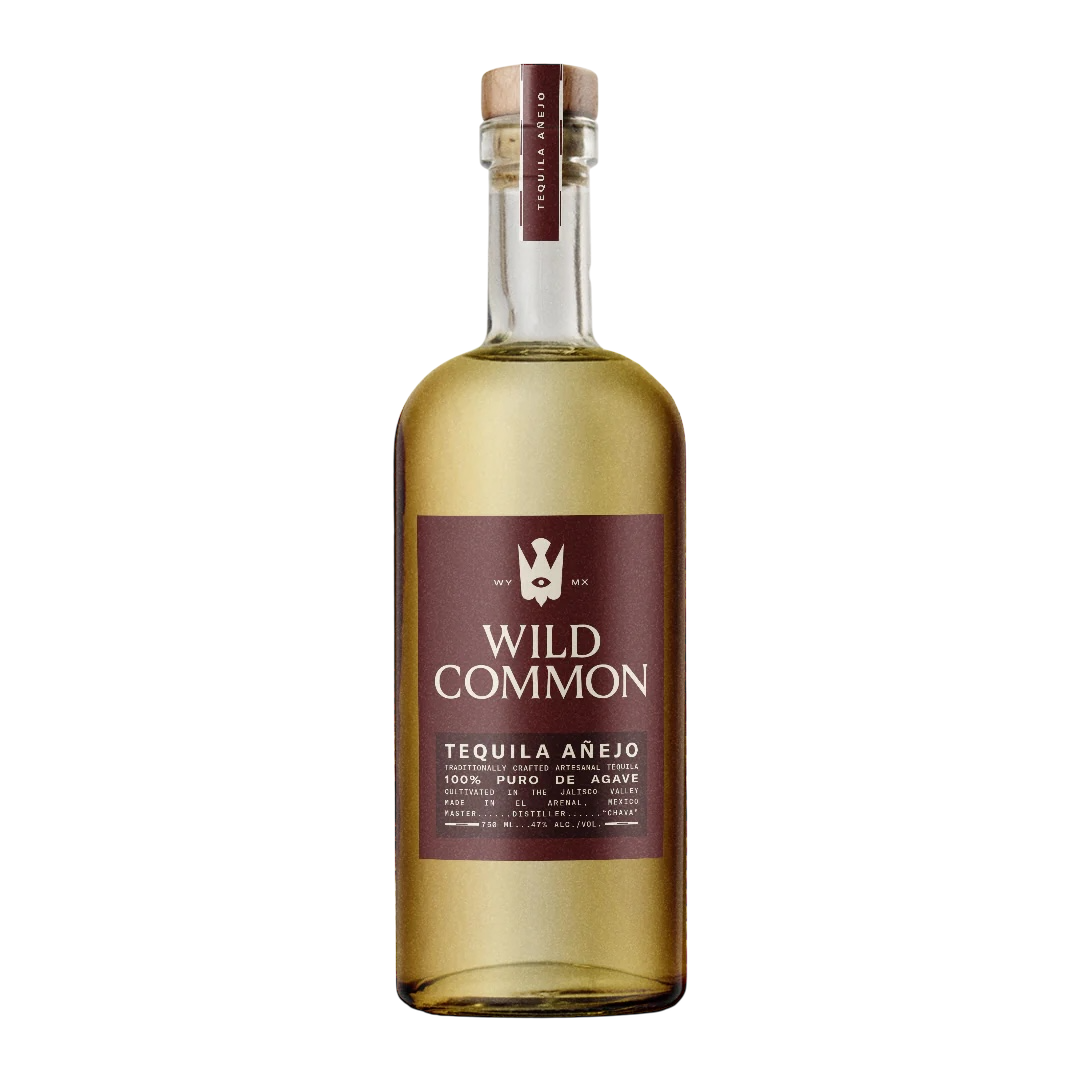
The NOM 1123 Flight is the clearest example we have. NOM 1123 is Destilería Cascahuín, a family-run, additive-free distillery in El Arenal. Cascahuín doesn't just bottle its own brand. It also produces for respected artisanal labels like Wild Common and ArteNOM. The flight puts three blancos from that one distillery next to each other:
- Cascahuín Plata 48, bottled unfiltered straight from the still at 92 proof
- Wild Common Blanco, a clean, juicy, full-flavored 84 proof
- ArteNOM 1123 Blanco, rested in mezcal-soaked brandy casks for a truly distinct profile
Three brands. One set of hands. Three completely different pours.
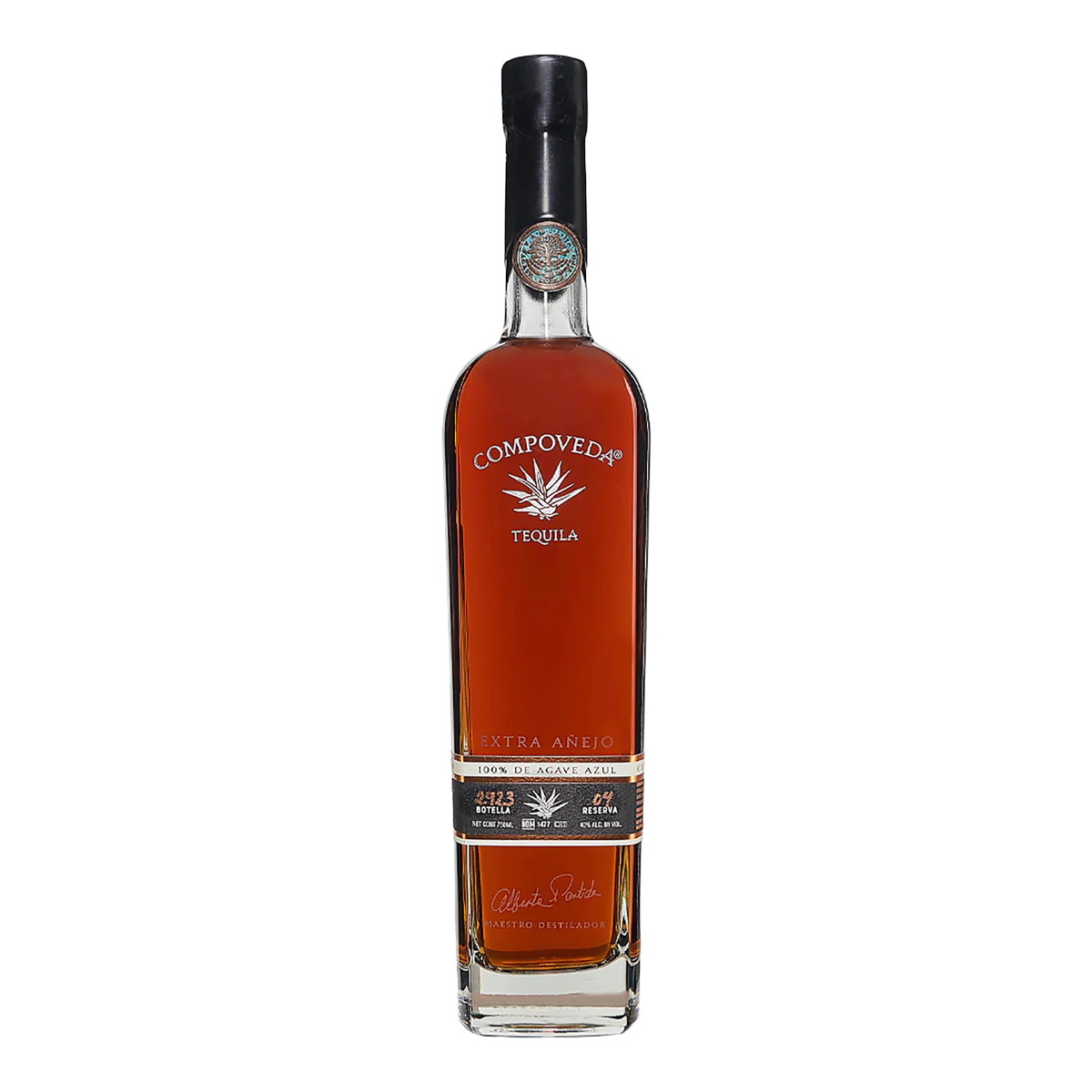
Prefer your agave aged? The NOM 1477 Extra Añejo case tells the same story at the top of the aging spectrum, bringing together Compoveda, Don Alberto, and Cava de Oro extra añejos, all produced at one distillery.
And if you want to go even deeper on a single brand, our family collections gather one producer's full range in a single box.
The takeaway
Next time you're choosing a bottle, flip it over and read the NOM. It's a tiny number with a big payoff: a direct line to where your tequila was born, a map to your next favorite bottle, and a quiet reminder that the label on the front is only half the story.
Class dismissed. Salud.
SHOP THE NOM 1123 FLIGHT | SHOP ALL FLIGHTS | SHOP BUNDLE & SAVE