


Walk down any tequila aisle and the word craft is everywhere. On labels, on shelf talkers, sometimes in the name of the brand itself. Here is the problem: it does not mean anything official. The rules that govern tequila (NOM-006, Mexico's official tequila standard) define the categories, blanco through extra añejo, and the line between 100% agave and mixto. They say nothing about craft. Any brand can print it.
So when we say a brand is craft, we mean something specific. Five things, and a brand has to get all five right. The industry is moving this way too. The Tequila Report's 2026 study found craft brands grew 28.5% while the big names declined 1.5%, and 84% of engaged drinkers now expect additive-free. People are paying attention to what is in the bottle. Here is what we look for.
1. Nothing but agave, and nothing added
Start with the easy part. "100% de agave" on the label means every drop was distilled from Blue Weber agave. Without those words the tequila is a mixto: at least 51% agave sugars, and the rest can come from other sugars like cane. Craft starts at 100%.
The harder part is what goes in after distillation. Mexican tequila rules allow four additives, called abocantes, in joven, reposado, añejo and extra añejo: caramel color, oak extract, glycerin and sugar-based syrup. Together they can make up to 1% of the liquid, and nothing on the label has to say so. A bottle can carry all four and still read 100% de agave. Blanco is the exception. By the rules, water is the only thing that goes into a blanco after it comes off the still.
That 1% does a lot of work. Glycerin rounds out a thin mouthfeel. Oak extract and caramel make a young tequila look and taste older than it is. Sweeteners cover harsh edges. None of it is dangerous. It just means you are tasting the additives instead of the agave.
"Additive-free" is not a legal term, and right now it is a contested one. The Consejo Regulador del Tequila (CRT), the industry's regulator, says the claim cannot be certified, pressured brands to drop it in 2024, and in March 2025 sued the Additive Free Alliance, the nonprofit that grew out of Tequila Matchmaker and tests bottles in a lab and by tasting. Whatever the courts decide, the thing we look for is simple: a brand that is open about its process and makes tequila that does not need help. We wrote a longer guide on what additive-free tequila means, and our additive-free shelf is built from it.
2. A distillery you can name
Flip any bottle of tequila over and you will find a four-digit NOM number. That number is the distillery, not the brand, and the difference matters. By The Daily Pour's 2023 count, more than 1,600 registered brands come out of about 135 distilleries. A lot of labels share a building.
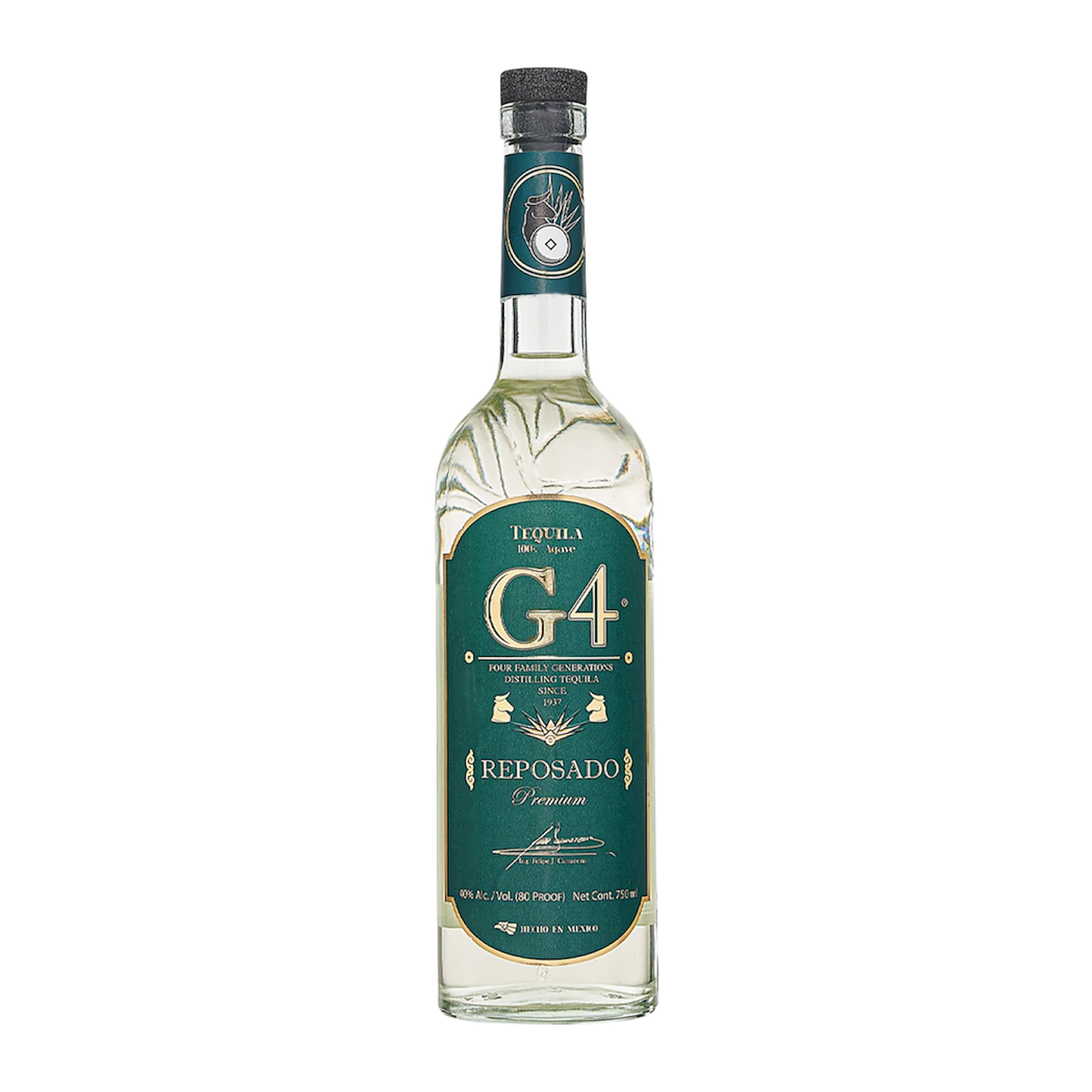
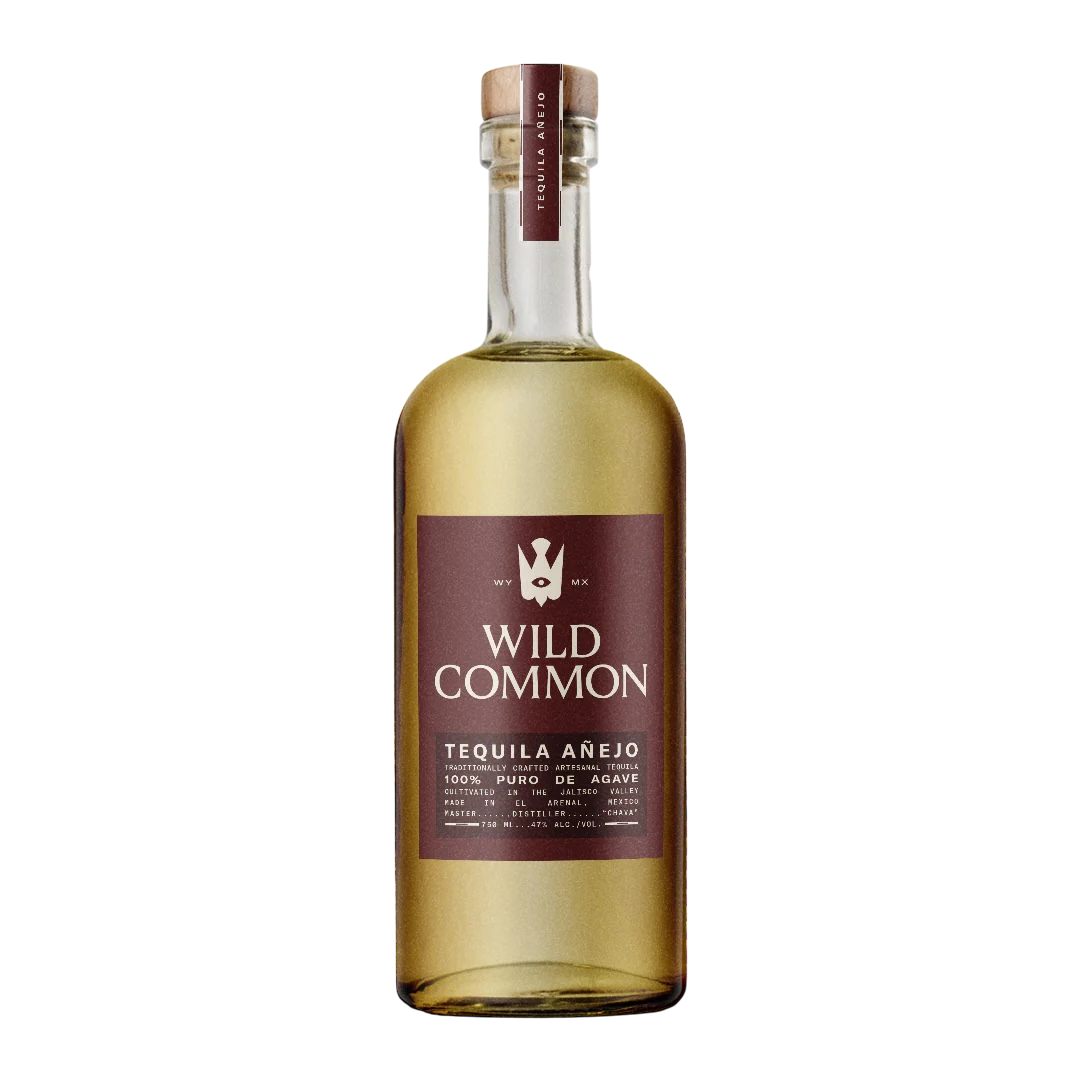
Sharing a distillery is not a crime. Some of the best tequila in Mexico comes from distilleries that make several brands. But a craft brand tells you where it is made and who makes it before you have to look it up. The town, the distillery, the master distiller. G4 is Felipe Camarena at El Pandillo in Jesús María. The Lost Explorer is Enrique de Colsa at NOM 1258 in Amatitán. Wild Common is Salvador "Chava" Rosales at NOM 1123 in El Arenal. When a brand will not tell you that, ask why.
3. The slow way
Tequila has a shortcut at every step, and each one trades flavor for speed. The craft version is the slow version.
- Cooking. Agave piñas cooked in stone or brick ovens for a day or more caramelize slowly and taste like it. Autoclaves, industrial pressure cookers, do it in hours. A diffuser barely cooks at all. It shreds raw agave and strips the sugars out with hot water, sometimes with acid, in a fraction of the time. Cheap, efficient, and where a lot of the flavor goes missing.
- Milling. A tahona, the big stone wheel, crushes the cooked agave slowly and keeps the fibers in the mix. Roller mills are the modern standard, and plenty of craft brands use them or blend both. What matters is that the brand will tell you which.
- Fermentation. Open tanks, longer ferments, a yeast the distillery chose on purpose. Lost Lore and The Lost Explorer both ferment with champagne yeast. G4 runs on a 50/50 blend of collected rainwater and spring water. These are the decisions that make one blanco taste different from the next.
- Distillation. Twice through copper pot stills, with the heads and tails cut by a person. Column stills are faster and cleaner, and clean is not the point.
You will not find every one of these on every craft label. You will find a brand that is proud to tell you which ones it uses. G4 cooks for 22 hours in stone ovens and crushes with a handmade tahona. The Lost Explorer cooks for 42 hours. Those numbers are on the bottle because the brand wants you to know.
4. Batches, not oceans
Craft tequila is made in lots, and the lot shows. Wild Common prints it on the bottle; its blanco is Lot 1. Smaller runs mean the distiller tastes what goes out, so the bottle you buy in March tastes like the one you bought in November. It also means things sell out, which is annoying and also the point.
Small does not have to mean expensive. The Tequila Report found 87% of drinkers will not pay more than $55 for a blanco, and most of the craft blancos on our shelf sit in that range, from $27.99 to $59.99. Price is not the marker. Scale is.
5. The brand is the tequila
The last test is the simplest. Is the tequila the point, or is the name on the front the point? Plenty of famous people have put their name on a bottle, and some of them care a great deal about what is inside. A craft brand just leads with the liquid, the distiller and the process, and the marketing follows. Lalo Blanco is the clearest example we carry. Eduardo "Lalo" González, grandson of Don Julio González, makes one expression, a blanco, and nothing else. The brand is the tequila. There is nowhere to hide.
Seven brands that pass
These are the same seven we pulled from The Tequila Report's list of fast-growing craft brands. We carry all of them.
- G4 Blanco, $49.99. Felipe Camarena at El Pandillo, Jesús María. 22 hours in stone ovens, a handmade tahona, copper pot stills, rainwater and spring water.
- Wild Common Blanco, $54.99. Salvador "Chava" Rosales at NOM 1123, El Arenal. A higher-proof blanco that blends tahona and roller mill distillates. Lot 1.
- Lost Lore Blanco, $59.99. Sergio Cruz at NOM 1414 in Los Altos. Stone brick ovens, champagne yeast, copper pot stills, zero additives.
- The Lost Explorer Blanco, $49.99. Enrique de Colsa at NOM 1258, Amatitán. Agave harvested at six to seven years, 42 hours in stone ovens, champagne yeast.
- Zumbador Blanco, $27.99. Brick ovens, copper pot stills, bottled unaged. The best argument on this list that craft does not have to cost more.
- La Gritona Reposado, $59.99. Vinos y Licores Azteca, NOM 1533, Valle de Guadalupe. Eight months in used American whiskey barrels and a light hand on the oak.
- Lalo Blanco, $49.99 (also in 1L). Eduardo "Lalo" González in the Highlands. One expression, additive-free, no shortcuts.
The short version
Nothing but agave and nothing added. A distillery you can name. The slow way. Batches, not oceans. A brand that is the tequila. Five checks, and a brand needs all five. If you want the shelf that already passed, start here.