

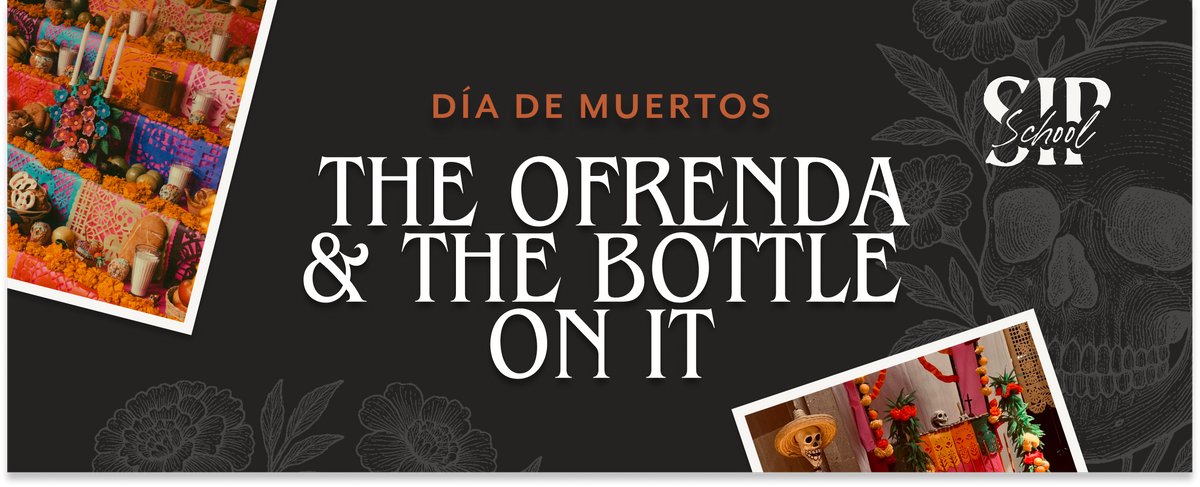
Today is November 2, Día de los Fieles Difuntos, the day families across Mexico set a place for the people they've lost. The candles are lit, the marigolds are out, and somewhere on the altar there's a glass of what they used to drink.
A few producers make a bottle just for the season. Below is every Día de Muertos release we carry, this year's and the past editions collectors still look for, followed by a short history of the day and the ofrenda.
Viva México Mis Santos and Mis Muertos (new, pre-sale)
Viva México made a blanco and a reposado for Día de Muertos this year. Both are on pre-sale and ship in November.
- Viva México Mis Santos Blanco, $99.99. Cooked 34 hours in a masonry oven, with wood in the oven for a smoky edge. Fermented 240 hours and bottled at its original strength, 52.5% ABV. Mineral, citrus and wet earth.
- Viva México Mis Muertos Reposado, $109.99. A blend of tequila aged 5.6 months in French barrels and 8.4 months in American barrels, bottled at 47.8% ABV. Fruit, spice and chocolate.
Clase Azul: a new decanter every year
Clase Azul 2026 Día de los Muertos Edición Limitada Trascender, $2,199.99. Master Distiller Viridiana Tinoco blended two añejos, each aged more than 30 months: one finished in former Champagne casks, one aged in American whiskey casks. The hand-painted decanter shifts from blue to magenta, inspired by the mano de león blossom used on ofrendas, with 24-karat gold brushstrokes rising to two marigolds. It's Clase Azul's first standalone Día de Muertos release after the Nuestros Recuerdos series (2021 to 2025).
Two past editions, both sold out:
- Clase Azul Día de los Muertos 2025, the final chapter of the Nuestros Recuerdos series.
- Clase Azul 2024 Día de los Muertos Música Edition, an añejo aged 26 months in American whiskey and Scotch casks, with a Catrina playing the accordion on the decanter.
G4 Madera editions
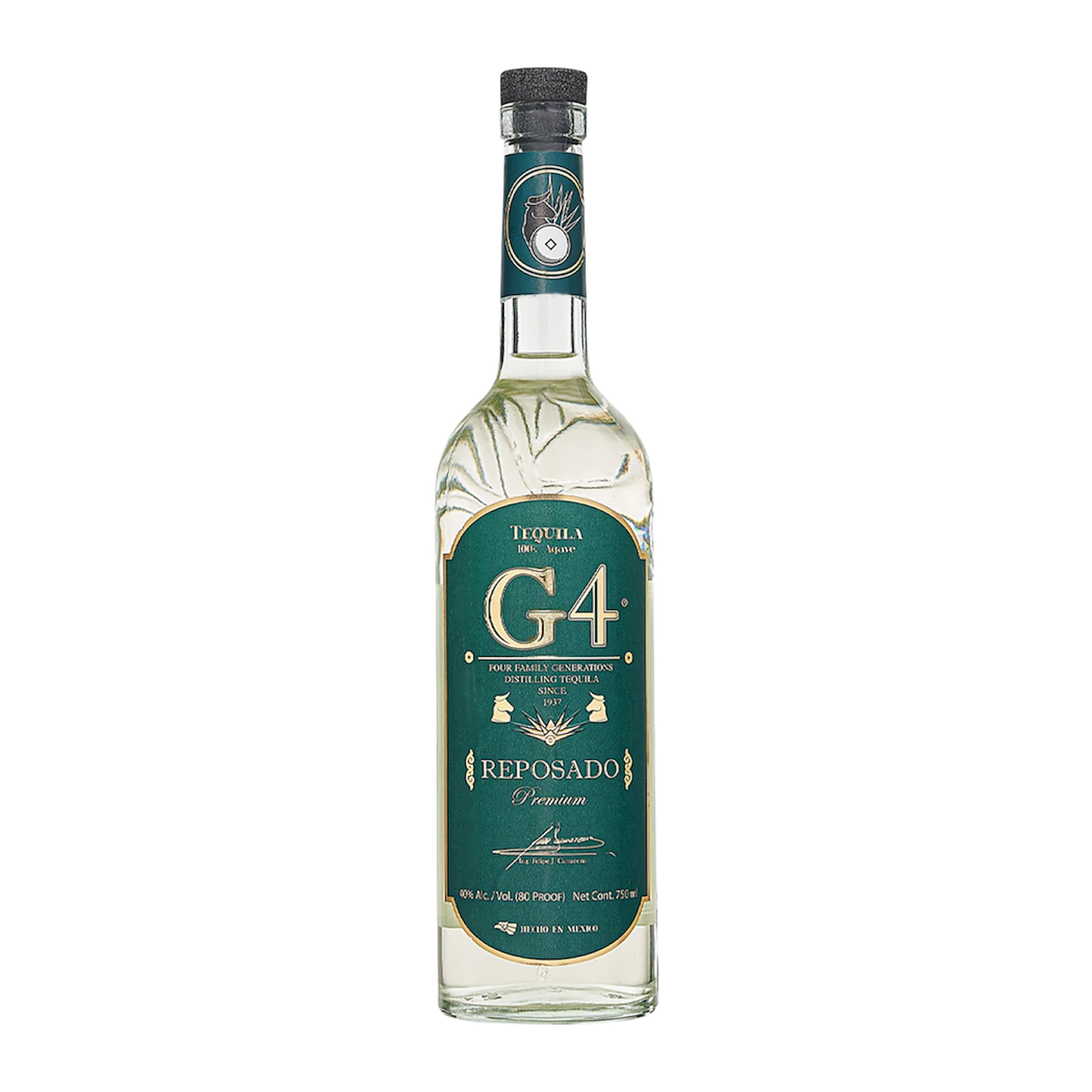
G4 is made by Felipe Camarena at El Pandillo. More in our G4 guide.
- G4 Añejo de Madera Día de Muertos 2025 Special Edition, $299.99. Aged 12 months in George Dickel Tennessee whiskey barrels at El Pandillo, in a hand-crafted wooden box.
- G4 Reposado Madera Día de Muertos 2024 and 2023 Editions, both sold out. The 2023 edition was fermented in new pine wood tanks and released as 5,000 hand-numbered bottles. Shop G4
Padre Azul in the skull bottle
Padre Azul Double Barrel Añejo Special Edition, $149.99, and Padre Azul Reposado Single Barrel, $129.99. Both come in Padre Azul's hand-sculpted skull bottle.
Yeyo Joven Sol and Luna Vol. II
Yeyo Joven Sol Vol. II and Yeyo Joven Luna Vol. II, $109.99 each. Both are 75% reposado and 25% blanco, aged 11 months in ex-spiced apple cider casks (Sol) or ex-peach wine casks (Luna).
Bozal Cempasúchil Mezcal
Bozal Cempasúchil Mezcal, $119.99. Bozal adds marigolds, native orange peel, mango and guava to its ancestral clay pot stills for the final distillation. Cempasúchil is the marigold that guides souls home.
Don Julio 70 Día de Muertos 2025
Don Julio's 2025 Día de Muertos añejo cristalino, with artwork by Willy Chavarria, is sold out. Shop Don Julio
Shop every bottle in one place: Día de Muertos at Sip.
Where Día de Muertos comes from
Long before the Spanish arrived, Mesoamerican peoples honored their dead with food and objects meant to carry them on the journey to Mictlán, the underworld (La Nación).
In the sixteenth century, Europeans brought the Catholic feasts of All Saints and All Souls. The two traditions merged into the celebration Mexico keeps today. UNESCO describes it as a blend of pre-Hispanic rites and Catholic feasts, held from late October into early November, at the end of the annual maize cycle.
UNESCO first proclaimed the "Indigenous festivity dedicated to the dead" in 2003 and inscribed it on its list of the Intangible Cultural Heritage of Humanity in 2008.
Two days, two kinds of remembering
November 1 is Todos Santos, set aside for children who have died, often called angelitos. November 2 is Día de los Fieles Difuntos, for adults (La Nación). We wrote more about the children's day in Celebrating Día de Muertos.
The ofrenda, piece by piece
An ofrenda is a home altar built to welcome a soul back. No two look alike, but most share the same pieces, and each one has a job (Mexico News Daily).
- Photographs show which spirits are being welcomed home.
- Water is for a thirsty soul after a long trip.
- Candles light the way home in the dark.
- Copal, a resin incense, carries prayers and purifies the air.
- Cempasúchil, the marigold, guides souls to the altar with its color and scent. The name comes from the Nahuatl cempohualxochitl: twenty, or many, flowers (Museum of Latin American Art).
- Papel picado, cut paper flags, stands for wind and the fragile line between life and death.
- Sugar skulls come small for children and larger for adults.
- Pan de muerto stands for generosity and the cycle of life.
- Their favorite food and drink: tamales, sugar cookies, a bottle of tequila. Whatever they loved.
Our earlier guide, All About El Día de Muertos, covers more of the altar, including salt.
How La Catrina became the face of the holiday
The elegant skeleton in the wide hat started as satire. In 1912, Mexican engraver José Guadalupe Posada etched La Calavera Garbancera, a skeleton in French fashion that mocked people who powdered their faces to pass as upper class (PBS NewsHour).
Frances Toor and Diego Rivera named her Calavera Catrina in a 1930 book of Posada's engravings. In 1947 Rivera put her at the center of his mural Dream of a Sunday Afternoon in Alameda Park. Today she shows up on everything from face paint to decanters.
The parade is newer than you think
Mexico City's Día de Muertos parade looks like it has run for centuries. The first one was in 2016, and the idea came from the 2015 James Bond film Spectre (The Boston Globe).
Why there's a bottle on the altar
The drink on an ofrenda is an invitation: the thing they loved, poured and waiting. Mexico News Daily's guide to ofrendas lists tequila right next to tamales and sugar cookies.
Weighing a limited release? Our Limited Edition Tequila Bottles guide covers what to look for. Pouring for a group tonight? Here's how to host a tequila tasting.
Sources
- UNESCO, Indigenous festivity dedicated to the dead
- La Nación, why Día de Muertos falls on November 1 and 2 (Spanish)
- Mexico News Daily, An illustrated guide to Day of the Dead ofrendas
- Museum of Latin American Art, Cempasúchil flower meaning
- PBS NewsHour, How La Catrina became the iconic symbol for the Day of the Dead
- The Boston Globe, Mexico's Day of the Dead gets Hollywood treatment (2016)