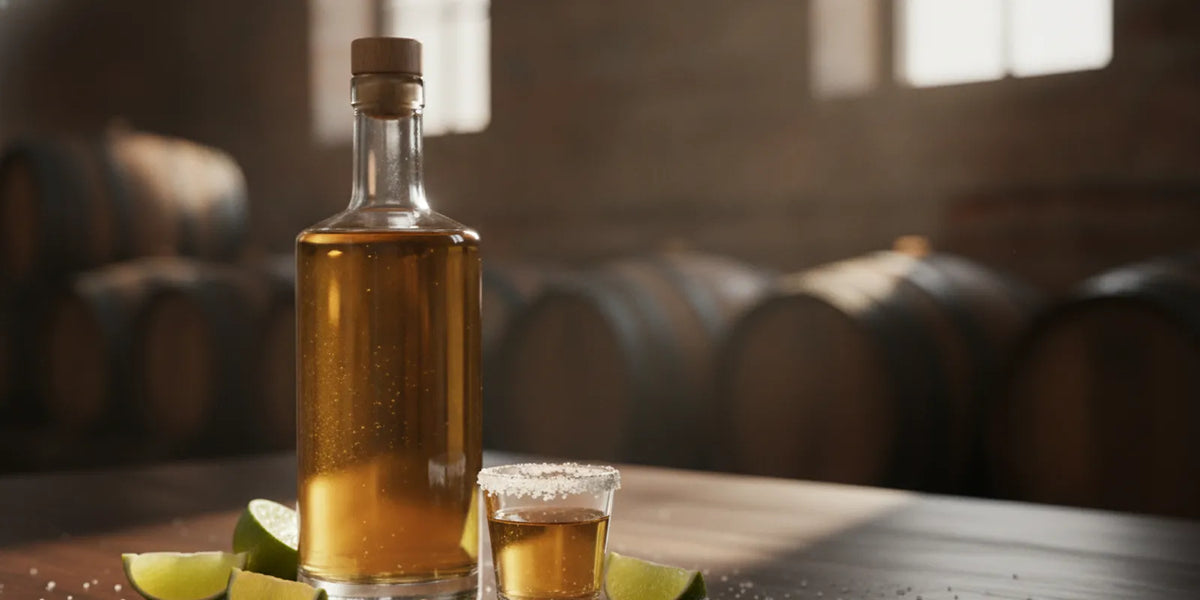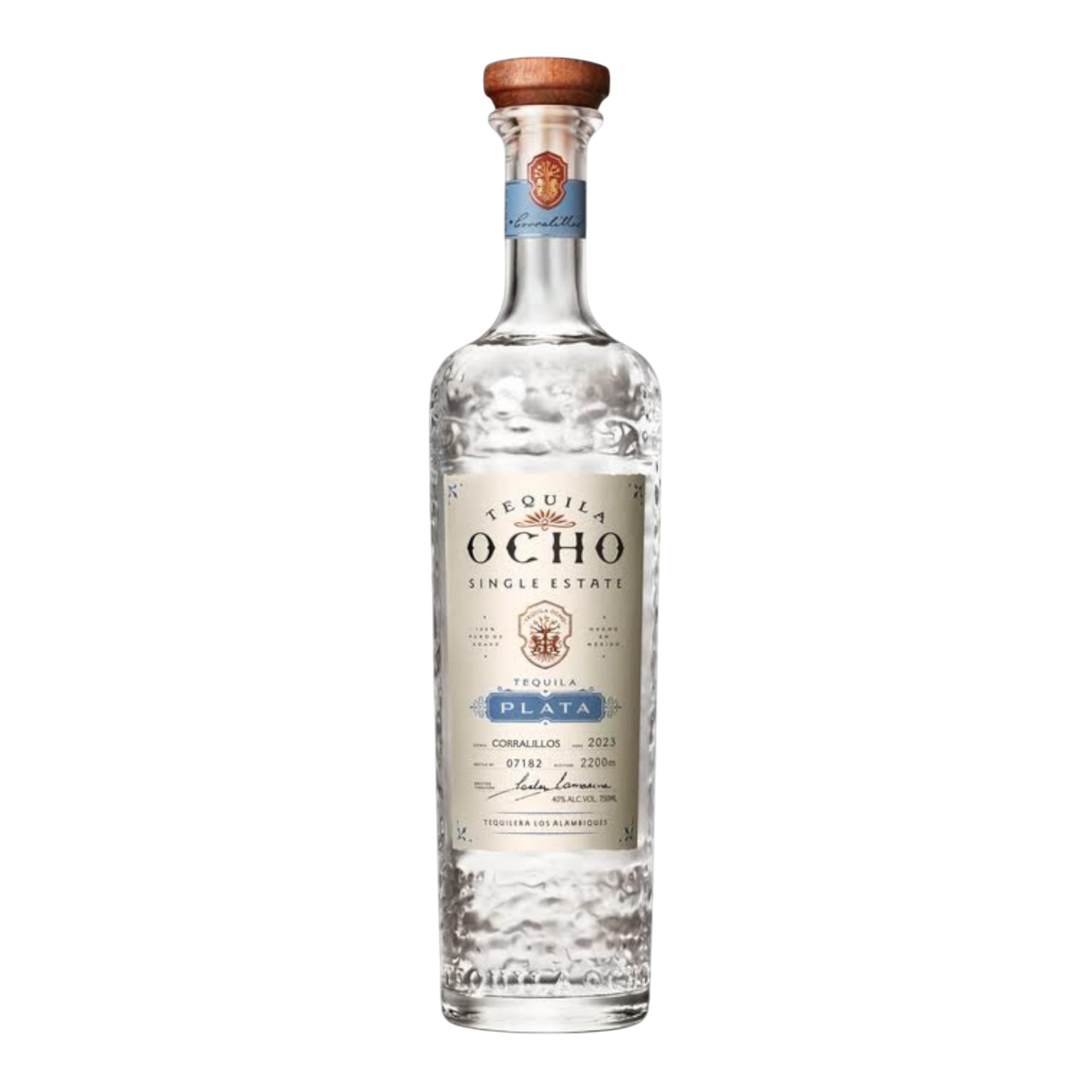
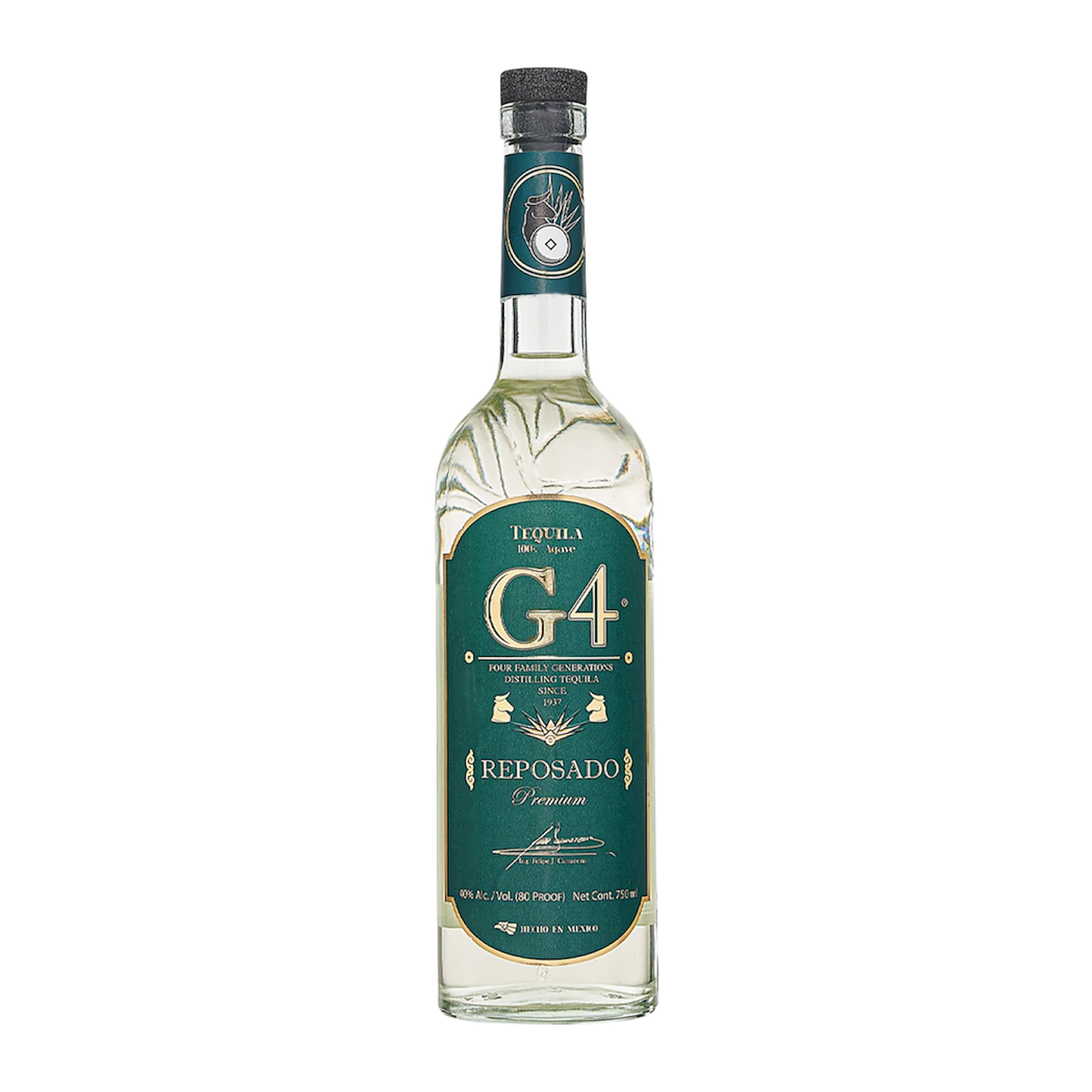
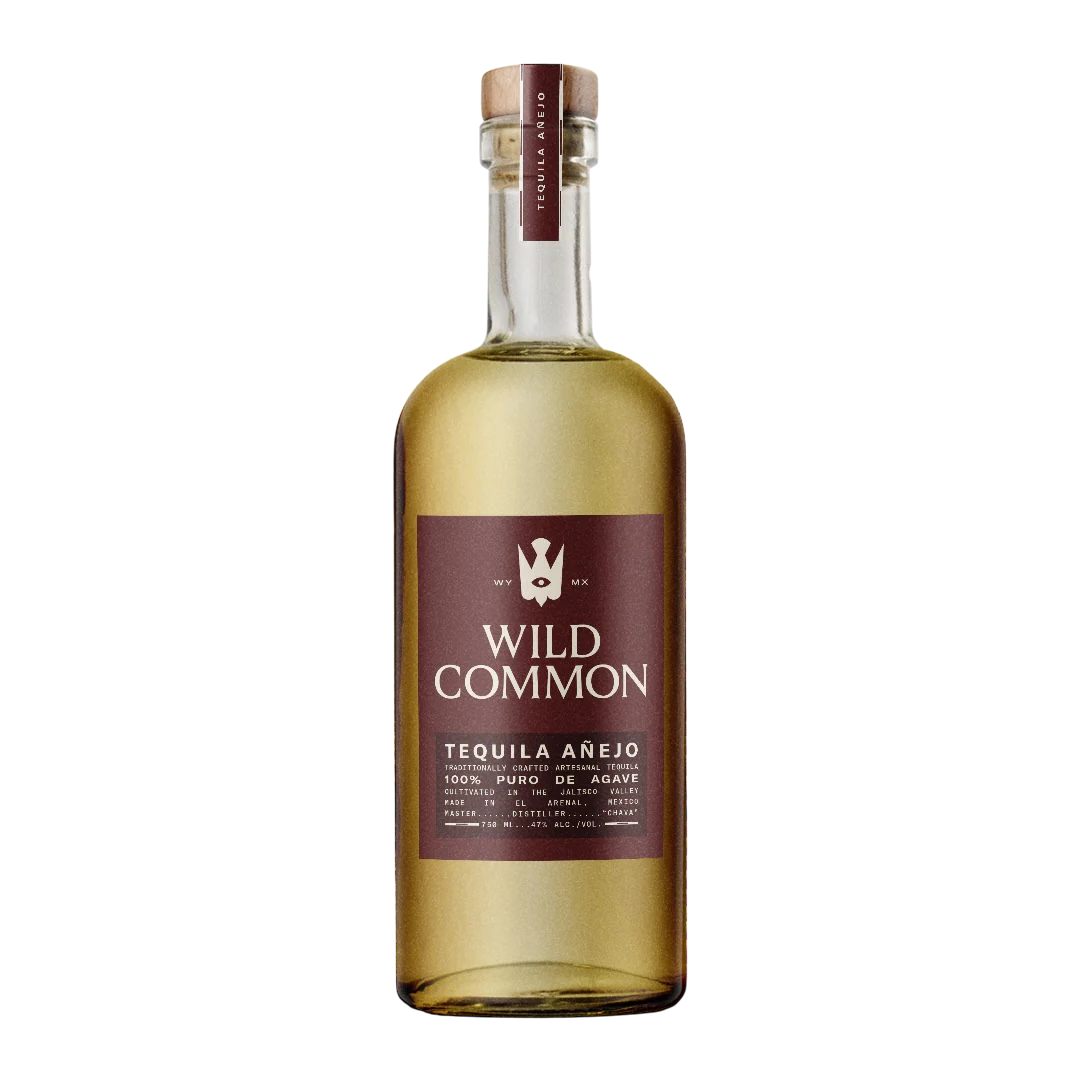
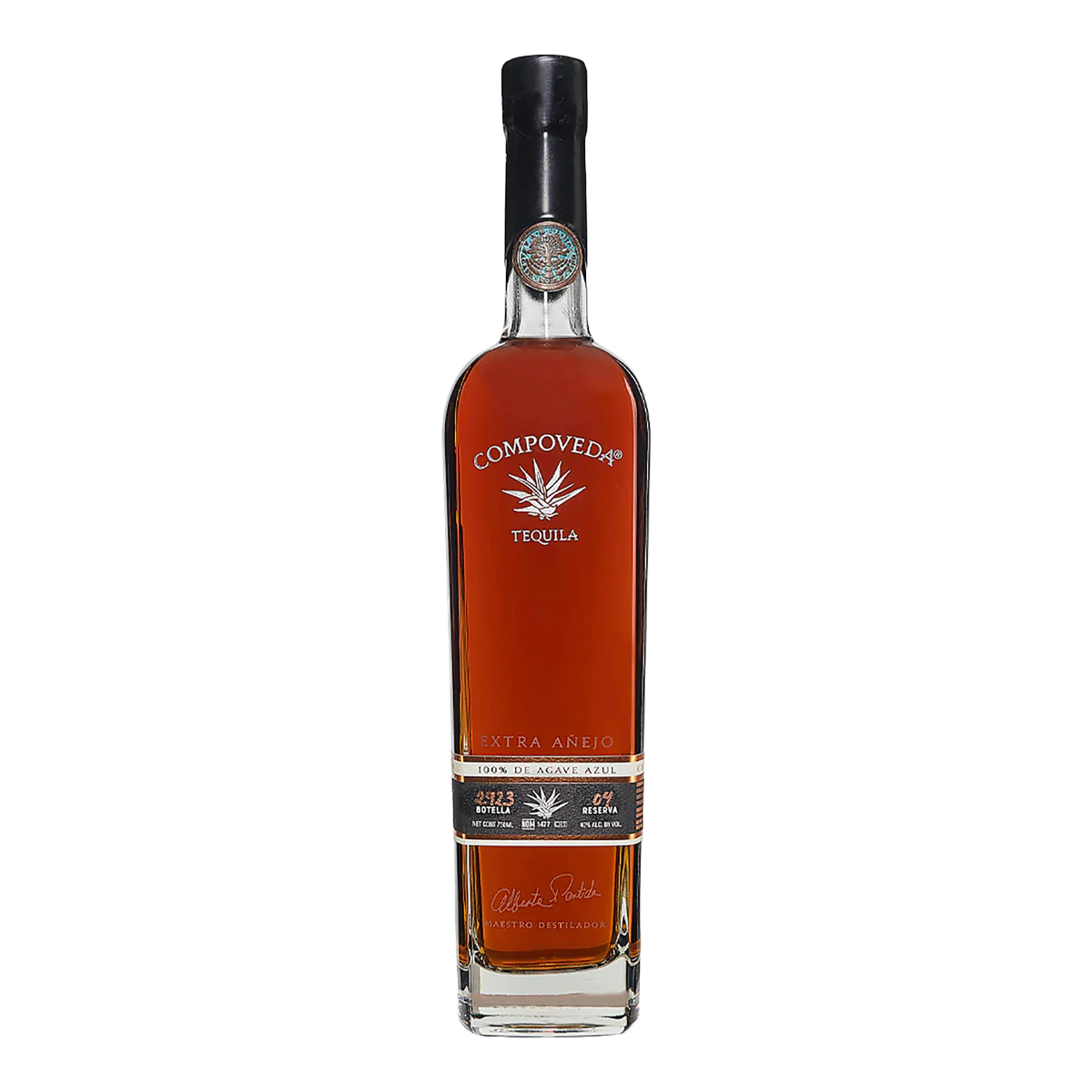
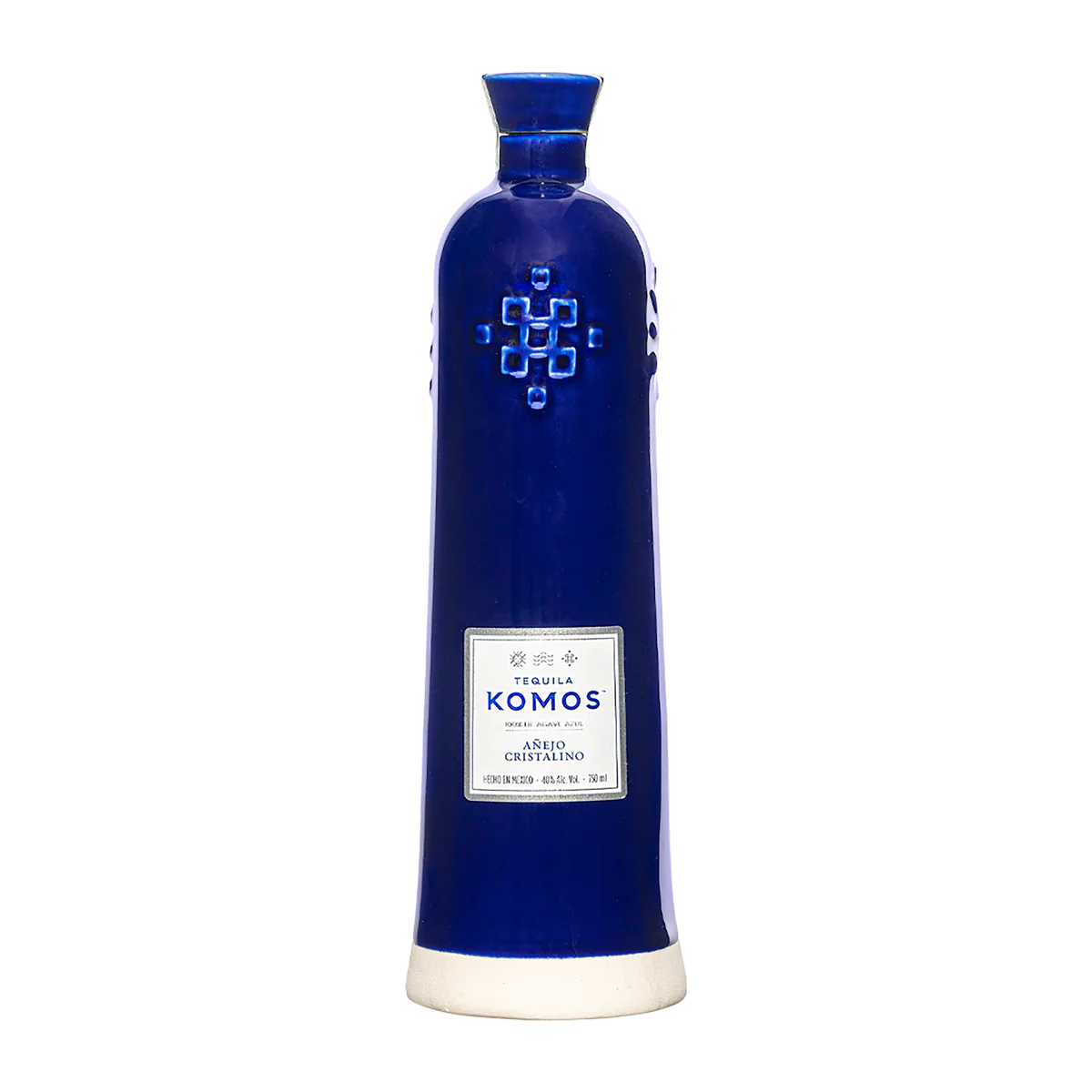
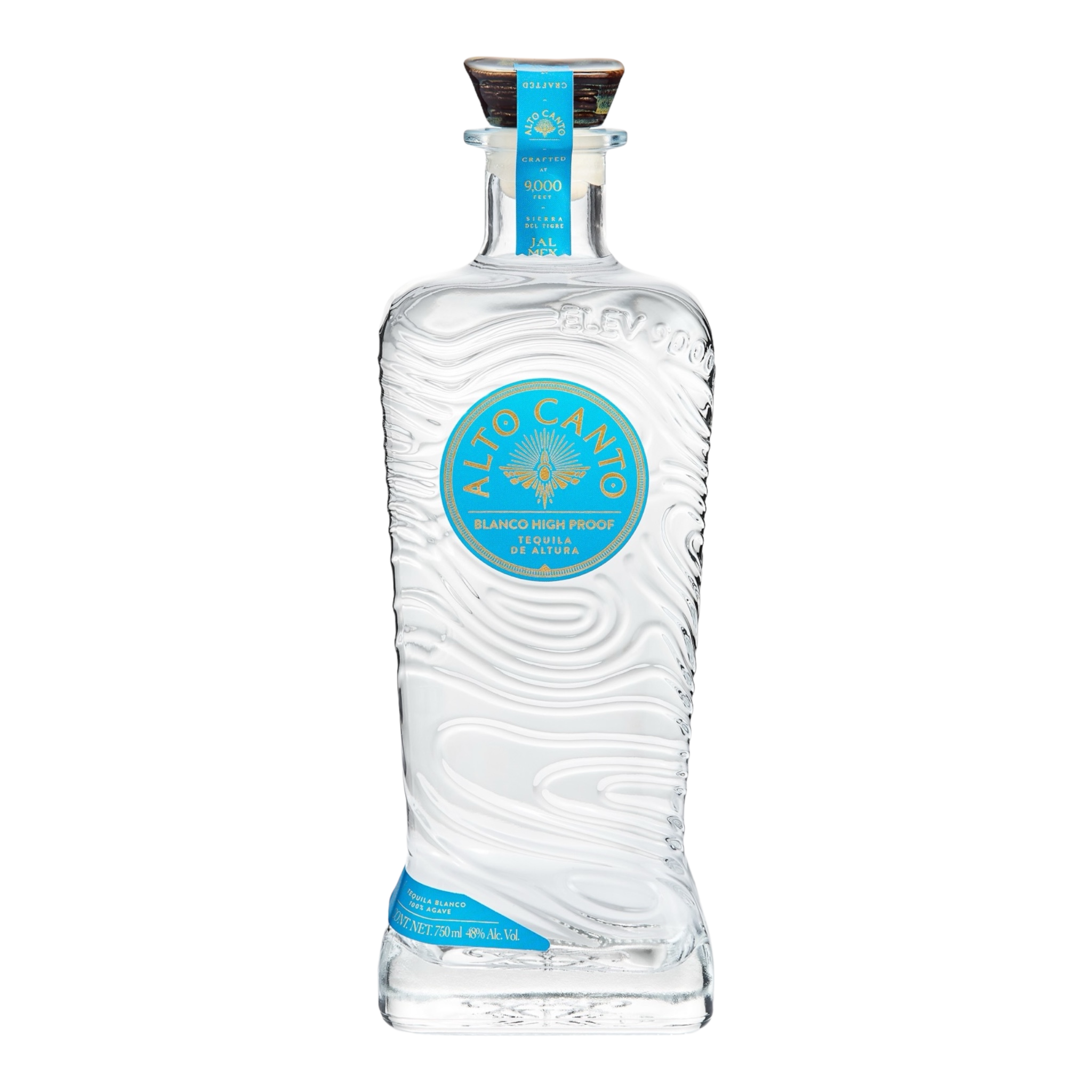
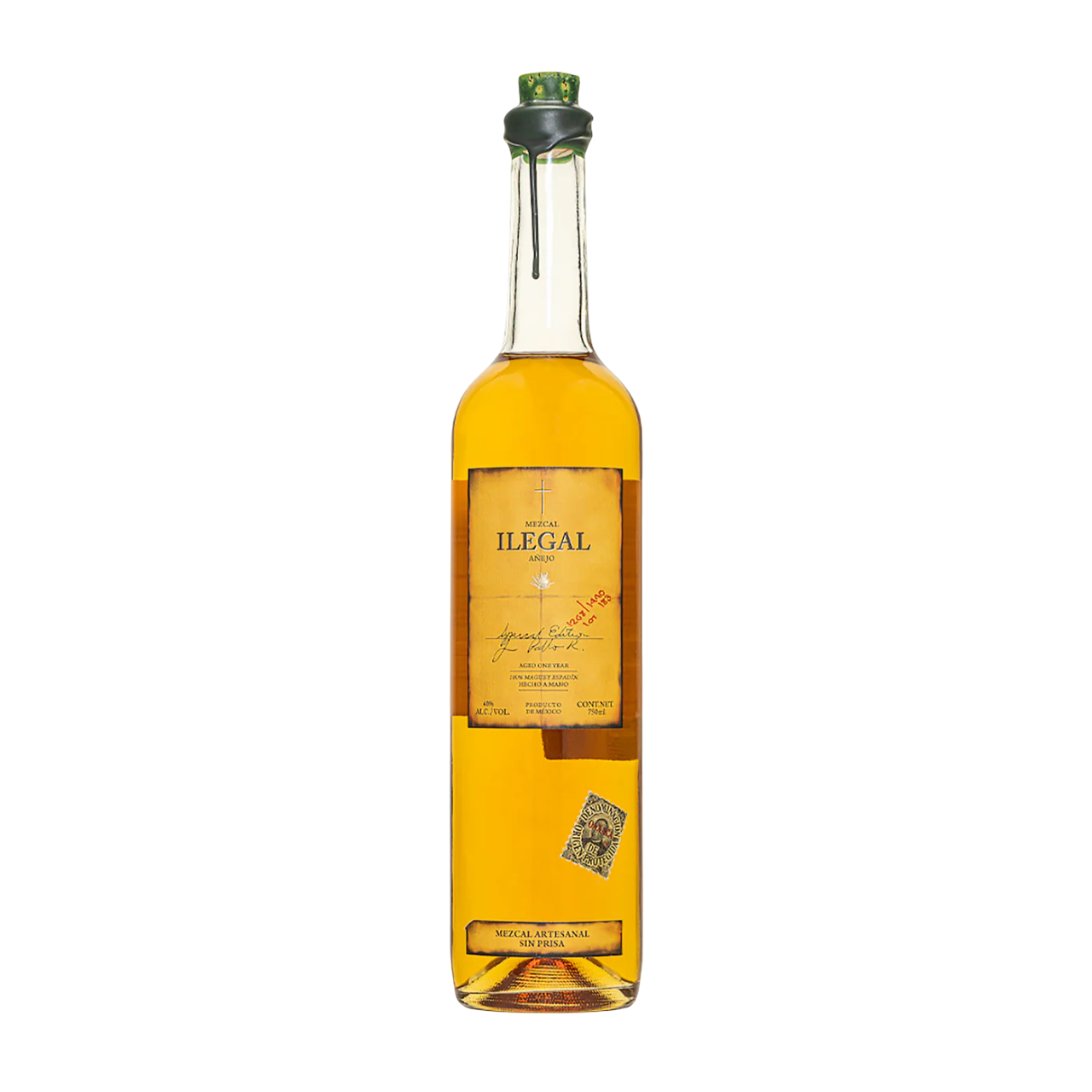





Limited edition tequila bottles can be memorable finds, but the word limited does not automatically mean better, rarer, or worth a premium. The smart approach is to identify what is genuinely different, check the information behind the release, compare the bottle with familiar styles, and then decide whether the liquid, presentation, or story earns a place in your cabinet.
What makes a tequila bottle a limited edition?
A limited edition is a release presented as restricted or distinct in some way. That distinction might involve a defined batch, a particular production period, a special barrel treatment, a collaboration, an artist-designed package, or a bottle made for a specific event. The label alone cannot tell you which kind of release you are considering.
Start by separating the liquid from the presentation. A bottle can be special because the tequila changed, because the packaging changed, or because both changed. Those are different reasons to buy.
- Liquid: Look for a different expression, blend, age statement, finishing method, or stated production detail.
- Production: Check whether the producer identifies a batch, release quantity, bottling period, or other concrete limit.
- Presentation: Determine whether the main change is a box, label, artist design, engraving, stopper, or commemorative shape.
- Availability: See whether the release is tied to a date, event, season, or stated run rather than simply described with scarcity language.
This first distinction prevents a common mistake: paying a presentation premium while expecting a different tasting experience. A collector may value the package greatly. A drinker may care more about the expression inside. Neither preference is wrong, but you should know which one is driving your decision.
How should you read the release story?
Good product information makes a special release easier to understand without relying on excitement alone. Confirm the producer, expression, bottle size, and reason the edition differs from a regular bottling. For the basic identity and regulated categories of tequila, the Consejo Regulador del Tequila overview provides useful context. It explains the spirit category; it does not independently verify every claim in an individual product listing.
Use this five-question check before you compare prices:
- Who produced the tequila, and is the producer named clearly?
- Which expression is in the bottle: blanco, reposado, añejo, extra añejo, cristalino, or another stated style?
- What exactly differs from the producer’s regular release?
- Are claims about batch size, barrel treatment, collaboration, or date specific enough to evaluate?
- Does the listing provide the bottle size and other details needed for a fair comparison?
Be cautious when the story consists mostly of adjectives such as rare, exceptional, or sought-after. Those words may describe enthusiasm, but they do not tell you how the tequila was made, how much was released, or how it might fit your preferences. Specific details give you something useful to weigh.
Which details are worth comparing?
Compare bottles using the same criteria instead of letting dramatic packaging set the standard. The most useful question is not “Which one looks most collectible?” It is “What am I receiving for the price, and which part of that package matters to me?”
| What to compare | Evidence to look for | Why it matters |
|---|---|---|
| Liquid | Expression, stated age, finish, and production notes | Shows whether the tequila itself interests your palate |
| Edition distinction | Specific batch, collaboration, barrel, event, or package detail | Explains what separates it from a regular bottling |
| Provenance | Named producer and consistent product information | Gives you a clearer basis for trust and comparison |
| Price | Current price compared with similar bottles and size | Helps separate liquid value from a presentation premium |
| Condition | Seal, label, box, fill level, and visible bottle damage | Matters especially when the bottle is intended as a gift or display |
| Purpose | Plan to sip, share, gift, display, or collect | Clarifies which features deserve the most weight |
A numbered bottle can be meaningful, but numbering alone does not tell you whether the tequila will suit you. An ornate box can be attractive, but it does not prove that the liquid differs from a standard release. A high price can reflect scarcity, packaging, distribution, or demand rather than a guarantee of better taste.
Also check the bottle size before doing mental math. A smaller format may make a high price look comparable to a standard 750 ml bottle when it is not. If a release includes a box, glass, booklet, or other accessory, decide whether you would buy that item separately. That simple question helps you understand how much of the price is attached to the tequila and how much to the complete presentation.
How do blanco, reposado, and aged releases change the decision?
The expression gives you a practical starting point because it shapes your expectations before the special-release story enters the picture. Blanco is typically unaged or lightly rested and can emphasize fresh, peppery, herbal, or citrus-like character. Reposado spends time resting in wood and may bring a rounder texture with oak and spice notes. Añejo and extra añejo releases generally invite slower sipping and comparison of wood influence, texture, and finish.
These are broad style markers, not promises about every bottle. Production choices can create wide variation within each category. If you already know that you enjoy a certain style, use that preference as a filter:
- Choose a blanco reference when you want to judge the producer’s base expression or compare a new release with a bright, unaged style. The G4 Blanco product page can serve as one familiar reference point.
- Choose reposado when you want to explore how resting in wood changes texture and flavor. Browse the reposado collection beside the special release rather than judging the limited bottle in isolation.
- Choose an aged comparison when the edition’s appeal centers on maturation or a barrel story. A selection such as Suerte Añejo can help you think about whether the listed details match the style you enjoy.
- Consider cristalino carefully when the bottle is filtered after aging or presented as a polished alternative. The cristalino collection offers a way to compare that category with other expressions.
The point is not to rank one expression above another. It is to avoid buying a special release with no idea what kind of drinking experience you want. A limited label should add context to your choice, not replace it.
How should you choose a bottle for sipping, gifting, or collecting?
Your intended use changes the evidence you need. If you plan to open the bottle, focus first on the expression and documented production details. If you are buying a gift, presentation and occasion may carry more weight, but the recipient’s taste still matters. If you collect, provenance, edition-specific context, and condition may matter as much as the liquid.
For sipping
Start with a style you already enjoy, then ask what the special release adds. Perhaps it offers a different finish, a meaningful production detail, or a chance to compare two expressions from a producer. If you cannot explain why you would enjoy drinking it beyond “it is limited,” keep looking.
For gifting
Match the bottle to the recipient rather than to the most dramatic package. A person who enjoys unaged tequila may prefer a well-described blanco over a heavily packaged aged release. A collector may appreciate an artist design or documented anniversary. A newcomer may benefit from a set that makes comparison easy, such as the flights and sets selection.
For collecting
Record the purchase date, product name, producer, expression, bottle size, edition details, and condition. Keep the box and related materials together if they are part of the release. Documentation protects the context of your collection, especially when a label or packaging design is the primary reason you bought the bottle.
For exploring a producer
Compare the limited release with a standard or adjacent expression from the same producer when possible. Collections such as Tekiah and Casa Noble can help you notice whether your interest is really in a particular producer, style, or presentation. A reference bottle makes the special bottle easier to understand.
What should you check on the product page?
A product page should answer basic questions before it asks you to act quickly. Read it as a record of the bottle, not just as a sales pitch. If important information is missing, treat that absence as part of your decision.
- Name and expression: Confirm the producer and category, and watch for spelling or naming that could make two releases look alike.
- Size: Check the stated volume before comparing prices or planning a gift.
- Release reason: Look for a concrete explanation of the edition’s difference.
- Package contents: Note whether a case, glass, certificate, or other item is included, without assuming that an accessory proves rarity.
- Condition information: For display or collecting, inspect photos and ask about seals, labels, boxes, and visible wear when the listing does not say.
- Availability: Understand that an in-stock listing can change, but do not let urgency stop you from checking the basics.
Save the product description or receipt for a bottle you decide to keep. Product pages can change as inventory moves, while your own record preserves what you understood at the time of purchase. This is useful for gifts, collections, and future comparisons.
How can you compare price without treating it as proof of quality?
Price is information, but it is not a tasting note. A premium may reflect a smaller run, packaging, a collaboration, an older expression, distribution costs, or demand for a particular design. It may also reflect several of those factors at once.
Build a simple comparison using three reference points:
- Same producer or style: Find a regular expression or a nearby category to understand the ordinary price context.
- Same bottle size: Compare like with like, especially when one release is a smaller format.
- Same purpose: Compare the special bottle with what you would otherwise buy for sipping, gifting, or display.
Then write down what you believe the premium buys. If your answer is a distinct liquid, a documented collaboration, or a package you genuinely value, the price may make sense for you. If the answer is only pressure from a countdown or vague scarcity language, pause. The best decision is not always the cheapest one; it is the one you can explain clearly.
What shopping shortcuts should you avoid?
Limited releases invite fast decisions. A few guardrails keep enthusiasm from becoming guesswork.
- Do not treat limited as proof of superior taste or craftsmanship.
- Do not infer an exact production number unless the release information states one.
- Do not use packaging photos as a substitute for details about the tequila inside.
- Do not assume every special release will gain resale value.
- Do not compare prices without checking bottle size, package contents, and expression.
- Do not assume an attractive story applies to every bottle in a producer’s range.
- Do not overlook shipping rules, delivery timing, or local alcohol-delivery requirements when ordering online.
Scarcity can be real and still not be relevant to your palate. If the bottle is gone tomorrow, you can regret missing it, but you can also regret buying a bottle that never matched your interests. A short pause to check the listing, compare a reference, and define your purpose is usually worth the time.
What does a practical shortlist look like?
A shortlist turns a large selection into a manageable decision. Keep it small enough that you can compare each option carefully.
- Write down your purpose: tasting, gifting, displaying, collecting, or learning.
- Choose your style: begin with blanco, reposado, añejo, extra añejo, cristalino, or another expression that fits your interests.
- Identify the special feature: describe in one sentence what makes each candidate different.
- Check the evidence: record producer, size, release details, package contents, and condition.
- Set a comfortable limit: decide what you are willing to spend before scarcity language changes your expectations.
- Compare a reference bottle: use a standard expression, a style collection, or a set to check whether the special release still appeals.
- Make the decision: keep the bottle whose liquid, presentation, or story earns its place for your stated purpose.
For another comparison, browse the Maestro Dobel collection or the broader all-tequila selection. These links are not a claim that every bottle there is a limited edition. They simply give you more context when you are deciding whether your preference is tied to a release, a producer, or a style.
Frequently asked questions
Are limited edition tequila bottles always rare?
Not necessarily. The phrase can refer to a finite batch, seasonal availability, a collaboration, a commemorative package, or another restricted release. Look for the specific explanation behind the wording instead of assuming an exact quantity.
Does limited edition mean the tequila is better?
No. It means the release is presented as distinct or restricted. Whether it tastes better to you depends on the expression, production choices, and your preferences. Judge the liquid and the documented details rather than the label alone.
Should you buy a limited bottle to resell later?
Do not assume future resale value. Demand, availability, condition, transfer rules, and buyer interest can change. Buy because the liquid, design, or story is worth the price to you, not because appreciation is promised.
What information should a listing include?
Look for the producer, expression, bottle size, release distinction, package contents, and useful condition information. Specific details make it easier to compare options and set realistic expectations.
Is a special box enough to make a tequila collectible?
That depends on what you value. Packaging can make a bottle appealing as a display piece or gift, but it does not establish that the tequila itself differs from a regular release. Consider the package and liquid separately before deciding.
Choose the bottle whose details, expression, and purpose genuinely interest you, and let the edition label be one useful part of the decision rather than the whole story.