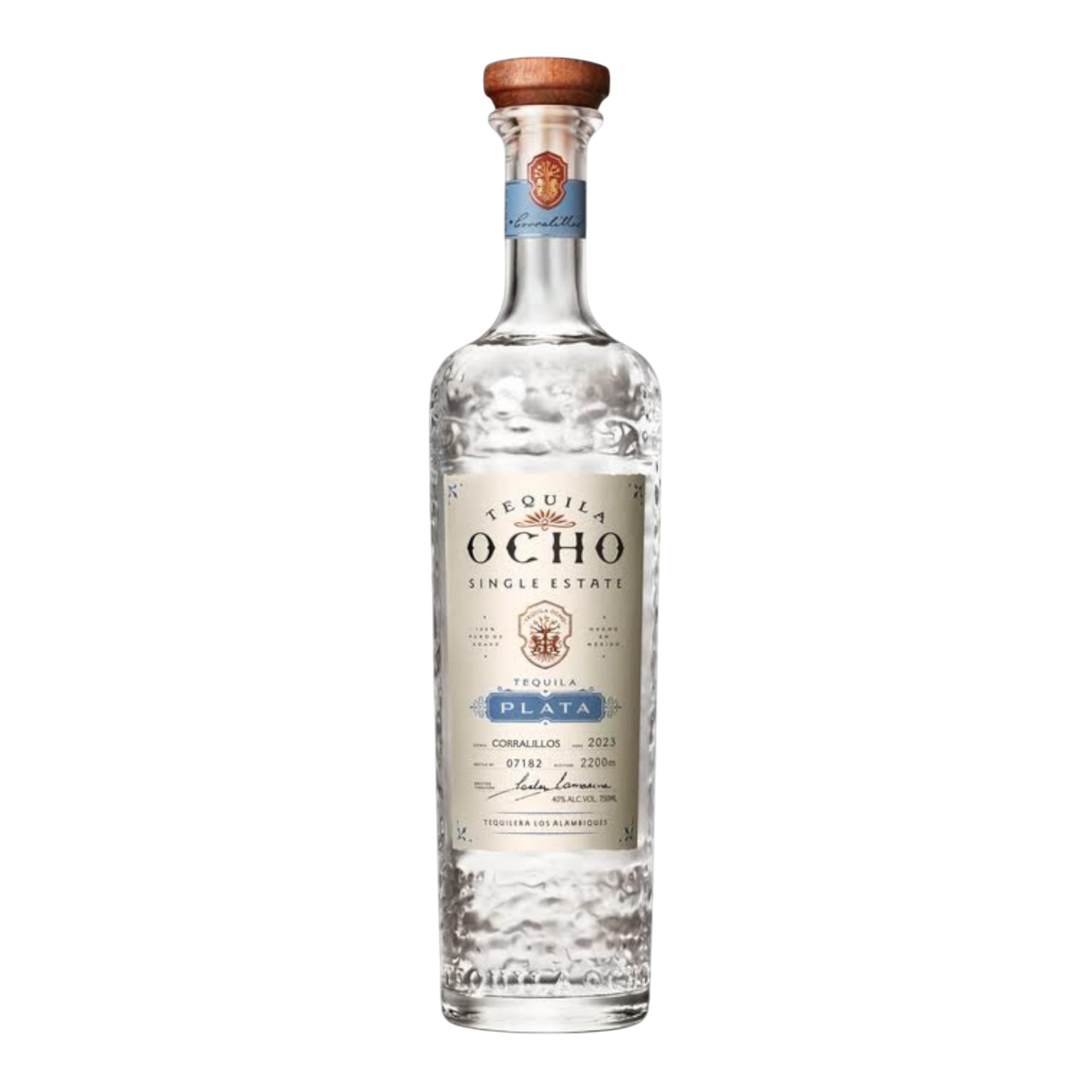
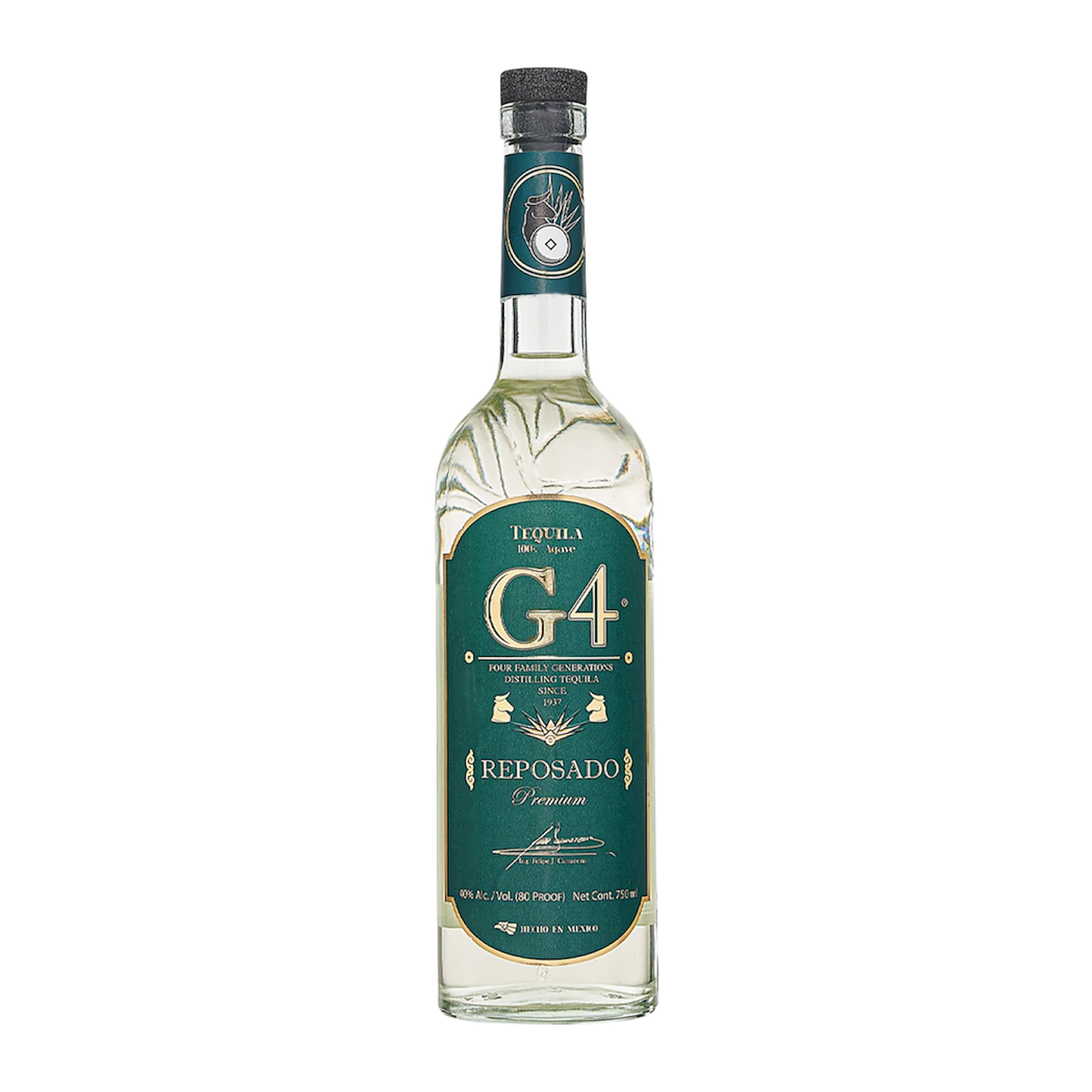
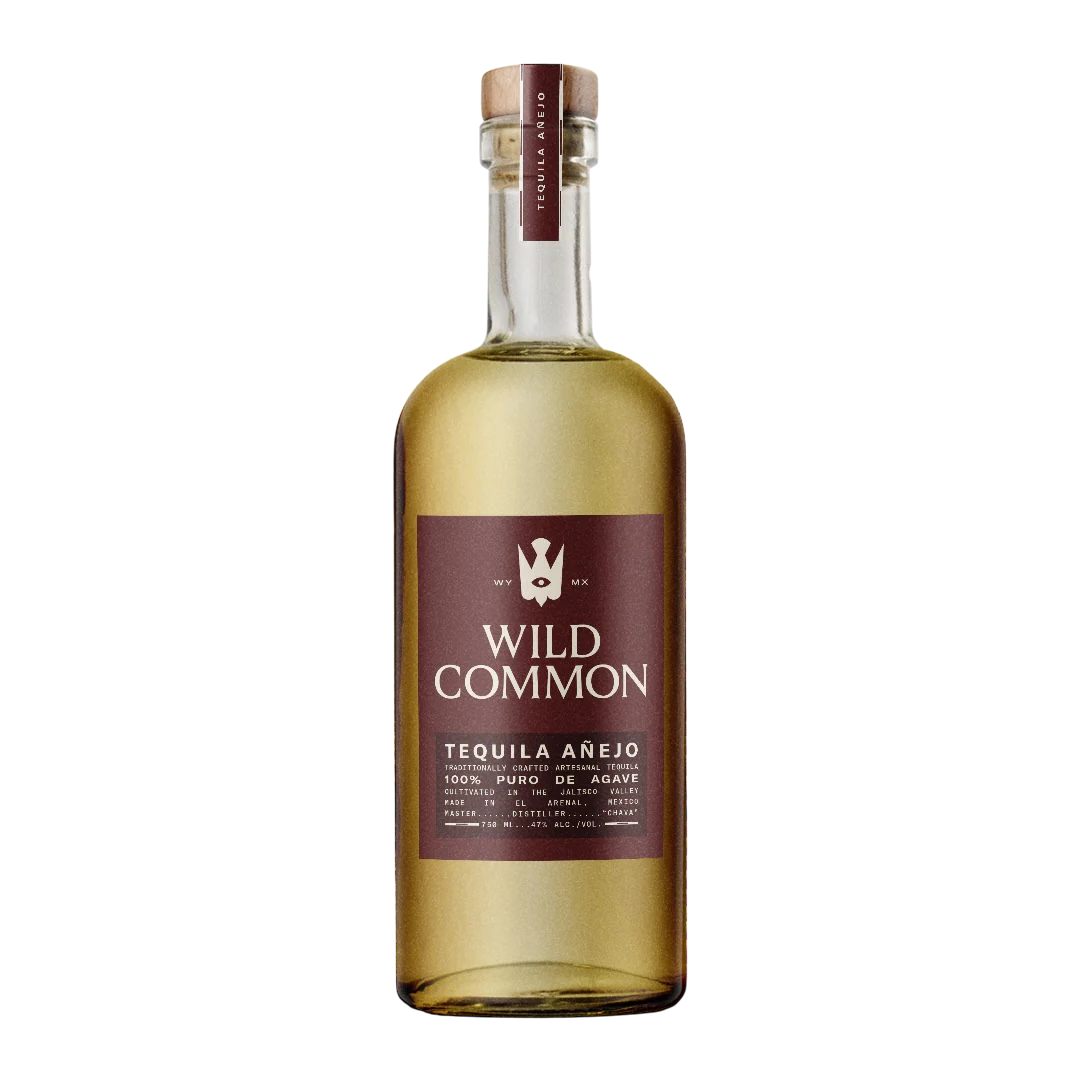
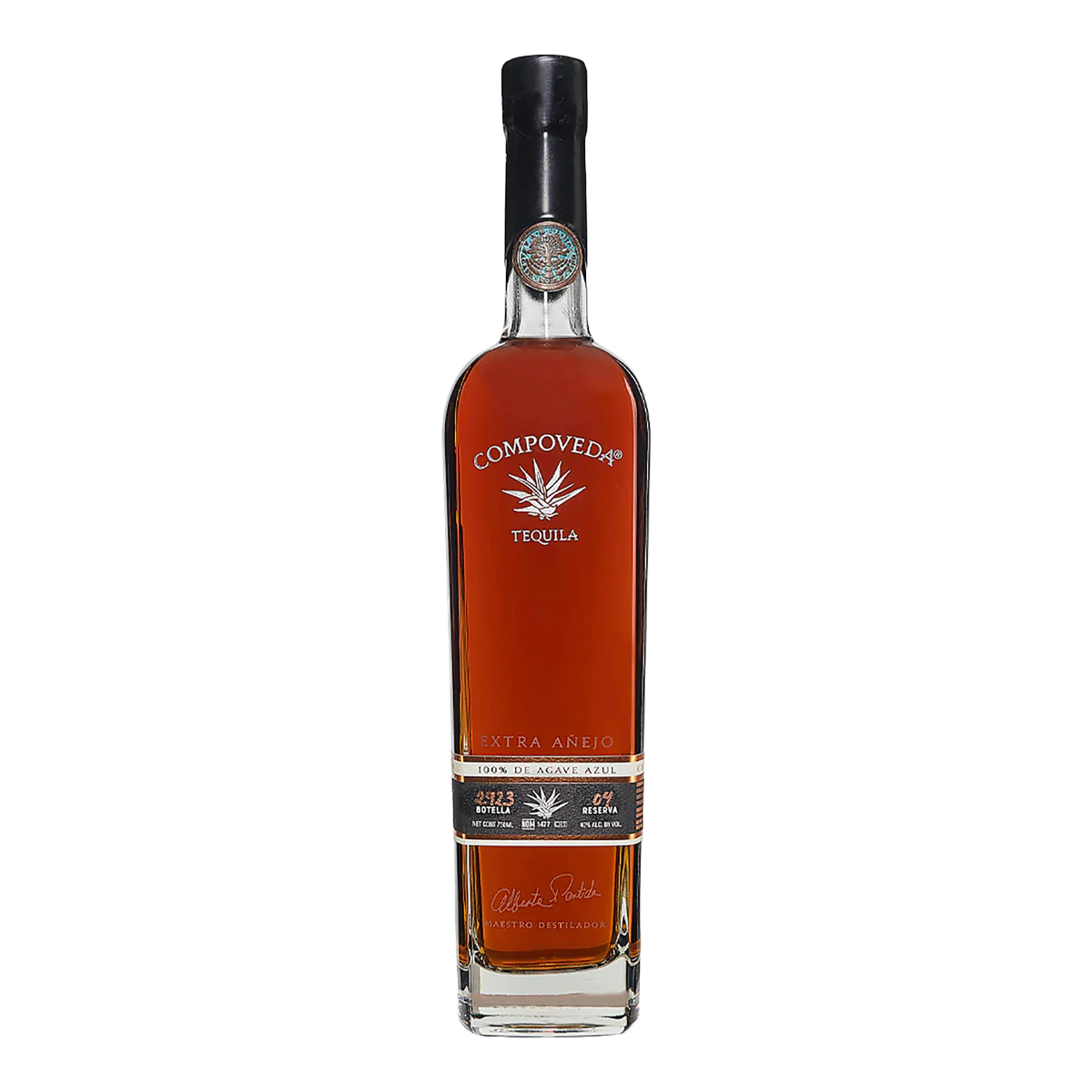
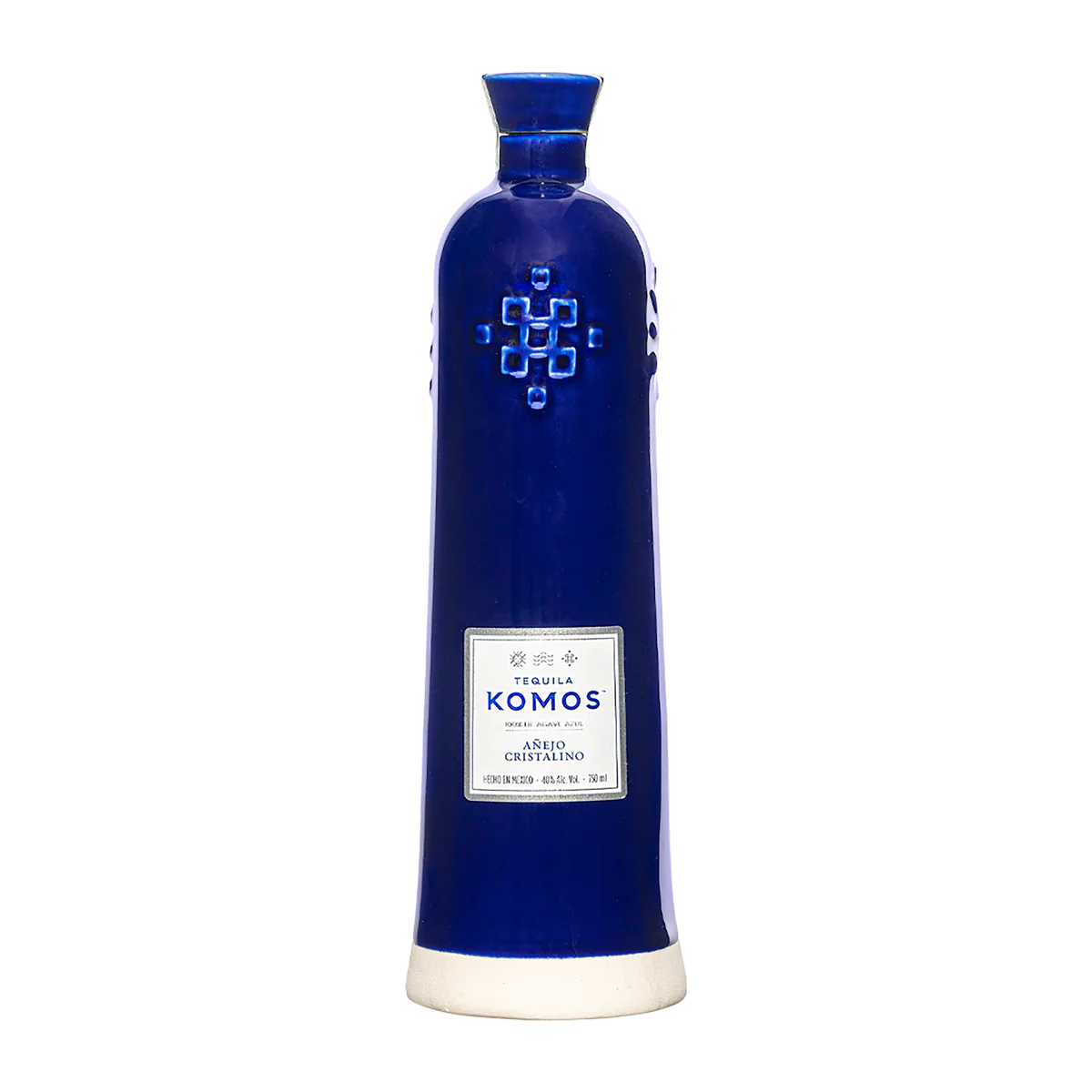
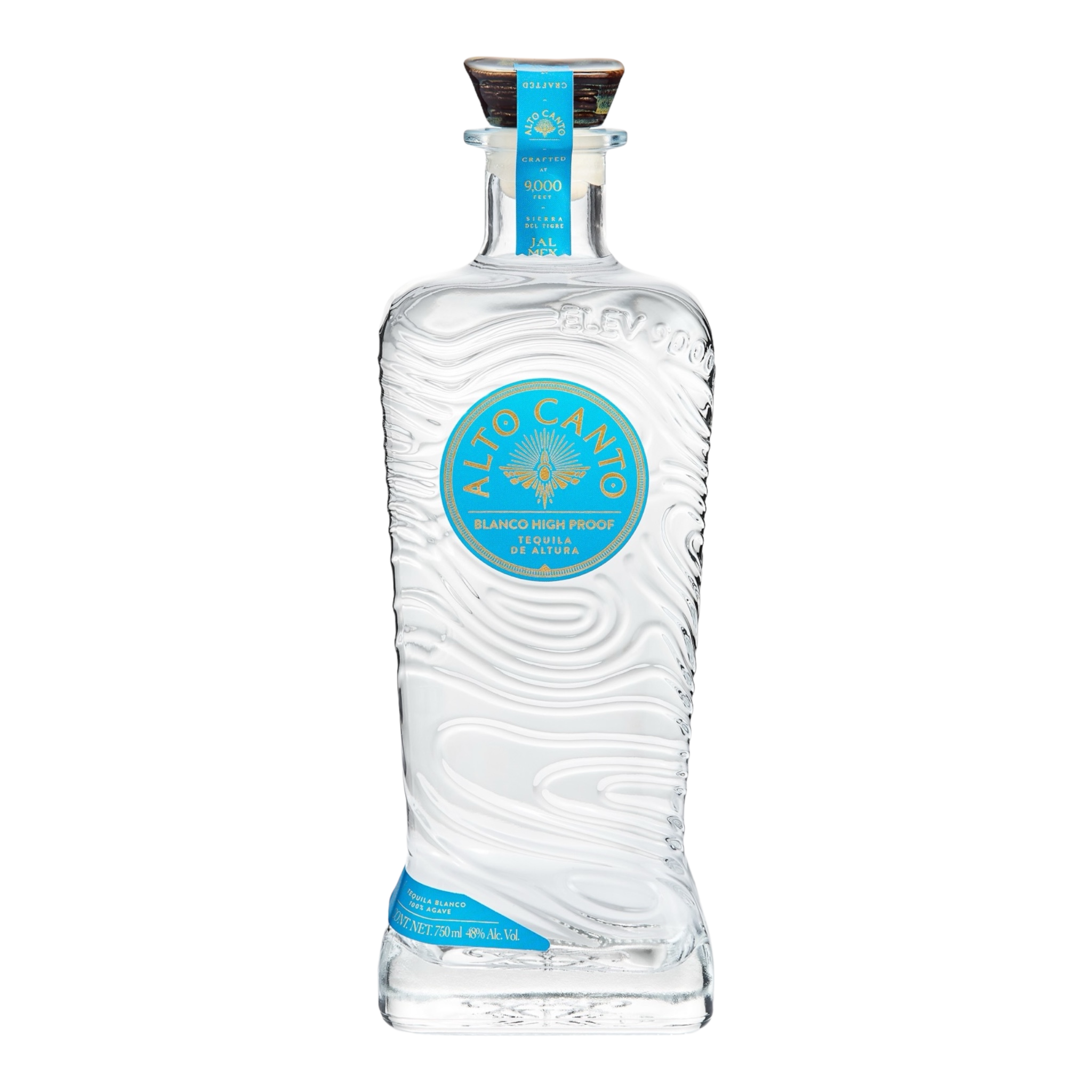
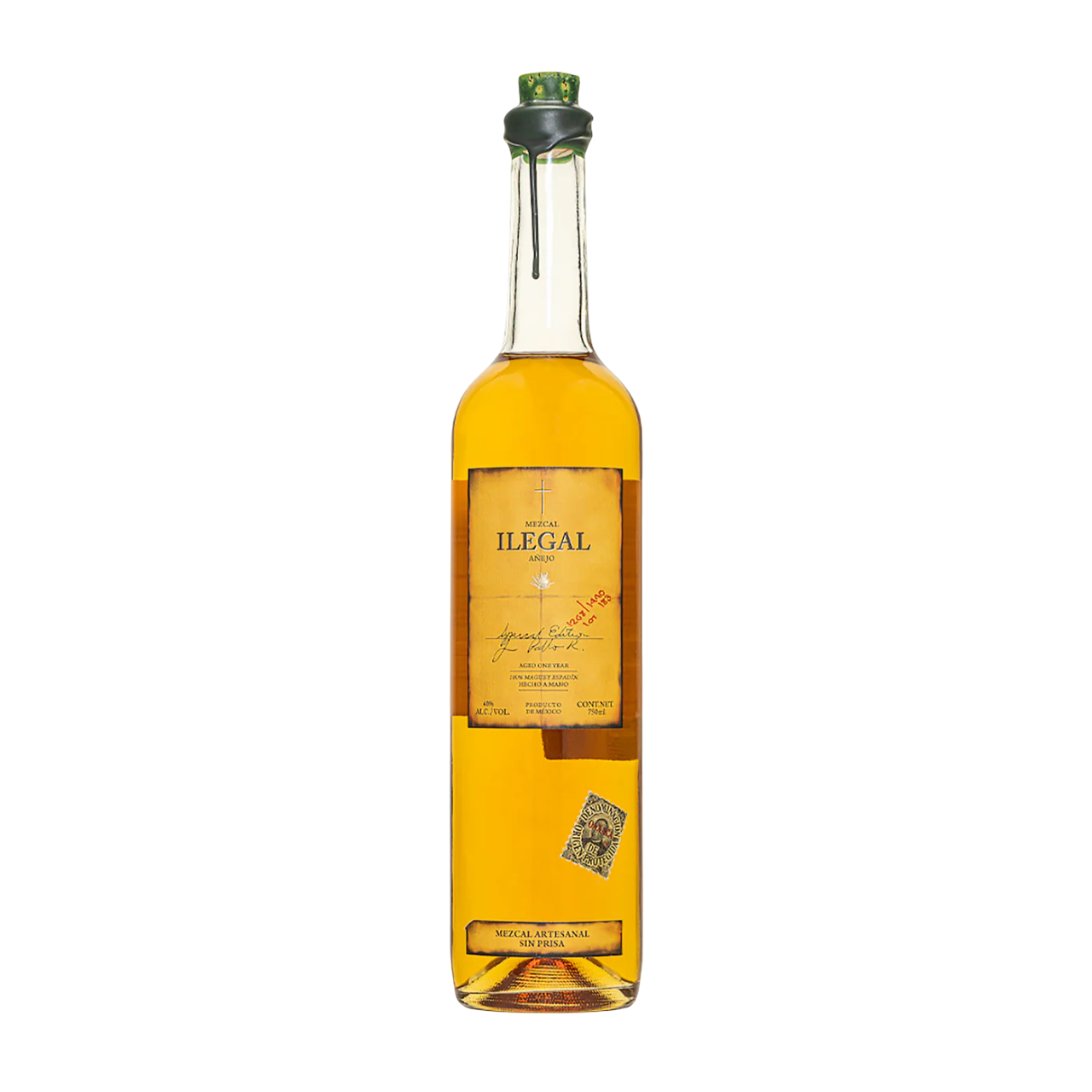
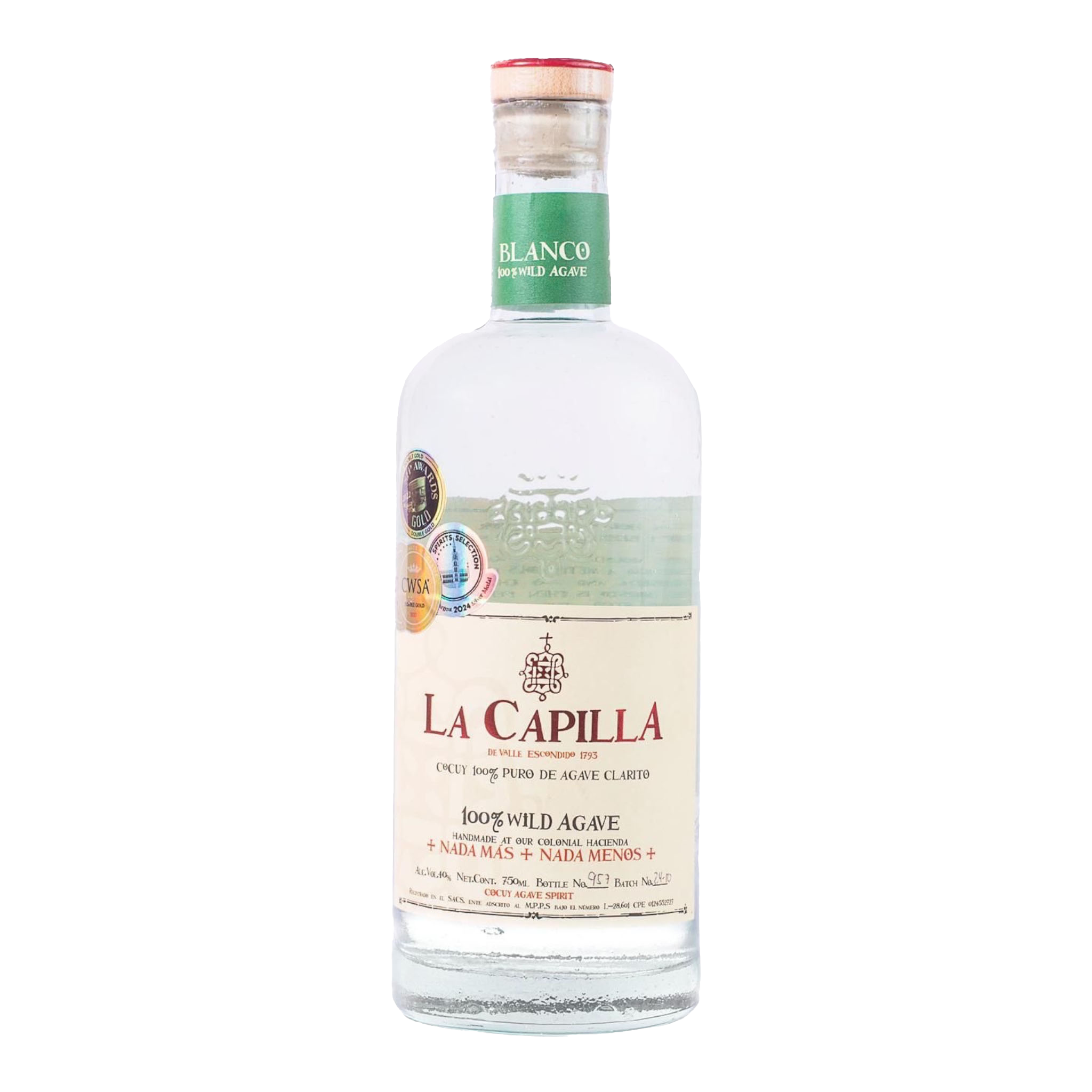





High end tequila brands are best judged by what is in the bottle, not just by a polished label or a high price. Compare the expression, production details, transparency, and flavor profile with your own preferences. That gives you a more useful shortlist than chasing the most expensive name.
What makes a tequila brand feel high end?
In brief: A high-end bottle should offer a clear reason for its position, such as careful production, a distinct expression, a balanced profile, or a thoughtful presentation. Price alone proves none of those things.
- Look for concrete production information rather than broad luxury language.
- Match the expression to how you plan to drink it.
- Consider taste and craft before packaging or prestige.
“High end” is a shopping description, not a single official grade. One bottle may stand out for careful aging, another for a distinctive flavor profile, and another for presentation suited to a gift. What matters is whether the details are specific and relevant to you.
Start with the label and product description. Can you tell which expression you are buying? Does the producer explain how it was made, how long it rested or aged, and what flavors to expect? Is the bottle’s character described in plain terms? Useful detail lets you compare like with like. Vague praise such as “smooth” or “ultra-premium” does not tell you much by itself.
It also helps to distinguish prestige from quality. A recognizable name can be a comfortable starting point, but a famous brand is not automatically the best match for every palate. A lesser-known producer may provide more interesting details or a style you prefer. Think of a high-end purchase as paying for a combination of quality, character, and experience—not simply a status signal.
For a baseline, review the Consejo Regulador del Tequila’s overview of tequila. Its regulatory context is a useful reminder to separate defined product information from marketing language. Then use the brand’s own bottle details to assess what makes a particular expression distinctive.
Which details should you compare before you buy?
In brief: Compare expression, production notes, flavor, and intended use. A compact checklist keeps a costly purchase grounded in details you can actually evaluate.
- Expression and aging information.
- Specific production notes and a clear description.
- Flavor cues that suit your palate.
- Bottle size, presentation, and occasion.
Expression: Blanco is generally the clearest place to assess the spirit’s fresh character. Reposado and añejo expressions bring time in wood into the picture, while extra añejo is a longer-aged style. These are different experiences, not a simple ladder where older must always mean better. Check a reliable reference such as the CRT for the category definitions, then compare individual products within the style you want.
Production detail: Read for specific information that helps explain the result. Details about cooking, fermentation, distillation, or aging are more useful than a string of superlatives. A brand need not disclose every technical detail to make an appealing bottle, but a clear description helps you understand its choices. If a claim is important to your decision, look for support rather than assuming the label’s tone is proof.
Flavor: Look for a profile you can picture. Do you want a clean, bright pour, a fuller texture, or notes shaped by time in wood? If tasting notes are listed, use them as a guide, not a promise that every person will perceive the same flavors. Personal preference is the point. Someone who enjoys a crisp, direct pour may not want the same bottle as someone looking for a rounder after-dinner sip.
Presentation: The bottle and box matter when the purchase is a gift, but they should not stand in for the contents. For a bottle you will open and share, prioritize the liquid and the recipient’s tastes. For a display piece or milestone gift, presentation can reasonably carry more weight—just decide that deliberately.
| What to compare | What to check | Why it matters |
|---|---|---|
| Expression | Blanco, reposado, añejo, or another stated style | Sets expectations for character and how you may enjoy it |
| Production notes | Specific details about making or aging the spirit | Gives you substance to compare beyond brand language |
| Flavor profile | Clear tasting cues and the finish | Helps you choose for your own palate or the recipient’s |
| Presentation | Bottle, gift packaging, and format | Useful for gifting, but separate from liquid quality |
| Price | What details and experience accompany the price | Helps you decide whether the purchase makes sense for you |
How can you build a shortlist of high end tequila brands?
In brief: Pick a style first, then compare a few bottles with the same questions. This prevents brand recognition or packaging from taking over the decision.
- Choose the occasion: sipping, sharing, mixing, or gifting.
- Select the expression that fits that occasion.
- Compare the production notes and flavor cues on a small set.
- Check whether the bottle presentation and price fit your priorities.
If you want to compare familiar styles, begin with a category rather than a ranking. A blanco drinker can look at the G4 Blanco and Patrón Silver product pages for their stated details. Treat each listing as a starting point for your own comparison, not proof that one brand is universally superior. The best option depends on what you enjoy and what you want the bottle to do.
For wood-influenced character, compare the reposado selection with a specific reposado listing such as Yeyo Reposado. Check whether the descriptions provide useful distinctions instead of relying on the word “smooth.” If you prefer a more developed profile, compare an añejo such as Suerte Añejo or La Caza Añejo. Both links let you assess a particular bottle’s details in context.
There are other ways to define your shortlist. If appearance and a different style are part of what you are looking for, explore the cristalino category. If you want to examine a producer’s broader range, the Casa Noble collection offers a brand-focused place to compare available expressions. These are examples of useful shopping paths, not a definitive list of brands.
Keep the shortlist to three or four bottles. Write down what you like about each one: a style you already enjoy, a flavor description that appeals to you, a production detail you value, or packaging that suits the occasion. If you cannot name a reason beyond price or reputation, keep looking. A good shortlist makes your trade-offs visible.
A simple comparison routine
If you can taste before buying, compare small pours side by side rather than relying on memory from different occasions. Use the same glassware and take a moment to note aroma, first impression, texture, and finish. Add a little water only if that is part of how you normally taste spirits, and avoid making a judgment from one sip. The goal is not to prove one bottle is objectively best; it is to notice which profile you enjoy.
Keep the tasting conditions simple. Taste without looking at the bottle names if you want to reduce the effect of brand expectations. Write a few words before checking your notes against the product descriptions. Do the flavors you notice line up with what the listing said? Did one expression feel more balanced or more suited to the occasion you had in mind? These observations are more useful than trying to memorize a long list of tasting terms.
If a tasting is not practical, apply the same method to product pages. Compare only bottles in a similar style and make a note of each bottle’s stated details, flavor cues, and presentation. Mark any missing information instead of guessing. A simple four-column note—bottle, expression, details that appeal, questions remaining—turns browsing into a clear decision. Once one bottle stands out for reasons you can explain, you have a stronger choice than an generic roundup can provide.
How should you choose a bottle for sipping or a gift?
In brief: For sipping, let flavor and expression lead. For a gift, consider what the recipient drinks and how they will use the bottle, then treat presentation as an added benefit.
- For a first premium purchase, choose a style you already enjoy.
- For a knowledgeable drinker, seek a specific expression or production detail they have not tried.
- For a gift, check the format and presentation as well as the bottle itself.
For sipping, think about the setting. A relaxed pour after dinner may call for a profile you enjoy neat; a bottle intended for cocktails may need to work well alongside other ingredients. There is no universal “right” premium style. If you already know you like blanco, staying with that family is a sensible choice. If you enjoy the influence of wood, compare reposado or añejo bottles and read the notes carefully.
For a gift, avoid assuming that the highest price is the safest choice. A recipient who likes a bright, uncomplicated pour may be happier with a different bottle than a collector drawn to a long-aged expression. If you know a brand they already enjoy, use that as a clue. If you do not, choose a clear style and an informative product description over an opaque prestige story.
A gift set can be a good fit when the presentation is part of the experience. Still, inspect what the set includes and whether the bottles match the recipient’s preferences. One well-chosen bottle can be more thoughtful than a larger package with no clear reason behind it.
If you are buying for someone whose tastes you do not know, start with the occasion and what you have seen them enjoy. Do they usually choose lighter or richer spirits? Do they enjoy tasting different styles, or would they prefer a familiar expression? Those clues can guide a thoughtful choice without requiring you to guess at a favorite brand. When in doubt, a clear product description makes it easier to explain why you picked that particular bottle.
For your own collection, decide what would make this purchase different from bottles you already own. Maybe you want to explore a new expression, compare a producer you have heard about, or find a bottle suited to a specific meal or gathering. A simple purpose keeps the choice personal. It also gives you a fair way to assess value later: did the bottle deliver the kind of experience you wanted, regardless of how prominent the brand name is?
What should you check when shopping online?
In brief: Confirm the exact bottle, size, expression, and product details before checkout. Read the retailer’s current information rather than assuming every bottle in a brand’s range is the same.
- Verify the expression and bottle size on the listing.
- Read the tasting and production description, not only the headline.
- Check whether the pictured packaging matches what you intend to buy.
- Compare product pages for the details that matter to you.
Brand names can cover multiple expressions, sizes, and presentations. A quick scan of the product title and description helps prevent an easy mix-up. This matters especially when buying a gift: the recipient may have a preference for a particular style or bottle format.
Compare price only after you have narrowed the choice to bottles that serve the same purpose. A gift with elaborate packaging and a bottle chosen for sipping are not necessarily comparable purchases. Nor does a higher price tell you whether the flavor will suit your palate. Ask what the extra cost represents for your decision: a presentation you value, an expression you have been curious to try, or simply a name you recognize. If you cannot identify a benefit that matters to you, you do not need to pay more just because the bottle is described as premium.
Inventory and product pages can change, so confirm the current listing rather than relying on an old roundup, saved screenshot, or a description copied elsewhere. Make sure the expression you want is the one selected, especially if the page offers more than one size or variant. If an image and text appear inconsistent, pause and verify before ordering. A few seconds spent checking the precise item can prevent disappointment and makes the comparison fair: you are evaluating the bottle you intend to buy, not a nearby expression under the same brand.
Use retailer collection pages to browse by style, then open the individual product listing before deciding. The reposado collection is one way to narrow options, while individual pages help you inspect the bottle-specific details. If a product description leaves a question unanswered, do not fill the gap with an assumption. Choose another listing with clearer information or ask the seller before placing the order.
Finally, separate what you can verify from what is subjective. Expression, listed bottle size, and stated production details are checkable. Flavor impressions are personal, and words such as “best” or “smoothest” depend on the drinker. Trust your preferences, use concrete product information, and let the right bottle be the one that makes sense to you.
Frequently asked questions
Are high end tequila brands always aged?
No. High-end options can come in different expressions. Aging is one factor to compare, not a universal measure of quality. Choose based on the style and flavor you want.
Does a higher price mean a better bottle?
Not necessarily. Price may reflect many things, including presentation and positioning. Compare the expression, production details, flavor description, and intended use before deciding whether the bottle fits your priorities.
Which expression is best for sipping?
There is no single best expression for everyone. Start with a style you already enjoy, then compare the bottle’s flavor notes and finish. A tasting is the most direct way to learn what suits you.
How do I choose a high-end tequila gift?
Think about what the recipient likes to drink, whether they prefer a particular expression, and whether presentation matters for the occasion. A thoughtful match is usually more useful than selecting the bottle with the biggest price tag.
What is the fastest way to compare brands?
Choose one expression and compare three or four bottles using the same checklist: production information, flavor cues, presentation, and price. That keeps the comparison focused and makes trade-offs easier to see.
Ready to narrow your shortlist? Start with the style you enjoy, compare the details that matter, and choose the bottle that fits the occasion—not just the label.