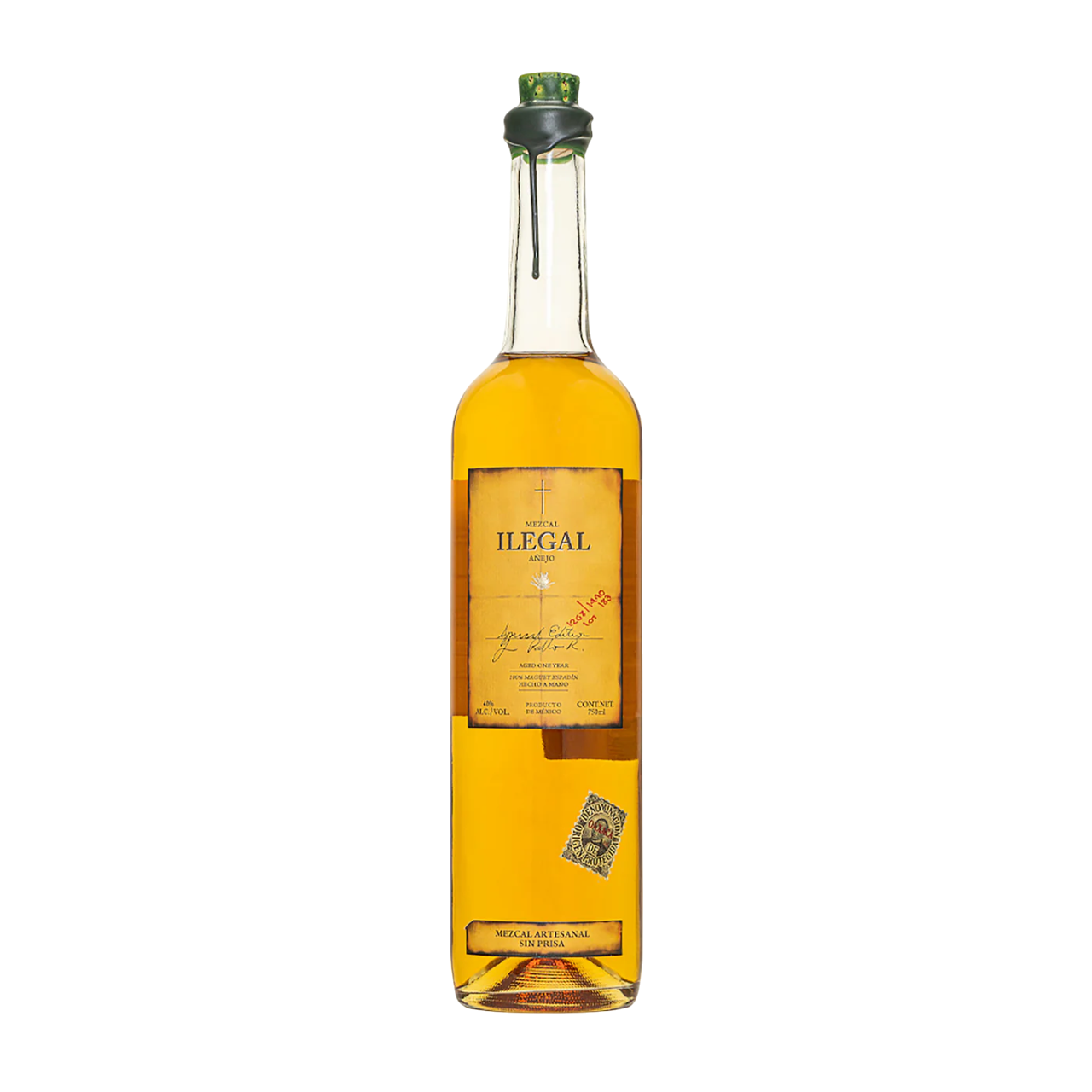
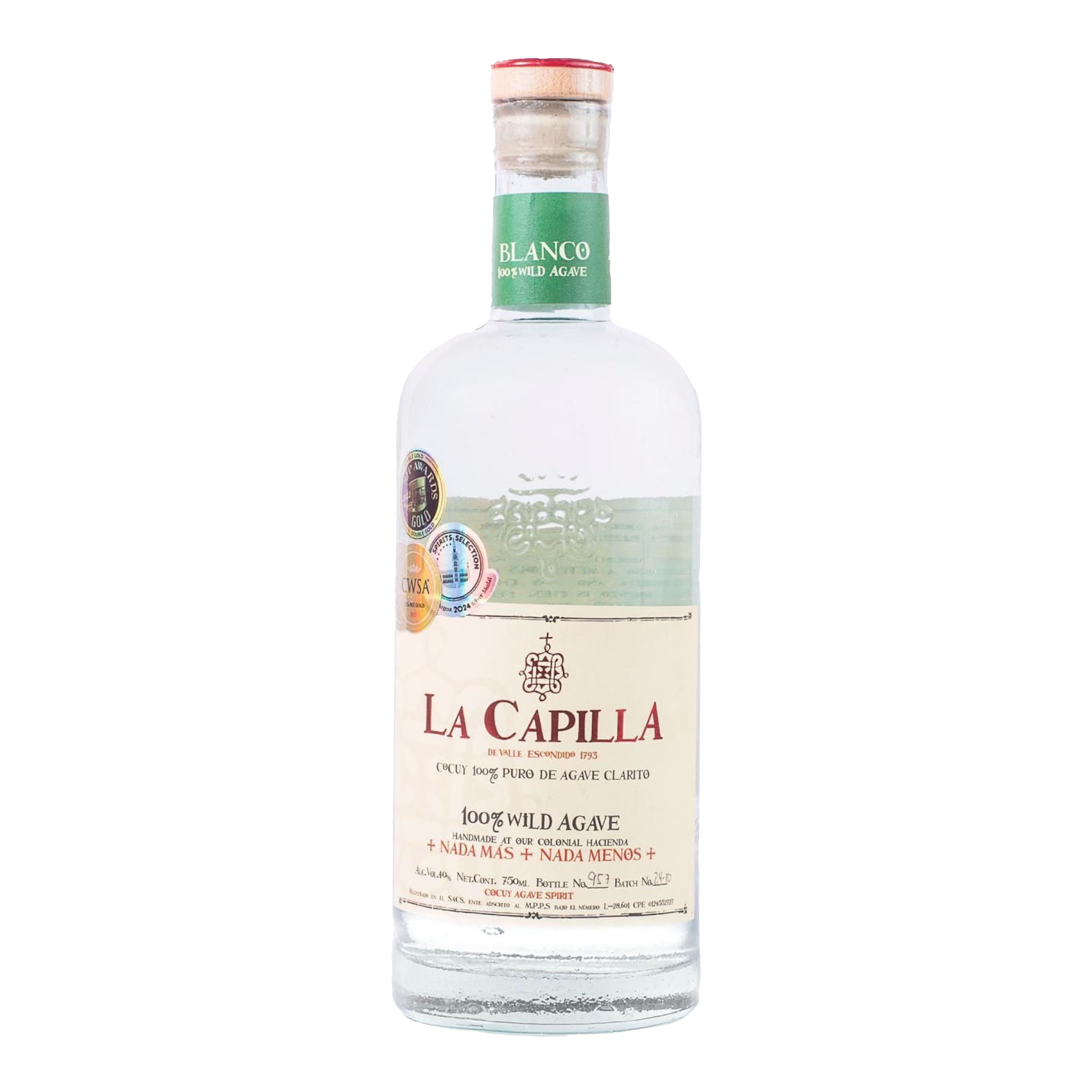




Raicilla vs mezcal is a look at two agave styles that differ in region, plant species, and how they are made. Mezcal is famous for its smoky flavor that comes from roasting agave hearts in underground pit ovens. In contrast, raicilla is a classic spirit from Jalisco that often has bright, floral, and herbal notes. Unlike mezcal, raicilla makers focus on species like Maximiliana or Angustifolia. According to Mezcalistas, real raicilla must be made from 100% agave and follows strict local rules. While mezcal gained global fame years ago, raicilla only received legal rights in 2019. This status preserves its handmade roots while helping fans find its unique place in the world of Mexican spirits.
Raicilla Vs Mezcal: What Is Raicilla? The Hidden Agave Treasure of Jalisco
For many years, raicilla stayed in the shadows of the spirits world. People in Jalisco made it for generations. But few outside the region knew it was there. This unique spirit is a distinct type of agave drink. It was first made in the hills and coast of Jalisco. Many call it a cousin to mezcal due to their shared roots. But it has its own making rules and history.
A Distinct Identity from Jalisco
When you look at raicilla vs mezcal, you should see raicilla as its own thing. As noted by Sip Tequila, raicilla is a clear type that follows set rules in Jalisco. For a long time, folks sold it locally as moonshine. Now, it has a legal status that keeps its name safe. This change has helped more people explore authentic raicilla options from craft makers.
One of the strict rules for this spirit is the purity of the parts. Real raicilla must be made from 100% agave, say industry rules. This makes sure every bottle has the true taste of the plant. Unlike some large-scale spirits, there are no added sugars. This focus on pure agave lets the land and soil of Jalisco shine in every sip.
The Cousin of Mezcal
The link between these two spirits is deep. Both come from the agave plant and use old methods. But their paths split over time. Expert work shared on PubMed shows that local origin and agave types are main ways to tell Mexican spirits apart. Mezcal is often tied to its Oaxacan past and a set smoke-based process. Raicilla shows the many types of weather in Jalisco, from the warm coast to the cool peaks.
Comparing these drinks helps us know the different agave species used across Mexico. While mezcal can use many kinds of agave, raicilla uses plants that grow in its own part of the country. This local focus is what makes it a hidden gem. By learning these traits, you can value the craft and culture in every craft bottle of Mexican spirits.
Denomination of Origin: Regional Boundaries and Terroir
In the world of Mexican spirits, laws protect names and places. This system is known as the Denomination of Origin (DO). It ensures that a bottle labeled as mezcal or raicilla meets strict rules. For people looking at raicilla vs mezcal, these legal lines are the first big difference. These rules define where the agave can grow and where the drink must be made. This creates a sense of place in every sip, which experts call terroir.
The Wide Reach of Mezcal
Mezcal has a massive legal region that spans across much of Mexico. While Oaxaca is the heart of mezcal, the protected zone covers many other states. These include places like Guerrero, San Luis Potosi, Zacatecas, and Durango. Because the region is so large, mezcal comes from many different climates. You might find mezcal from dry deserts or lush forests. This variety is what makes the category so exciting for fans.
The soil and weather in these many states create unique flavors in the agave plants. Science studies have started to look closer at these differences. Researchers use chemical profiling to show how the land changes the spirit. This data proves that the regional origin is a main factor in how these spirits taste. This is why a mezcal from Oaxaca will often taste very different from one made in the north.
Raicilla and Its Official Status
For a long time, raicilla was a hidden gem of Jalisco. It was often made in small batches for local people. It did not have the same legal protection as mezcal or tequila. That changed in June 2019 when raicilla finally got its own Appellation of Origin. This law was a huge win for the local makers. It set clear rules for quality and defined exactly where raicilla can be produced. Now, the spirit has the legal standing it deserves on the global stage.
The raicilla DO is much smaller and more focused than the mezcal zone. It covers 16 towns in the state of Jalisco and one in Nayarit, known as Bahía de Banderas. This area is split between two very different types of land. One part is the high Sierra Madre mountains, where the air is cool. The other part is the warm Pacific coast. This split is why you will see both mountain and coastal styles of raicilla. Each one reflects the unique terroir of its specific home.
Why Legal Boundaries Define the Spirit
You might wonder why raicilla cannot be sold as a type of mezcal. The reason is purely legal. Even if the methods are similar, a spirit must be made within the official mezcal zone to use that name. Since the raicilla towns in Jalisco fall outside the mezcal DO, they must use their own name. This keeps the traditions separate and honors the history of each region. It also helps buyers know they are getting a real product with deep roots.
These rules help fans navigate a wider range of Mexican spirits without getting confused. The DO system acts as a map for quality. It tells you that the hands that made your bottle followed the laws of their land. When you compare raicilla vs mezcal, you are not just comparing flavors. You are also exploring two different legal and cultural histories. Each bottle is a protected piece of Mexican heritage.
Agave Varieties: Mountain Sierra vs. Coastal Costa
The core difference between these spirits starts in the soil. While both belong to the same broad family, the specific plants used define their character and legal status. Mezcal is famous for its wide range of plants, but raicilla follows a strict regional split based on where the plants grow.
Agave species in mezcal
Mezcal can be made from more than 30 species of agave. The most common is Agave Angustifolia, known as Espadín. This plant is popular because it has a high sugar content and a shorter growth cycle than many wild plants. Producers also use rare types like Tobalá, Arroqueño, and Tepeztate to create deep flavors.
Each species brings a unique taste to the bottle. Some offer floral notes, while others give earthy or spicy tones. You can explore the different agave species used to see how these plants vary in size and sugar. Research from the National Institutes of Health shows that both the plant type and the region are key factors in the final spirit.
Raicilla de la sierra
Raicilla has two main types. The first is mountain raicilla, or Raicilla de la Sierra. This spirit comes from high lands in the mountains of Jalisco. The cool air and rocky soil produce plants with different traits than those found at sea level. The plants grow slow in the cold air, which often makes the flavor more strong.
According to the World Intellectual Property Organization, mountain spirits use three main plants. These are Agave Maximiliana, Agave Inaequidens, and Agave Valenciana. These plants often give the spirit bright, fruity, and floral notes. The mountain terroir is a big part of what makes this spirit special and rare.
Raicilla de la costa
Coastal raicilla, or Raicilla de la Costa, comes from the warm, damp lands near the ocean. The air here is tropical, which affects how the plants grow and store sugar. The heat and moisture lead to a spirit that often tastes more savory than the mountain type. It is a true taste of the coast.
Producers on the coast mainly use Agave Angustifolia and Agave Rhodacantha. While Angustifolia is the same species as the Espadín used in mezcal, the coast of Jalisco gives it a unique local style. These plants grow in the sun and sand, which gives the final drink a distinct mineral quality.
No blue agave allowed
One strict rule sets raicilla apart from other spirits in the area. Makers cannot use Agave Tequilana Weber Azul, known as blue agave. That plant is for tequila only. This legal limit helps raicilla keep its own name and style. It also keeps the spirit separate from the most famous drink in Mexico.
By not using blue agave, raicilla focuses on wild and local plants. This rule helps save the old ways and the history of the land. It also helps local plants like Agave Inaequidens thrive. This focus on local plants keeps the spirit tied to the earth and the hands of the people who make it.
Traditional Production Methods: Adobe Ovens vs. Earthen Pits
The craft of agave spirits relies on heat, time, and wood smoke. When you compare raicilla vs mezcal, the way makers cook the agave hearts is a major point of difference. This step changes how the final spirit tastes. While both spirits use heat to turn starches into sugars, the style of oven used varies by region and tradition.
Cooking in earthen pits
Mezcal makers usually roast agave hearts in large pits dug into the ground. These pits are lined with hot stones and covered with earth and fiber. This method creates the deep, smoky flavor that many people know. The traditional production process of mezcal often takes several days to finish. Modern research helps show how these old ways differ from factory methods at a molecular level, as noted in studies hosted by the National Institutes of Health.
For raicilla, the cooking method depends on where the agave grows. Coastal raicilla makers use pits similar to those found in Oaxaca. They dig deep into the sand or soil to create a smoky profile. This link to the earth is a hallmark of the craft. Experts use tools like NMR profiling to study how these regional methods change the spirit, according to research on artisanal Mexican mezcals.
Roasting in adobe ovens
Mountain raicilla uses a different path. Instead of pits, makers often use above-ground adobe or brick ovens. These ovens look like small huts and use indirect heat to cook the agave. Because the agave is not buried with wood and smoke, the flavor is often brighter and more floral. This distinction is vital to the identity of spirits from the Sierra regions of Jalisco.
The use of brick ovens allows for a cleaner agave taste. It highlights the herbal notes of the plant without the heavy weight of smoke. This method shows the variety within the category. Even though it is often called a cousin to mezcal, raicilla has its own rules for how heat is applied to the plant. You can see this in the clear taste of spirits made in these high-altitude ovens.
Crushing and distillation
After cooking, makers follow these traditional steps to complete the spirit:
- Crushing: Many makers still use hand tools or large stone wheels to extract the rich agave juice.
- Fermentation: Once the juice is ready, it goes into large wooden vats where wild yeast ferments it naturally.
- Distillation: The fermented liquid is distilled to pull out the alcohol, using either copper pots or old wooden stills made from hollowed tree trunks.
Taste and Flavor Profiles: Terroir vs. Smoke
When you explore the world of agave, the comparison of raicilla vs mezcal reveals two very different sensory paths. Mezcal is famous for its bold, smoky, and earthy core. These notes come from roasting agave hearts in deep, wood-fired pits. This process gives the spirit a rich profile that often tastes of charred wood and dark minerals. In contrast, raicilla leans toward a bright, funky, and complex nature. It highlights the raw qualities of the plant and its environment.
The funky soul of raicilla
One of the most distinct traits of raicilla is its high acidity and lactic character. Because makers often use wild fermentation, the spirit can develop notes that resemble cheese, cream, or sourdough. This funkiness is much more common in raicilla than in mezcal. Scientific studies on artisanal agave spirits show that agave species and manufacturing steps create these unique profiles. Mezcal focuses on the fire. Raicilla focuses on the fermentation. This results in a floral and herbal profile that stays light on the tongue.
Coastal versus mountain profiles
The flavor of raicilla also changes based on where the agave grows. Coastal raicilla, often made with Agave Angustifolia, brings a vegetal and tropical fruit taste. You might find hints of pineapple or green pepper in a glass. Mountain raicilla, which often uses Agave Maximiliana, tends to be more floral and citrus-heavy. This terroir-driven approach is a key part of the official raicilla standards set in 2019. These rules help protect the unique taste of each region. They ensure that the fruit and spice notes remain clear and bold.
Finding your preferred profile
Choosing between these spirits depends on what your palate seeks. If you enjoy deep, savory notes and a lingering smoke, a traditional mezcal is the best fit. If you want something unexpected and vibrant, you should explore authentic raicilla options from Jalisco. Both spirits offer a deep look into Mexican culture. However, their flavor profiles serve different moods. Mezcal provides warmth and grit. Raicilla offers a bright, herbal journey that celebrates the wild side of the agave plant.
Raicilla vs. Mezcal: Side-by-Side Comparison
Understanding the link between Mexican spirits helps you appreciate the craft in every bottle. Raicilla is a distinct category of agave spirit made in Jalisco and many people call it a cousin to mezcal (Sip Tequila). Both drinks come from the agave plant, but their rules for regions and agave types set them apart. By looking at a wider range of Mexican spirits, you can see how each one tells a story of its home soil.
Regional Heritage and Rules
Mezcal production is traditionally defined by its heritage in Oaxaca and its roasting process (Sip Tequila). While mezcal covers many states, raicilla has its own tight regional standards in Jalisco (Sip Tequila). In June 2019, raicilla got an official Appellation of Origin that covers sixteen towns in Jalisco and one in Nayarit (WIPO). These rules keep the spirit tied to the local land and methods.
Agave and Cooking Methods
The plants used for these spirits also differ. Mezcal uses many types, but raicilla makers split their work by the land. Mountain Raicilla uses Agave Maximiliana, while Coastal Raicilla often uses Agave Angustifolia (WIPO). The way they cook the agave hearts changes the taste too. Mountain versions often use above-ground brick ovens, but Coastal types use underground pits, much like traditional mezcal (Mezcalistas).
| Feature | Mezcal | Raicilla |
|---|---|---|
| Primary Region. | Oaxaca (mostly). | Jalisco and Nayarit. |
| Agave Source. | Broad (Espadin common). | Specific Sierra or Costa types. |
| Roasting Style. | Underground pit ovens. | Brick ovens or pits. |
| Flavor Profile. | Smoky and earthy. | Acidic, herbal, and lactic. |
| Legal Status. | Established DO. | DO granted in 2019. |
A World of Flavor
The flavor is where you really notice the raicilla vs mezcal difference. Mezcal is famous for its smoky and rich profile. Raicilla often has a bright acidity with floral and herbal notes. Some drinkers find a unique cheese-like smell in raicilla that comes from wild fermentation. Choosing between them depends on whether you want the deep smoke of a pit roast or the wild, tangy soul of Jalisco's mountains.
Frequently Asked Questions
What is the main difference in raicilla vs mezcal?
The main difference in raicilla vs mezcal is their legal status and where they are made. Since June 2019, raicilla has its own official laws. These rules mean only spirits made in certain parts of Jalisco and Nayarit can use the name. While it is an agave drink like mezcal, it is now a distinct type with its own set of standards. This helps make sure that every bottle meets the old rules for this unique Mexican spirit.
Is all raicilla made in the state of Jalisco?
Most people link this spirit with Jalisco, but the legal region also includes other areas. According to the World Intellectual Property Organization, the protected zone covers sixteen towns in Jalisco and one in Nayarit. This area in Nayarit is Bahia de Banderas. Any spirit made outside these certain zones cannot be sold as real raicilla, even if it uses the same old methods.
Why does raicilla often have a funky taste?
This unique flavor comes from the wild way the spirit is made. Many makers use wild yeast during the process, which can create herbal and floral notes. Some bottles even have a lactic or cheese-like taste. While mezcal is often known for its deep smoke, this spirit focuses more on the natural flavors of the agave plant. This creates a complex and bright drink that stands out from other Mexican spirits.
Can you use Blue Agave to make raicilla?
No, the legal rules for this spirit do not allow the use of Blue Agave. This is the plant used to make tequila. Instead, makers use different wild agaves depending on the land. Mountain types often use Agave Maximiliana, while coastal versions might use Agave Angustifolia. This rule helps keep the flavor of the spirit distinct from both tequila and standard mezcal types.
Is raicilla considered a handmade spirit?
Yes. Most versions of this drink are made in small amounts using very old methods. According to Sip Tequila, it is a cousin to mezcal that follows its own regional rules. The process involves slow cooking and natural ways of making the spirit. This focus on craft is why it is a top choice for people who want to explore high quality agave spirits from Mexico.
Ready to explore premium agave spirits?
Missing out on these rare spirits means you lose a chance to taste real history from the heart of Mexico. Traditional bottles often sell out fast as more people find these hidden gems. If you wait too long, these small batches will be gone and you may have to wait many months for the next harvest to arrive. You do not want to miss the chance to share a truly unique bottle with your friends or add a rare piece to your own bar. Starting your journey now ensures you get the best choice from our current curated stock of artisanal spirits. Our team finds the most authentic bottles so you can enjoy the true craft of the agave plant without any guesswork or stress.
Ready to explore premium agave spirits selection? Shop our mezcal and other agave spirits selection to find your new favorite bottle today.