



A tequila bottle can tell you more than its aging label. The agave source, milling method, distillery, proof, and tasting profile all shape what you pour, so those details matter when you are choosing between expressions.
Explore the Wild Common collection.
Wild Common tequila is a producer-led range that includes Blanco, Reposado, Anejo, and Blanco Still Strength expressions. Its Blanco is made from 100% blue Weber agave at NOM 1123 in El Arenal, Jalisco, and combines distillates from traditional tahona milling and roller-mill processing. That gives shoppers a useful starting point: compare production, proof, aging, and palate rather than relying on the label alone.
This guide breaks down where the brand fits, how its process influences flavor, and what to look for when selecting a bottle. Start with the production details and provenance, then use the expression-by-expression tasting guidance to find the right match for your palate and occasion.
What Is Wild Common Tequila?
Wild Common is a tequila brand built around a clearly identified production home in El Arenal, Jalisco, in the Tequila Valley. For buyers, that origin matters because it connects the bottle to a specific region and producing facility rather than leaving provenance vague. The Wild Common Blanco listing identifies the tequila as made from 100% blue Weber agave at NOM 1123.
A NOM, or Norma Oficial Mexicana distillery number, identifies the facility where a tequila is produced. In this case, NOM 1123 is associated with the Cascahuin distillery in El Arenal. Sip Tequila's product information describes Wild Common as a collaboration involving the Rosales family at Cascahuin and Andy Bardon, and names Salvador "Chava" Rosales as the master distiller. If you want more background on how to read that identifier, see what a NOM number tells you.
The 100% blue Weber agave designation is also useful context. It means the tequila is made from blue Weber agave rather than a mixto formulation that combines agave sugars with other sugar sources. That statement is verified for Wild Common Blanco, so it should not automatically be applied to every agave spirit or product sold under a related brand name. Likewise, the product page describes the Blanco as a higher-proof expression and identifies a blend of distillates made through traditional tahona milling and roller-mill processing.
This guide is informational, not a substitute for the live product page. Expressions can differ in aging, proof, batch details, tasting profile, and other product-specific claims. Use the guide to understand the brand's provenance and production choices, then check the current bottle listing before buying. The next step is to look more closely at how cooking, milling, fermentation, and distillation shape what ends up in the glass.
How Does Wild Common Tequila Get Its Flavor?
Flavor begins long before tequila reaches the glass. With Wild Common, the production details published by Sip Tequila point to a process that combines traditional methods with a carefully blended approach. The result is not a single flavor guaranteed by one technique, but a profile shaped by cooking, extraction, fermentation, and distillation at each stage.
- Agave is cooked slowly. Sip Tequila's Wild Common collection describes cooking the blue Weber agave for 72 hours in a stone-clay oven. Slow cooking converts the agave's stored carbohydrates into fermentable sugars and develops the cooked, sweet character that can carry through into the finished spirit. It can also contribute deeper notes that readers may recognize as baked, earthy, or gently roasted, although the exact impression depends on the agave and the final distillation.
- The cooked agave is processed in two ways. The product information for Wild Common Blanco identifies a blend of distillates made through traditional tahona milling and roller-mill processing. A tahona crushes cooked agave with a heavy stone, while a roller mill extracts juice more mechanically and efficiently. These methods do not automatically create a fixed flavor, but using both gives the producer separate distillate components to evaluate and combine. That can help balance weight, texture, and agave character.
- Fermentation develops the base for distillation. Sip Tequila's collection description identifies open-air and cement fermentation vessels alongside stainless-steel vessels. Fermentation converts agave sugars into an alcoholic liquid, while the vessel and fermentation conditions influence the compounds carried forward. Open or more traditional vessel choices can contribute a different fermentation environment from stainless steel. But it is more accurate to view the vessel as one part of the process rather than a guarantee of a particular tasting note.
- Double distillation refines the spirit. The collection page describes double distillation using stainless steel with a copper coil and copper pot stills. Distillation separates and concentrates alcohol and flavor compounds, and the shape and material of the still affect how much character remains in the spirit. Copper can also help manage unwanted sulfur compounds. Repeating the distillation gives the producer another opportunity to refine the cut between early, middle, and late distillate fractions.
- The finished blend expresses those choices. The Blanco product page lists production at NOM 1123 in El Arenal, Jalisco, and describes the bottle as a blend of tahona and roller-mill distillates. Its published tasting notes include cooked agave, minerality, savory herbs, citrus, white pepper, and stone fruit. Those notes are sensory descriptions for this expression, not a promise that every Wild Common bottle uses the same proof, aging, or flavor profile. For a broader foundation, read Sip Tequila's guide to how tequila is made from agave to bottle.
That distinction matters when comparing expressions. Cooking and extraction establish the agave foundation, fermentation and distillation shape the spirit's texture and intensity, and aging can add another layer later. Looking at the documented process alongside the bottle's own tasting notes gives you a more useful way to understand Wild Common tequila than relying on a single production label.
Wild Common Tequila Expressions Compared
The most useful way to compare Wild Common bottles is to start with what aging and proof can tell you. Then consider how you plan to drink the tequila. Blanco and still strength blanco keep the focus on agave and production character. Reposado introduces time in wood, while anejo brings a longer maturation profile. The exact details below separate verified bottle information from category context, so you can choose without treating one expression as universally better.
| Expression | Aging and proof | Flavor direction | A good fit for |
|---|---|---|---|
| Blanco | Blanco tequila is unaged or minimally aged. The Wild Common Blanco page lists 42% ABV. | Cooked agave, minerality, savory herbs, sweet lime, white pepper, stone fruit, salinity, and citrus are documented tasting notes. | Sippers who want a direct view of the agave and production character, or a versatile bottle for cocktails. |
| Still Strength Blanco | A still-strength expression is intended to emphasize a fuller proof and texture, but the current product details should be checked for its exact ABV. | Expect the comparison to center on intensity and concentration rather than barrel influence. Do not assume it has the same proof as the standard blanco. | Experienced drinkers who enjoy exploring higher-proof tequila neat, with a few drops of water if desired. |
| Reposado | Reposado tequila is aged from 2 to 12 months. The aging period and proof for a specific Wild Common release should be confirmed on its product page. | Shorter maturation can add a softer, wood-influenced direction while leaving room for agave character. Bottle-specific tasting notes matter. | Drinkers who want a bridge between an expressive blanco and a more oak-led aged tequila. |
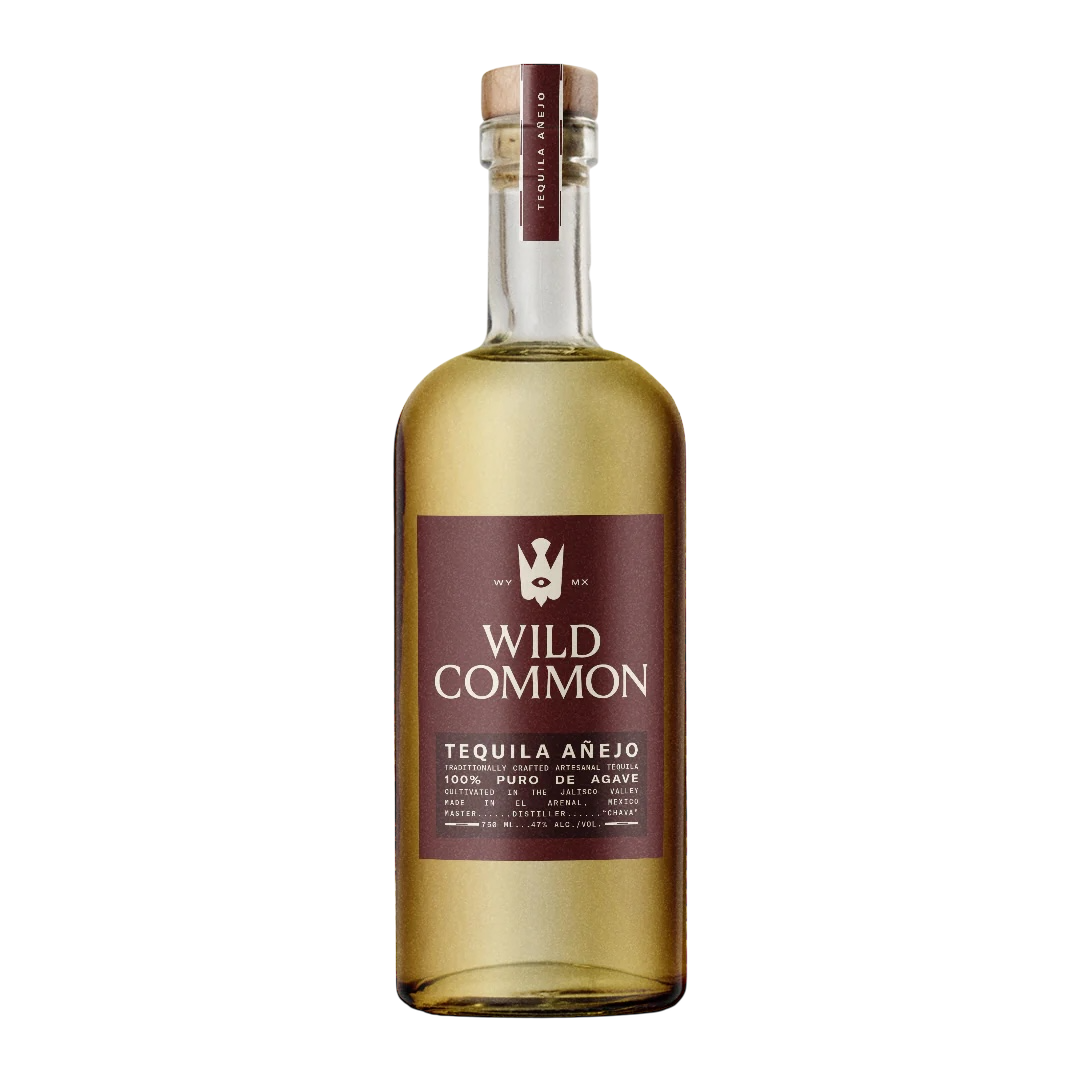
| Anejo | Anejo tequila is aged from 1 to 3 years. Wild Common Anejo Batch #1 is listed at 47% ABV and aged 12 months in ex-bourbon barrels. | Ex-bourbon maturation suggests a barrel-shaped profile, but the exact balance of agave, oak, and spice belongs to the individual batch. | Neat pours, after-dinner sipping, and collectors who want a higher-proof aged expression. |
For the clearest agave-led starting point, explore the Wild Common Blanco. If you already know that you prefer more intensity, compare the Wild Common Still Strength Blanco and confirm its current bottle details before buying. Those who prefer oak can use the category ranges as a guide, then review the live Wild Common collection for the available reposado and anejo information.
See the Wild Common Blanco profile.
What Does Wild Common Blanco Taste Like?
Wild Common Blanco opens with a clear cooked-agave character, then layers in aromas that make the pour feel more expansive than a straightforward spirit. The product notes call out wildflower honey, baked bread, fresh apricots, mandarins, and peppercorn. Together, they suggest a nose that moves between warm, lightly sweet tones and a more savory, spice-led edge. Give the glass a moment before tasting so those details have time to separate.
Aroma and palate
On the palate, the cooked agave remains central rather than disappearing beneath the fruit. Deep minerality and savory herbs add structure, while sweet lime brings brightness. White pepper supplies a clean, lively spice, and stone-fruit notes round out the middle of the sip. The result is expressive without relying on oak flavors, making it a useful example of how a blanco can show complexity through agave, fermentation, distillation, and proof.
The bottle is listed at 42% ABV in a 750 mL format. That higher-proof positioning gives the flavor more presence in a tasting glass, but it does not tell you to rush the pour. Small sips reveal more than a large first taste, especially as the pepper and minerality develop across the palate.
Finish and serving ideas
The finish is described as lasting and ever evolving, with salinity and citrus notes carrying beyond the initial sip. That combination makes Wild Common Blanco a strong candidate for sipping neat or with a few drops of water. Water can soften the alcohol impression and make the honey, fruit, and herbal notes easier to notice. A narrow tasting pour also helps you compare the aroma before and after the first sip.
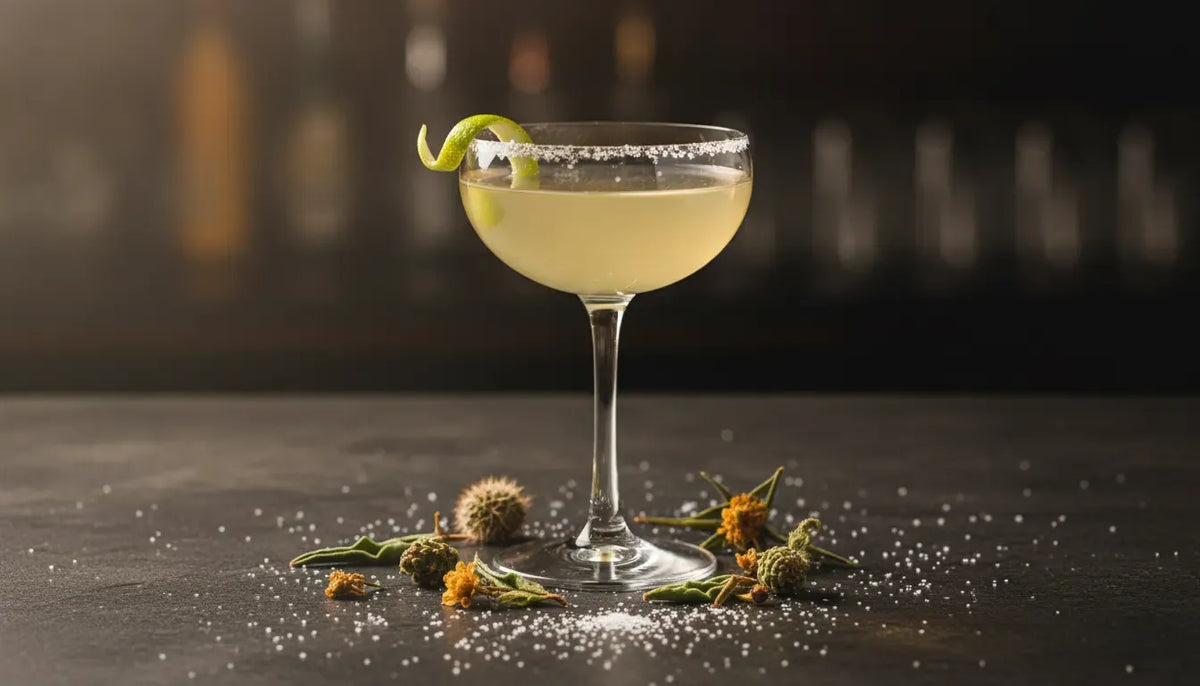
In cocktails, the same profile gives a drink a distinct agave foundation. Cooked agave and citrus can hold their own alongside fresh lime, while the herbal, peppery, and mineral notes add dimension without requiring a heavily flavored mixer. Use it when you want the tequila to remain identifiable rather than simply provide alcohol. For a simple serve, start with a balanced highball or a classic lime-forward cocktail, then adjust dilution to keep the salinity and citrus finish visible.
How Should You Choose a Wild Common Bottle?
Start with the kind of tequila experience you want, rather than looking for a universally best bottle. Wild Common offers a useful range of choices, from an agave-led blanco to a higher-proof still-strength expression and an aged anejo. The right place to begin is your palate, then proof, oak influence, occasion, and experience level.
Choose by agave character
If you want the clearest view of cooked agave and the character of the distillate, begin with a blanco. The Wild Common Blanco is made from 100% blue Weber agave in El Arenal, Jalisco. Its listed profile moves from cooked agave, wildflower honey, and baked bread on the aroma to minerality. Savory herbs, sweet lime, white pepper, and stone fruit on the palate. A lasting saline and citrus finish makes it a sensible starting point for someone who wants to study tequila without oak becoming part of the first impression.
For a more concentrated, spirit-forward experience, consider the Wild Common Still Strength Blanco. Still strength is a better fit for an experienced sipper who enjoys a fuller proof presence and is comfortable taking smaller pours. It can also work well in a side-by-side tasting with the standard blanco, where you can notice how proof changes aroma, texture, and finish. Let the bottle's current product details guide your serving decision, since proof and release information should always be checked at purchase.
Choose by oak influence and occasion
Oak changes the conversation. Blanco tequila is unaged or minimally aged, while reposado tequila is aged from 2 to 12 months and anejo tequila from 1 to 3 years. If you want agave to remain at the center, stay with blanco. If you enjoy a rounder, barrel-influenced profile, look toward reposado. For a more deliberate sipping bottle, Wild Common Anejo Batch #1 is listed at 47% ABV and aged 12 months in ex-bourbon barrels. Those details make it a natural choice for a slow pour after dinner, when wood and spirit can be considered together.
Match the bottle to your experience
New to premium tequila? Choose the standard blanco and taste it neat before adding water or using it in a cocktail. Its production details and broad range of documented tasting notes give you several reference points. More experienced drinkers may prefer still strength or anejo, depending on whether proof or maturation interests them most. For a gift, think about the recipient's habits. An agave-focused drinker may appreciate blanco, while someone who enjoys bourbon or whiskey may be drawn to an anejo aged in ex-bourbon barrels. When you are ready to compare the available expressions, shop Wild Common tequila and use the live product pages to confirm the current bottle details.
Is Wild Common Tequila Additive-Free?
The precise answer depends on the expression. Sip Tequila's product page describes Wild Common Blanco as 100% additive-free. That is a verified, product-specific description for the Blanco page. It should not automatically be read as a claim covering every bottle released under the Wild Common name.
This distinction matters because a tequila brand can offer several expressions with different production and aging details. Blanco, reposado, anejo, and still-strength releases should each be evaluated from the current product information for that specific bottle. A statement about one expression is not a substitute for checking another expression's listing, label, or documentation.
What should shoppers check?
Start with the exact expression and batch you plan to buy. Look for clear wording about additive-free production on the product page. Confirm that the wording applies to that bottle rather than appearing only in a general brand description. If the page identifies a producer, distillery, or NOM, use those details to understand which product the claim refers to. For Wild Common Blanco, Sip Tequila's page identifies production at NOM 1123 in El Arenal, Jalisco, alongside the additive-free description.
It is also worth checking whether you are comparing like with like. A still-strength blanco may not have the same product description as a standard blanco, while an aged expression may have separate batch information and tasting notes. Do not infer additive status from a tequila's color, price, proof, aging category, or a familiar production method. Those details can help you understand a bottle, but they do not independently verify an additive-free claim.
For shoppers who want to compare the currently documented options, the Wild Common collection is the practical starting point. Open the individual listing for the bottle you are considering and read its current description before ordering. If additive-free status is central to your purchase, choose an expression with a specific, current statement rather than relying on a brand-wide assumption.
How to Taste Wild Common Tequila
- Set up a fair comparison. Pour small, equal samples into narrow tasting glasses and keep the bottles nearby so you can confirm each expression's category and proof. Taste from lighter to more mature expressions, and leave room between pours for a sip of water. If you are comparing a blanco with an anejo, remember that they are not meant to taste identical. Blanco is unaged or minimally aged, while anejo is aged from one to three years. For example, the Sip Tequila listing for Wild Common Anejo Batch #1 identifies 47% ABV and 12 months in ex-bourbon barrels. Use those details as context, not as a prediction of exactly what you will taste.
- Start with the appearance. Hold the glass against a neutral background and note color and clarity. A blanco should generally show little influence from barrel aging, while an aged expression may show color from time in oak. Do not treat a darker color as proof of higher quality. Record what you see before you smell the spirit, so the appearance does not steer your expectations too strongly.
- Smell before tasting. Swirl gently, then take short, unhurried nosing passes. Look first for the broad impression of agave, then separate fruit, spice, herbs, bread, honey, or mineral notes if they appear. The verified Wild Common Blanco notes describe cooked agave, wildflower honey, baked bread, apricots, mandarins, and peppercorn. Write down your own first impression before checking those notes on the Wild Common Blanco product page.
- Take a small sip and map the palate. Let the tequila move across your tongue, paying attention to sweetness, spice, texture, heat, and the return of agave. Sip Tequila's Blanco notes include cooked agave, minerality, savory herbs, sweet lime, white pepper, and stone fruit. Treat that list as a reference, not a checklist. Your palate may identify a different balance or a note that develops after the spirit warms.
- Evaluate the finish, proof, and rest. Notice which flavors remain after swallowing and how long they last. The Blanco listing describes a lasting, evolving finish with salinity and citrus. Add a few drops of water only after tasting it neat, then wait briefly and smell and taste again. Record whether the aroma opens, the texture changes, or the alcohol feels softer. A short rest in the glass can also reveal new detail. For a fuller foundation, follow Sip Tequila's guide on how to taste tequila, then compare your notes across the Wild Common lineup.
Wild Common Tequila for Gifting and Cocktails
A bottle of Wild Common can work in two very different ways: as a spirit to explore slowly or as the foundation for a well-built cocktail. The right choice depends on the recipient's palate, how they usually drink tequila. And whether the bottle is meant to be opened immediately or saved for a meaningful occasion.
When to give Wild Common as a gift
For a recipient who enjoys tasting tequila neat, the Wild Common Blanco is a useful introduction to the brand's profile. Its product page describes cooked agave alongside wildflower honey, baked bread, apricot, mandarin, peppercorn, minerality, savory herbs, lime, stone fruit, salinity, and citrus. Those details give the recipient plenty to explore in the glass rather than reducing the gift to a bottle with a recognizable label.
The Blanco product page also currently lists a custom laser-engraving option and notes that engraving orders need additional processing time. Because personalization terms, fees, and timing can change, confirm the live product page before promising a specific engraving arrangement to the recipient. A handwritten note or appropriate glassware can make the gift feel considered without relying on details that may no longer apply.
When to use it in cocktails
The same Blanco page identifies the expression as suitable for Margaritas and Palomas. Its agave, citrus, herbal, pepper, and mineral notes can give those familiar formats a more expressive base while keeping the drink recognizable. Use the bottle in a Margarita when you want the tequila to remain present alongside lime and orange. Or in a Paloma when grapefruit and sparkling elements should frame rather than completely cover the spirit.
If you are choosing a bottle for someone who prefers cocktails, start with the Wild Common collection and review the current expression details before buying. Product descriptions and personalization terms can change, so let the live listing guide the final choice. For a neat-sipping enthusiast, prioritize the tasting notes and production information; for a host or cocktail-minded recipient, choose the expression that best fits how they already enjoy tequila.
Choose your Wild Common expression.
Frequently Asked Questions
What is Wild Common tequila?
Wild Common is a tequila lineup that includes Blanco, Reposado, Anejo, and Blanco Still Strength expressions. The documented Blanco is made from 100% blue Weber agave in El Arenal, Jalisco, at NOM 1123, with distillates produced through tahona and roller-mill processing. Expression details can vary, so check the specific bottle before buying.
Who makes Wild Common tequila?
Wild Common Blanco is crafted by master distiller Salvador "Chava" Rosales. The product page describes the brand as a collaboration involving the Rosales family at Cascahuin distillery in El Arenal and founder Andy Bardon. That producer information is specific to the documented product listing and should not be generalized beyond the verified expression.
Is Wild Common tequila additive-free?
The Wild Common Blanco product page describes that expression as 100% additive-free. Treat this as a bottle-specific claim rather than assuming every Wild Common expression has the same designation. For any other bottle, review its current product information or ask the retailer for the applicable production and additive details.
Is Wild Common tequila good?
Whether it is a good fit depends on your palate and how you plan to drink it. The Blanco offers cooked agave, minerality, savory herbs, sweet lime, white pepper, stone fruit, salinity, and citrus notes. The Anejo is listed as aged 12 months in ex-bourbon barrels. Choose Blanco for a more agave-led profile, or compare aged expressions if you prefer oak influence.
Ready to Explore Wild Common Tequila?
Choosing between expressions is easier when you can compare proof, aging, and tasting profiles in one place. Explore the collection to find the Wild Common bottle that fits your palate, whether you prefer bright agave character, a fuller oak influence, or a more intense pour. Shop the Wild Common collection and choose your expression.