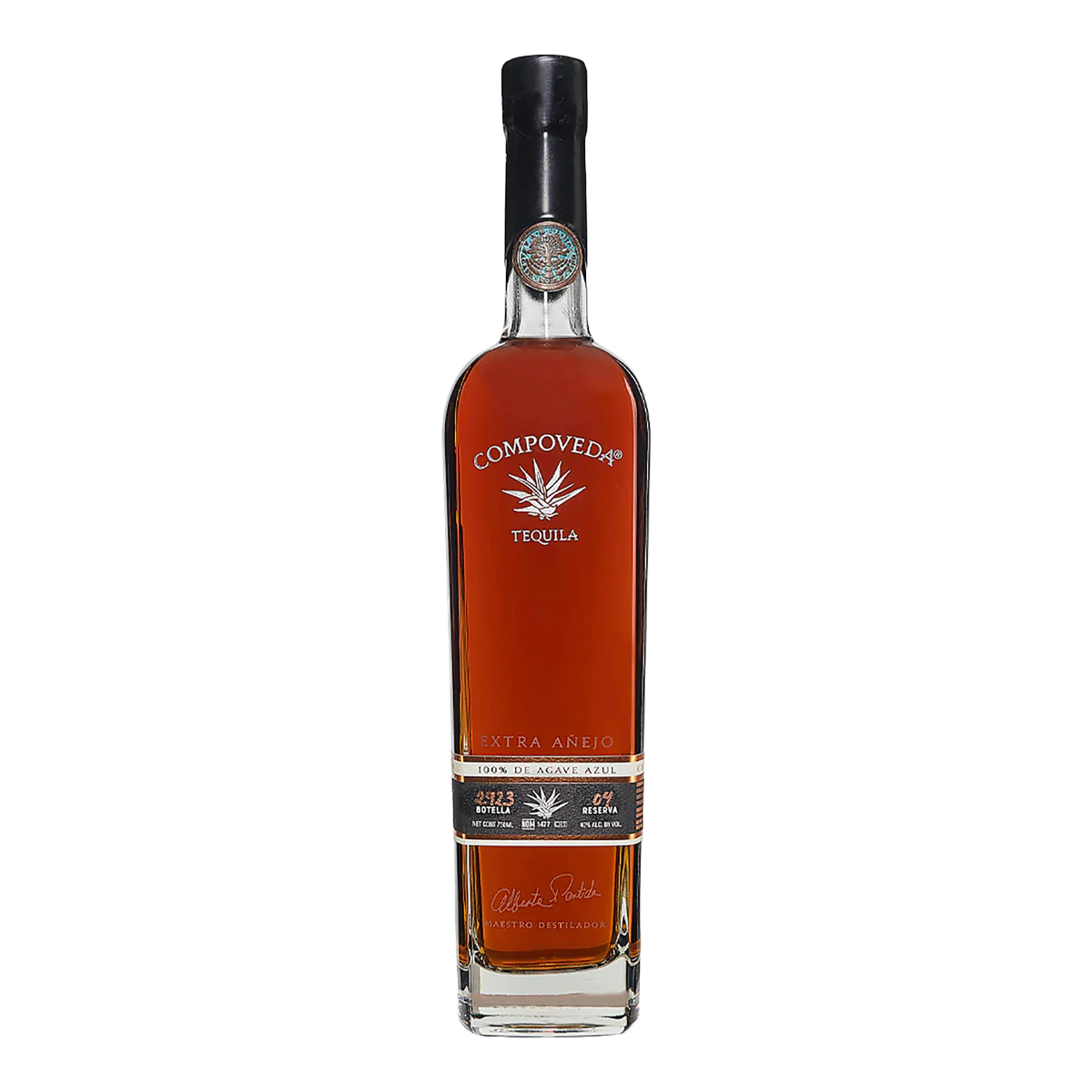
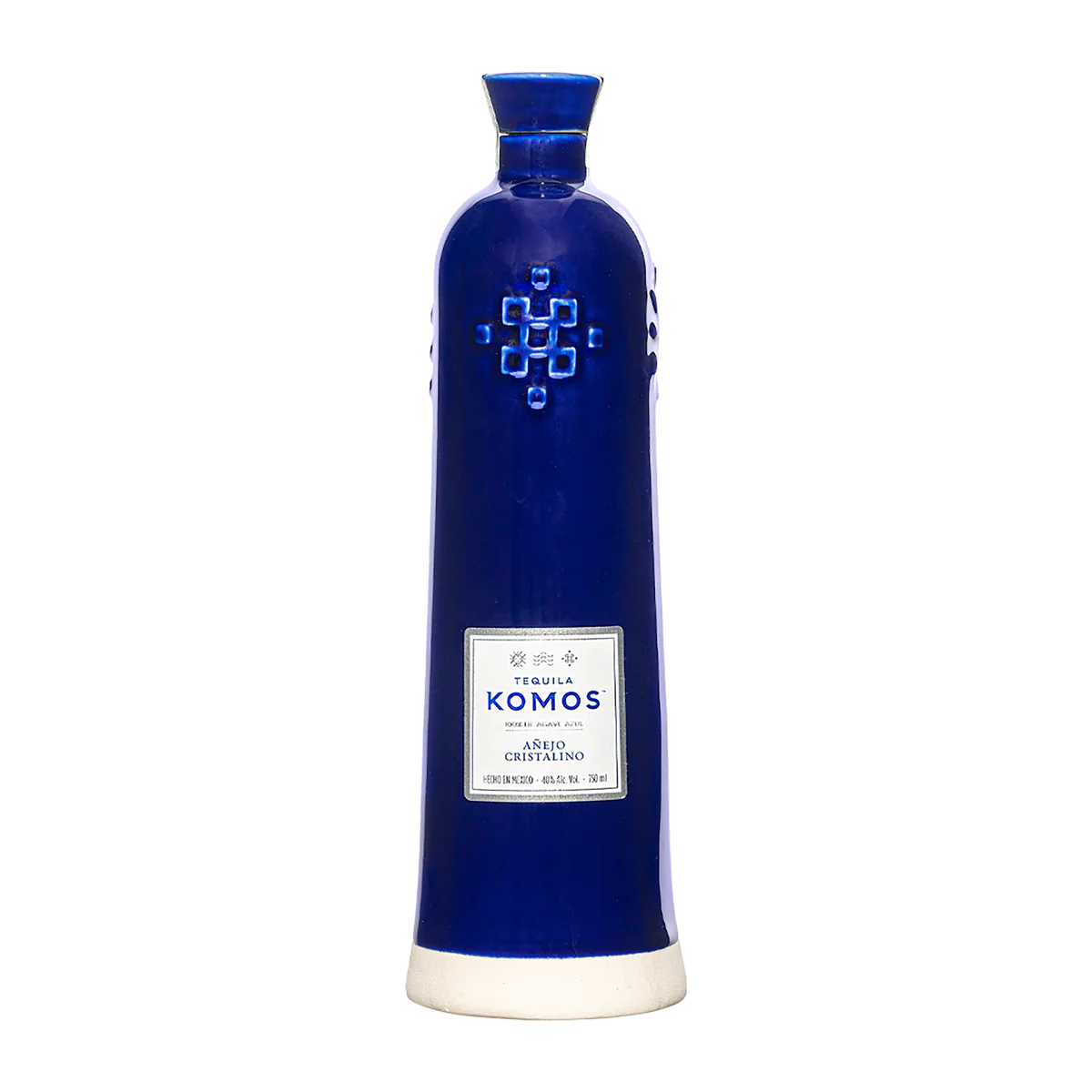

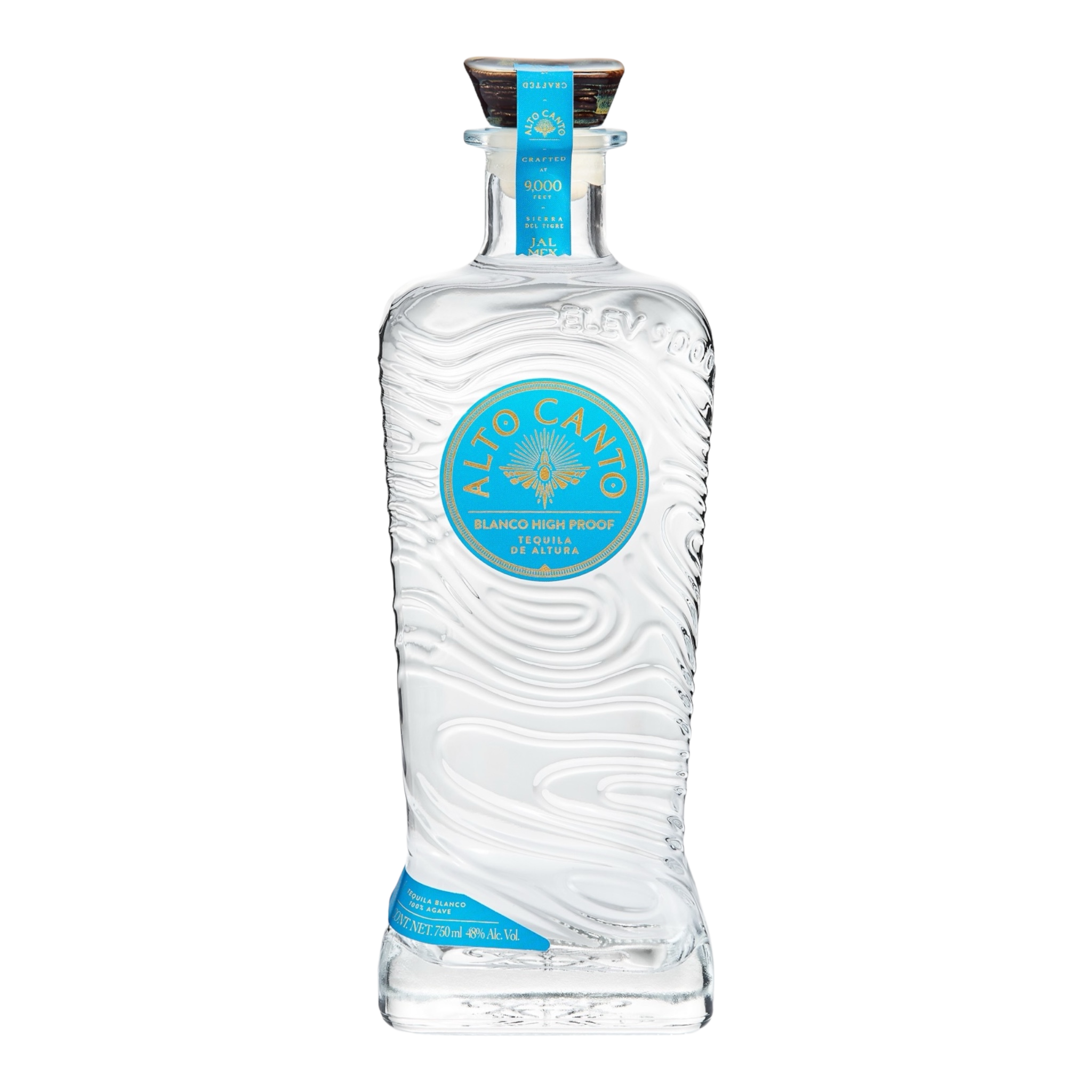
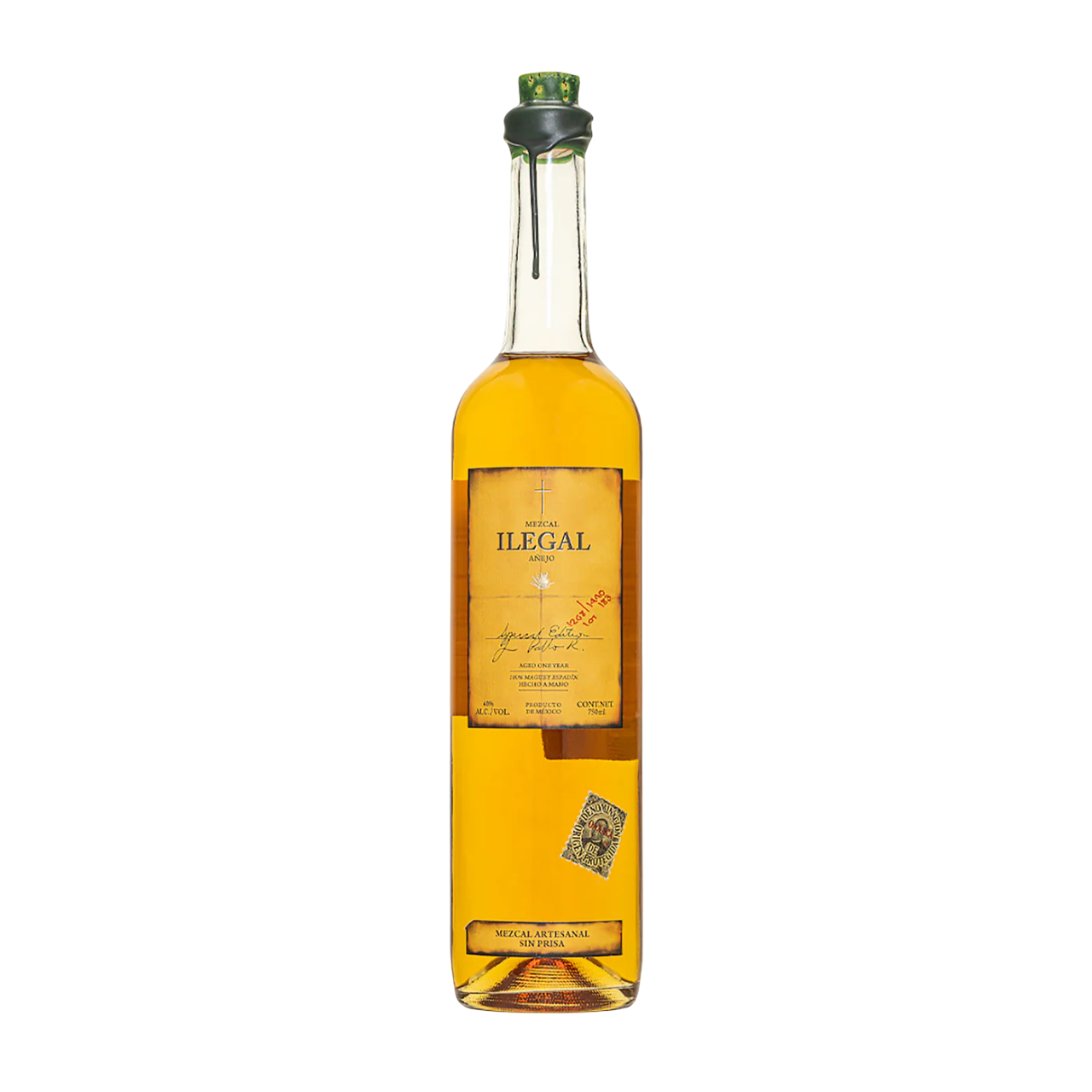
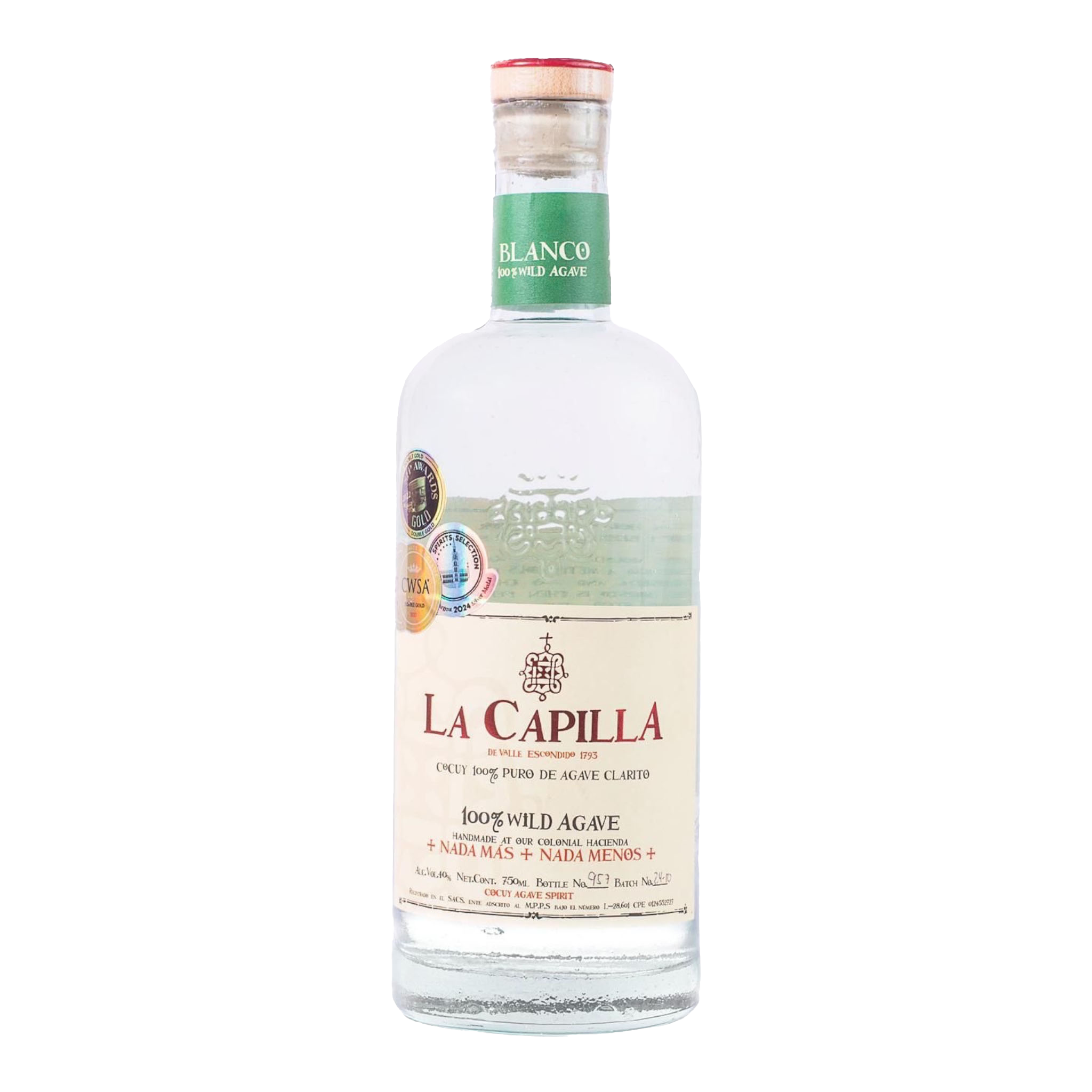




Bacanora is a Mexican spirit associated with Sonora, and that regional identity is part of what makes choosing a bottle interesting. If you are comparing bacanora with tequila or mezcal, start with the bottle’s origin, producer details, and flavor description—not just the category name. Those clues help set expectations and give you a practical way to decide whether it suits your palate or the occasion.
Explore popular bottles and find your next pour
What is bacanora?
In brief: Bacanora is a regional Mexican distilled spirit linked to Sonora. Its category name is a useful starting point, but the maker and bottle details tell you more about what to expect.
Bacanora has a distinct identity rather than being simply another name for tequila. Like other regional spirits, it reflects local materials, production choices, and the preferences of the people who make and drink it. The word points toward a place and tradition; it does not promise one uniform taste across every bottle.
The broad category name gives you a starting point, not a complete tasting note. Two bottles can differ in aroma, texture, strength, and finish. Producer, harvest, cooking, fermentation, distillation, and bottling decisions can all shape what ends up in the glass. That is why concise information about the maker and process can be more useful than a grand-sounding label.
An academic paper that names bacanora among Mexican spirits also lists tequila, mezcal, raicilla, and other named traditions. That is a useful reminder that a shared broad family does not erase differences between places, producers, and methods. Read the specific bottle in front of you rather than assuming every spirit in a neighboring category will taste alike.
- Origin: Look for clear information connecting the bottle to Sonora.
- Producer: A named maker and useful production notes make the bottle easier to understand.
- Expression: Check whether it is presented as a clear, rested, or aged spirit, and read how the producer describes that choice.
How is bacanora made, and why can bottles taste different?
In brief: Cooking, fermentation, distillation, and aging choices can all influence the final profile. Treat process details as context, not a guarantee of a particular flavor.
At a high level, production involves harvesting mature plants, cooking their hearts, extracting the sweet liquid, fermenting it, and distilling the fermented wash. The particulars matter. Cooking method can influence roasted or earthy notes; fermentation can contribute fruit, spice, or savory aromas; distillation and proof affect texture and intensity. Aging, when used, brings another set of aromas and can change the spirit’s color and feel.
That outline is useful, but it should not be mistaken for a promise that every maker follows one identical recipe or that one technique guarantees quality. A concise, specific producer description is more helpful than vague claims about tradition. If a label or product page leaves you curious, look for details about the place, maker, expression, proof, and suggested way to drink it.
Flavor language is subjective. One person’s “smoky” may read as roasted or earthy to someone else. Treat tasting notes as a map, not a verdict. Words such as herbal, mineral, peppery, fruity, or toasted can help you choose a direction, but the best test is whether those notes sound appealing to you.
It also helps to separate what a description says from what you infer. “Cooked in an oven,” for example, tells you something about a production step; it does not by itself establish that the finished spirit will taste strongly roasted. “Rested” or “aged” gives you a clue about handling, but the length and vessel matter, and those details may not always be stated. When the description is brief, mark the unknowns instead of filling them with assumptions.
For a first purchase, specific information matters most when it helps answer a real question: Is the bottle clear or aged? What strength is it? Who made it? Are tasting notes provided? If a producer shares more detail, use that as a basis for comparison. If not, make the decision from the facts you do have and keep expectations open.
How does bacanora compare with tequila and mezcal?
In brief: The categories have distinct identities and regional cues. Compare stated origin, maker, expression, and proof instead of expecting a category name to predict flavor.
All three are Mexican spirits with important regional identities, but they are not interchangeable labels. Tequila has a defined production region and category rules; mezcal has its own rules and a broad range of styles. Bacanora is associated with Sonora. When shopping, compare the category, stated origin, producer, and expression rather than assuming that a familiar word describes the flavor.
| What to compare | Bacanora | Tequila | Mezcal |
|---|---|---|---|
| Regional cue | Look for a clear connection to Sonora. | Check the stated production area and producer information. | Check the stated region and producer information. |
| Useful label details | Maker, origin, expression, proof, and process notes. | Maker, expression, proof, and aging information. | Maker, expression, proof, and process or batch notes. |
| How to set expectations | Use the producer’s tasting notes as a starting point; expect variation between bottles. | Compare the expression and producer rather than relying on category alone. | Compare the maker and production details; styles can vary widely. |
| A useful first step | Choose a bottle with transparent origin and a flavor profile that sounds appealing. | Explore a clear expression such as Riazul Plata as a point of comparison. | Read about a specific bottle, such as IBÁ Mezcal Jabali, rather than generalizing across the category. |
Use this comparison to frame questions, not to rank one category over another. If you already enjoy a bright, unaged tequila, you might look for a bacanora described with fresh, herbal, or peppery notes. If you prefer deeper, rounded flavors, search for a producer’s description of a rested or aged expression. Those are starting points—not guarantees—and your palate gets the final vote.
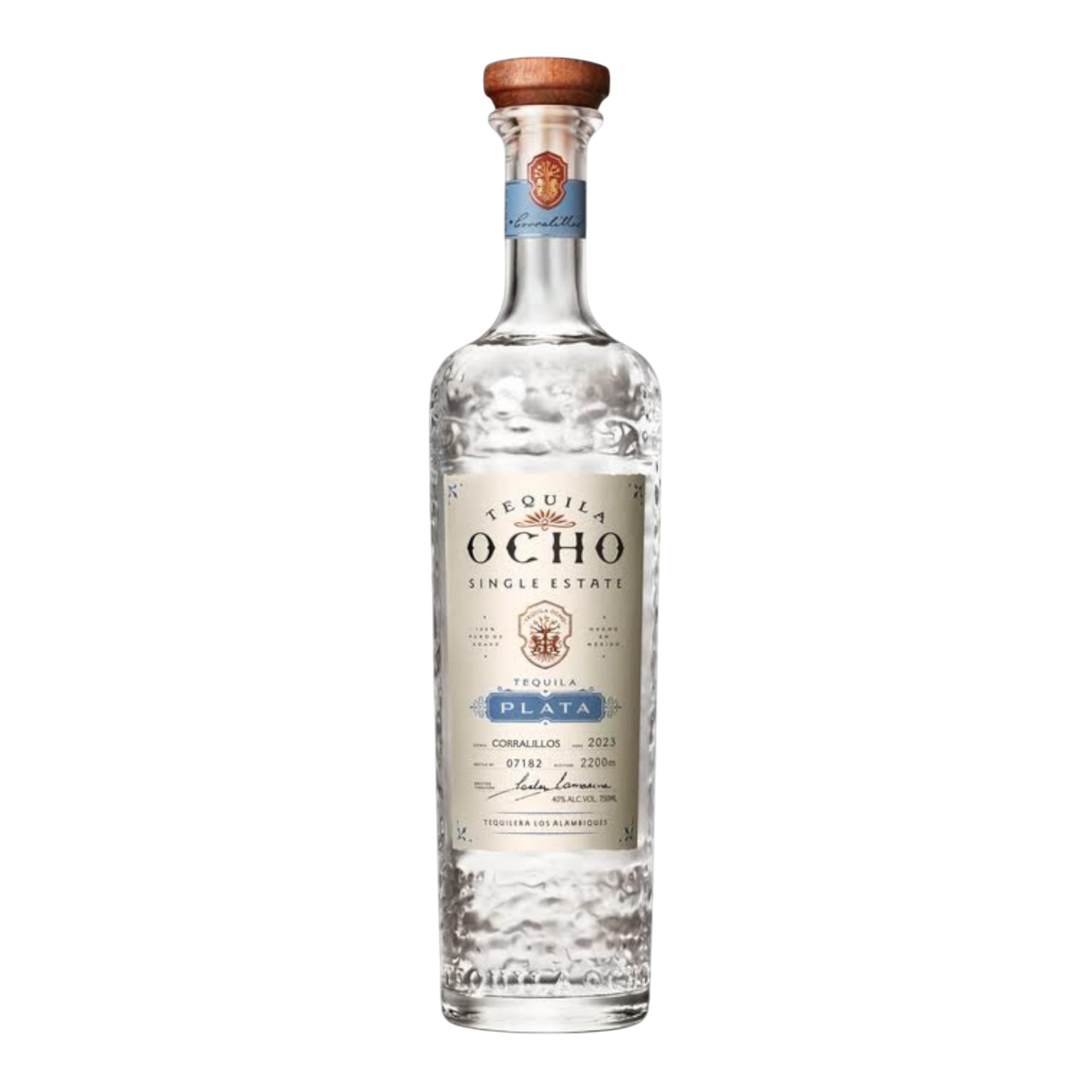
For background on tequila expressions and terminology, browse the Sip Tequila guide or the Tequila 101 collection. To compare specific descriptions, you can also read about Arette Reposado or browse Tequila Ocho. These links offer neighboring examples; they are not claims that bacanora will share the same profile.
A practical bacanora bottle checklist
In brief: Verify the Sonoran origin and named maker, then review expression, proof, flavor notes, bottle size, price, and delivery terms.
Start with details that can be verified. A clear label or product description should help you understand where the spirit comes from and who made it. Then consider the flavor and serving context. A bottle meant for a slow sip might be a different choice from one you plan to use in a cocktail or share at a tasting.
- Confirm the origin. Look for Sonora and specific producer information. If the regional story is missing or vague, pause before treating the label as a reliable guide.
- Read the expression and proof. Note whether the spirit is presented as clear, rested, or aged, and check its alcohol strength. These details help you compare like with like.
- Translate tasting notes into your preferences. If you enjoy savory, earthy, or herbal flavors, those words may be useful clues. If you usually prefer soft fruit or a gentle finish, look for those notes instead.
- Think about how you will serve it. For a first taste, try a small pour neat at room temperature. Then add a few drops of water if the aroma feels closed or the alcohol seems prominent.
- Check the whole purchase. Review bottle size, price, shipping availability, and stated delivery terms before checkout. For a gift, consider the recipient’s usual flavor preferences before choosing an unfamiliar category.
It can help to keep a simple comparison note. Write down the producer, expression, proof, aroma, first sip, and finish. That gives you a personal reference for the next bottle and prevents a dramatic label description from doing all the decision-making.
Here is a practical way to use the checklist when browsing two listings. First, copy down the facts each one shares: origin, maker, expression, proof, size, and price. Next, circle the information that matters for your plan. For a gift, the maker and flavor notes may take priority; for a tasting, you may want two bottles with clearly different descriptions. Finally, note what remains unknown. If both listings provide similar detail, choose based on the flavor direction and budget that suit you. If one gives meaningful production information and the other relies mostly on general praise, the more informative listing is easier to evaluate—even if it is not automatically the better spirit.
Price comparisons are more useful when you account for size and proof as well as the sticker price. Compare like-sized bottles where possible, and do not assume that a higher price guarantees a profile you will enjoy. A bottle can be a good fit because it answers your questions and matches your plans, not because it carries the largest price tag. For other examples of how listings present price and bottle details, browse the price guide or the current sale selection; neither page establishes a price or current availability for bacanora.
A simple first bacanora tasting
In brief: Begin with a small neat pour, take time with aroma and finish, and add water only if you want to explore how the profile opens.
A small, unhurried pour makes it easier to notice aroma and texture. Choose a clean tasting glass with enough room to gently swirl the spirit. Skip strong food or fragrance right beforehand, since both can make subtle aromas harder to pick out. Keep water nearby, and taste at a comfortable pace.
- Look: Note whether it is clear or has color. Color may reflect aging or other production choices, but it does not tell you everything about flavor.
- Smell: Take a light first sniff, then return after a moment. Try describing what you notice in everyday language—fresh, roasted, herbal, fruity, or earthy.
- Taste: Take a small sip and let it move across your palate. Notice sweetness, heat, texture, and whether the flavors change.
- Finish: Pay attention to what remains after swallowing. Is it quick or lingering, dry or rounded, gentle or intense?
Keep the first tasting simple. A cocktail can be enjoyable, but mixers may conceal details you are trying to learn. After tasting it neat, you can decide whether to use it in a drink. If you are hosting, put out water and small pours, and let each person taste at their own pace. You do not need elaborate glassware or a formal tasting sheet: a clean glass, a calm setting, and a few notes are enough.
For a more useful side-by-side, taste one spirit at a time before comparing them. Write your first impression while it is fresh, then revisit each glass after a short pause. Try not to force the same descriptors onto both. One might come across as lighter or more herbal to you, while another feels rounder or more savory. Your notes are personal observations, not a test with a correct answer.
If the first sip feels intense, do not rush to judge the whole bottle. Let the pour rest briefly, take a smaller sip, or add a few drops of water and see whether the aroma changes. Keep track of what you altered so you can distinguish the spirit’s initial impression from the effect of dilution. If alcohol is not for you, skip the tasting; there is no need to drink to learn about the category.
Want to compare several spirits side by side? A tasting kit selection can offer a structured way to explore different bottles, while the tequila infographics provide quick reference material for the neighboring category. These resources are useful for learning, but they are not substitutes for checking the details on the particular bacanora bottle you are considering.
Build a shortlist that fits your palate
In brief: Set your purpose, choose flavor cues you like, and compare bottles on the same practical details before deciding.
A small shortlist keeps an unfamiliar category manageable. First, decide whether the bottle is for a neat pour, a cocktail, a gift, or a shared tasting. Next, pick two or three flavor cues that appeal to you. Then compare bottles using the same details: stated origin, producer, expression, proof, bottle size, and price. If a description gives no information beyond broad praise, you have less to compare.
For a neat pour or gift, prioritize producer information and notes that sound aligned with the recipient’s preferences. For cocktails, consider how bold the spirit sounds and whether you want its character to stand out against other ingredients. When planning a side-by-side tasting, choose pours with a clear point of contrast instead of buying several bottles that the descriptions present as nearly identical.
- For sipping: Look for a detailed aroma and finish description, then start with a small pour.
- For a cocktail: Choose based on the drink’s flavor direction and test a modest measure first.
- For a gift: Favor clear origin and maker details, and match the flavor profile to what the recipient already enjoys.
To make the shortlist concrete, create three columns: “known,” “promising,” and “still a question.” Put factual label details in the first column, flavor language that appeals to you in the second, and missing information in the third. This prevents an attractive description from blurring facts and preferences. If you are choosing for someone else, make the preference column about flavors they already enjoy rather than guessing what an unfamiliar spirit should taste like.
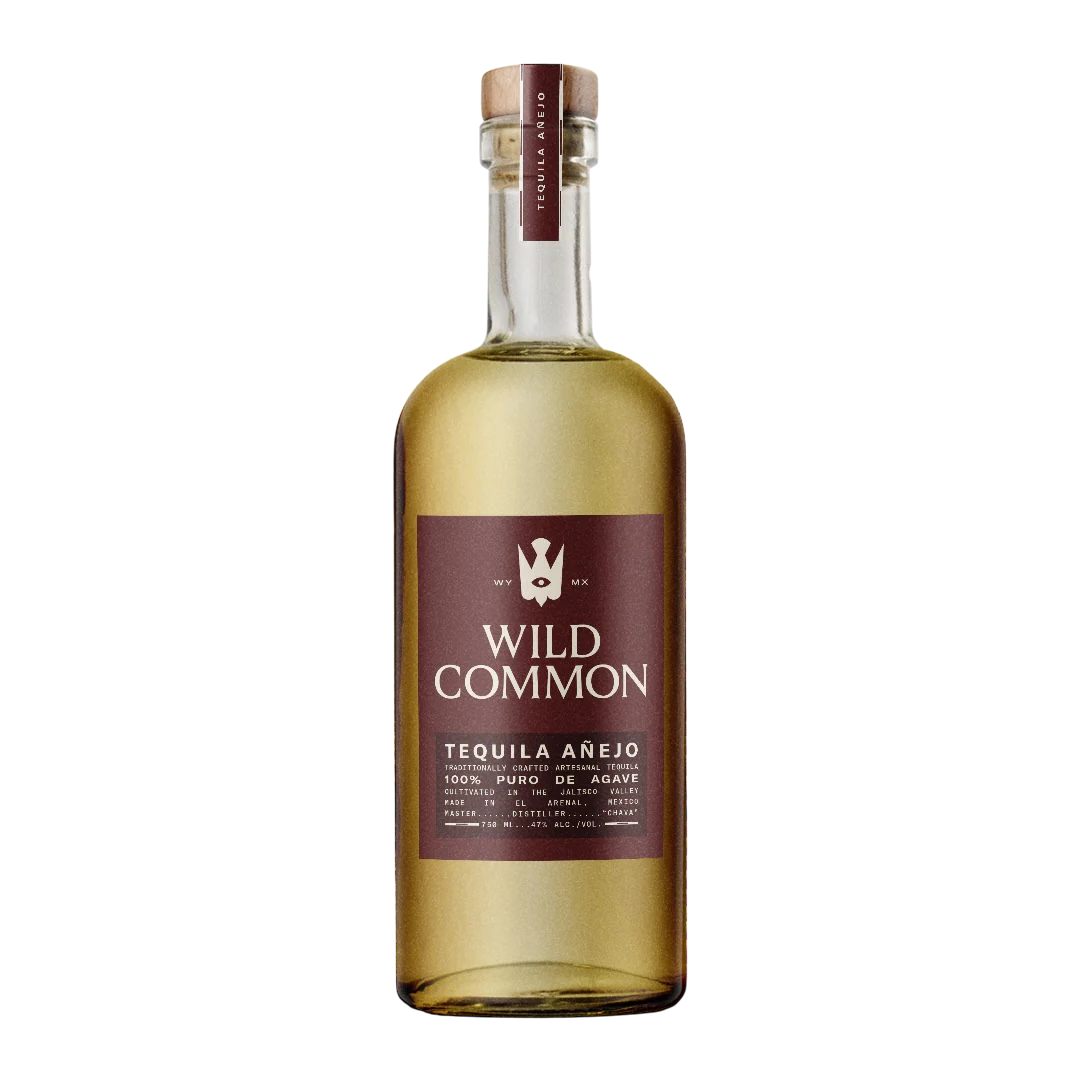
You can use other categories as reference points without assuming they will taste the same. For instance, browse a tequila añejo listing or a Hidden Gem selection to see how expression, producer, and price information appear across listings. These comparisons help you practice reading product descriptions; they do not establish bacanora availability or price.
Common bacanora shopping mistakes
In brief: Avoid generalizing from one bottle, relying on color alone, or treating tasting notes as guarantees. Check specifics before buying.
A few common shopping shortcuts can make the choice less satisfying. The category is worth exploring on its own terms, so give the producer and bottle details a little attention. A careful check does not have to take long; it just keeps assumptions from standing in for information.
- Assuming every bottle tastes the same. Production choices and individual makers matter. Use the label to compare specific examples.
- Choosing by color alone. A clear or darker appearance does not automatically tell you whether you will enjoy the aroma, texture, or finish.
- Taking tasting notes as fact. Descriptions are subjective. Think of them as clues and translate them into flavors you already know you like.
- Confusing neighboring categories. Tequila, mezcal, and bacanora each have distinct identities. A bottle’s origin and producer are important, not just the broad family it belongs to.
- Buying before checking the details. Verify proof, size, price, and delivery terms. If the product information is sparse, ask questions before making the purchase.
- Expecting a process word to settle the whole question. A single mention of cooking or aging does not tell you exactly how intense, sweet, smoky, or smooth a bottle will seem. Look for the complete description and keep your conclusion proportional to the information given.
One useful correction is to separate “I know” from “I expect.” You may know the stated origin and proof from the listing; you may expect an herbal note because the producer uses that description. Keep those in separate mental boxes until you taste it. That habit makes it easier to learn from the bottle even when your impression differs from the wording.
If you are browsing more broadly, Sip Tequila’s Hidden Gem collection can help you discover other bottles. Treat it as an adjacent shopping resource, not a substitute for confirming whether a specific bacanora is currently listed and available.
Browse popular bottles and compare your options
Frequently asked questions
In brief: These answers cover category differences, flavor expectations, serving, label details, and cocktail swaps.
Is bacanora the same as tequila?
No. Bacanora is associated with Sonora, while tequila has its own defined production region and category rules. Compare the stated origin and producer instead of treating the names as interchangeable.
Does bacanora always taste smoky?
No single tasting note describes every bottle. Flavor varies by producer and production choices. Read the specific maker’s notes, then use them as a guide rather than a promise.
How should I drink bacanora?
Start with a small neat pour to learn its aroma and finish. Once you have tasted it on its own, try it in a cocktail if that suits your preference. You can also add a few drops of water to explore how the aroma changes.
What should I look for on the label?
Look for a clear Sonoran origin, named producer, expression, proof, and useful production or tasting notes. Those details make comparison easier and help you set reasonable expectations.
Can I use bacanora instead of tequila in a cocktail?
You can experiment with a spirit swap, but expect the drink to taste different. Start with a simple recipe and a small measure, then adjust the other ingredients to suit the bottle.
Bacanora rewards curiosity: begin with its Sonoran identity, read beyond the category name, and let the producer’s details and your own palate guide the choice.