




Sustainability of tequila production is not one label or a single farming choice. It is a set of questions about how a bottle is grown, made, packaged, and moved—and how clearly a producer can explain those choices. If you are comparing bottles, looking beyond a broad claim can help you choose with more confidence.
What does sustainability mean in tequila production?
There is no single detail that makes a bottle sustainable in every respect. A useful assessment considers the product’s full path: growing and harvesting the crop, processing it, distilling and aging the spirit, packaging the finished bottle, and transporting it to a customer. Choices at one stage can matter, but a strong result in one area does not automatically settle the others.
For example, a producer might explain how it manages water or reuses material from processing. That is meaningful information about a particular practice. It does not, by itself, tell you the total environmental impact of the bottle, the source of its energy, the weight of its packaging, or how the product’s effects on local workers and communities are addressed.
For a shopper, the practical goal is not to identify a perfect bottle from a short label. It is to distinguish specific, checkable information from broad language, then decide which factors matter most to you. A clear account of one measured improvement can be more useful than a sweeping promise with no explanation behind it.
Where can a bottle’s footprint come from?
Production involves several stages, and each raises different questions. The crop must be cultivated and harvested. The harvested plants are cooked, milled, fermented, and distilled. Some tequila is aged in barrels before bottling. The bottle, closure, label, and shipping materials are made and transported as well. A life-cycle assessment tries to account for impacts across a defined portion of this chain rather than treating one production step as the whole story.
Cultivation and harvesting
At the growing stage, useful questions include how land and water are managed, whether the producer describes soil practices, and how it plans for a reliable supply of mature plants over time. A claim about responsible cultivation should say what is being done and where it applies. One producer’s practice cannot be assumed to represent an entire category.
Cooking, milling, and distillation
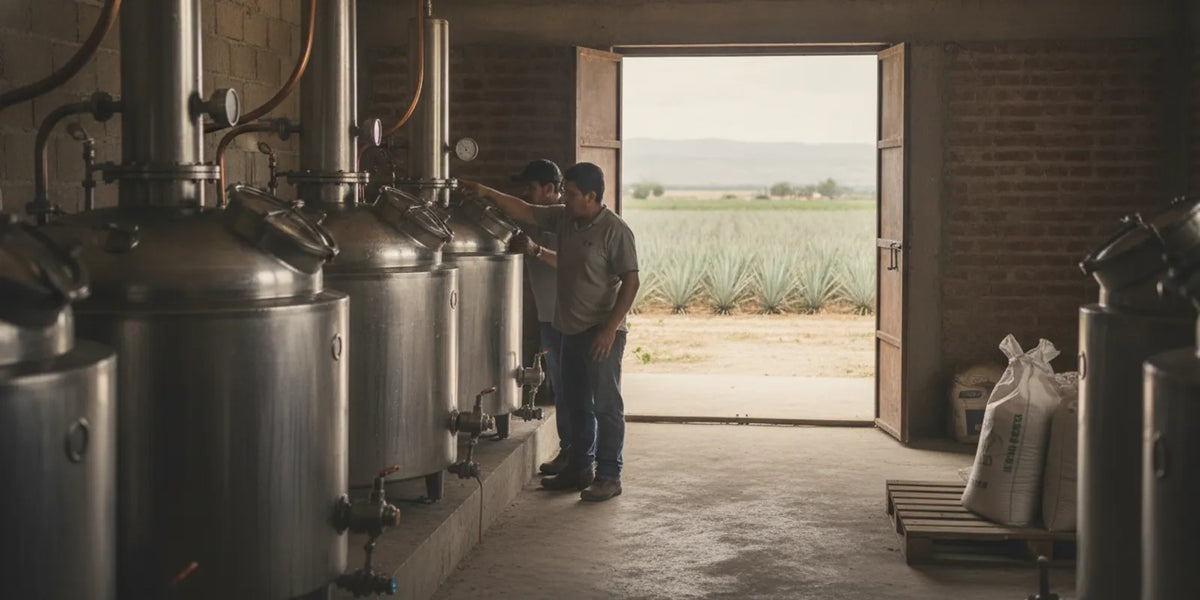
Processing takes energy and water, while milling and fermentation create residual materials that may need to be handled. Ask whether a producer explains its energy sources, water use, wastewater treatment, or plans for using or disposing of byproducts. A description of one improvement is useful, but a number only makes sense when its scope and measurement period are clear.
Aging, packaging, and delivery
Time in a barrel can affect a spirit’s production profile, and the barrel is only one part of the overall picture. Glass weight, recycled content, the closure, cartons, and protective shipping materials can all be relevant. Distance alone does not tell you a bottle’s full footprint: transport mode, shipment size, packaging, and the way the estimate was calculated also matter.
A 2025 research paper titled “Sustainability in Tequila Production: A Life Cycle Assessment” reports an estimated 2.27 kg of CO2-equivalent impact for a bottle aged six months, and describes that impact as comparable to other spirits. Treat that figure as the result for the study’s defined assessment, not as a universal score for every tequila or a direct comparison between two bottles. The reported figure is most useful as an example of an assessment with a defined scope, not as a shortcut for ranking individual listings.
What should you compare when reviewing sustainability claims?
Use a short set of questions to turn a general claim into something more concrete. You do not need a complete environmental report for every bottle. Even a few clear answers can help you understand what the producer has measured and what remains unknown.
| Area to examine | Useful detail to look for | What to ask if it is unclear |
|---|---|---|
| Crop and land | Named cultivation or land-management practices, with a stated scope | Where and when does the practice apply? |
| Water and energy | Measured use, a baseline, and a time period or reduction goal | Is this a site figure, a product figure, or a company-wide statement? |
| Processing materials | Specific handling or reuse of production residuals | Which material is covered, and how is it handled? |
| Packaging | Glass or carton details, recycled content, or a stated packaging change | Does the claim cover the whole package or only one component? |
| People and supply | Named policies, sourcing practices, or public reporting | Who is covered, and how is the practice checked? |
Look for scope, not just a promising phrase
Terms such as “green,” “responsible,” or “eco-friendly” are difficult to compare without supporting detail. Look for the subject of the claim, the facility or product it covers, and the period it refers to. If a producer says it reduced water use, for instance, a baseline and timeframe help you understand what changed. Without them, you may know the direction of the claim but not its scale.
Separate a measured result from an intention
A current measurement, a goal, and a planned project are not the same thing. A company may publish a target for a future year; that shows an intention, not a result already achieved. Keep the distinction clear when reading a product page or brand statement. If it gives a target, check whether it also describes progress and how it will report it.
Check whether the claim applies to the bottle
Some information describes a producer, some a particular distillery, and some a specific bottle or batch. Those scopes should not be blended together. A practice at one facility may not apply to every expression made by the same company. If the page does not make the connection clear, treat the claim as background information rather than a verified feature of the bottle you are considering.
How can you compare two bottles fairly?
Start by comparing like with like. Two bottles should have a similar size and product type, and the information should cover similar stages of production. A number for a single facility cannot be compared fairly with a number covering a complete supply chain. Nor does a lower figure automatically mean a better overall choice if the measurement omits packaging or transport in one case but includes it in the other.
- Write down your priorities. Choose two or three factors that matter most to you, such as land practices, water, energy, packaging, or producer transparency. This keeps a purchase decision focused instead of making every unverified claim a deciding factor.
- Find the exact claim. Read the product and producer information. Note whether the statement covers a particular bottle, a facility, a brand, or a future goal. If you cannot find supporting details, mark the point as unknown rather than assuming the claim is false or complete.
- Check the evidence and its limits. Prefer a specific practice or reported measurement with a clear timeframe. If a study is cited, see whether it concerns the same product and which production stages it includes. Do not compare figures that use different boundaries as though they were a standardized rating.
- Keep taste and occasion in the decision. Sustainability information can guide your choice, but it is not a tasting note. Consider what style you enjoy, how you plan to serve it, and the price that suits your occasion. A bottle you will enjoy and use thoughtfully may be a more confident fit than one selected solely for an unclear environmental claim.
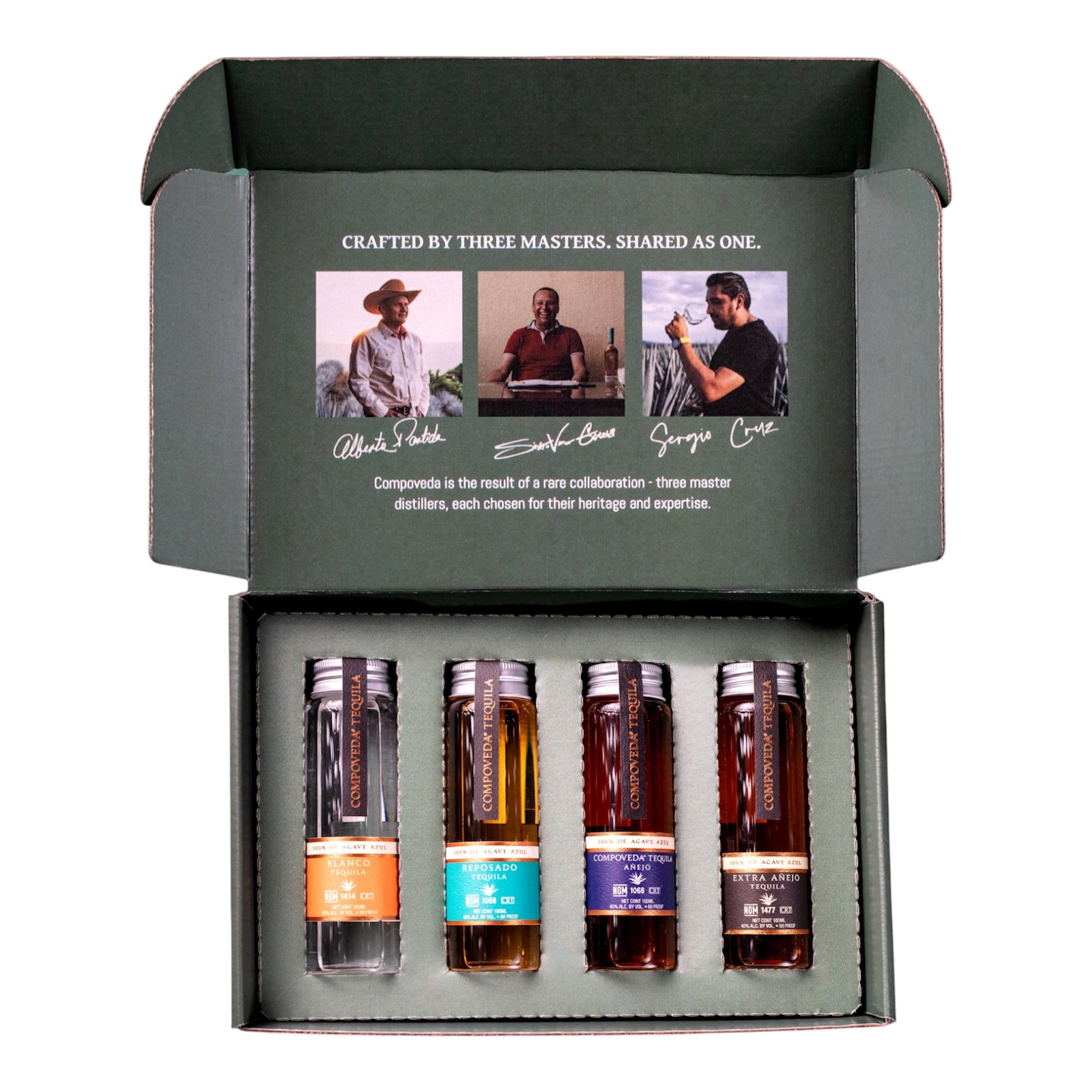
If you are still exploring the category, Sip Tequila’s Tequila Guide and Tequila 101 selection offer starting points for learning about styles and bottles. For a guided way to compare a few pours, browse the tequila tasting kits. A kit can help you focus on flavor differences; it is not, on its own, evidence of a product’s sustainability.
Does aging or a certain style make tequila more sustainable?
Not on its own. Blanco, reposado, and añejo describe different approaches to aging, not a complete environmental assessment. Aging adds a production stage and uses barrels, but the effect on a bottle’s overall footprint depends on what is counted and how it is measured. A style name cannot tell you the energy mix, water practices, packaging materials, or crop management behind a particular bottle.
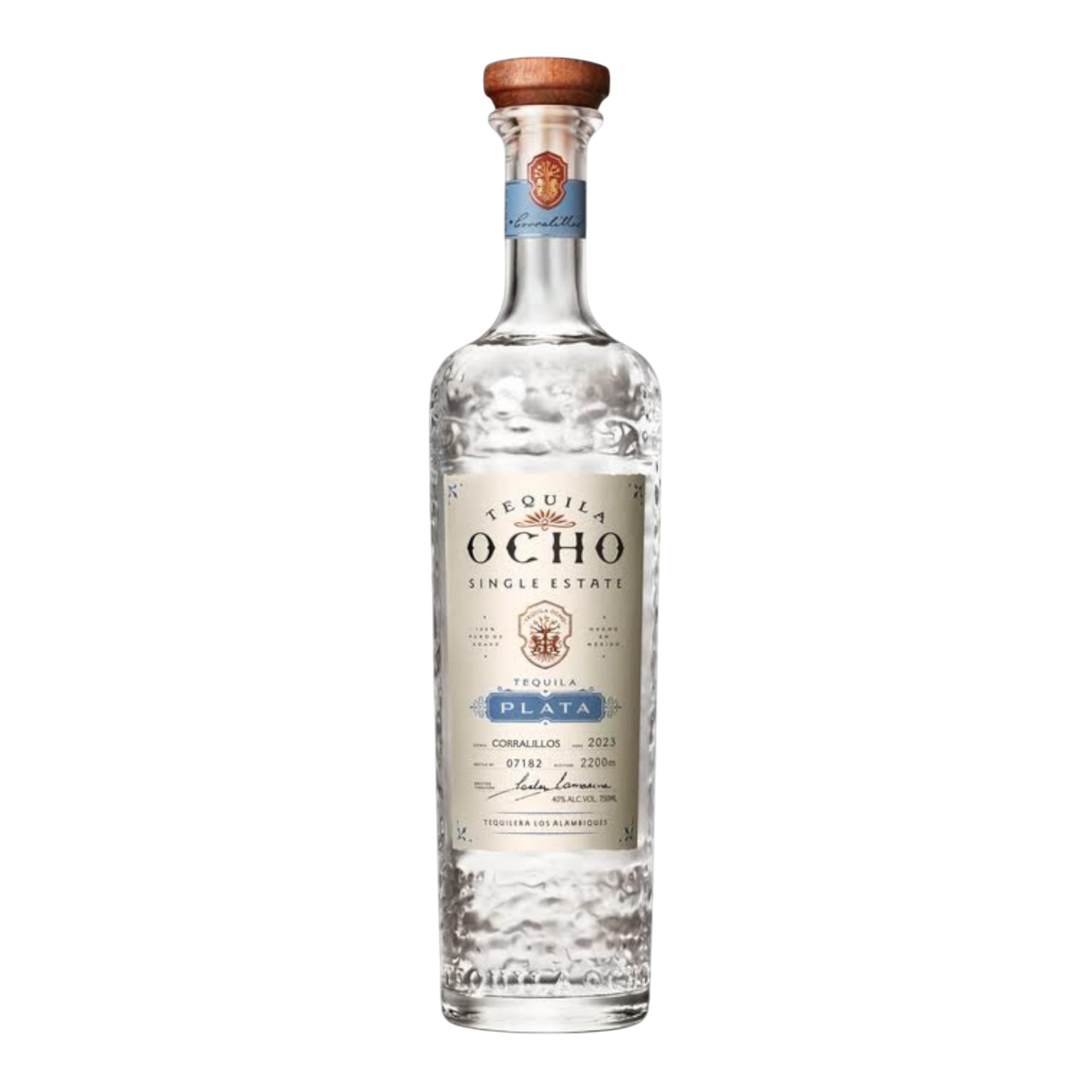
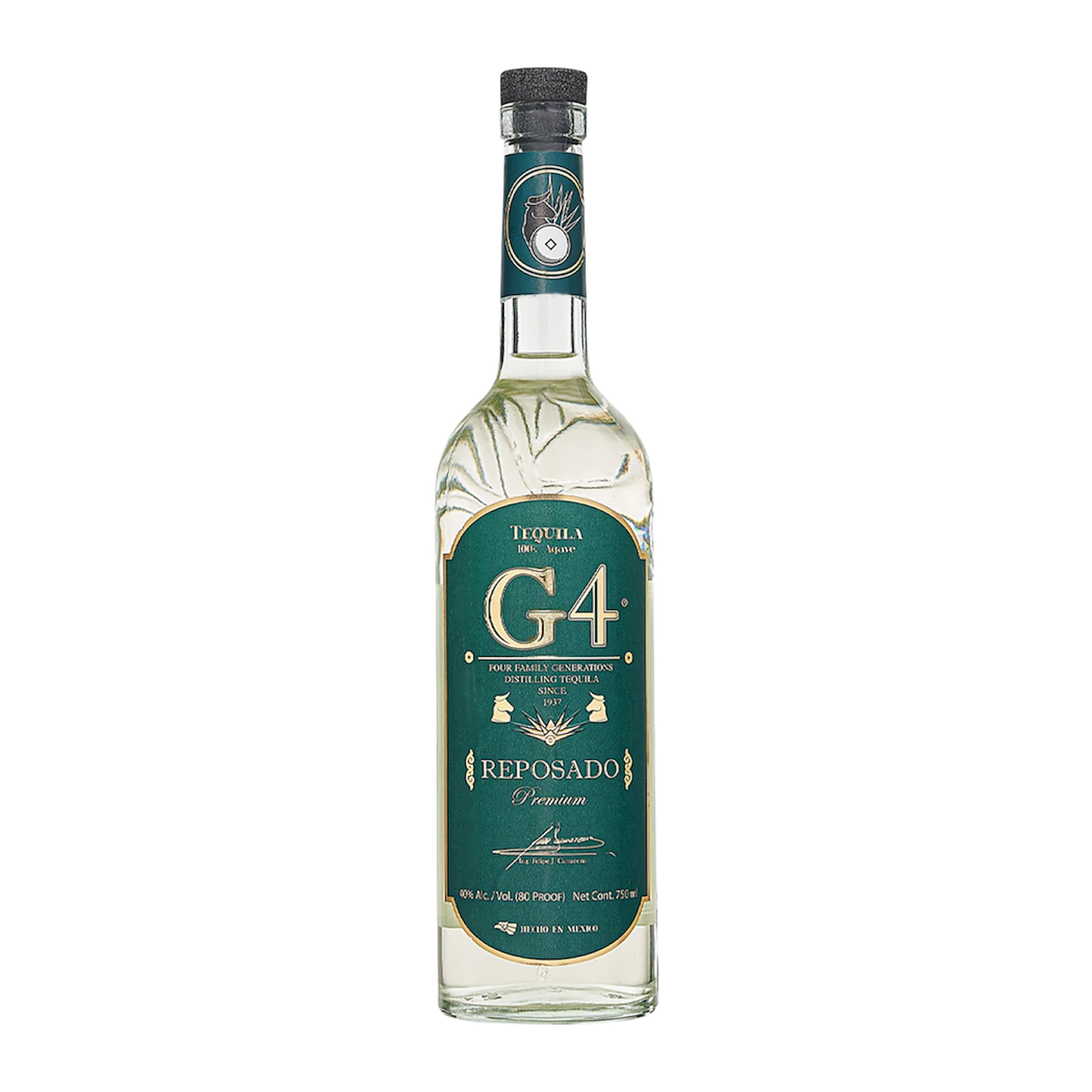
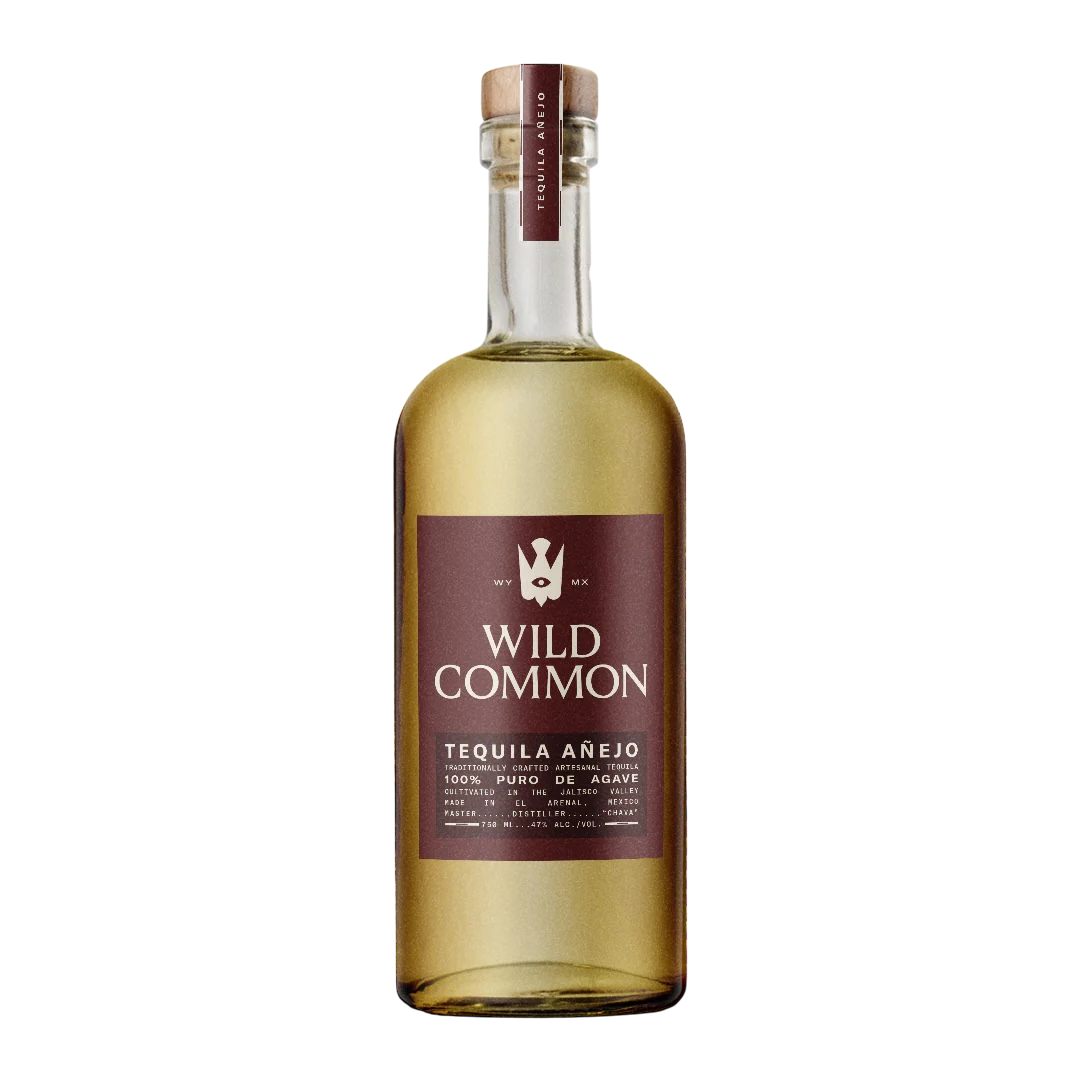
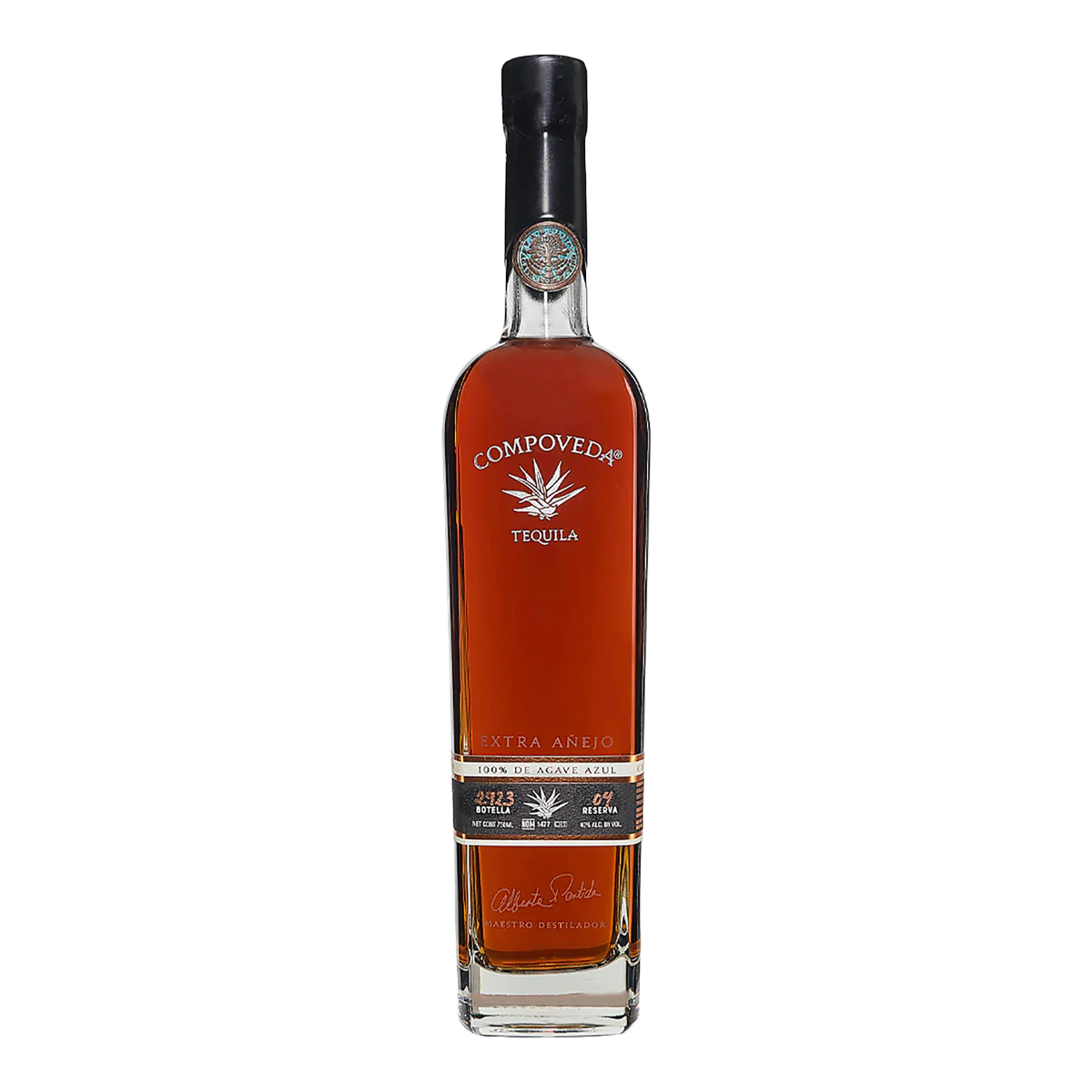
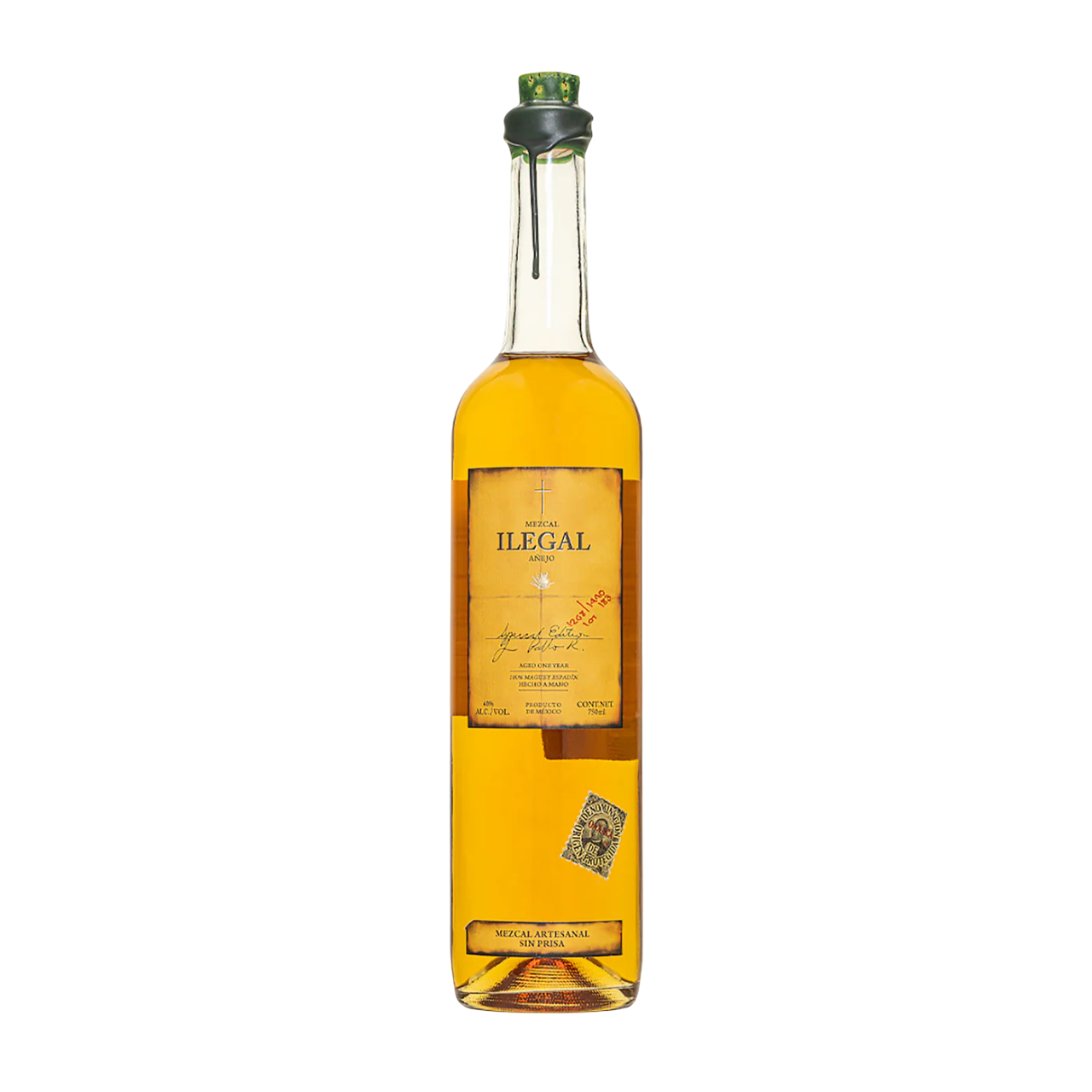
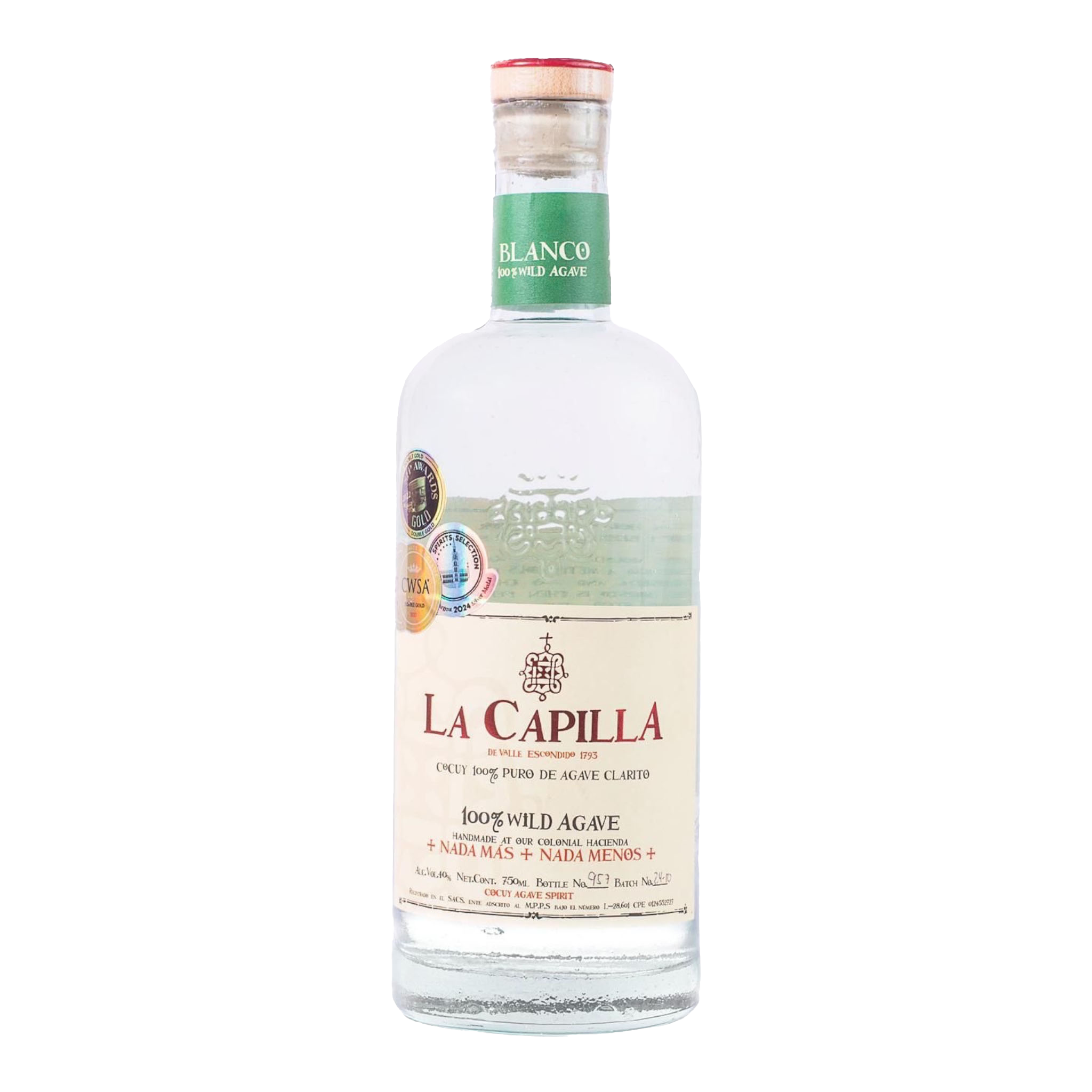
Choose a style for the experience you want, then review the sustainability information separately. For example, you can compare a blanco such as Riazul Plata with a reposado such as Suerte Reposado as different tasting starting points, without assuming that one style is automatically more responsible to produce. For more aged options, a product page such as Volans Añejo can help you consider a different flavor profile. These examples illustrate style comparisons, not sustainability certifications or claims.
How can you read producer information carefully?
When you find a sustainability statement, pause long enough to identify who is speaking and what the statement actually covers. A producer’s own report can provide useful primary information, but it is still worth checking its scope and definitions. A third-party assessment may add another perspective, though its value depends on the method and data it uses. Neither a polished report nor a short product description can answer every question automatically.
Read the method behind a number
If a page gives a carbon, water, or waste figure, look for the unit and the comparison point. Is the number for one bottle, one batch, a facility, or an entire company? Does it cover a full production cycle or only one operation? Is it an annual total, an amount per unit, or a change from a prior baseline? Those differences can make apparently similar figures mean very different things.
For example, a statement that water use fell by a given percentage is hard to interpret without knowing the starting level, timeframe, and whether production volume also changed. A figure per bottle answers a different question from a site-wide total. You do not need to recalculate the data; simply note whether the description supplies enough context to explain what the figure represents.
Understand what a certification can and cannot establish
If a brand names a certification, look for the issuing organization and the standard or criteria involved. Check whether the certification applies to the producer, a particular facility, a farming practice, or the finished product. A recognized standard can make a claim easier to evaluate within its stated scope, but it does not necessarily cover every environmental or social factor relevant to your decision.
Do not assume that a badge covers the whole bottle unless the standard says so. A facility-level program, for instance, may say something about operations at that location without providing a full product life-cycle result. The careful question is not simply “Is there a logo?” but “What does this program check, and what is outside its scope?”
Look for continuity and accountability
A one-time announcement can describe a genuine step, but regular reporting makes it easier to see whether the work continues. Useful signs include dated updates, named goals, clear responsibility, and explanations of setbacks as well as progress. This does not mean every small producer must publish a lengthy report. It means you should distinguish a concrete practice from a long-term record of improvement.
Where information is scarce, avoid filling the gap with assumptions. A producer may be doing useful work that is not explained on a product page; the absence of detail is not proof of poor practice. It is simply a limit on what a shopper can verify from the material available. Keep that distinction in mind rather than treating silence as either a green light or a verdict.
Try a simple side-by-side check
Imagine two bottles you are considering. One product page uses a general sustainability phrase but gives no supporting details. The other describes a specific packaging change and states that it applies to the bottle currently for sale. The second page provides more checkable information about packaging, but it still does not establish which bottle has the lower overall impact. It tells you more about one dimension—not everything about cultivation, processing, shipping, or the people involved.
You can record this distinction in a small note before you decide:
- Claim: What exact action or result is described?
- Scope: Which bottle, facility, or producer does it cover?
- Evidence: Is there a date, measurement, method, or named standard?
- Open question: Which important stage or factor is not addressed?
- Personal fit: Does the product suit your taste, budget, and occasion?
This quick record prevents a narrow but verifiable detail from turning into an unsupported conclusion about the whole product. It also lets you compare two listings consistently. If neither page gives enough information, you can base your choice on other known product details and recognize that you do not have a reliable sustainability comparison.
How can you make a thoughtful purchase?
Decide first whether you are shopping for your own pour, a tasting with friends, or a special occasion. Then use a repeatable check: choose the style you want, read the producer’s specific information, note what it does and does not establish, and compare packaging or production claims only when their scope matches. If no useful details are available, you can still make a sound purchase based on taste, budget, and occasion without treating a vague sustainability phrase as proof.
For wider comparison, browse Sip Tequila’s best-selling tequila selection or explore lesser-known bottles. When price is part of your decision, the price guide can help you orient your search, while the sale collection shows current offers. Availability and product details can change, so check the individual listing before ordering. A promotion is not a sustainability indicator; assess the bottle on the information available about that product and its producer.
Frequently asked questions
Is there one official sustainability score for tequila?
The information in this guide does not establish a single score that can rank every bottle. Different claims and assessments may cover different production stages. Check what is measured and how the scope is defined before treating two figures as comparable.
Does “natural” or “responsible” on a label prove a bottle is sustainable?
No single broad word tells you which practices are covered or how they were verified. Look for supporting details: the specific activity, the product or facility involved, and a measurement period or standard where relevant. If those details are missing, the phrase alone is not enough to compare products.
Can I compare the life-cycle study’s figure with any bottle I see?
Not reliably from the information cited here. The paper’s reported result concerns a bottle aged six months under the study’s assessment. A fair comparison would require compatible product details and assessment boundaries. Use the figure as an example of why defined scope matters, not as a universal rating.
What is the simplest first step for a shopper?
Pick the factor you care about most, then look for a specific and attributable statement about it. If a producer explains what it does, where the practice applies, and how it tracks progress, you have a clearer basis for a decision than a general promise alone.
Sustainability of tequila production is best considered through specific evidence, clear scope, and your own priorities; when a claim leaves important questions open, treat that uncertainty honestly and choose the bottle that fits your taste and occasion.