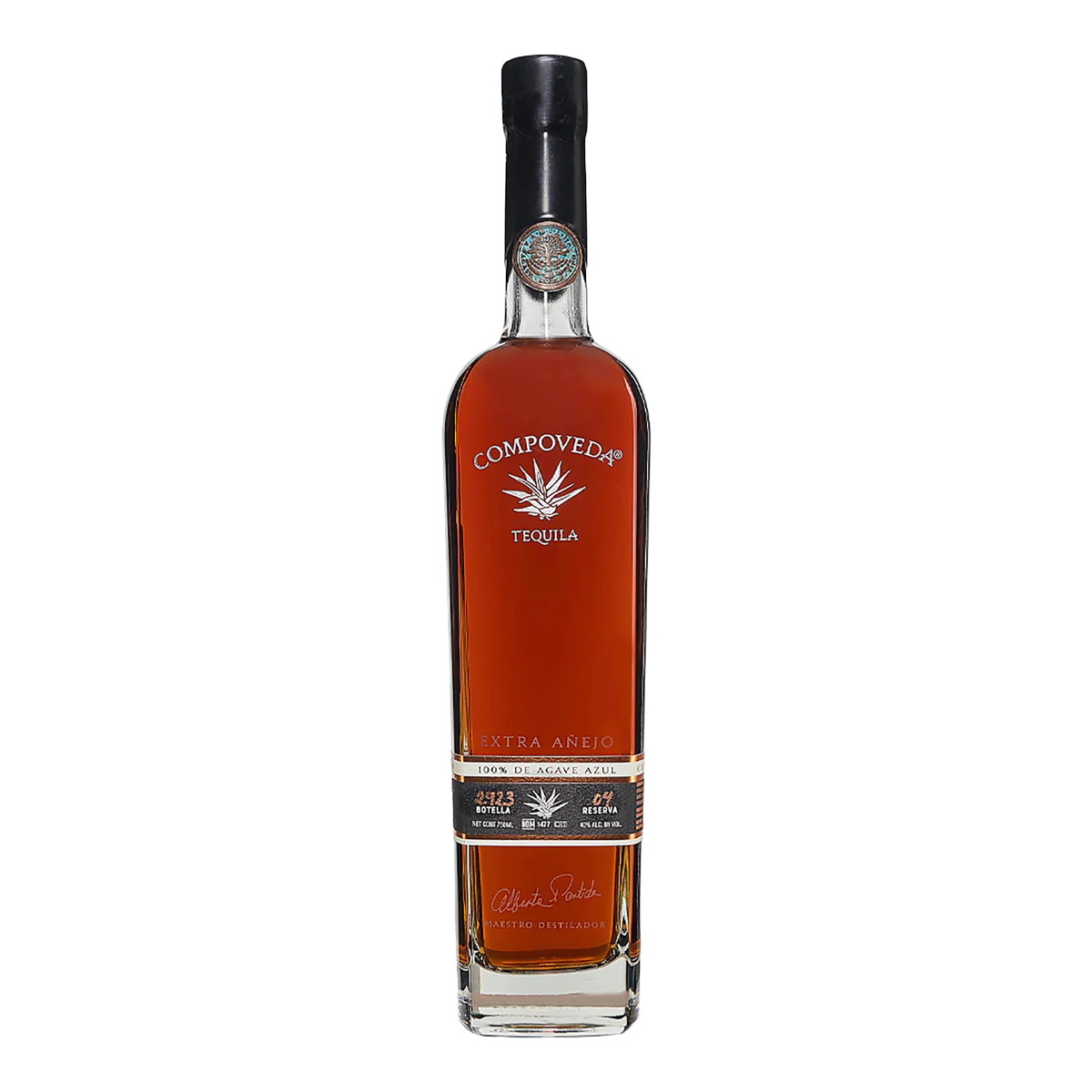
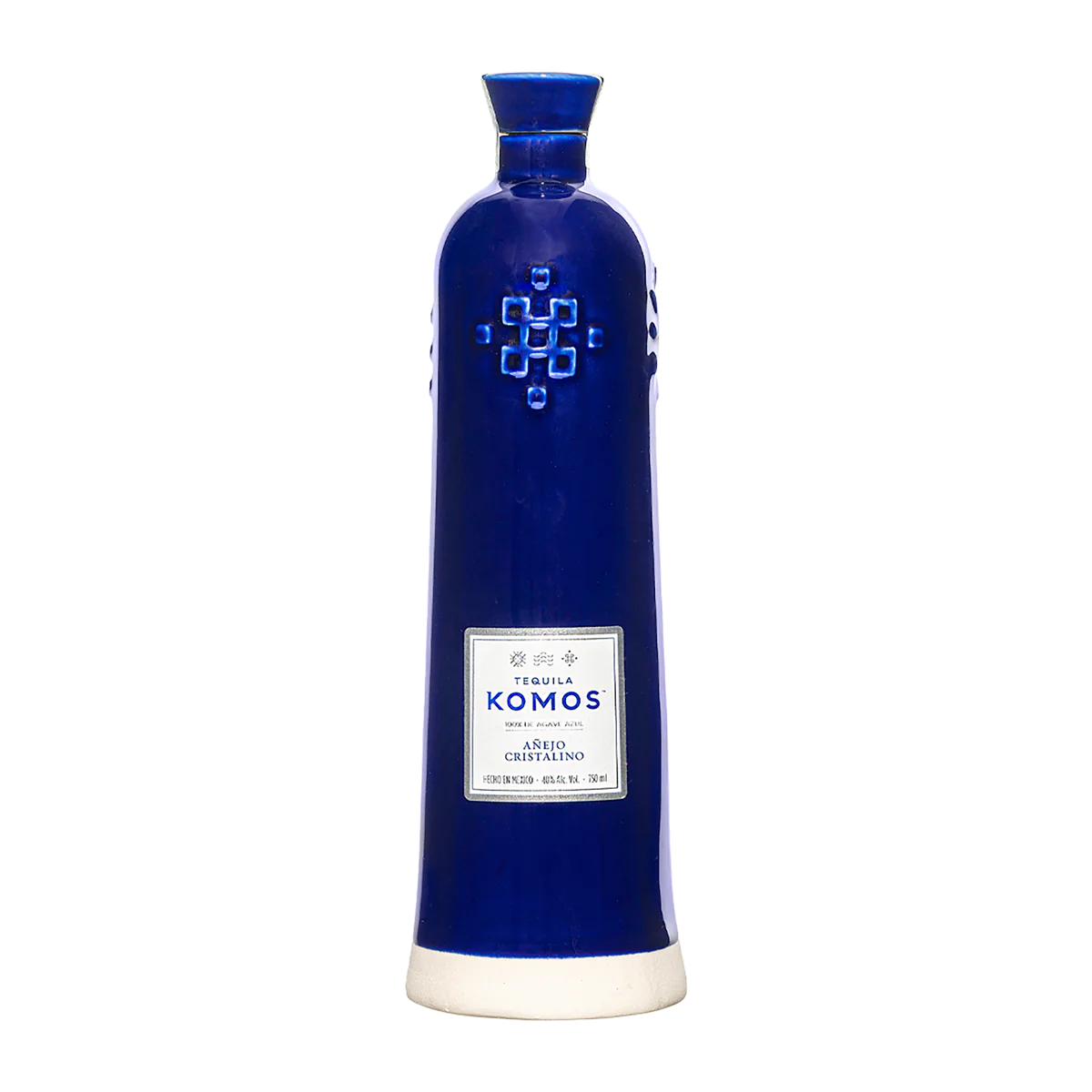
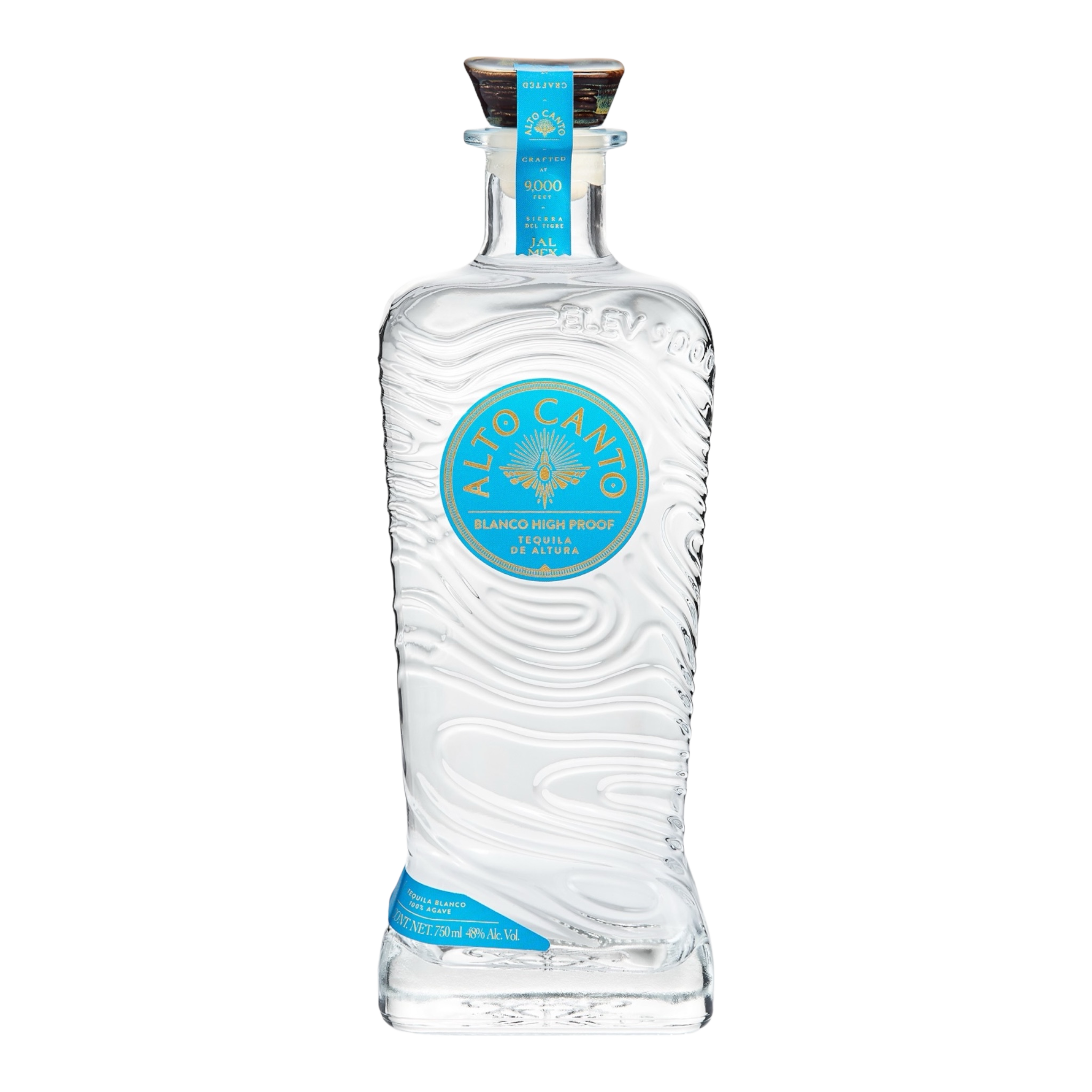
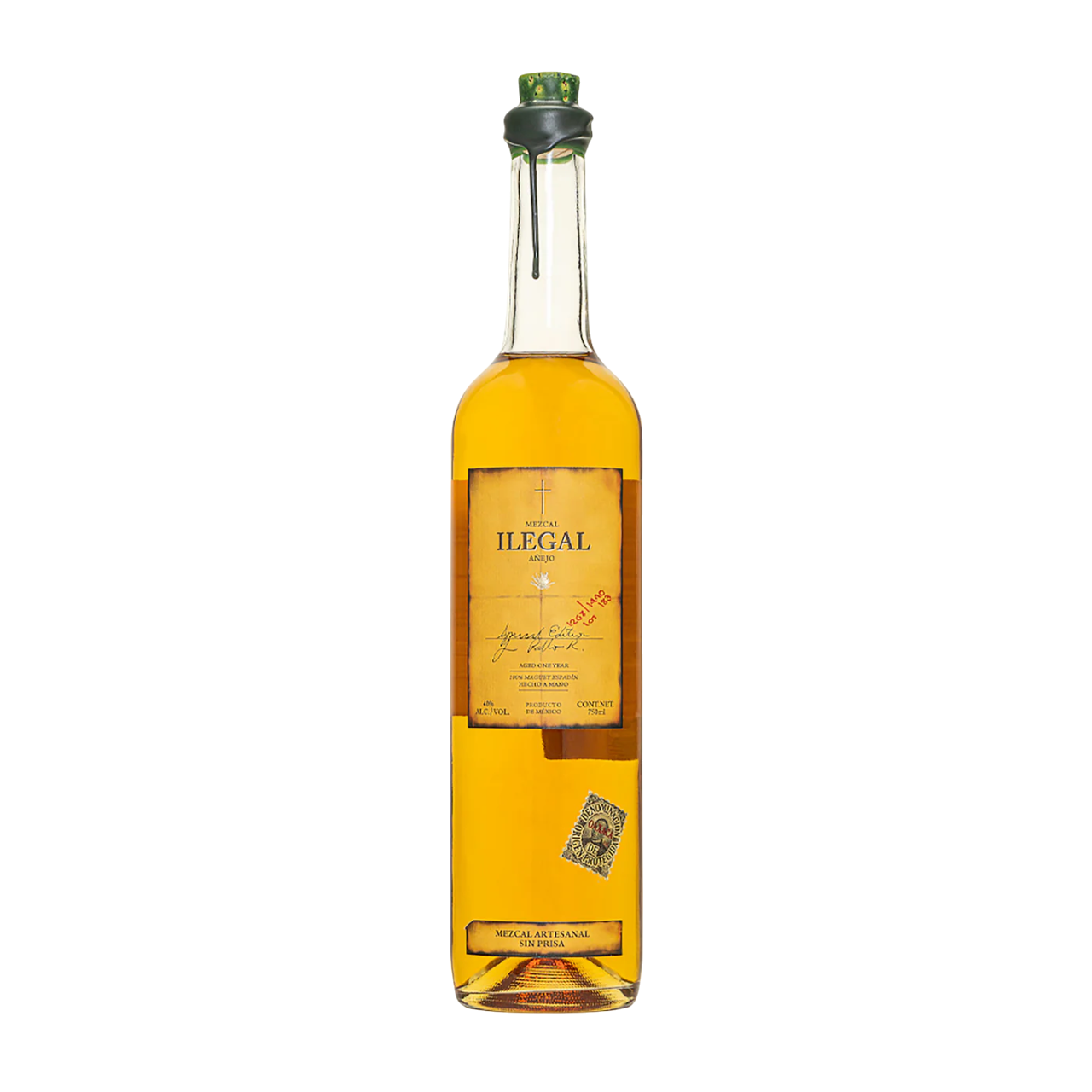





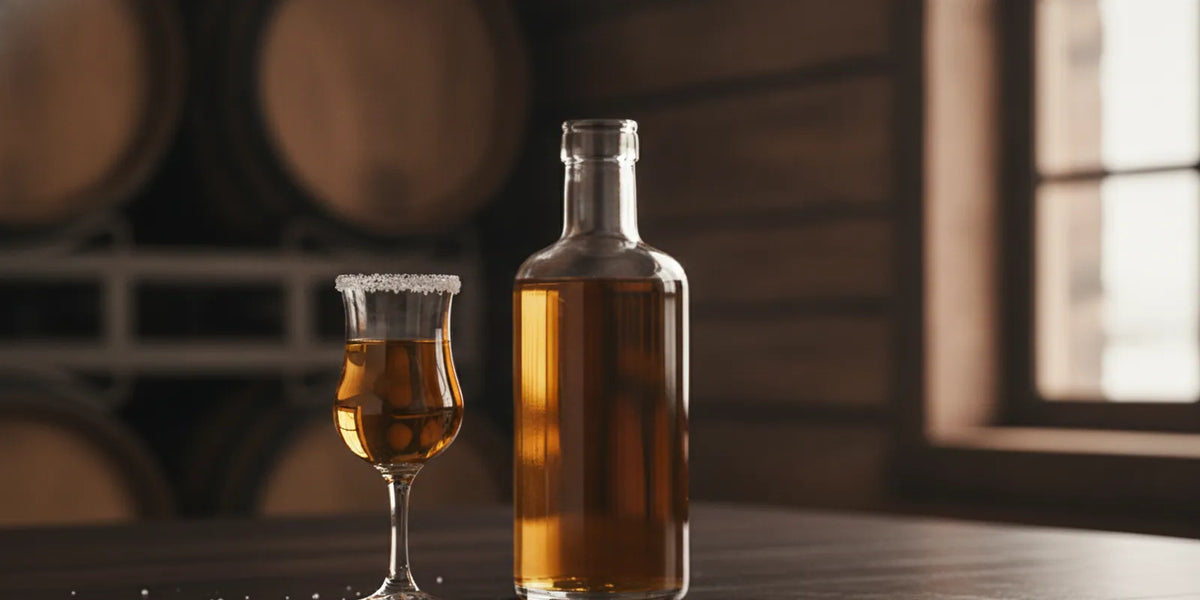
Cava de Oro Extra Anejo is a bottle to assess by its verified label details, not by its dark color or premium presentation alone. Before you buy, check the stated aging category, production and bottle details, tasting notes, current price, and what the listing actually confirms. That gives you a practical way to decide whether this aged tequila suits your palate, collection, or occasion.
What does Cava de Oro Extra Anejo mean?
- Extra añejo is an aging category, not a flavor guarantee.
- Look for the category and specific product facts on the current bottle listing.
- Compare those details with what you enjoy in an aged tequila.
“Extra añejo” identifies a tequila category associated with extended aging in oak. Under the CRT category standard, extra añejo tequila is aged in oak for at least three years. Keep that category threshold separate from a brand’s own age statement: the threshold does not tell you whether a particular bottle spent longer in oak or how its producer handled maturation. If a product page gives a more specific figure, read it as a claim about the listed expression and confirm the wording on the current page. If it does not give a number, you still know its category, but you should not supply a precise age yourself. The Consejo Regulador del Tequila (CRT) sets and oversees tequila standards; its overview of tequila is a useful reference for understanding the regulated category. The term tells you something important about how the spirit is classified, but it does not by itself tell you how sweet, oaky, rich, or soft a particular bottle will taste.
That distinction matters with Cava de Oro Extra Anejo. Treat the name as a starting point for checking the specific expression, not as proof of a certain number of years, barrel type, cask finish, alcohol strength, or tasting profile. Those details can vary by bottling, and a retailer listing or label should be your source for the details of the bottle currently offered.
If you are comparing categories, browse the extra añejo selection alongside other styles in Sip Tequila’s tequila guide. Start with the category, then narrow by the evidence available for the individual bottle.
What should you check on the bottle and product page?
- Confirm the exact expression name and size.
- Look for stated aging details, barrel information, and alcohol strength.
- Separate verifiable facts from broad tasting language.
- Check current price, stock, and any included gift packaging.
Product pages change as inventory and bottle details are updated. Read the current listing closely and match its name to the bottle you intend to order. If the page does not state a detail, do not assume it from the color, box, or a general brand description.
Check the expression and bottle size
First, make sure the listing says Cava de Oro Extra Anejo, rather than another Cava de Oro expression or a bundle. Confirm bottle size and whether any glassware or gift packaging is part of that particular offer. A photograph can help you recognize the presentation, but the written product details are the better place to confirm what arrives.
Read aging and production claims literally
Look for a clearly stated age or aging period, if one is provided. Also note any named barrel or finishing process, but do not infer a barrel type from a tasting note that says “vanilla,” “oak,” or “spice.” Flavor words describe an impression; they do not independently document a production method. For category definitions and regulatory context, consult the CRT resource rather than relying on shorthand used in product marketing.
Check strength, origin, and seller information
Review the alcohol-by-volume figure and any origin or producer details shown for that bottle. Those points can help you compare two listings accurately. If a detail matters to your purchase and is missing or unclear, contact the retailer before checkout instead of filling in the gap yourself.
Use this short checklist before placing an order:
- Match the full product name to the expression you want.
- Confirm the listed size and alcohol strength.
- Record any stated aging, barrel, or finishing detail.
- Read the product description for tasting notes, keeping them separate from verified production facts.
- Check the current price, availability, shipping terms, and what is included.
How can you judge whether the flavor will suit you?
- Expect an aged tequila to invite slow sipping, but do not assume every bottle tastes alike.
- Use tasting notes as clues, not promises.
- Try a small neat pour before deciding whether to add water or use it in a drink.
Longer time in oak can shape a tequila’s color and flavor, but age alone cannot predict whether you will love a particular pour. The result depends on the production choices and the spirit itself. Cava de Oro Extra Anejo may appeal if you are curious about a more developed, oak-influenced style, but confirm its own published notes rather than expecting a fixed profile.
As you read a description, translate tasting terms into questions. “Rich” might sound appealing if you enjoy a fuller-feeling pour; “sweet” may or may not mean the kind of sweetness you prefer. “Oak” suggests a wood-influenced impression, not a specific barrel history unless the page also states one. Use the notes to decide what you want to investigate, then compare them with bottles you already know.
Serve a small pour at room temperature in a clean tasting glass. Give it a moment, smell gently, then take a small sip. Notice the first impression, how the flavor changes, and what remains after swallowing. If the alcohol feels prominent, let the pour rest briefly or add a few drops of water; change one thing at a time so you can notice the difference. There is no single correct tasting ritual.
Use a simple tasting note
Give yourself a repeatable way to compare, even if you are tasting only one new bottle. Write down the serving conditions, the first aroma you notice, the main flavor impression, how the finish feels, and whether you would want another sip. Keep each note short and use your own words; “warm,” “dry,” or “soft” can be more useful to you than a long list of borrowed descriptors.
If you have two bottles open, taste a small pour of each under similar conditions. Use the same kind of glass, pour a similar amount, and allow each pour a comparable amount of time to rest. Taste water between pours and take a break if your palate starts to blur the differences. This is not a formal score or a verdict on quality. It is a way to remember what you personally liked, so your next purchase can be based on experience rather than packaging alone.
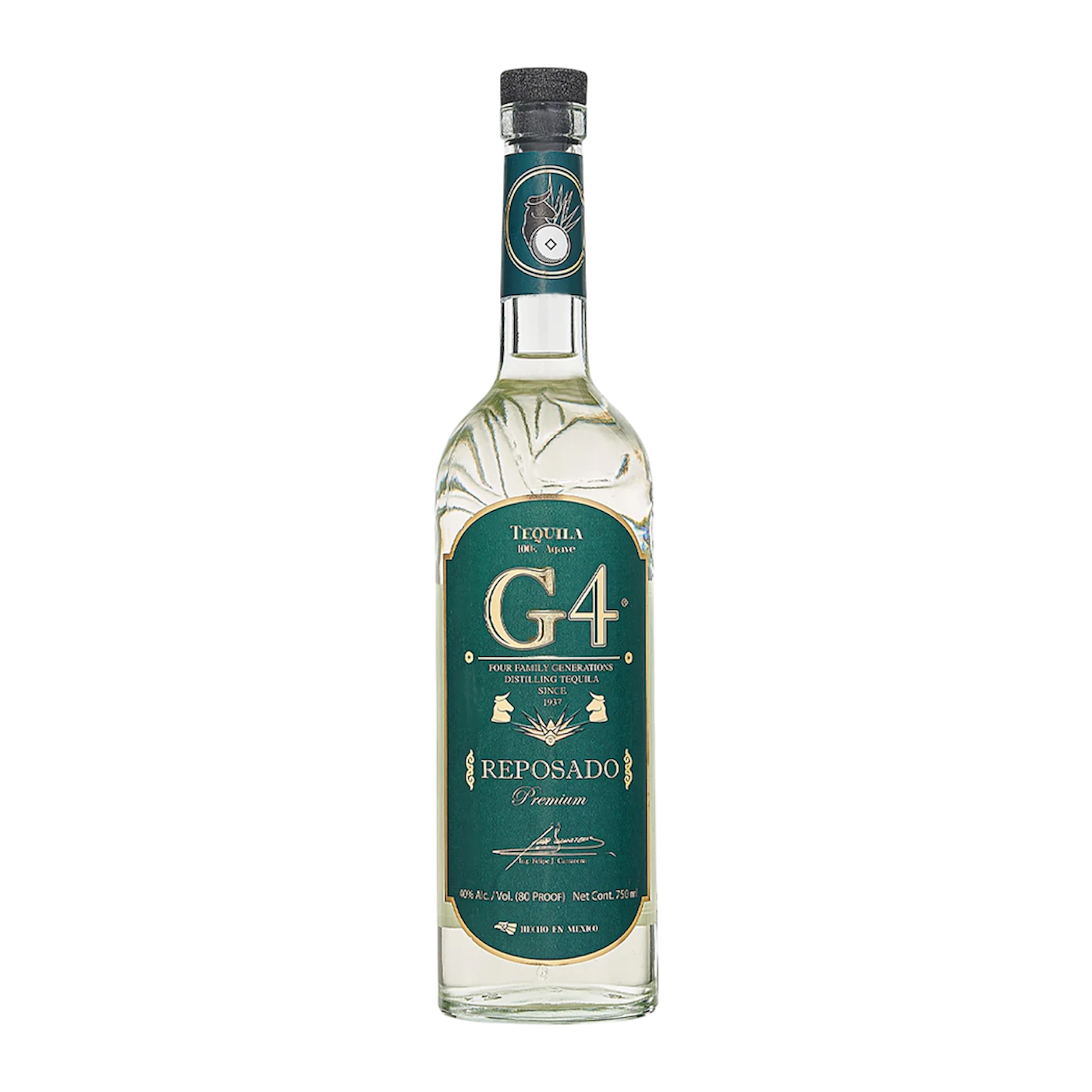
For a useful comparison, taste it beside a tequila you know well rather than several unfamiliar bottles at once. A G4 Añejo or Patrón Añejo can serve as a separate reference point; check each current page for its own details rather than assuming the expressions share a profile. If you prefer a lighter style, a cristalino selection offers another category to explore, but it is not a like-for-like substitute for an extra añejo.
How does it compare with other aged tequilas?
- Compare like with like when the goal is to assess an aged style.
- Use category, stated process, size, and strength as the factual comparison points.
- Let price and tasting notes help with preference, not stand in for missing facts.
A fair comparison starts with the label category. An añejo is a different aging category from an extra añejo, and a cristalino is a distinct style that may involve filtration. Do not treat these terms as a simple quality ladder. They describe different approaches and can lead to different experiences.
| What to compare | Cava de Oro Extra Anejo listing | Another bottle or style | Why it matters |
|---|---|---|---|
| Category | Confirm that the specific listing identifies Extra Anejo. | Record whether the comparison is añejo, extra añejo, or cristalino. | Different categories set different expectations. |
| Age and barrel details | Use only details explicitly stated for this bottle. | Check the other listing for its stated period and process. | These details support a meaningful production comparison. |
| Strength and size | Note the displayed ABV and bottle volume. | Check the same fields on the other product. | Price comparisons are clearer when bottle size and strength are visible. |
| Tasting description | Write down the notes actually given. | Compare the other product’s wording and your own experience. | Descriptions are useful clues, not guarantees of identical taste. |
| Price and included items | Check current price and whether the offer includes extras. | Compare the same basis, including size and packaging. | A bundle and a bottle-only listing are not direct price equivalents. |
For additional reference points, see the current pages for Don Julio 70 Cristalino and Tears of Llorona Extra Añejo. Those links are examples for comparison, not claims that the products share a recipe, age, price, or flavor with Cava de Oro. Check each product page at the time you shop. When prices seem far apart, compare bottle sizes before drawing a conclusion. Dividing the listed price by the bottle volume gives a simple price-per-volume reference; also note whether an offer includes gift packaging or other items. This will not tell you which tequila tastes better, but it can clarify whether you are comparing a single bottle with a different size or a bundle. Check the final checkout total and shipping terms as well, since the product-page price may not be the full cost of your order. Then weigh the price against your reason for buying. If you want a bottle for a celebratory pour, presentation may matter more to you than it would for a bottle you plan to open casually. If your priority is learning how this category tastes, spending more does not guarantee a better match; a tasting set or a bottle whose notes sound appealing may be a more comfortable starting point. Keep your budget and intended use in view rather than treating price as a score.
It can also help to browse the broader best-selling tequila selection if you want alternatives before settling on one bottle. Keep the comparison focused: choose two or three candidates, note their verifiable details, and decide which tasting profile sounds most interesting to you.
What should you decide before checkout?
- Know whether you are buying to sip, gift, or collect.
- Confirm the current offer and delivery details rather than relying on an old description.
- Set a budget before comparing presentation or add-ons.
Make the purchase decision in the same order each time. First, confirm that the expression is the one you want. Next, check the facts that affect the pour and the comparison: size, strength, stated age or barrel details, and the product’s own tasting description. Last, review price and what arrives. That order keeps an attractive box or a dramatic product photo from distracting you from the actual bottle details.
If you are buying for yourself, think about what you want to learn from the bottle. Do you want to compare oak influence with a tequila you already enjoy, or simply open something for a slow evening pour? If you are building a collection, consider whether this expression adds a distinct style rather than repeating one you already own. A clear purpose makes it easier to decide whether the price feels worthwhile to you.
If it is a gift, choose based on the recipient’s known preferences where possible. Someone who likes sipping aged spirits may enjoy exploring an Extra Añejo; a person who is new to tequila might prefer a smaller tasting format. Before ordering, confirm the exact bottle, packaging, delivery estimate, and any gift options currently offered. These details can change, so use the live listing at the time you are ready to buy.
Finally, keep your expectations realistic. A regulated category and a careful product listing can help you understand what you are buying, but neither guarantees that you will prefer the taste. If flavor is your main concern, draw on tasting notes as a starting point and choose with the understanding that your own palate gets the final say.
Is Cava de Oro Extra Anejo worth the price?
- There is no universal price that makes a bottle good value for every buyer.
- Compare the bottle’s documented details and size with your intended use.
- Buy for the experience you want, not packaging alone.
Value is personal. One buyer may pay more for a slow-sipping bottle to mark an occasion; another may prefer an everyday pour at a lower price. Start by deciding how you plan to use it. Is it for a quiet tasting, a gift, or a shelf in a collection? Then compare the current price with the bottle size, stated production details, presentation, and other products at a similar price.
A higher price does not prove that you will prefer the flavor, and a handsome box does not tell you what is in the bottle. Treat presentation as one part of the offer, not the whole case for buying. If the listing includes gift items, check exactly what those are and whether the price is for a bundle. For another gift-minded reference, review the details of the Komos Extra Añejo listing and compare like for like; do not assume its package or price matches Cava de Oro.
A simple decision test can keep a premium purchase grounded:
- Would you enjoy the style? The stated category and tasting notes should sound appealing, while leaving room for individual taste.
- Are the facts clear? You should be comfortable with the available information about size, strength, and production.
- Does it fit the occasion and budget? Consider whether you want a bottle to open soon, give, or save.
- Can you explain the reason for choosing it? If your reason is only “it looks expensive,” pause and compare another option.
How should you serve, store, or give it?
- Pour a modest amount neat first, in a clean tasting glass.
- Store the bottle upright, away from strong light and heat.
- For a gift, verify packaging and delivery timing before ordering.
For a first tasting, keep the setup simple. Use a small pour and a tulip-shaped or other aroma-friendly glass if you have one. Skip the ice at first; chilling can mute aromas and makes it harder to compare the spirit with a room-temperature pour. If you enjoy it more chilled or with a mixer, that preference is yours. Taste it neat first so you have a baseline.
Store an opened bottle upright in a cool, dark place with the cap firmly closed. Avoid leaving it in direct sunlight or near a heat source. These are sensible general storage habits for spirits; follow any specific guidance printed on the bottle if provided.
As a gift, an extra añejo can be a thoughtful choice for someone who already enjoys sipping tequila. If you do not know the recipient’s preferences, include a gift receipt if available or choose a tasting set instead. Sip Tequila’s tasting kits offer another route for a recipient who enjoys exploring different pours. Check current contents and availability before ordering.
Frequently Asked Questions
Is Cava de Oro Extra Anejo aged for a specific number of years?
Check the current bottle listing for an exact age statement. The Extra Añejo category signals an extended-aging classification, but do not assume a particular number of years unless the product details state it.
Does extra añejo always taste sweeter than añejo?
No. A category alone cannot promise a specific flavor. Production choices and the individual spirit shape the result, so use the bottle’s own tasting notes and your palate as guides.
Is a darker color proof of longer aging?
No. Color is not enough to establish a bottle’s age or production method. Check the stated category and details, and use the CRT for the regulatory context around tequila classifications.
Should I drink it neat or in a cocktail?
Try a small neat pour first so you can notice its aroma and flavor. If you prefer it in a cocktail, enjoy it that way; your own taste matters more than a rigid serving rule.
How do I know if the current listing is the right bottle?
Match the full expression name, bottle size, and stated details on the product page. Check the current price, availability, and what is included before checkout, and ask the seller about anything unclear.
Ready to choose a bottle?
Use the listing to verify the facts, then choose based on the style you want to taste and the occasion you have in mind.
Whether you choose Cava de Oro Extra Anejo or another bottle, a careful comparison makes the first pour more rewarding.