
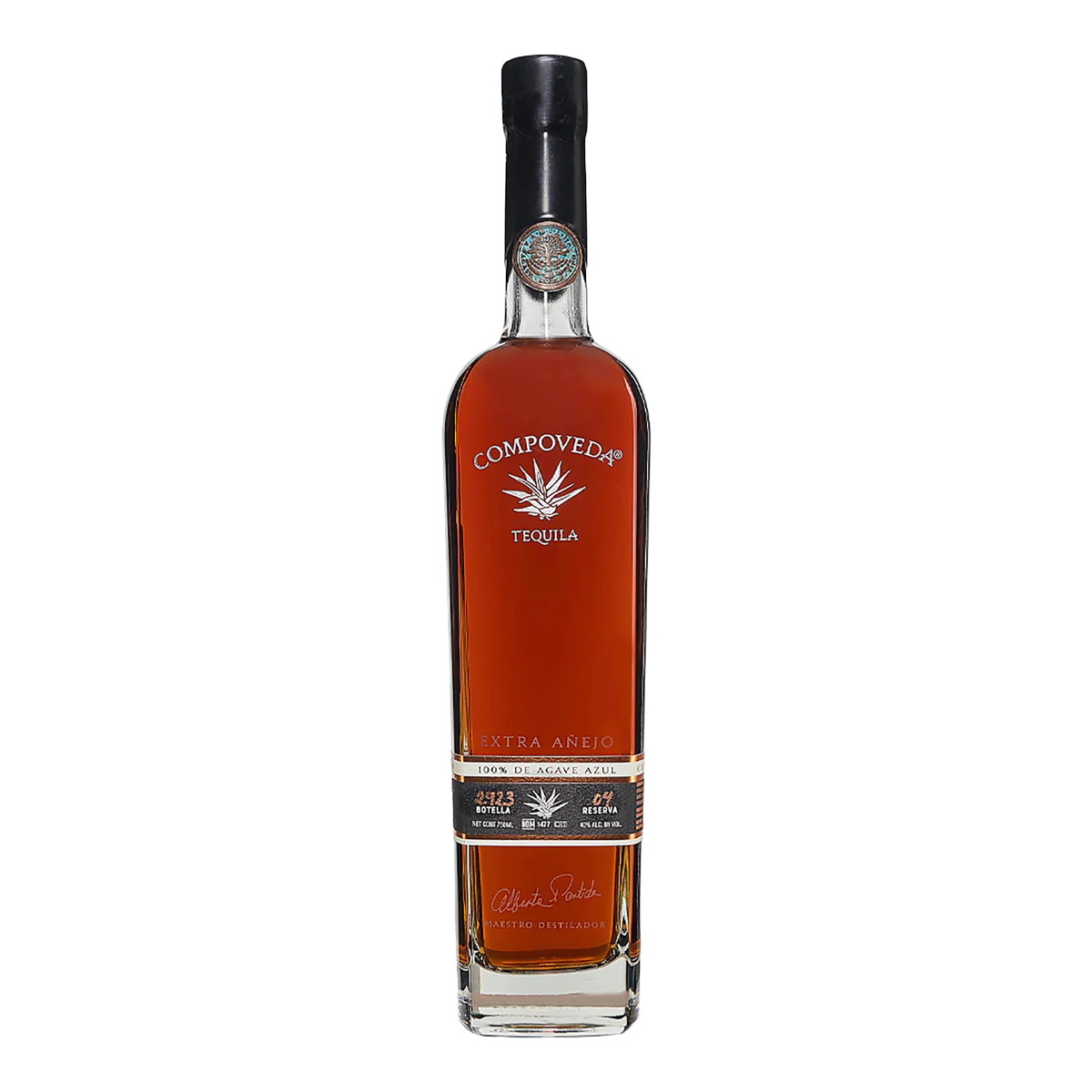
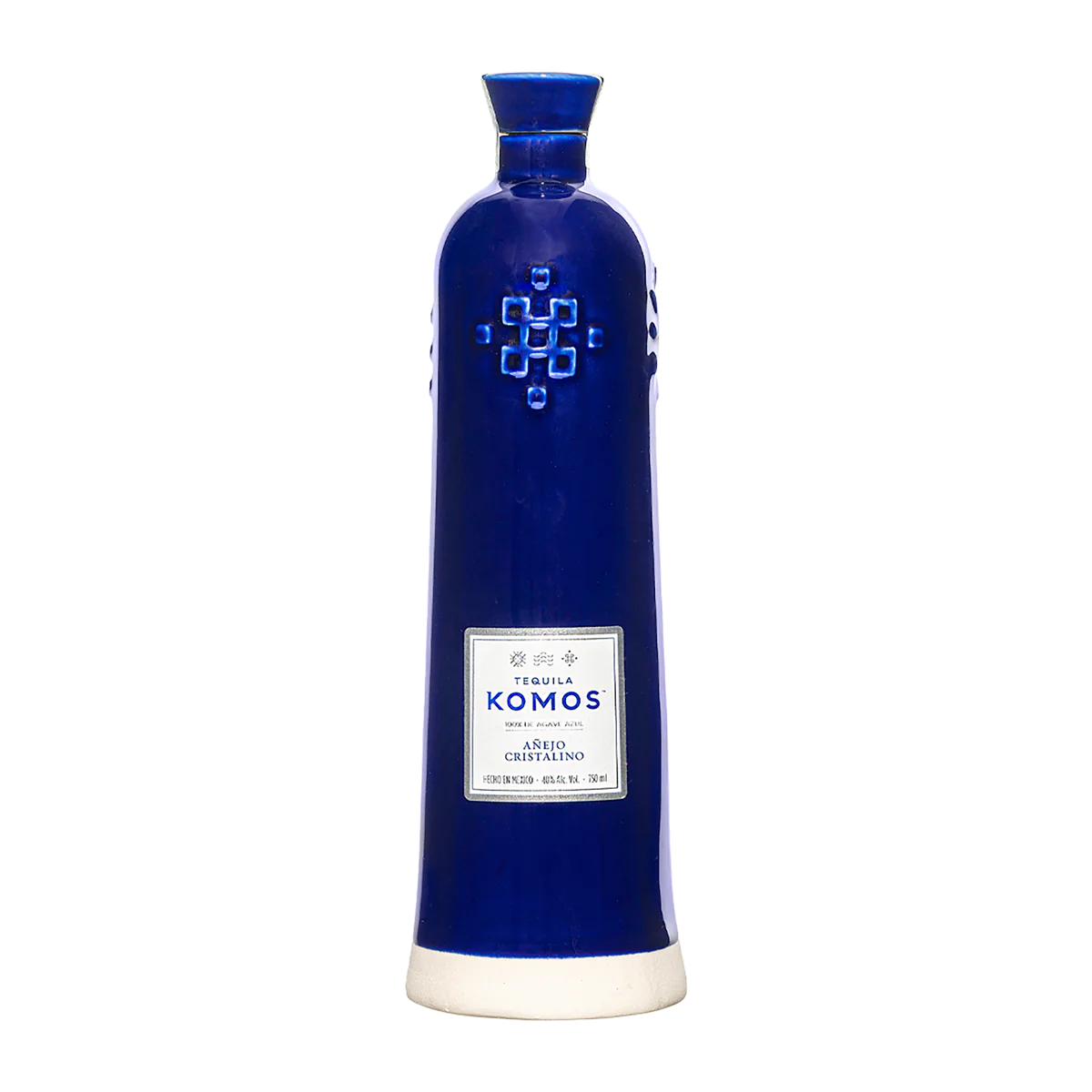
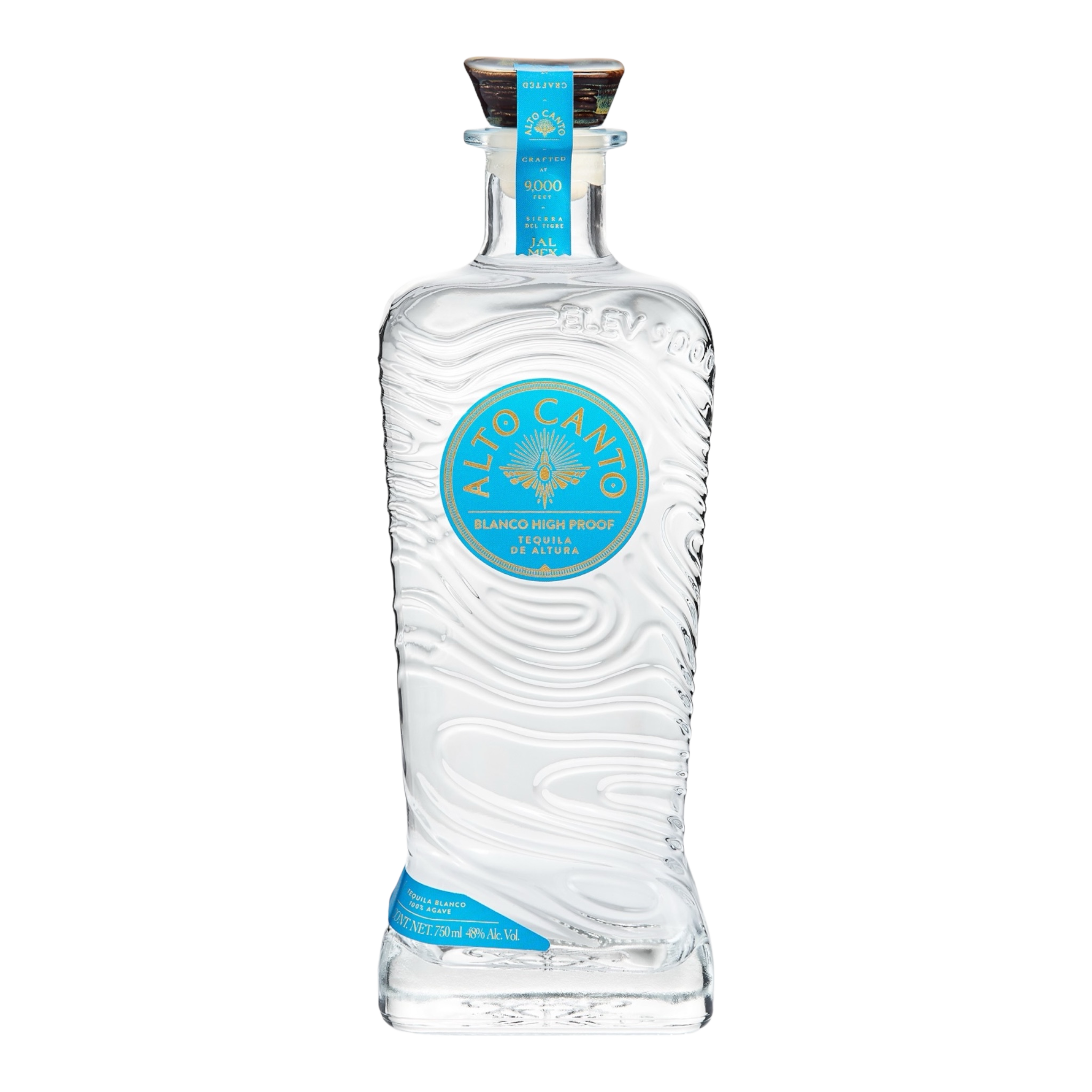





Casa Dragones Joven is a premium tequila blend made for sipping, bringing an unaged silver tequila together with extra-aged tequila. That combination can make it a compelling choice if you want a bottle with the brightness of a clear spirit and some of the depth associated with time in oak. Before you buy, check the label, serving size, price, and the maker’s current description so you know exactly what you’re getting.
Explore popular tequila bottles
What makes Casa Dragones Joven different?
“Joven” means young, but it doesn’t describe one single production recipe. In tequila labeling, joven, sometimes called oro, can refer to a blend that brings a clear, unaged tequila together with aged tequila. Some products may also use permitted color or flavor adjustments, so the word on its own does not tell you the entire formula. The official category and labeling framework is maintained by the Consejo Regulador del Tequila; its tequila overview is a useful starting point when you want to understand the terms.
Casa Dragones Joven is presented as a blend of silver tequila and extra-aged tequila. That puts it in a different lane from a straightforward blanco, reposado, or añejo. It aims to bring together more than one kind of profile in the same bottle, rather than offering only the fresh character of an unaged spirit or only the oak influence of an aged one.
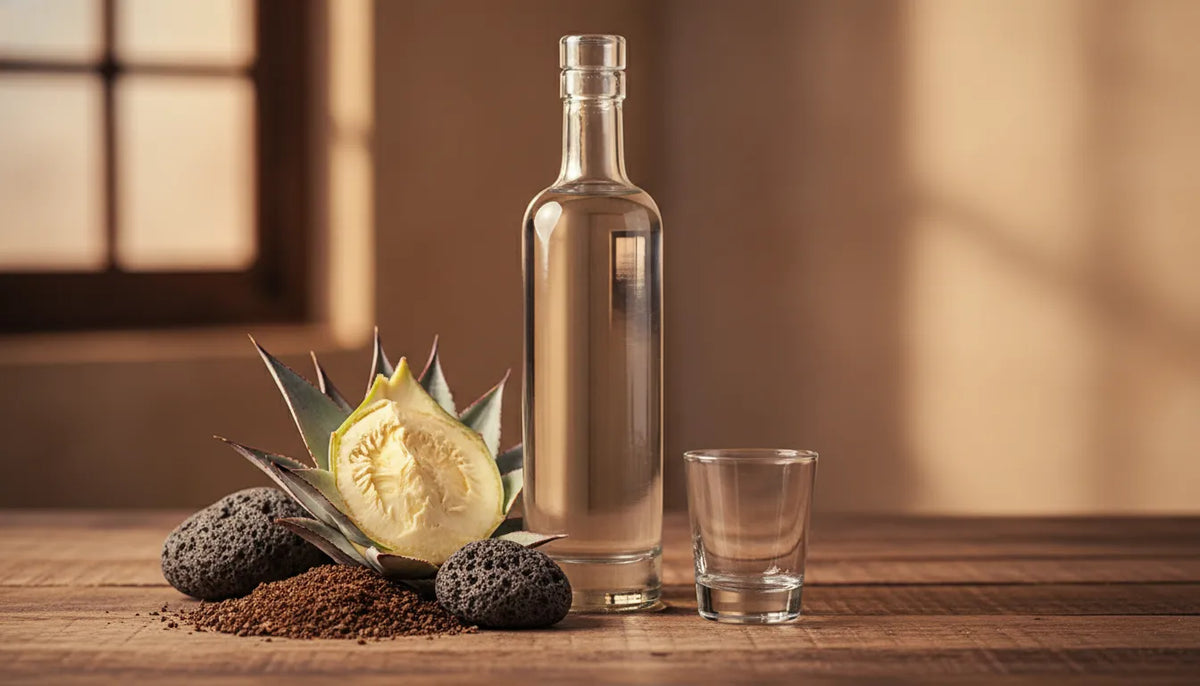
- Blanco: generally bottled without extended barrel aging, so the base spirit’s fresh character takes center stage.
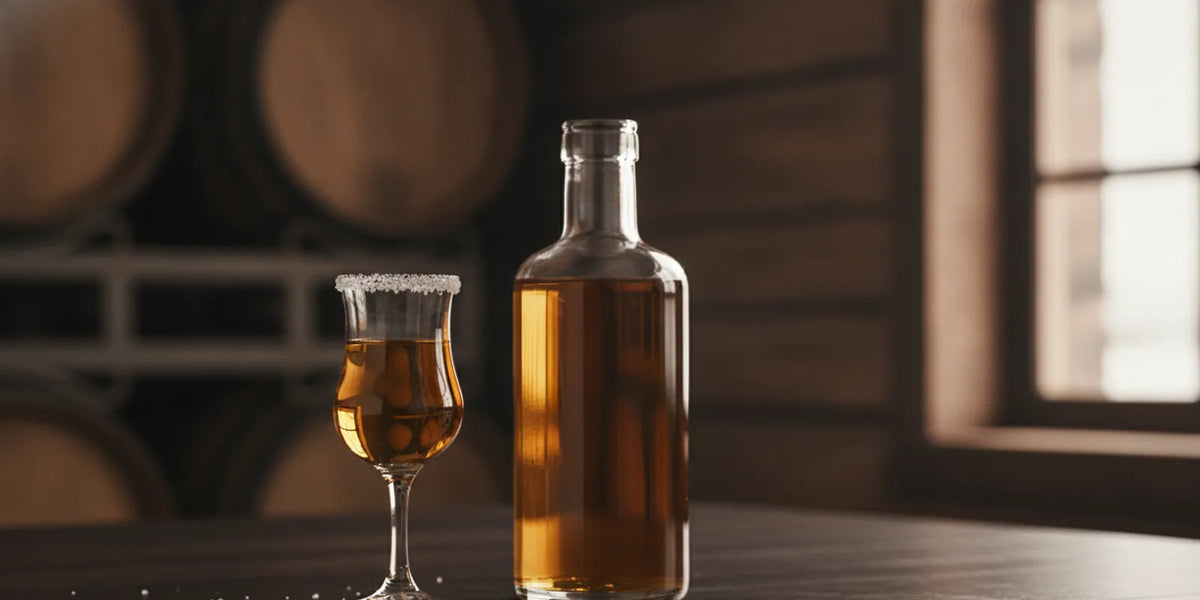
- Reposado and añejo: aged in oak for defined periods, allowing barrel influence to become part of the profile.
- Joven: a category where blending can combine a clear tequila with aged tequila. Check the specific bottle details rather than assuming every joven tastes alike.
That distinction matters when you shop. A joven blend isn’t automatically “better” or more complex than a single expression. It’s simply a different route to a particular balance, and whether that balance works for you depends on how you plan to drink it.
What should you expect from its style?
Casa Dragones Joven is best approached as a sipping tequila rather than as a default mixer. A blended profile can offer contrast: fresh, crisp notes alongside flavors and texture shaped by aged tequila. But tasting notes are personal, and the product description can change, so use the current bottle page and your own palate as your guide instead of relying on a fixed list of flavors.
Try a small pour neat at room temperature. Give it a moment in the glass, smell gently, then take a small sip. Notice whether the first impression is bright or rounded, whether sweetness seems natural or prominent, and how the finish develops. You don’t need specialist vocabulary. “Fresh,” “soft,” “warm,” and “lingering” are enough to record what you notice.
- Pour a modest amount into a clean tasting glass.
- Take a first sip to get a general impression, without trying to name every flavor.
- Take a second sip more slowly. Pay attention to texture, balance, and the finish.
- If you want, add a small splash of water and compare. Keep the first pour unchanged so you have a reference.
Serve it without ice if you want to focus on the spirit’s aroma and texture. If you prefer a cooler drink, chill the glass rather than diluting the pour. For cocktails, use it where the tequila itself remains noticeable; a strongly flavored recipe may hide the distinction that gives a premium blend its appeal.
How does joven compare with other expressions?
Use the expression as a starting clue, not a promise about exactly how the bottle will taste. The blend, barrel treatment, and producer’s choices all matter. This table can help you decide which style to investigate first.
| Style | What the term suggests | Consider it when you want | What to verify |
|---|---|---|---|
| Blanco | A clear tequila with little or no barrel aging | A brighter profile for sipping or mixing | Whether the maker describes it as rested or treated in any way |
| Reposado | Tequila aged in oak for a limited period | A balance between fresh spirit character and barrel notes | The stated aging period and barrel details |
| Añejo or extra añejo | Tequila aged longer than reposado, under category rules | A more pronounced oak-influenced sipping style | The exact category, age statement where given, and bottle size |
| Joven | A young-style category that can include a blend of clear and aged tequila | A combined profile in one bottle | The components, production description, and any additions disclosed by the producer |
| Cristalino | An aged tequila that has been filtered to remove much of its color | An aged-style spirit with a clear appearance | The expression used as its base and the maker’s explanation of the process |
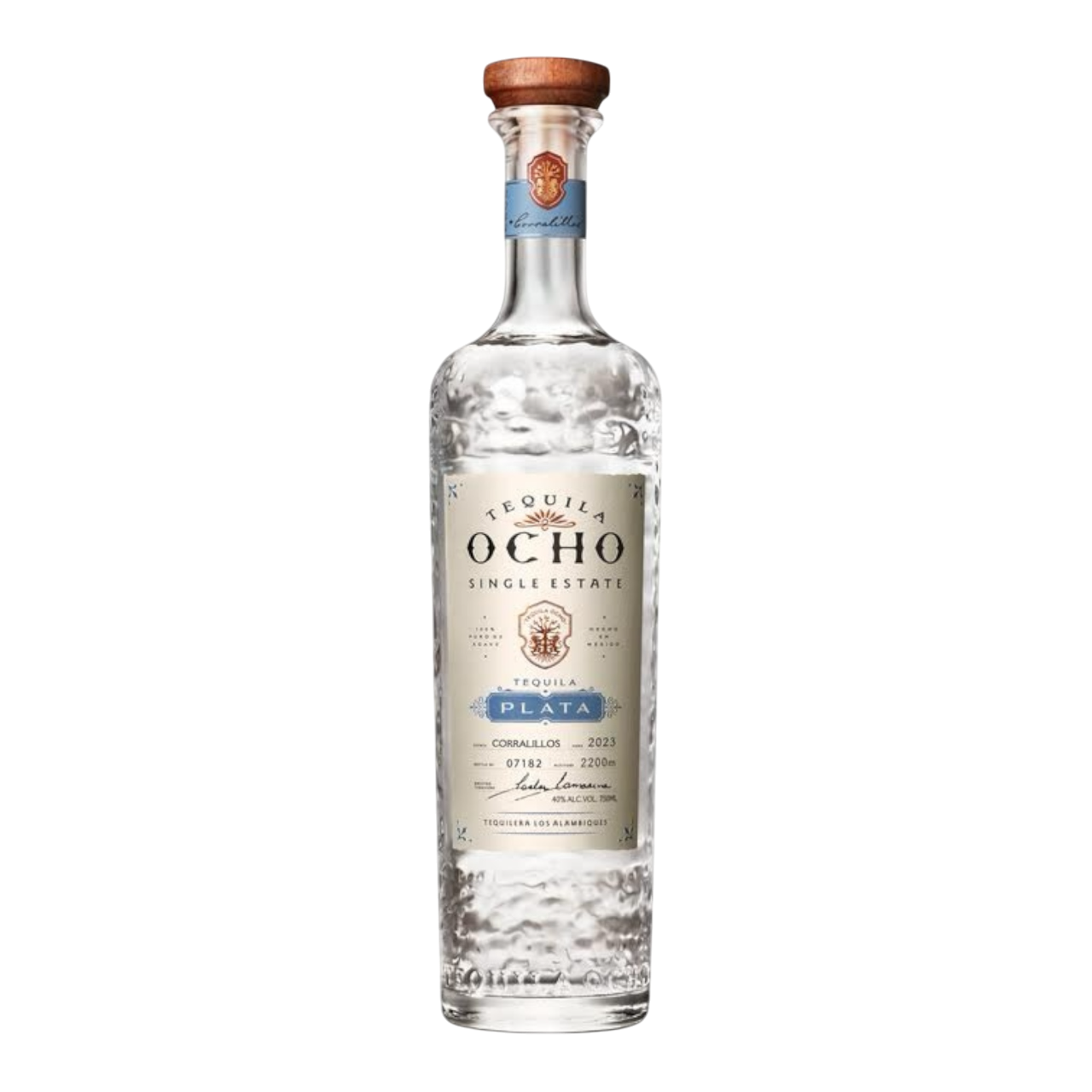
If you’re curious about alternatives, compare a clear option such as Riazul Plata with aged bottles such as Suerte Añejo or Penta Añejo. Those are examples of different expression paths, not one-to-one substitutes for Casa Dragones Joven. You can also browse the cristalino selection if a clear appearance with aged-tequila character is what interests you.
How can you tell whether it suits your taste?
Start with the kind of tequila you already enjoy. If you usually reach for blancos, ask whether you want to explore a rounder, more blended profile. If you favor aged bottles, consider whether you’d like a spirit that retains some brightness rather than leaning fully into barrel influence.
- You may enjoy exploring it if you like sipping neat, are interested in blends, and want to compare fresh and aged character in a single pour.
- You may prefer a different expression if you want a direct, unaged profile, an unmistakably barrel-led tequila, or an affordable bottle for everyday cocktails.
- You may want to taste before committing if you’re uncertain about the style or buying it as a gift for someone whose preferences you don’t know.
There’s no need to treat a premium label as a test of expertise. A bottle is a good fit when its flavor, intended use, and price make sense to you. If you’re still finding your preferences, Sip Tequila’s Tequila 101 selection and the broader popular-bottle collection offer other places to begin.
What should you check before buying a bottle?
Take a minute to verify the details on the current product listing and bottle. Product names can be similar, and formats or availability can change. A careful check is especially worthwhile when you’re paying a premium or choosing a gift.
- Expression: Confirm that the label says Joven. Don’t mistake it for a blanco, añejo, or similarly named release.
- Blend description: Read what the producer says is combined. If the components or process matter to you, look for details rather than inferring them from the word “joven.”
- Size: Compare the bottle volume before comparing prices. A lower shelf price may reflect a smaller bottle.
- Current tasting description: Treat notes as a guide, not a guarantee. Your own palate and serving conditions affect what you notice.
- Intended use: Decide whether you plan to sip it, serve it to guests, or use it in cocktails. A premium bottle may be most rewarding when the spirit can be noticed.
- Shipping eligibility and total: Review the checkout details for your address, shipping charges, and any current terms before placing an order.
For regulatory context, Mexico’s official government gazette publishes the standards and notices that govern product categories. You can consult the Diario Oficial de la Federación alongside the CRT’s consumer-facing tequila information. Neither replaces reading the actual product label, but both are better references for category terminology than assumptions based on color or price.
How can you compare a joven tasting at home?
A side-by-side tasting is more useful than tasting one bottle in isolation. Pour small samples of a blanco, a barrel-aged expression, and the joven into separate glasses. Keep the samples similar in size and serve them at the same temperature. If possible, ask someone else to pour them without telling you which is which. That simple blind comparison can help you focus on what you enjoy rather than on the bottle or its reputation.
Use a few repeatable questions for each pour. Is the aroma light or rich? Does the first sip feel crisp, soft, or full? Do you notice a flavor that seems to come from the base spirit, the barrel, or both? How long does the finish last, and do you want another sip? Write a word or two beside each answer. You are building a personal reference, not trying to identify every note.
Try the blanco first, then the aged expression, and finish with the joven. That order gives you a simple way to notice a change from fresh character to more barrel influence, then consider how the blend combines impressions. Reset your palate between samples with water and a plain cracker if you need to. Keep the tasting relaxed: three small pours are enough to reveal a preference without turning a casual evening into a formal judging session.
- Compare aroma: note whether one seems brighter, warmer, fruitier, or more oak-led to you.
- Compare texture: notice whether the spirit feels light, rounded, or coating.
- Compare finish: record whether each taste fades quickly or stays with you.
- Compare preference: ask which pour you would choose again, not which one seems most impressive.
Where available, a tasting set makes this comparison easier than buying several full bottles at once. If you’re comparing examples from Sip Tequila, a Don Julio 70 bottle offers another style to consider alongside the categories in the table. Check each current product description rather than assuming two bottles in the same broad category will match.
How should you think about price and value?
A premium price is not proof that a bottle will be your favorite. Think about value as the fit between price, flavor, occasion, and how often you expect to reach for it. If you plan to open the bottle for a special tasting and enjoy the blend, you may judge it differently from a bottle you want to mix into frequent cocktails. Decide what job the bottle needs to do before comparing the price tags.
Check the bottle size first. Then compare the listed price with the price per ounce or milliliter, where that information is available. This does not tell you whether the spirit tastes better, but it helps you make a fair comparison between formats. Review the full order total as well, including delivery charges and taxes shown at checkout. A sale price can look attractive until you compare like with like.
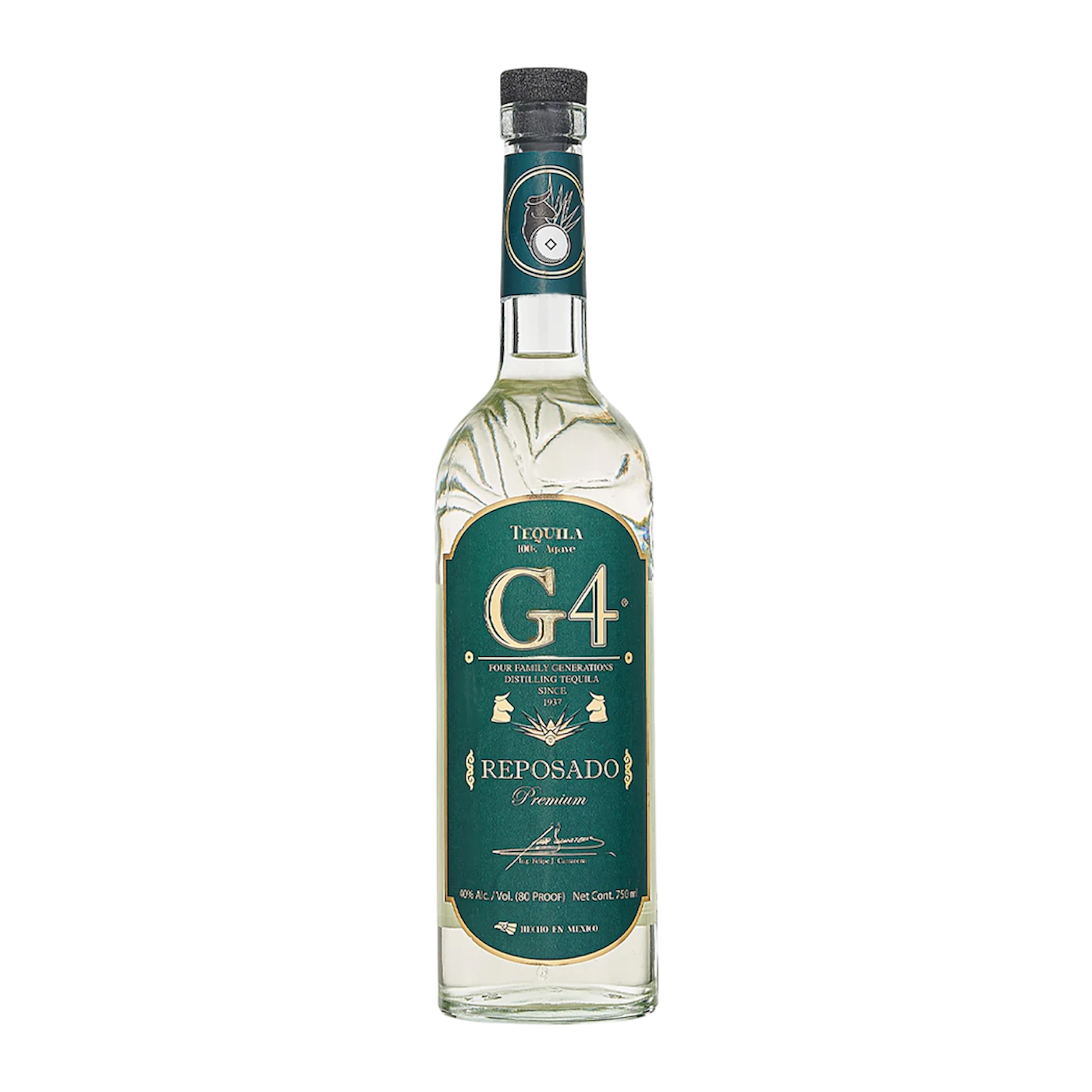
For a fair tasting-value comparison, choose alternatives based on use rather than prestige. If the aim is sipping, compare Casa Dragones Joven with a few bottles you would also consider pouring neat. If your plan is cocktails, compare it with a clear tequila that suits the same recipe. A bottle that tastes excellent in a quiet tasting may not be the practical choice for a large mixed drink. You can browse Suerte Reposado as another aged-expression reference, then weigh its role against what you want from a joven blend.
It can help to set a personal ceiling before shopping. Choose an amount you are comfortable spending, then compare available bottles within that range. That keeps packaging, reputation, and gift presentation from doing all the work in your decision. If the bottle is a gift, think about whether the recipient values trying a less familiar style or would rather receive a dependable expression they already enjoy.
How might you serve it?
For a first pour, keep the setup simple. Use a clean glass with enough room to catch aroma, pour a modest measure, and let it rest briefly. Smell from a comfortable distance instead of putting your nose deep into the glass. Taste slowly and give the finish time to develop. These small steps help you get more from a sipping pour without special equipment.
If you want to mix with it, choose a recipe with a short ingredient list. A spirit-forward drink gives the tequila more space than a sweet or heavily flavored cocktail. Start with a familiar recipe and make one serving, then adjust the balance to your taste. You can also compare a small neat pour with a small cocktail using the same bottle. This shows whether you enjoy its character on its own and whether it remains present after mixing.
Serving choices are personal, not rules. A premium bottle does not need to be reserved for a formal occasion, and a simple drink can be a perfectly good use if that is how you enjoy it. The useful distinction is whether the recipe and setting let you appreciate what you paid for. For an informal comparison, try it alongside a bottle from the popular tequila selection and note which one you would choose for sipping and which for mixing.
Is Casa Dragones Joven worth considering as a gift?
A bottle can make a thoughtful gift when you know the recipient enjoys sipping tequila and is open to a blend. Its style may appeal to someone who wants a polished pour for a special dinner or a small home tasting. It’s less predictable for a person who drinks only blanco tequila, prefers cocktails, or has a firm favorite expression.
Before gifting, check the recipient’s preferences and the practical details. A short note explaining that it’s a joven blend can make the bottle more interesting to open, especially for someone who likes comparing expressions. If you don’t know their taste, a smaller format or a tasting set can reduce the guesswork. Sip Tequila’s tasting-kit selection may offer a way to explore several profiles instead of choosing one full bottle.
For comparison, look at a clear alternative such as Suerte Blanco or an aged option such as Riazul Añejo. A gift should suit the person, not just the occasion or the price point.
Browse tequila bottles to compare
Frequently Asked Questions
What does “joven” mean in tequila?
Joven means young. In tequila, the category can include a blend of unaged tequila and aged tequila; the word alone doesn’t tell you the exact components or flavor. Check the producer’s description and the bottle label for the details of a particular release.
Is Casa Dragones Joven a blanco or an añejo?
It is sold as a joven expression, not simply as a blanco or an añejo. Its blend includes silver tequila and extra-aged tequila, so it combines components associated with different styles.
Should you drink Casa Dragones Joven neat?
Neat is a useful way to explore its aroma and texture, especially for a sipping-style bottle. Start with a small pour at room temperature. You can also try a simple cocktail if you want, but choose a recipe that lets the tequila remain noticeable.
Is joven tequila always sweet or smooth?
No. Joven describes a category, not a guaranteed flavor. Producers use different blends and methods, and individual tasters may perceive the same pour differently. Read the specific product description and taste it for yourself.
What should you compare before paying a premium?
Compare the expression, bottle size, producer’s blend description, intended use, and current price. If you’re unsure whether the style suits you, compare it with a blanco or aged option before deciding.
Ready to choose a bottle?
Casa Dragones Joven is worth a closer look if you want to explore a sipping tequila that pairs an unaged silver component with extra-aged tequila. Verify the current label and product details, then decide whether that blended profile fits your palate, occasion, and budget.
Choose the bottle that matches how you actually like to sip, share, or mix tequila.