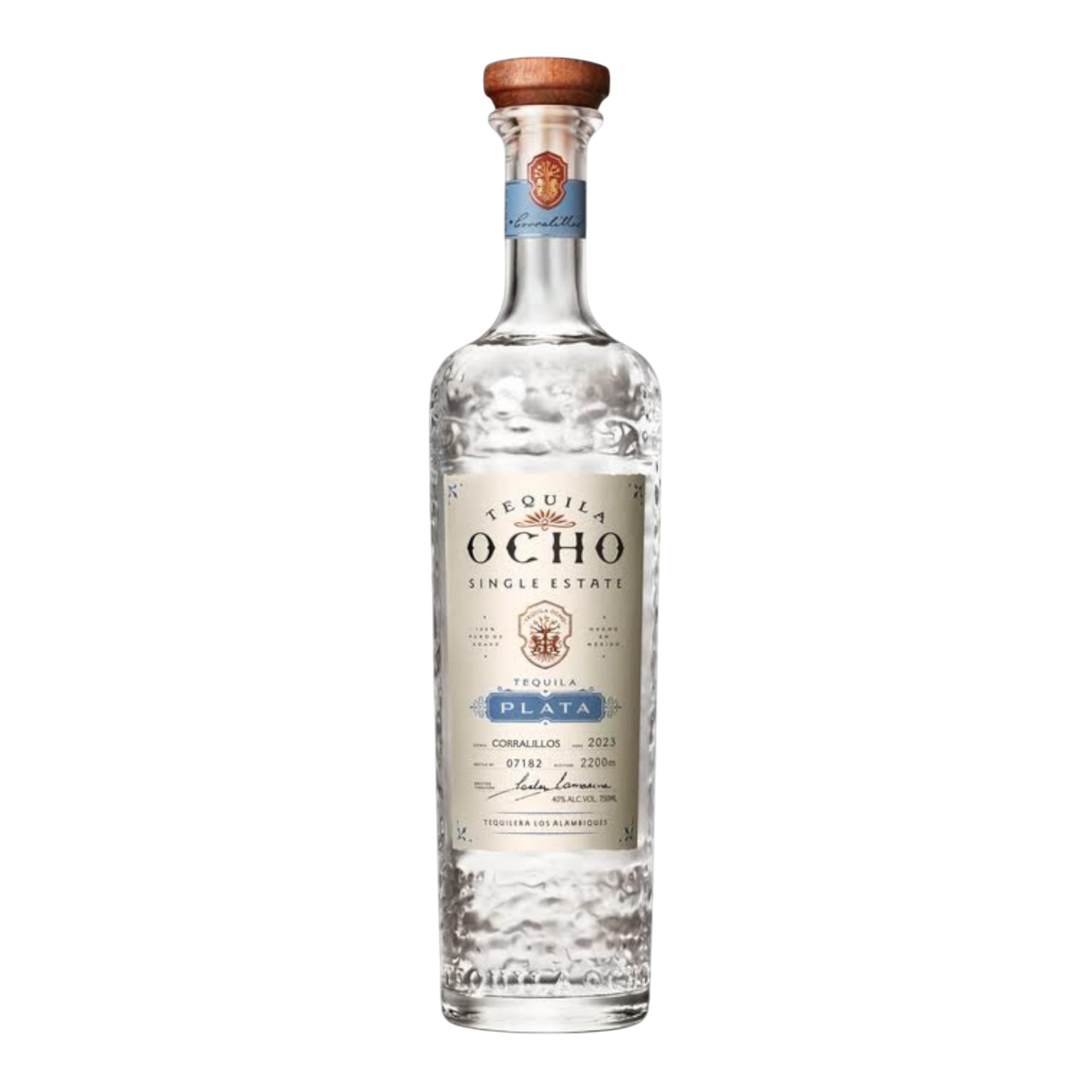
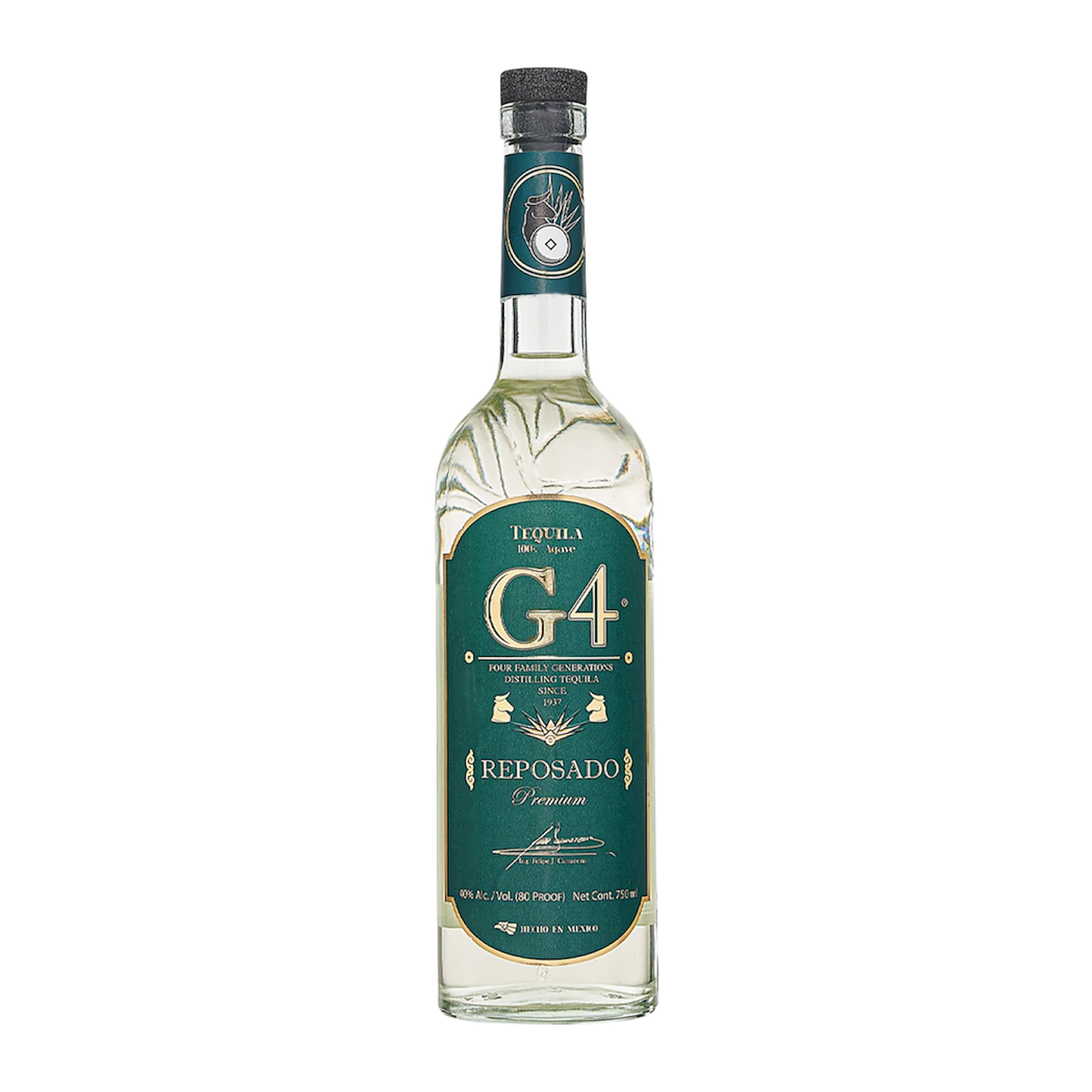
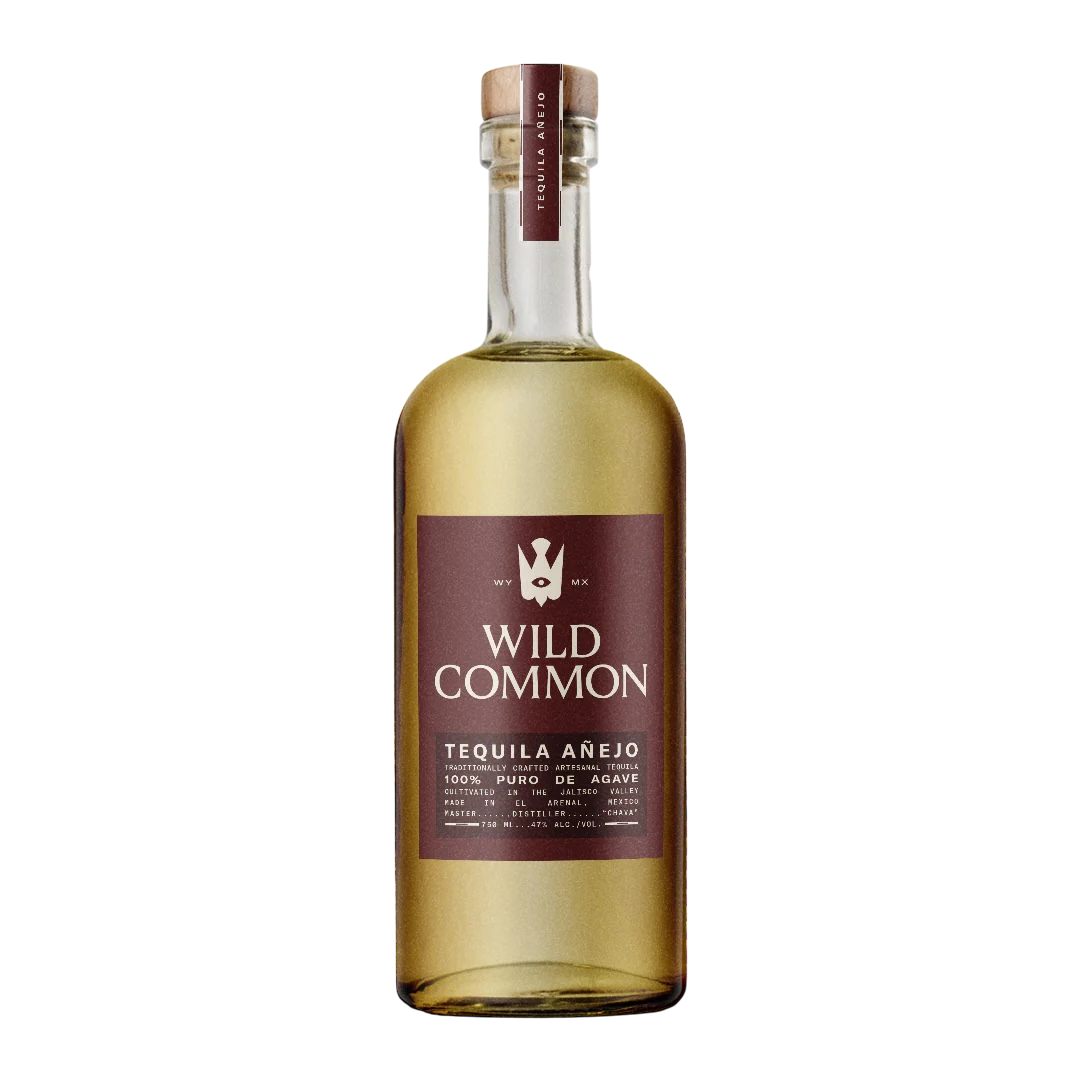
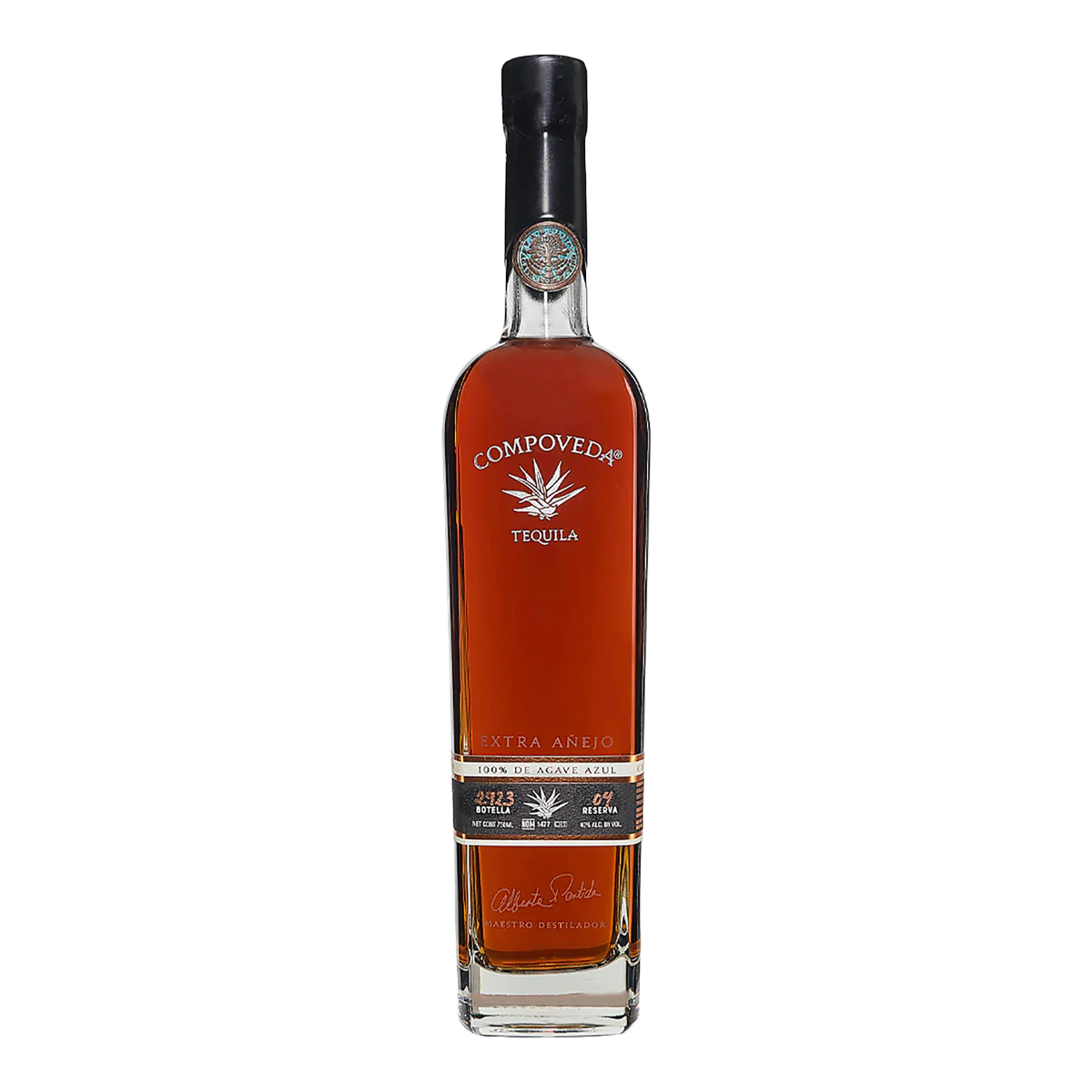






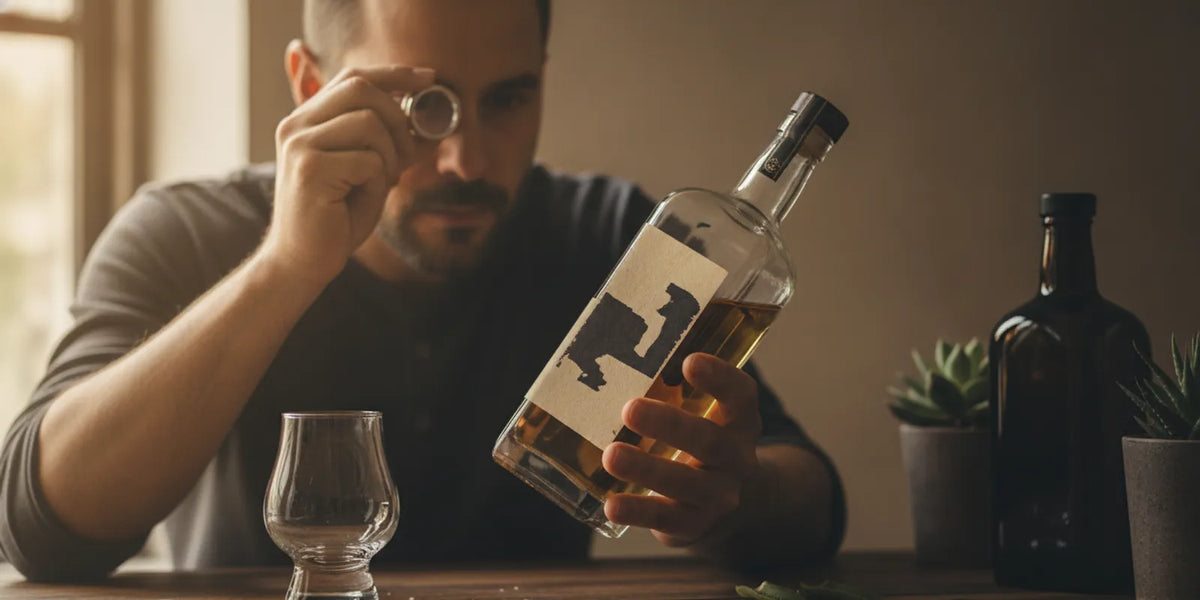
A tequila NOM lookup is a practical way to investigate the producer associated with a bottle. The NOM number can help connect a label to a production facility, but it does not grade flavor, prove quality, or tell you whether you will enjoy the pour. Here’s how to use it as one useful piece of buying information rather than a shortcut to a verdict.
Browse tequila bottles to compare
What is a tequila NOM?
- It is a producer clue: The NOM identifier is associated with an authorized tequila producer and its production facility.
- It is not a tasting score: It cannot tell you whether a tequila is smooth, complex, or a match for your palate.
NOM is short for Norma Oficial Mexicana, or Mexican Official Standard. On tequila packaging, the identifier is commonly shown as “NOM” followed by digits. It points toward the facility responsible for producing the tequila, rather than functioning as a brand name or a rating.
That distinction matters when you are comparing bottles. A label may feature a memorable brand, a particular expression, and an origin story. The NOM adds a different kind of information: it can help you investigate the producer behind the product. The Consejo Regulador del Tequila’s overview of tequila is a useful official starting point for understanding the regulated category and its production context.
Think of the number as a reference point, not a conclusion. It can help you ask better questions about who made the spirit and whether information across a label, product page, and official reference appears consistent. It does not, by itself, establish that one bottle is better than another.
It also helps to separate three things that are easy to blur together: the brand consumers see, the producer or facility connected to the NOM, and the specific expression inside the bottle. These may be related, but they are not interchangeable. A brand can tell you which product is being sold; the expression identifies a style; the NOM gives you a route to research production provenance.
How do you do a tequila NOM lookup?
- Start with the bottle: Find the NOM as printed, and copy the digits carefully.
- Check a reliable reference: Compare the number with official tequila information rather than relying on a seller’s description alone.
A useful lookup is simple, but careful copying matters. A smudged label, glare, or small type can make digits easy to misread. Use this process:
- Locate the full identifier. Check the back label and any other printed label area. Record “NOM” and every digit that follows it. Do not substitute the brand name, a batch number, or a barcode.
- Read the label twice. Compare your notes with the bottle again. If you are looking at an online listing, enlarge the product image if possible and make sure the listing shows the same package you intend to buy.
- Search the number as written. Use the complete NOM identifier as your query. Avoid searches that include only the brand: a brand search may return marketing pages without identifying the producer.
- Prefer official information. Look for a match through the tequila regulator’s resources or another primary reference. The CRT is the relevant official body for tequila. If a third-party directory gives a result, treat it as a lead and verify it against a reliable source.
- Compare the returned name carefully. The name associated with a number may be a company or facility name that differs from the consumer-facing brand. A wording difference is a reason to investigate, not automatic proof that a label is wrong.
- Save the context. Note the number, the name shown by the reference, and where you found the result. This makes it easier to compare bottles or ask a retailer a specific question.
Online search results are not all equally useful. A retailer page may repeat a number without explaining its source, while an informal database may be incomplete or out of date. Treat search snippets as pointers, not definitive verification. When the information is unclear, check the regulator’s material or contact the seller for a clear label image and source details.
For a practical example, imagine a bottle listing where the front label gives a brand name and the back label includes a NOM. First, copy the digits exactly. Next, search that number in an official source, and record the entity the source identifies. Finally, compare that result with the information on the bottle and seller listing. If the result uses a company name you have not seen before, pause and look for context instead of concluding that the product is incorrect. Your goal is to understand the match, not force every name to be identical.
When the reference does not return a clear result, troubleshoot in order. Recheck the digits, remove accidental spaces or punctuation, and search the number without extra brand terms. Then review the source itself rather than its preview text. If no dependable match appears, ask the retailer for a readable image or the source of its producer information. A lookup is helpful when it clarifies the record; a confusing result is a cue to gather better evidence, not a reason to guess.
If you want a broader primer on expressions, tasting, and buying, Sip Tequila’s tequila guide can help put the lookup into the context of the bottle you are considering.
What does a NOM lookup tell you, and what does it leave out?
- It can help identify production provenance: Use the number to investigate the producer linked to a bottle.
- It leaves the sensory judgment to you: The number alone cannot predict the taste or overall value of an expression.
A successful lookup can help answer a narrow but meaningful question: which authorized producer or facility is associated with this tequila? That can be helpful when you are learning about a producer, comparing labels, or checking whether a product description is internally consistent.
But there are limits. The NOM does not tell you:
- Whether the tequila is blanco, reposado, añejo, or another expression.
- How long an aged expression spent in a barrel.
- Which aromas or flavors you will notice in the glass.
- Whether the bottle is a good value at its current price.
- Whether a producer’s style suits your taste or how you plan to serve it.
- Whether every bottle connected with a producer will taste identical.
Those questions need other evidence. Expression, production details, tasting notes, bottle size, price, and your own preferences all contribute to a buying decision. A NOM can orient your research, but it cannot replace the information that describes the individual tequila.
For example, compare what a product page says about expression and intended use with your own preferences. A blanco bottle such as Siempre Plata is a different style of choice from an aged bottle such as G4 Añejo. The NOM may help you investigate each producer, while the expression helps you frame the tasting choice. Neither detail alone decides which one you should buy.
It is useful to think of the NOM as a starting point for research, not a substitute for tasting notes or product descriptions. It does not rank a producer against another, certify a flavor profile, or guarantee that a particular bottle suits your preferences. If you like a certain style, use the details on the individual listing to see whether the expression and serving context align with what you enjoy.
How should you compare two bottles after looking up their NOMs?
- Separate producer research from bottle research: The number relates to producer identity; the expression and product details describe the particular bottle.
- Compare the same kinds of facts: Look at expression, label details, size, price, and tasting notes side by side.
Use the lookup to add context, then compare the actual products on their own merits. A simple table keeps the roles of each detail clear:
| Detail to compare | What it may help you understand | What it cannot establish by itself |
|---|---|---|
| NOM identifier | The producer or facility associated with production; a direction for further research | Flavor, craftsmanship level, or a quality ranking |
| Expression | Whether the bottle is blanco, reposado, añejo, or another style | Whether you personally will like it |
| Product description | Stated production details, tasting notes, and intended serving context | That every note will match your experience |
| Price and bottle size | A useful basis for comparing the purchase and serving plans | Whether a higher price means a better match |
| Your tasting preference | Which aromas, texture, and finish you tend to enjoy | Whether a bottle will suit every guest or occasion |
When comparing an aged tequila, read the product information for the specific expression rather than assuming that a producer’s name tells the whole story. Sip Tequila’s listings for Patrón Silver and Patrón Añejo, for instance, illustrate how a brand can offer different expressions that call for distinct comparisons. The NOM lookup is only one detail in that larger evaluation.
Likewise, category labels can help narrow a style before you compare individual bottles. Explore the cristalino selection or the extra añejo collection for examples of categories where expression-specific details matter. Check the product page for the bottle’s own information, since selection and availability can change.
To compare two candidates without getting lost in details, make a short side-by-side note for each bottle. Record the expression, what the product description says about production and flavor, the size, and the price. Add the NOM result separately, with the source you used. Then ask which details are factual and which are predictions: an expression is a label category, a tasting note is guidance rather than a promise, and your own preference is something you can learn only by tasting.
For a concrete comparison, you might put a blanco beside an añejo because you want to explore contrasting styles. You would not treat one NOM as a winner over the other. Instead, note the producer information that each lookup gives you, then consider how the expression and product details fit your goal. If the choice is for sipping slowly, a fuller description of aroma, palate, and finish may be more useful than a producer match alone. If you are buying for a mixed group, consider whether the tasting profile will feel approachable to the people sharing it.
Common NOM lookup mistakes to avoid
- Do not treat the number as a medal: It identifies a producer reference, not a score.
- Do not assume every search result is authoritative: Confirm important details with a primary source.
A few habits can make an otherwise useful lookup misleading. Keep these distinctions in mind:
- Confusing producer identity with brand identity. The business name associated with a number may not match the name printed prominently on the front label. Compare carefully before drawing conclusions.
- Assuming a shared NOM means identical tequila. A producer reference is not a recipe or tasting profile. Bottles may differ in expression and stated production details, so compare the products themselves.
- Using the number as a quality score. A NOM does not rank producers, certify that you will like a spirit, or reveal the bottle’s value.
- Mixing up identifiers. Product codes, batch information, barcode digits, and a NOM serve different purposes. Confirm that the number you searched is clearly identified as NOM.
- Relying on an unclear image. If the printed digits cannot be read confidently, do not guess. Ask for a sharper label image or verify the number on the bottle.
- Taking a search snippet as the whole record. Read the actual source and check what entity its result names. A brief excerpt can omit context.
- Assuming the number answers an authenticity question alone. The NOM is one check among several. Look at packaging, seller information, product details, and the consistency of the label as a whole.
A shared producer number can be an interesting clue when you are comparing bottles, but it does not mean the bottles were made to the same specification or will taste alike. Avoid turning a simple identifier into a story about a producer’s entire portfolio. Check the details of each item and stay close to what its label and reliable references actually say.
There is also a difference between a mismatch and a missing explanation. If a lookup gives a different name than you expected, see whether the result identifies a company, facility, or another entity. If a number is absent from one database, that alone does not prove the label is false. Seek a primary reference or ask a knowledgeable seller for clarification before making a decision.
If your main question is about production identity, the NOM is a sensible starting point. If you are deciding what to sip, focus on the expression and product details as well. Browse a focused set of tequila tasting kits if you would rather compare styles through a guided lineup than commit to one full bottle immediately.
A practical pre-purchase checklist
- Verify the digits: Copy the full NOM from a readable label.
- Compare more than one source: Give more weight to official or primary information than an unsourced listing.
Before checkout, run through this short checklist. It keeps the lookup useful without letting one detail dominate the decision:
- Can you clearly read the complete NOM on the bottle or listing?
- Does a reliable reference associate the number with a producer or facility?
- Does the name you found make sense alongside the label and product description?
- Have you confirmed the expression and the bottle size?
- Do the listed tasting notes and serving suggestions sound appealing to you?
- Have you compared price and product details with other bottles in the same style?
- Are you comfortable with the seller’s product information and the condition of the bottle?
For a decision centered on producer research, write down the source and result so you can revisit it later. For a decision centered on taste, start with the kind of pour you want: crisp and bright, barrel-influenced, or something suited to sipping slowly. You can then connect that preference with a product page and use the NOM as one additional point of context.
Some shoppers also look for product attributes such as additive-free descriptions. Read the wording carefully and avoid treating a producer identifier as proof of a separate product claim. Sip Tequila’s additive-free selection is a place to explore bottles described in that category; check each individual listing for its specific details.
It can help to turn the checklist into a simple buying note: “I can read the NOM; I found the associated producer in a primary reference; this bottle is a reposado in the size I want; its listed notes sound appealing; and the price fits my plan.” Writing that down keeps the research clear. It also exposes unanswered questions. If you cannot verify the digits or cannot understand the product listing, resolve that uncertainty before relying on the lookup.
Keep your comparison proportional to the purchase. For an everyday bottle, a clear label, dependable product details, and a flavor profile you expect to enjoy may be enough. For a special bottle or a growing collection, you may want to save the producer reference and compare the information with other expressions from the same facility. In either case, use the number to sharpen your questions, not to replace your judgment.
Explore tequila bottles and compare details
Frequently Asked Questions
- Remember: A NOM is a research clue about production, not a flavor rating.
- For buying: Pair the lookup with expression, product information, and your own taste preferences.
What does NOM stand for on a tequila label?
NOM stands for Norma Oficial Mexicana, or Mexican Official Standard. On a tequila label, the number that follows is associated with the authorized producer or facility responsible for production. It is not a tasting score or a brand name.
Can I identify a tequila producer by its NOM?
A lookup can help you identify the producer or facility associated with the number. Check a reliable reference, ideally an official one, and compare the result with the bottle’s label and product information. Names may be presented differently, so read the context rather than relying on a bare match.
Does the same NOM mean two tequilas taste the same?
No. A NOM identifies a production reference; it does not promise that different expressions, products, or batches will have the same flavor. Compare the particular bottle’s expression and stated details, then use your own palate as the final guide.
Does a NOM prove a tequila is high quality?
No. It is not a ranking, award, or guarantee of personal preference. Use it to research provenance, then assess the expression, product information, price, and tasting profile separately.
What should I do if I cannot find a NOM in a lookup?
First confirm that you copied the digits correctly and that the label identifies them as the NOM. If the number remains unclear, consult an official tequila reference or ask the retailer for a readable label image and information about the source. Do not treat a missing or ambiguous search result as a verdict by itself.
Use a tequila NOM lookup to make your research more precise, then let the bottle’s expression and your own preferences guide the final choice.