





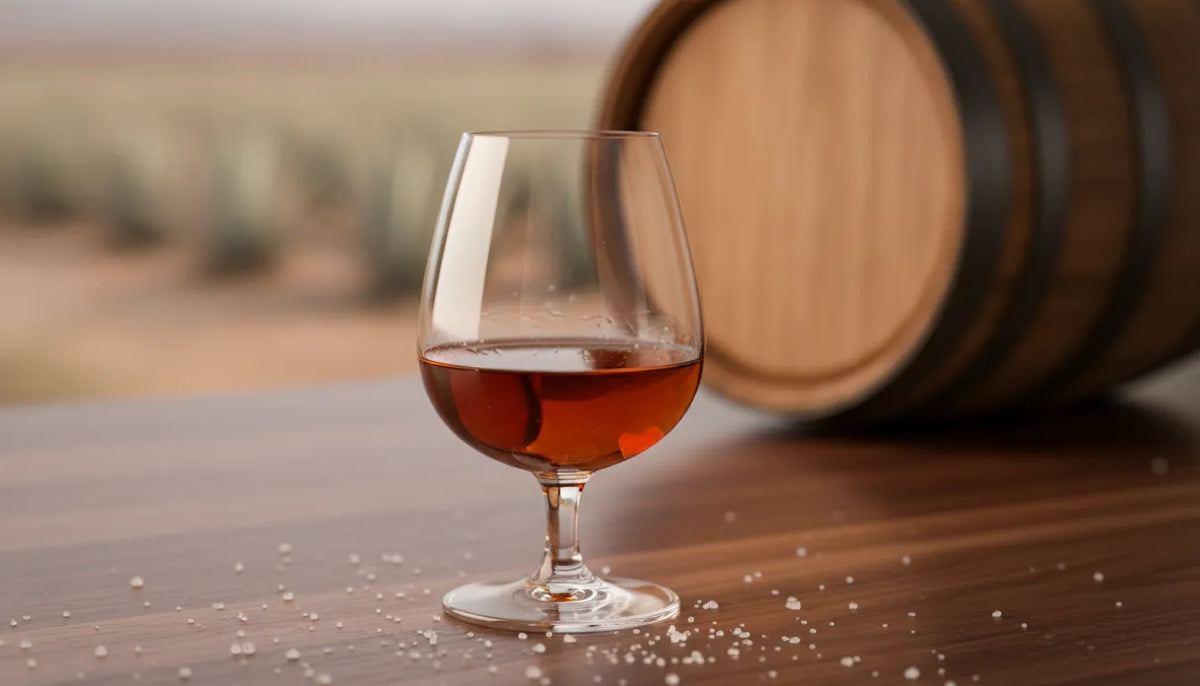
A bottle can spend years in oak and still taste unmistakably like tequila. That balance is the point of Tapatio Excelencia Extra Anejo: a rich, slow-sipping pour for buyers who want more depth than the standard Anejo without losing cooked-tequila character, spice, and structure.
See the current Tapatio Excelencia Extra Anejo listing.
Tapatio Excelencia Extra Anejo is listed by Sip Tequila as a 40% ABV expression in a 750mL size. The listing says four years in oak, then a rest in five-liter glass vessels. Compared with Tapatio Anejo, it is the more expensive, layered choice, bringing caramel apple, brown sugar, butterscotch, dry oak, smoke, and a long finish rather than simply more sweetness.
That positioning makes the details matter. The current product description emphasizes an extended oak period followed by a glass rest, while older lots and partner accounts describe different timelines. Here is what the current bottle actually is, how to read its tasting notes, and when the upgrade makes sense for your shelf or your next deliberate pour.
What Tapatio Excelencia Extra Anejo actually is
Tapatio Excelencia Extra Anejo is a highland tequila made at La Altena, the Arandas, Jalisco distillery identified as NOM 1139. Its highland origin and production traditions give the spirit a sense of place. This is not a flavored tequila or a generic oak-aged pour. It is a carefully made expression built around cooked-tequila character and extended maturation.
Sip Tequila's current listing describes four years in oak, followed by a final rest in five-liter glass vessels. That distinction matters. Oak contributes color and flavors such as vanilla, spice, toast, and tannin, while glass allows a spirit to rest without adding more wood character. Those details explain why Excelencia sits in a different lane from a standard anejo: it is shaped by both time in barrel and a quieter period after the oak.
Under the tequila standard, extra anejo is a category for tequila aged at least three years in oak. That is the class definition, not a claim that every bottle carries the same exact aging history. For the bottle currently described on Sip Tequila, the specific account is four years in oak and then a glass rest. Older partner writeups describe longer glass rests for historical lots, including a five-years-in-oak and 10-years-in-glass story. Treat those as background on earlier production, not as the current bottle's settled age statement. The label and live product listing are the better references when details conflict.
In the glass, the profile follows that long, layered process. The listed nose brings hot caramel apple, intense cooked-tequila character, and soft floral notes. On the palate, earthy tequila notes meets brown sugar, butterscotch, traditional tequila spice, whiskey-barrel oak, and a hint of chocolatey black tea. The finish is long and rich, with savory smoke and dry oak rather than a sugary fade.
For context, the wider Tapatio range shows where Excelencia comes from, but this bottle is the collection's more contemplative, slow-sipping expression. Sip Tequila's listing suggests serving it neat or with one large ice cube, where the oak, tequila, and glass-rested character can unfold without being crowded by a busy mixer.
How Excelencia differs from Tapatio Añejo
The most useful distinction is time and texture. Tapatio Añejo spends 18 months in ex-bourbon American white oak. Tapatio Excelencia Extra Añejo is listed with four years in oak, then a rest in glass. That longer oak program gives Excelencia more room to develop layered barrel character, while Añejo keeps the cooked-tequila character closer to the center of the pour.
Tapatio Anejo and Excelencia, side by side.| Bottle | Time in wood | In the glass |
|---|---|---|
| Tapatio Añejo | 18 months in ex-bourbon oak. | Cooked-tequila character, pepper, oak, and baking chocolate. Also toasted almond, baked apple, and a soft spicy finish. |
| Tapatio Excelencia Extra Añejo | Four years in oak, then glass. | Earthy tequila notes, brown sugar, butterscotch, and barrel oak. The finish is long, savory, and dry. |
What the extra time means
Añejo is the more direct choice when you want oak influence without losing the spirit's bright, fresh highland-tequila identity. Excelencia leans into concentration: hot caramel apple and floral notes on the nose, then deeper oak, earthy tequila notes, and a long smoky finish. It is a bottle to sip slowly, neat or with one large cube, rather than a pour chosen only for mixing.
Excelencia is listed at 40% ABV on the current Sip Tequila product page. The live listing shows 750mL, although its URL slug says 1-liter, so use the live listing as the source of truth for size. Availability and price can change.
For the broader rules and style distinctions behind extra añejo, see Sip Tequila's extra añejo category guide. That guide explains the category; this comparison is about the two Tapatio expressions and the current listing details. Older lots and partner writeups describe longer glass rests, so do not treat every Excelencia release as carrying the same age story. Read the bottle and the live listing for the specific lot in front of you.
What the current tasting notes actually say
The current Sip Tequila listing gives Tapatio Excelencia Extra Anejo a profile that is layered without leaning sugary. On the nose, it opens with hot caramel apple, followed by intense cooked-tequila character and soft floral notes. That combination sets up a spirit with plenty of oak-aged richness, but the tequila character remains easy to find underneath it.
The palate moves in a more earthy direction. Cooked-tequila character leads, with brown sugar and butterscotch adding roundness rather than turning the pour into a dessert drink. Traditional tequila spice keeps the flavor grounded, while whiskey-barrel oak brings structure. The listing also calls out a hint of chocolatey black tea, a useful detail for tasters who notice a dry, slightly tannic edge alongside the sweeter flavors.
The finish is long and rich, with savory smoke and dry oak carrying the final impression. The important distinction is that it is not sweet. The brown sugar and butterscotch notes belong to the middle of the tasting experience; they do not define the finish or suggest added sweetness. These are Sip Tequila's current tasting notes for the bottle on its live listing, so they are the best reference for the product you are considering. Other shops may describe individual bottles with notes such as vanilla or maple, but those descriptions should not replace the source listing.
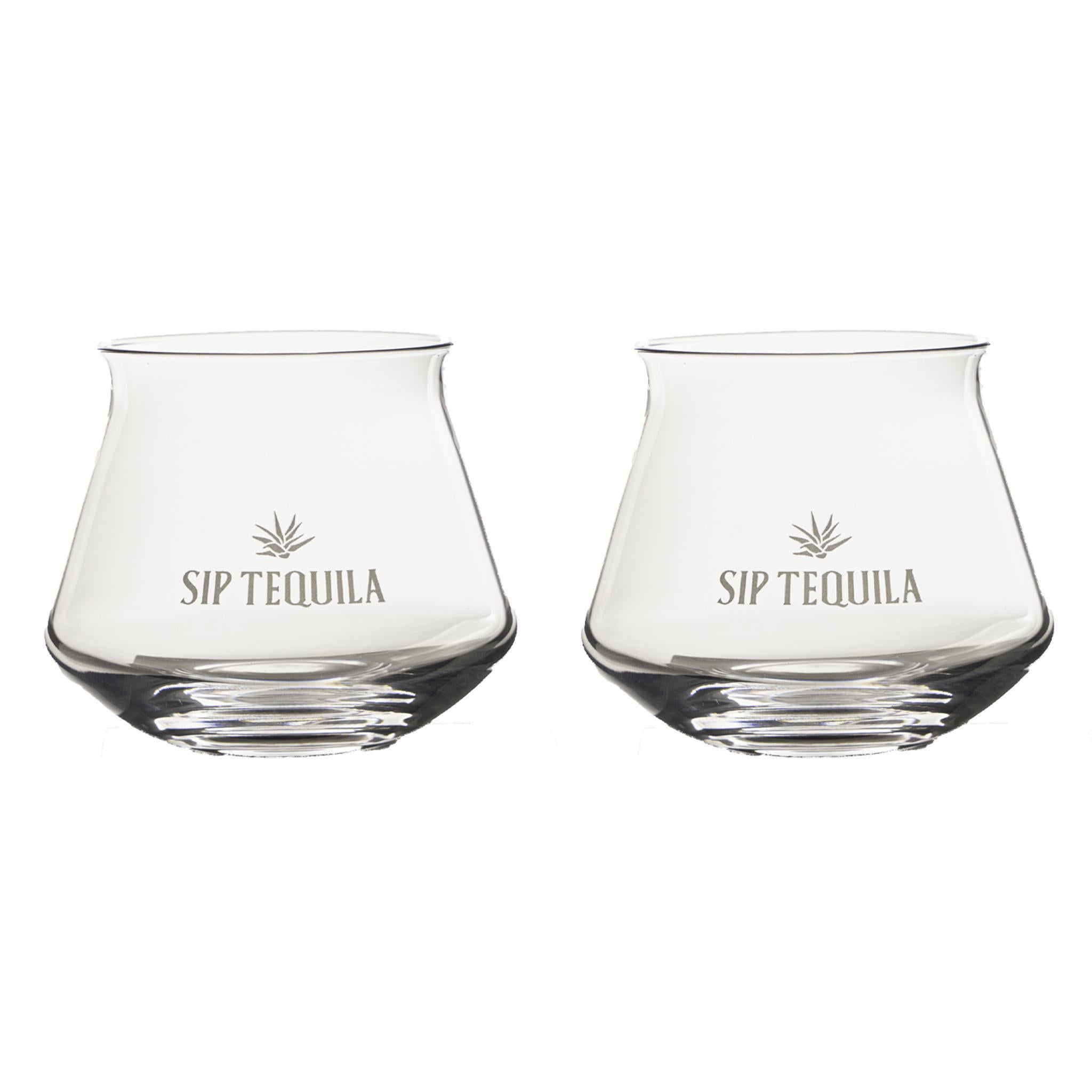
To taste it, start with a small pour in a snifter. Try it neat first, either at room temperature or lightly chilled, and give it a minute in the glass before taking a sip. That short pause lets the aroma settle instead of presenting only the initial heat. Take a small sip and let it move across your palate, looking first for cooked-tequila character, then the brown sugar, butterscotch, spice, oak, and black tea notes. A single large ice cube is another good option if you prefer a softer, cooler pour. It adds dilution gradually, so you can see how the smoke, dry oak, and longer finish change as the drink opens up. Keep the pour simple: this is a bottle worth tasting before deciding whether it belongs in a cocktail.
When Tapatio Excelencia Extra Anejo is worth the price
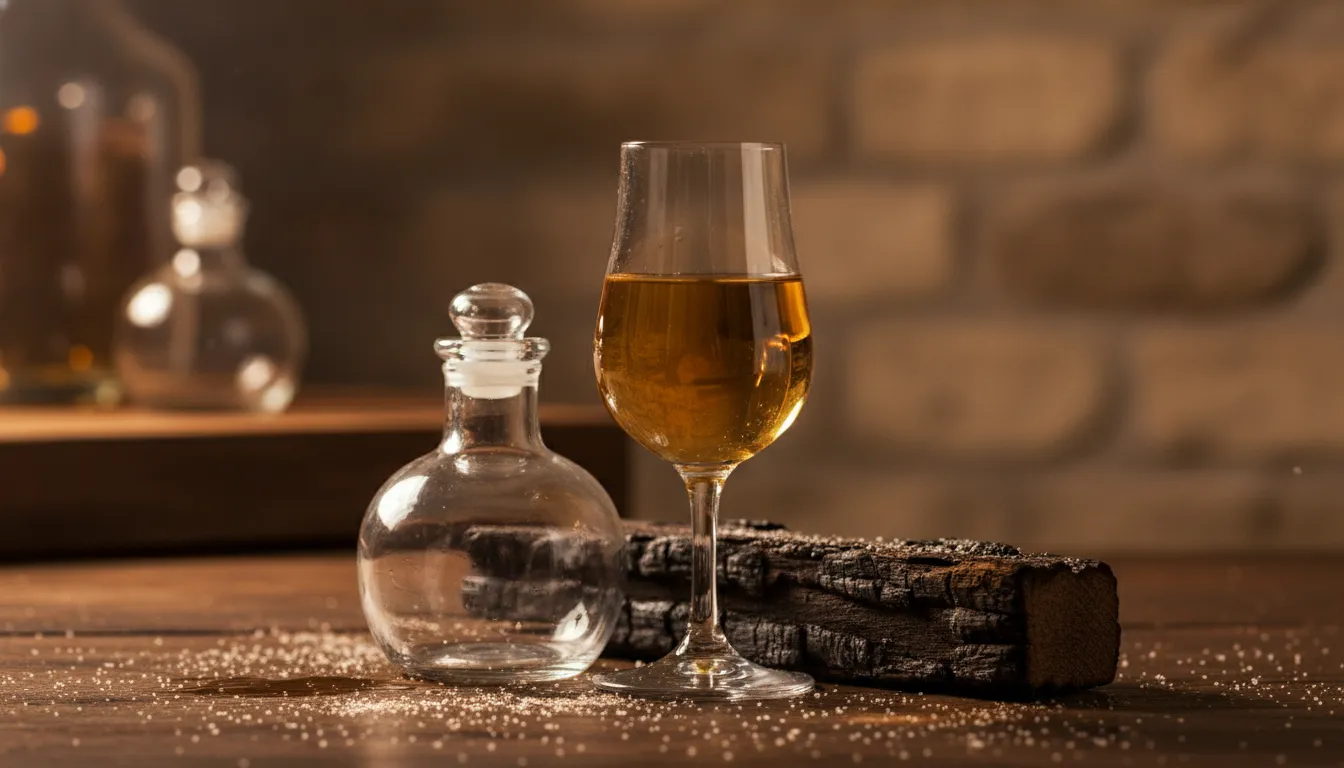
At the time of research, the Sip Tequila listing for Tapatio Excelencia Extra Anejo showed 40% ABV and a listed size of 750mL. Availability, inventory, shipping, price, and even the size line can change, so check the live listing before making a decision. The URL says 1-liter, while the product specifications say 750mL, so the current page is the source of truth.
That is a serious pour, and the right question is not whether the bottle is expensive in the abstract. It is whether its long, oak-shaped profile fits how you drink tequila. Use this test:
- Match it to slow sipping or a gift. Excelencia makes more sense neat or with one large cube than as a margarita base. The current listing describes cooked-tequila character, brown sugar, butterscotch, whiskey-barrel oak, chocolatey black tea, and a long, dry finish. Those details are easier to appreciate when the tequila is the focus, and the presentation can make it a considered gift for someone who already enjoys aged spirits.
- Compare it with the 18-month anejo. If what you mainly want is cooked-tequila character with some oak, the Tapatio Anejo may be the more practical comparison. Excelencia adds a longer aging story and a deeper, more barrel-led tasting profile, but that does not automatically make it a better match for your palate.
- Read the age statement on the bottle. Sip's current listing attributes four years in oak followed by a rest in five-liter glass vessels. Older lots and partner writeups describe different aging timelines, including longer glass rests. Treat the bottle and the live product page as your guides rather than assuming every Excelencia release is identical.
- Check state availability before you fall in love with the price. The listing was unavailable in some states during research, and shipping rules vary. Confirm that the bottle can actually be delivered to you, along with the current total after shipping.
- Skip it if you want the brightest highland blanco. Excelencia is built around extended oak influence and a rich, mature profile. If your ideal Tapatio is vivid, peppery, and driven primarily by fresh highland-tequila character, a blanco is likely the more satisfying choice.
In short, the price is easiest to justify when you want a contemplative pour. Understand the appeal of oak and confirm the exact bottle and delivery details available to you.
How to serve it without wasting the glass
Start with the slow version: pour Tapatio Excelencia Extra Anejo neat into a snifter and give it a few minutes. A snifter gathers the caramel-apple aroma, cooked-tequila character, and soft florals. The oak is what remains after the years in barrel and the glass rest on the Sip listing. Take small sips as it opens. The finish is long, rich, savory, and dry rather than sugary, so it rewards attention more than speed.
If neat feels a little too concentrated, chill it lightly or add one large ice cube. A single, substantial cube lowers the temperature gradually without flooding the pour with meltwater. Small, fast-melting cubes can flatten the texture and make the oak feel sharper before you have had a chance to taste the brown sugar. It also brings butterscotch, tequila spice, and chocolatey black tea notes.
When to mix it
Excelencia can work in an Old Fashioned or a tequila Manhattan when you want the drink to keep an aged-tequila backbone. Keep the build restrained: the point is to frame the spirit, not bury it under syrups, bitters, or a crowded garnish. Citrus-heavy cocktails are a different story. Their bright acidity and aromatic oils can cover the oak and glass rest you paid for, along with the long, dry finish. Save those recipes for a more flexible bottle.
For a useful contrast, Tapatio's 18-month anejo is the more cocktail-friendly aged Tapatio: it brings oak and spice while leaving more room for a mixed drink. Excelencia is the slow pour, best treated as a spirit to explore on its own. If you are deciding between the two, this guide to how aging classes change a pour can help you match the bottle to the occasion.
Compare it with the wider Tapatío range.
Frequently asked questions
How long is Tapatio Excelencia Extra Anejo aged?
Sip Tequila's current listing says the bottle spends four years in oak, then rests in five-liter glass vessels before bottling. Extra anejo, as a class, means at least three years in oak. Older partner writeups describe longer glass rests on earlier lots. So read the bottle in front of you and the live listing rather than assuming every Excelencia carries the same age statement.
How is Excelencia different from Tapatio Anejo?
Tapatio Anejo is listed as spending 18 months in ex-bourbon American white oak. Excelencia is the longer, slower pour. Four years of oak, then a glass rest, bring caramel apple, butterscotch, and a dry finish. If you mainly want cooked-tequila character with some barrel, the anejo is the more direct bottle.
What does Tapatio Excelencia Extra Anejo taste like?
The current Sip Tequila notes open with hot caramel apple, intense cooked-tequila character, and soft florals. The palate moves through earthy tequila notes, brown sugar, butterscotch, tequila spice, whiskey-barrel oak, and a hint of chocolatey black tea. The finish is long, with savory smoke and dry oak, and the listing is clear that it is not a sweet pour.
Is Tapatio Excelencia Extra Anejo worth the current listed price?
It can be, if you will drink it slowly or give it to someone who already likes aged spirits. The current listing describes a 750mL line at 40% ABV, and availability can vary by state. Because price and the product-page size line can change, confirm the current size, price, and shipping details on the live page before you buy.
Should this be your first Tapatio bottle?
Not usually. Start with the Tapatío collection if you are still learning the highland style. Excelencia makes more sense after you already like oak-aged tequila and want to see what a glass rest does after years in barrel.
Check the bottle before you commit
Excelencia is a patient pour, and the listing moves. Price, size, and whether it can ship to your state all live on the product page, not in a guide.
See the current Tapatio Excelencia Extra Anejo listing.