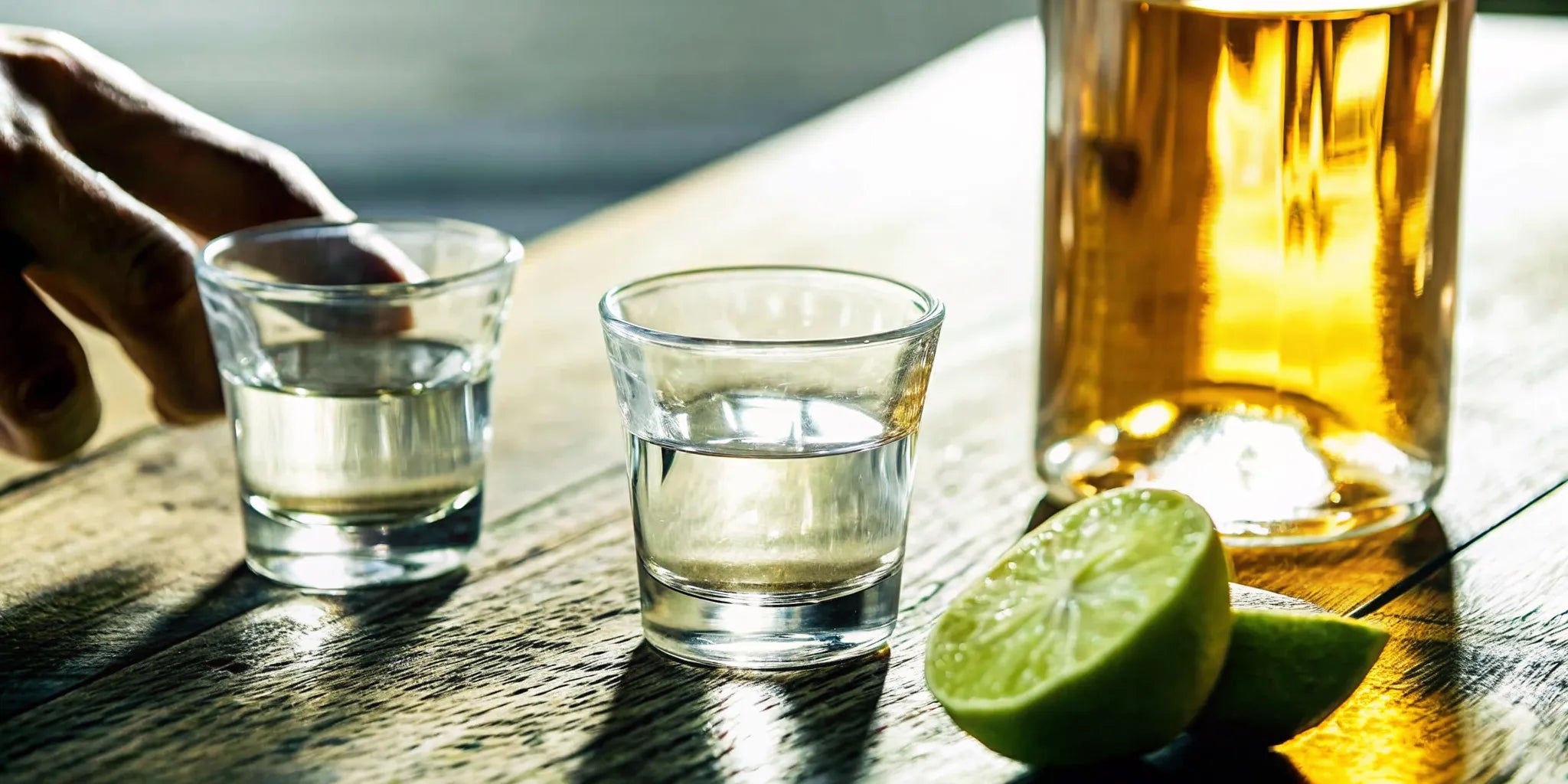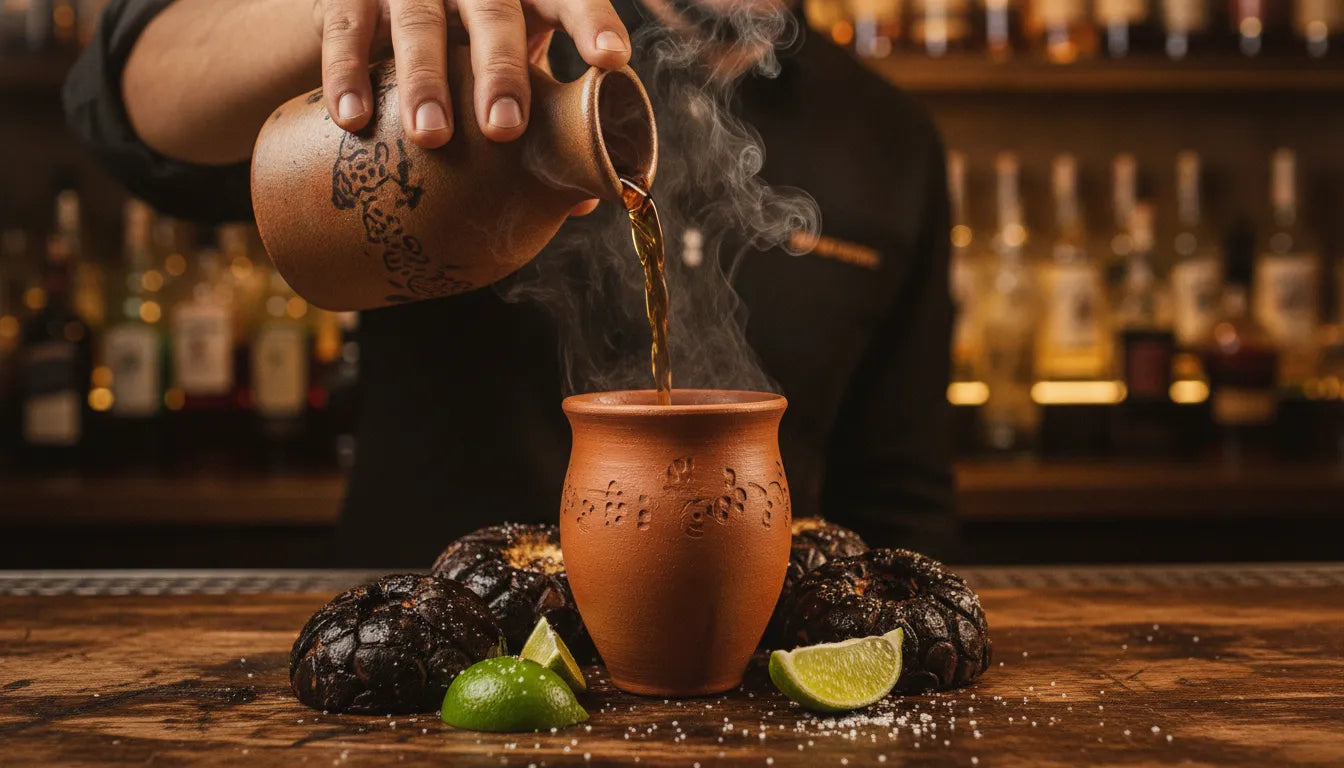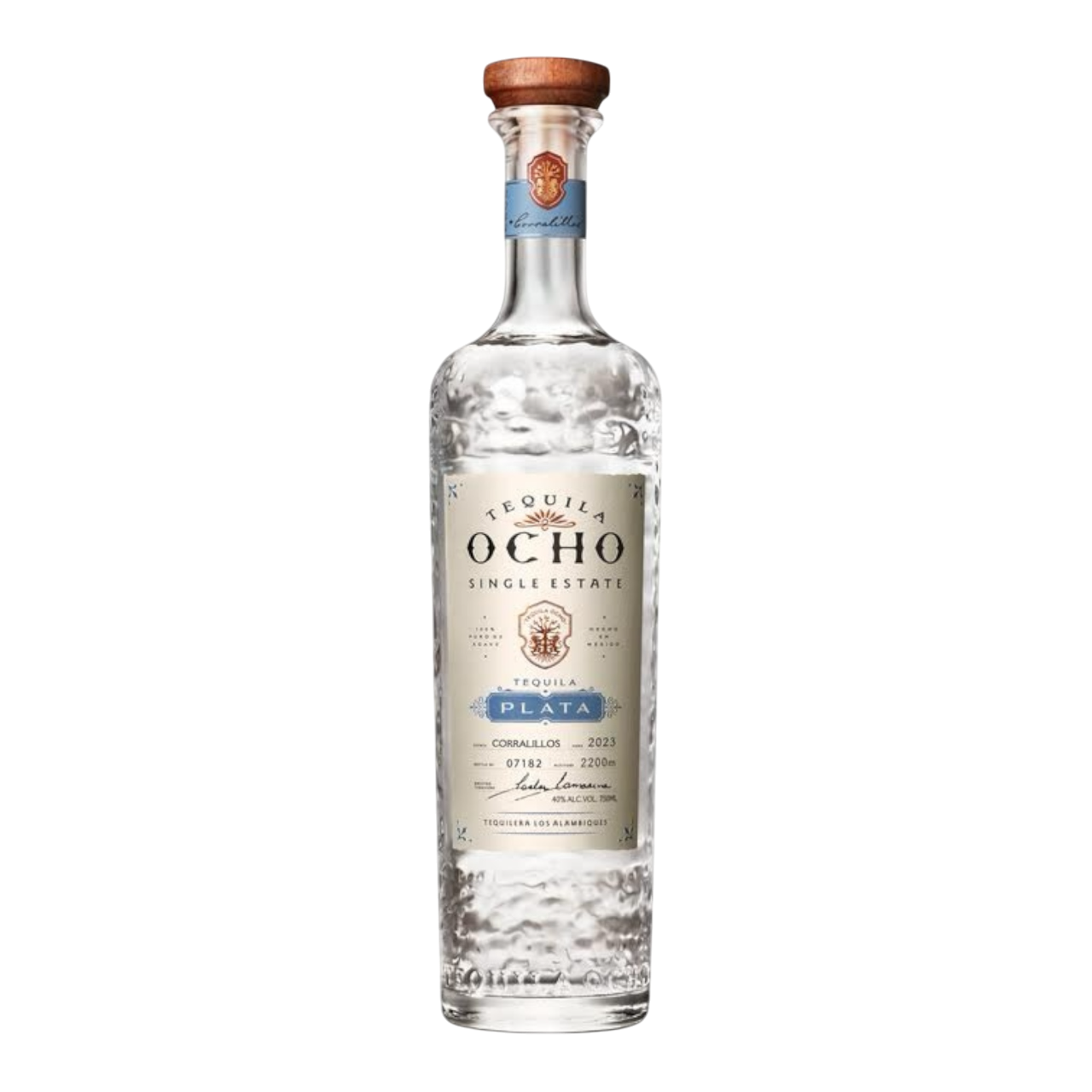
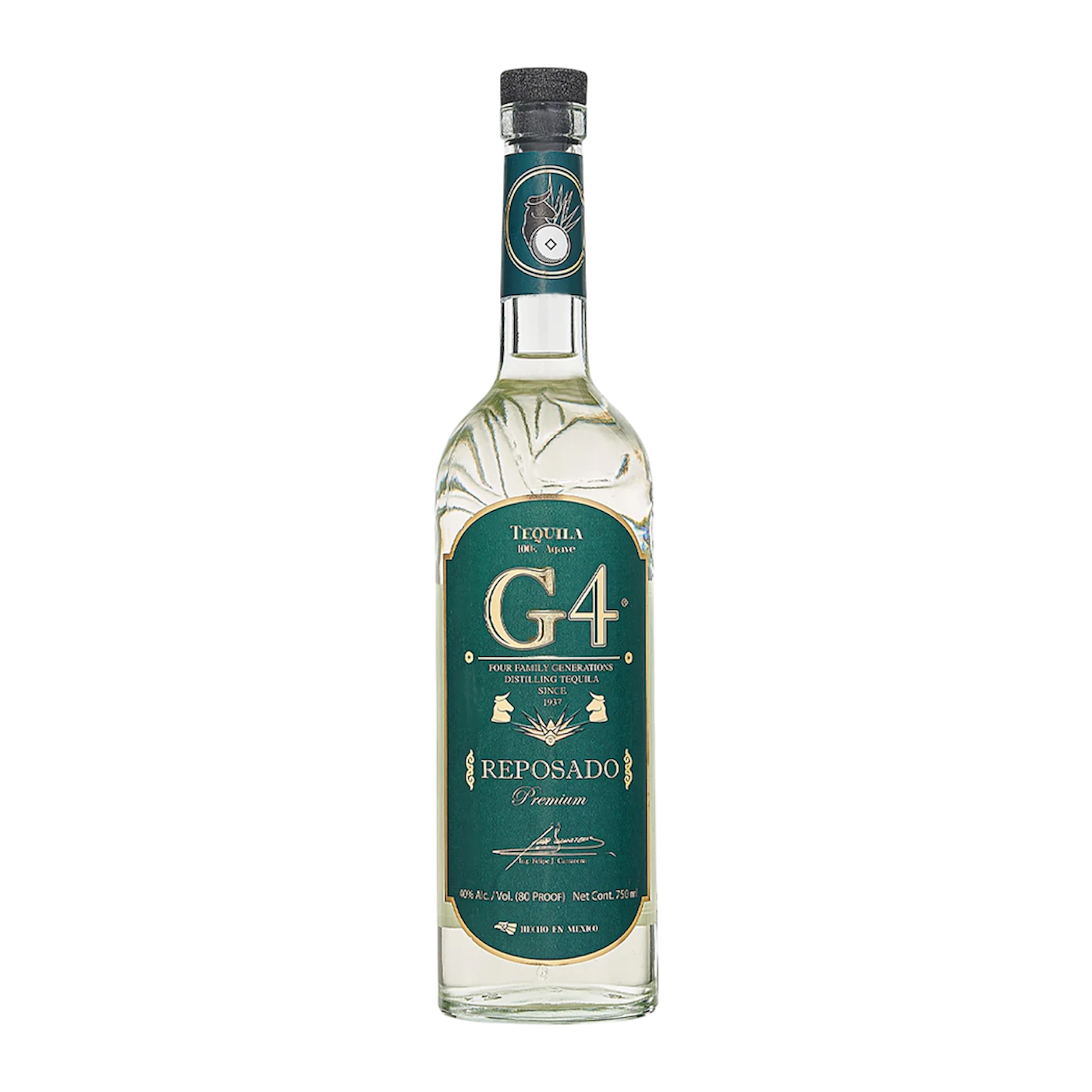
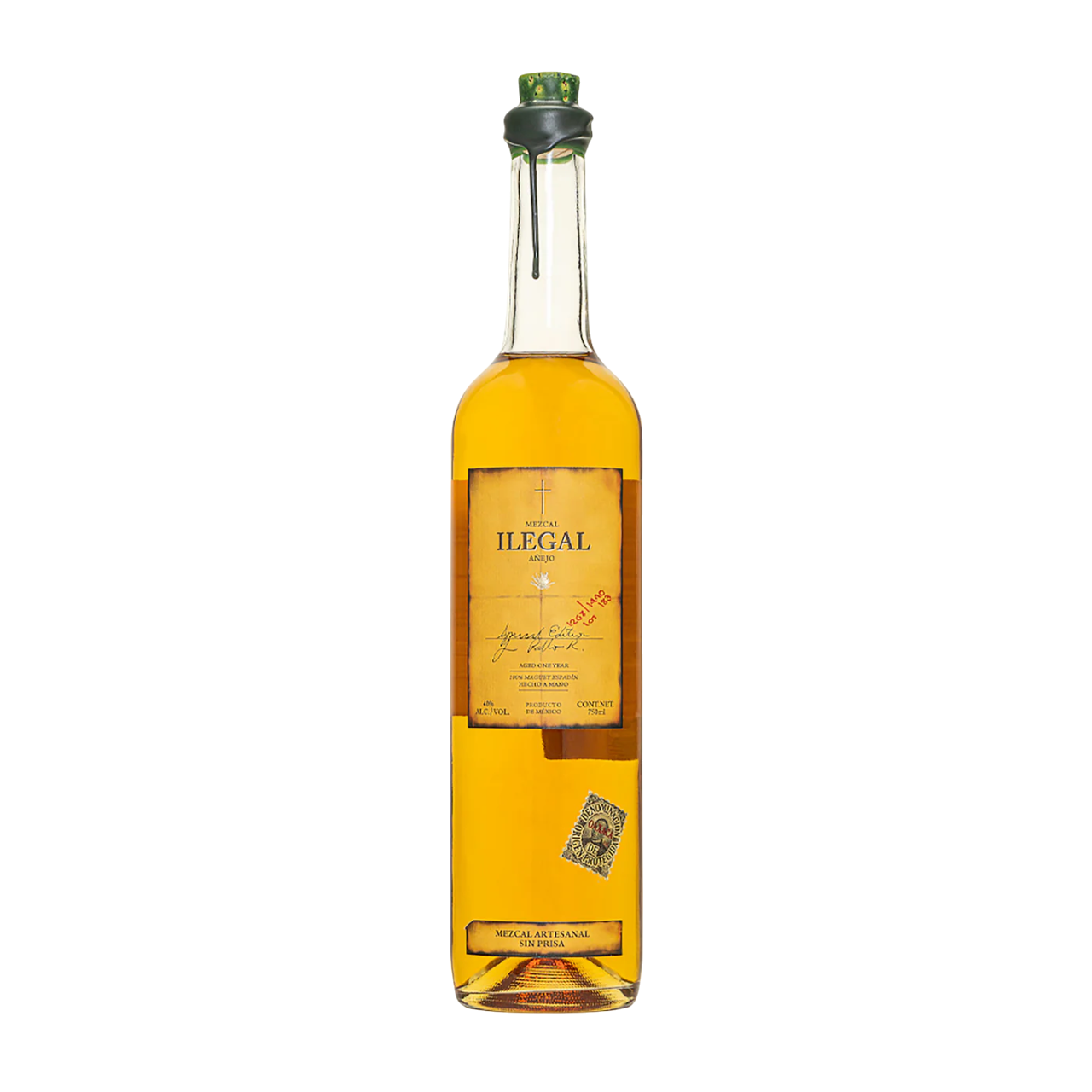
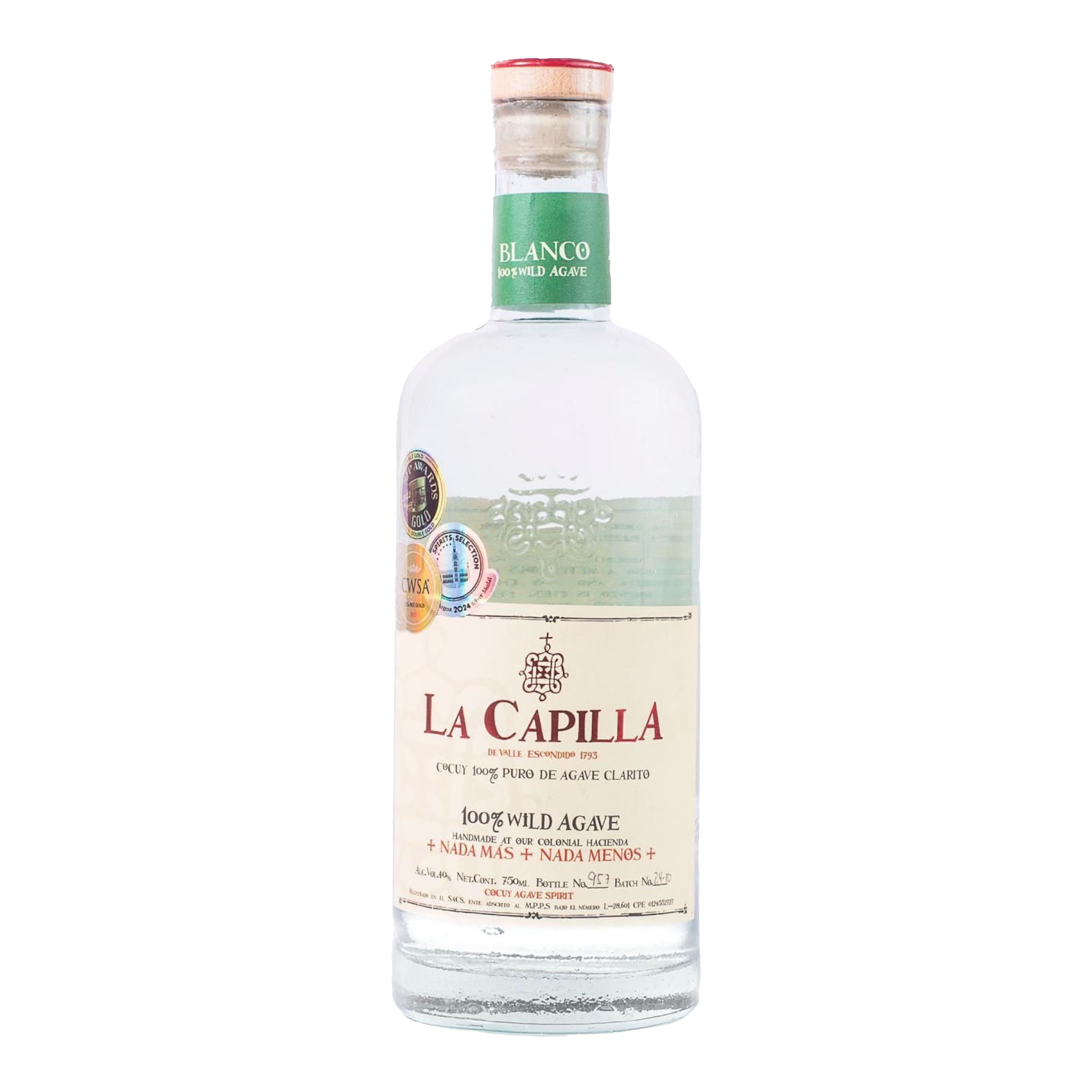





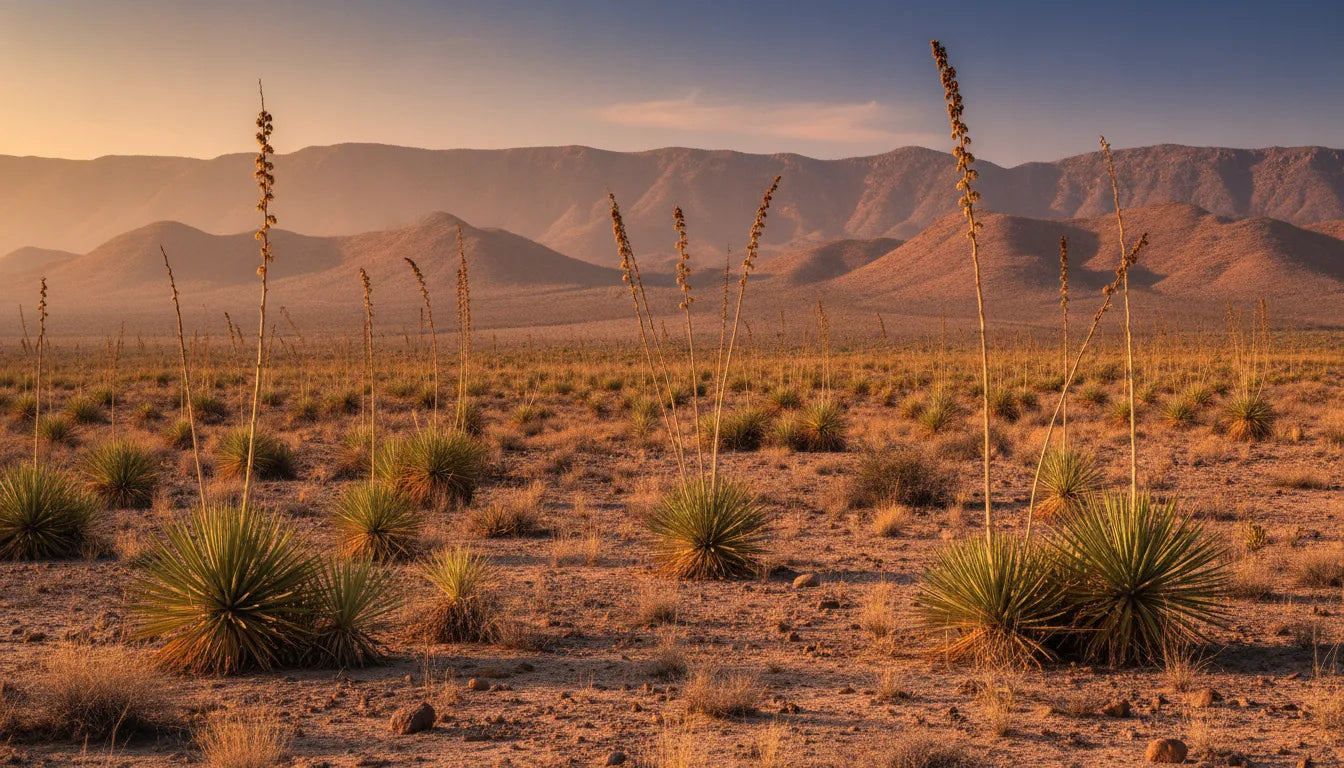
A wild desert spoon plant takes up to fifteen years of harsh wind, heat, and cold to grow a single heart that can be distilled into spirit. That rugged plant is the botanical soul of sotol. A complex craft drink from northern Mexico that sits alongside tequila and mezcal in the pantheon of Mexican spirits yet tells a completely different story.
At its heart, what is sotol is a historic distilled spirit from northern Mexico made from the wild desert spoon plant, Dasylirion, and not from agave at all. This unique drink has held a registered Denominacion de Origen since 2002, meaning it can only be legally produced in Chihuahua, Durango, or Coahuila. Because the wild shrubs take more than a decade to mature in rocky desert grassland, the liquid develops a deep, complex, earthy character. According to academic studies on the Dasylirion plant, this resilient shrub thrives in dry conditions, shaping the drink's signature vegetal and herbal taste. The final pour is a smooth, rustic choice for anyone eager to explore related desert spirits like mezcal or other authentic Mexican expressions.
If you want to know how this wild plant becomes a storied Mexican drink, you are in the right place. In this guide, we unpack the history, flavor, and craft of this northern spirit, starting with the most direct question: what is sotol? Here is how it all comes together.
What Is Sotol?
To understand what is sotol, you must look at the plants that grow in the dry lands of northern Mexico. This classic distilled spirit is a true taste of the desert. While many people think it is a type of tequila or mezcal, it is a distinct spirit with its own unique story and style.
The Desert Spoon Plant
Unlike tequila and mezcal, which come from agave plants, sotol is made from the wild desert spoon plant. This plant belongs to the genus Dasylirion. It belongs to a different plant family than agave. The plant is tough and thrives in the harsh desert land, which helps shape its deep flavor.
There are at least 22 known species of this plant in the region. The most common species used for making this spirit is Dasylirion wheeleri. The name desert spoon comes from the unique shape of the leaves. They look like spoons at the base where they meet the heart of the plant. The plant grows wild on rocky mountain slopes and can take up to fifteen years to mature before it is ready for harvest.
A Rich Cultural History
The name of this spirit has deep roots in Mexican history. The word sotol comes from the Nahuatl word tzotolin, which means palm-like. For hundreds of years, they used this wild plant for food, tools, and drinks. In fact, early Raramuri people fermented the plant juice into a beer-like drink as early as 800 years ago.
Today, the drink has a protected status known as a Denominacion de Origen. By law, it can only be made in three Mexican states: Chihuahua, Durango, and Coahuila. Chihuahua is the main region and produces most of the legal spirit on the market. Local makers keep these old methods alive with pride.
Distinct Flavor and Fermentation
Because the plant grows wild in a tough climate, it gets a unique natural makeup. The plant contains a high amount of natural sugars called fructans. According to research on Dasylirion sugar development, these compounds play a big role in shaping the complex aromas during fermentation.
This process results in a drink with earthy, grassy, and herbal notes. It is a great option if you enjoy tequila and mezcal but want to try something new. If you want to find other related desert spirits like mezcal, this wild northern drink is a great place to start. It has a clean, crisp finish that highlights the wild plants of the north.
Where Sotol Comes From: Chihuahua's Desert
To truly understand what is sotol, you must look at where it grows. This spirit comes from the dry, rocky expanses of northern Mexico. The heart of this region is Chihuahua, but the plant also grows in Durango and Coahuila. Here, the wild desert spoon plant faces extreme heat and cold. This harsh climate shapes the plant, giving the spirit its unique taste.
The Chihuahuan desert grassland
The wild Dasylirion plant grows on the rocky slopes of the Chihuahuan desert grassland. You can find these plants in high zones between 1,000 and 2,000 meters above sea level. These heights bring huge shifts in heat and cold. It can be freezing at night and scorching during the day. You can read about how the plant survives in studies of Dasylirion species. These papers show how the plant stores sugars to live.
The soil in these high deserts is poor and dry. Because water is scarce, the plant grows slowly over many years. This slow growth allows the plant to pull deep mineral flavors from the earth. The rocky slopes force the roots to dig deep for water. This struggle makes a rich, sweet heart, which later turns into the complex, earthy spirit we drink.
Legal zones for the spirit
Just like tequila, real sotol is protected by law. The Mexican government granted a Denominacion de Origen for sotol in 2002. Under this law, only three states can make the spirit. These northern states are Chihuahua, Durango, and Coahuila. Chihuahua is the main hub, producing about 80% of the legal sotol on the market today.
The legal status of the spirit has a rocky past. For many decades, making sotol was illegal in Mexico. The government lifted this ban in 1994, which paved the way for the official legal shield in 2002. This change helped small makers bring their craft into the light. Today, these rules protect the craft of northern Mexico's makers.
- Chihuahua: This state is the main zone, making about 80% of all legal bottles.
- Durango: Known for its volcanic soils and distinct wild species.
- Coahuila: Offers high mountain slopes and slightly different weather.
The impact of desert terroir
The extreme climate of northern Mexico shapes how the spirit tastes. High altitude and low rainfall force the plant to grow unique traits. Studies on desert plant chemistry show that the harsh climate increases the sugar in the plant heart. These sugars ferment into a spirit with deep, complex notes that you cannot find in farm-grown crops.
This unique terroir creates a drink that is highly distinct from other Mexican spirits. While tequila and mezcal rely on agave, sotol is a taste of the wild, untamed desert. If you want to expand your palate, you should explore related desert spirits like mezcal. This helps you see how other plants adapt to these arid lands. The desert spoon's natural strength gives the spirit a bright, grassy flavor with a mineral finish.
How Sotol Is Made
To fully grasp what is sotol, you must look at how local makers turn a tough desert plant into a smooth drink. The process is slow and relies on skills passed down through many families. The plant itself grows in wild soils under a hot sun. From the wild hills of northern Mexico to the final bottle, every step requires hard work and patience.
A Centuries-Old Craft
The roots of this drink go back hundreds of years. Long before the Spanish arrived, the Raramuri people fermented the sweet plant juice into a low-alcohol drink. They used these drinks for old ceremonies and daily life. In the sixteenth century, early Filipino immigrants brought still technology to New Spain, which allowed locals to distill the liquid. Today, makers use these old ways to craft a spirit that stands apart in the broader Mexican spirit landscape.
Steps of the Traditional Process
Crafting this spirit from the wild desert spoon requires several key stages. Each step is done by hand to ensure the best quality. They follow old steps that have stayed the same for many years.
- The Wild Harvest: Jimadores search the rocky slopes to find mature plants that are at least fifteen years old. Harvesting wild plants is hard work because of the sharp teeth on the leaves. They use sharp tools to chop away these spiny leaves, leaving only the dense heart of the plant, which looks like a large pinecone.
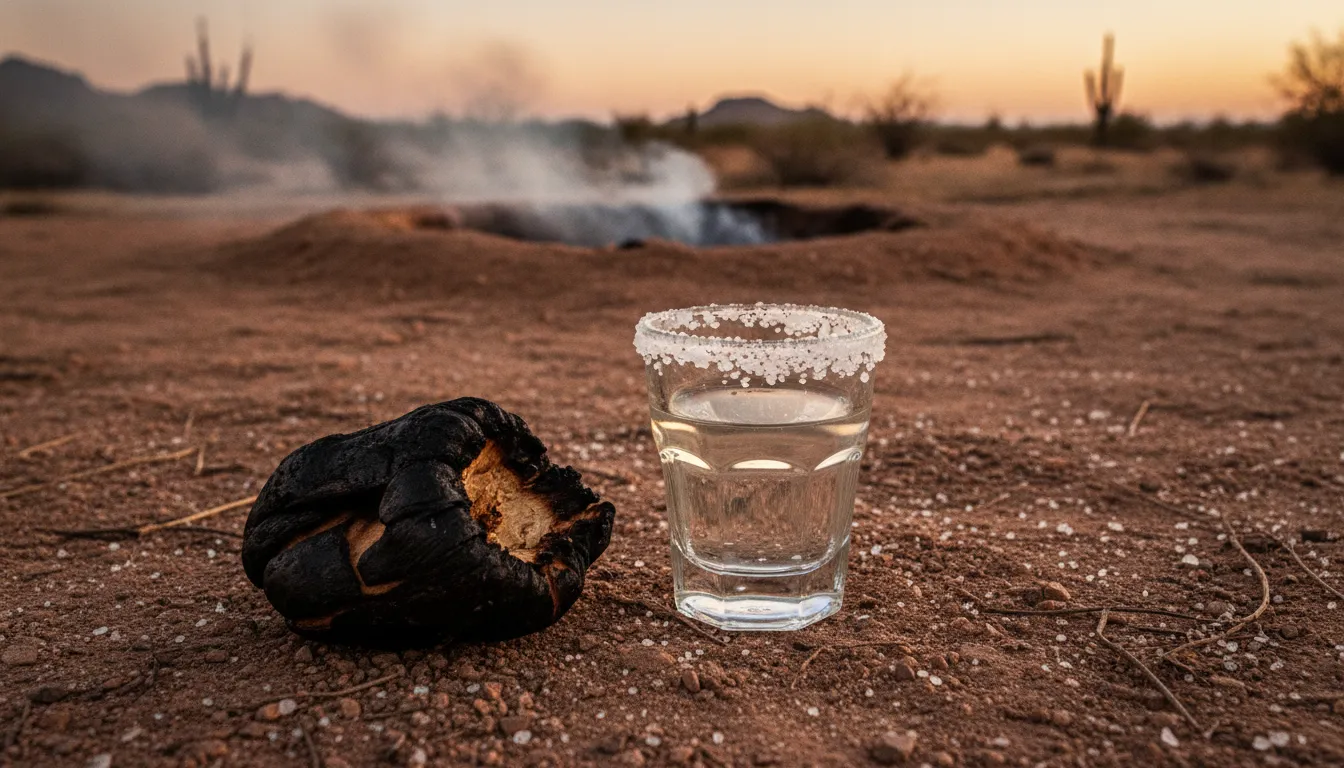
- The Pit Roast: Workers place the heavy hearts in deep, underground earthen pits. They roast the hearts over wood fires for several days to cook the natural sugars, which research shows are rich in fructans and key compounds. This step gives the spirit its light, smoky flavor.
- Crushing and Fermentation: Once cooled, workers crush the roasted hearts to pull out the sweet juice. In the past, they used large stone wheels or wooden mallets for this task. They place this juice in large open vats, where wild yeasts ferment the sugars over several days to turn them into alcohol.
- Double Distillation: The fermented liquid is distilled twice in copper stills. Distilling removes the harsh traits and leaves a clean, clear spirit. This refines the liquid, raising the alcohol strength while keeping the delicate aromas of the desert plant intact.
Earth and Smoke Character
Because makers roast the hearts in underground pits, the spirit gets a distinct, rustic style. Cooking in earthen pits is similar to traditional mezcal production, which gives the drink a light smoke. But since the plant is not agave, the flavor has a unique herbal and mineral tone. You can taste the dry soils and wild grasses in every single sip. To explore artisanal sotol, you will find that these old methods create a taste that truly tells the story of the land.
Sotol vs. Tequila vs. Mezcal: What Are the Differences?
Many people lump sotol in with agave spirits because they share a deep tie to northern Mexico. But when you look closer, the real plant split makes each of these spirits unique. Tequila and mezcal come from agave, while sotol comes from another wild plant. This split affects how they taste, where they grow, and how they are made.
Botanical origins
To see how they differ, you must first look at the plants. Tequila is made only from blue agave, a plant that growers farm across Jalisco. Mezcal makers can use dozens of agave species, which you can read about in our hierarchy of agave. But sotol does not come from agave at all. Instead, it relies on a plant that thrives in dry grasslands.
Sotol comes from the desert spoon, or Dasylirion, which belongs to another plant family. This harsh desert forces the plant to develop deep strength. Studies show that Dasylirion species thrive in arid soils, which shapes their distinct, mineral taste. The leaves have sharp teeth, making the wild harvest a true labor of love.
Production methods and regions
Though the plants differ, the way makers craft these spirits can look much alike. Mezcal and sotol makers both roast their plants in earthen pits, which adds a layer of smoke. Tequila makers often steam-cook blue agave in large ovens, giving them a cleaner, sweeter taste. These cooked sugars are then crushed and fermented to start the distillation.
The legal rules also split these three spirits. Tequila comes mostly from Jalisco, while mezcal comes from Oaxaca and eight other states. Sotol has its own legal zone, meaning real sotol must come from Chihuahua, Durango, or Coahuila. You can read our tequila and mezcal comparison to see how those two agave spirits match up. Each region has its own set of rules that preserve local craft traditions.
Taste profiles and terroir
The plant and the soil give each of these spirits their own unique voice. Tequila has a crisp, sweet agave flavor that feels bright and clean. Mezcal has a heavy, rich, smoky body that comes from the wood coals used during the pit roast. Sotol lands somewhere in the middle, showing off green, grassy, and herbal notes. It has only a hint of smoke, which lets the earthy, mineral traits of the desert spoon shine through. This makes it a great spirit to sip neat or mix in fresh cocktails.
| Spirit | Plant used | Making method | Legal regions | Flavor profile |
|---|---|---|---|---|
| Tequila | Blue agave | Steam cooked, steel or copper stills | Jalisco and four states | Sweet, bright, vegetal, clean finish |
| Mezcal | Diverse agave species | Pit-roasted, copper or clay stills | Oaxaca and eight states | Rich, smoky, earthy, highly complex |
| Sotol | Desert spoon (Dasylirion) | Pit-roasted, copper stills | Chihuahua, Durango, Coahuila | Earthy, grassy, herbal, light smoke |
How to Drink Sotol
Drinking sotol is a unique journey into the wild flavors of the Chihuahuan desert. This spirit has a complex taste with strong herbal, grassy, and green notes. You will also find a light vegetal and mineral flavor, backed by a subtle touch of smoke. Unlike agave spirits, this drink comes from a hardy plant that thrives in dry grasslands. If you want to learn what is sotol, tasting it is key. You can also compare it to related desert spirits like mezcal to see how they differ.
Sipping sotol neat
To truly enjoy the craft, you should drink sotol neat at room temperature. Sip it slowly from a small glass, just like you would a fine tequila. This lets you catch the light smells of the desert spoon plant. The plant builds up high levels of fructans and polyphenols during its long life. These chemical compounds shape the deep taste of the spirit during fermentation. You can learn more about how plant sugars affect the flavor in this study on Dasylirion plant profiles.
If neat spirits feel too strong, you can make small changes to how you serve your drink. Adding a few drops of water or a single ice cube can help open up the scents.
- With a splash of water: A tiny splash of clean water lowers the alcohol burn and highlights the bright floral notes.
- Over a large ice cube: Ice cools the spirit and slowly melts to soften the earthy finish.
- In a classic copita: Drinking from a shallow clay or glass cup spreads the liquid to let you smell the green, herbal traits.
Classic cocktail swaps
Sotol works in many drinks, so you can easily use it to replace tequila or mezcal in classic mixes. Its bright, grassy nature brings a fresh twist to a standard margarita or paloma. You can also mix it with tonic water and a squeeze of lime for a simple summer highball. To taste these recipes at home, you can explore artisanal sotol from top makers in Chihuahua.
Flavor pairings and food
Because of its unique terroir, sotol pairs well with a wide range of foods. Its crisp and vegetal body cuts through rich, savory dishes with ease. Try serving it alongside roasted meats, grilled vegetables, or soft cheeses. The mineral finish of the spirit also tames the heat of spicy salsas and rich moles. By matching the earthy tones of the desert with local Mexican foods, you can make a great meal.
Ready to taste sotol for yourself?
Frequently Asked Questions
Is sotol an agave spirit?
No, sotol is not an agave spirit. While tequila and mezcal are made from agave plants, sotol comes from a different plant called the desert spoon, or Dasylirion. According to Wine Enthusiast, the desert spoon belongs to a different family of plants. This means sotol has its own unique flavor that sets it apart from traditional agave spirits.
Does authentic sotol only come from Mexico?
Yes, authentic sotol must come from one of three specific states in northern Mexico. According to Ventanas Mexico, only Chihuahua, Durango, and Coahuila are legally allowed to use the name. This restriction is part of a Denominacion de Origen that protects the heritage of the traditional spirit.
How long does it take for a sotol plant to mature?
Sotol plants grow very slowly in the dry desert. It takes about 10 to 15 years for a wild desert spoon plant to mature before it can be harvested. According to Wikipedia, this long growth cycle means producers must harvest the plants with care to ensure the wild populations can survive for future years.
What does sotol taste like?
Sotol has a complex and bright flavor profile. Unlike the heavy smoke of many mezcals, sotol is known for its earthy, grassy, and herbal notes. As noted by Wine Enthusiast, many of these spirits have a clean and crisp finish. The exact taste depends on the species of the plant and the soil where it grew.
Is it true that sotol was once illegal?
Yes, sotol was actually illegal in Mexico for many years. According to Wikipedia, the Mexican government banned its production for much of the twentieth century. The ban was lifted in 1994, and the spirit received official name protection in 2002.
Ready to Shop Artisanal Sotol and Agave Spirits?
Because wild desert spoon plants take over fifteen years to grow in rocky mountain soil, authentic craft sotol is made in highly limited batches. If you wait to try this rare northern Mexican drink, you will likely miss the current run and face a long wait for the next harvest. Book your order today to ensure you can enjoy these deep, earthy flavors at your next gathering with zero delivery guesswork. Our curated shop makes it easy to find high-quality bottles that are shipped right to your door with great care.
Ready to contact our curated spirits team? Contact our experts today to shop artisanal sotol and agave spirits. Do not wait to taste this unique drink.