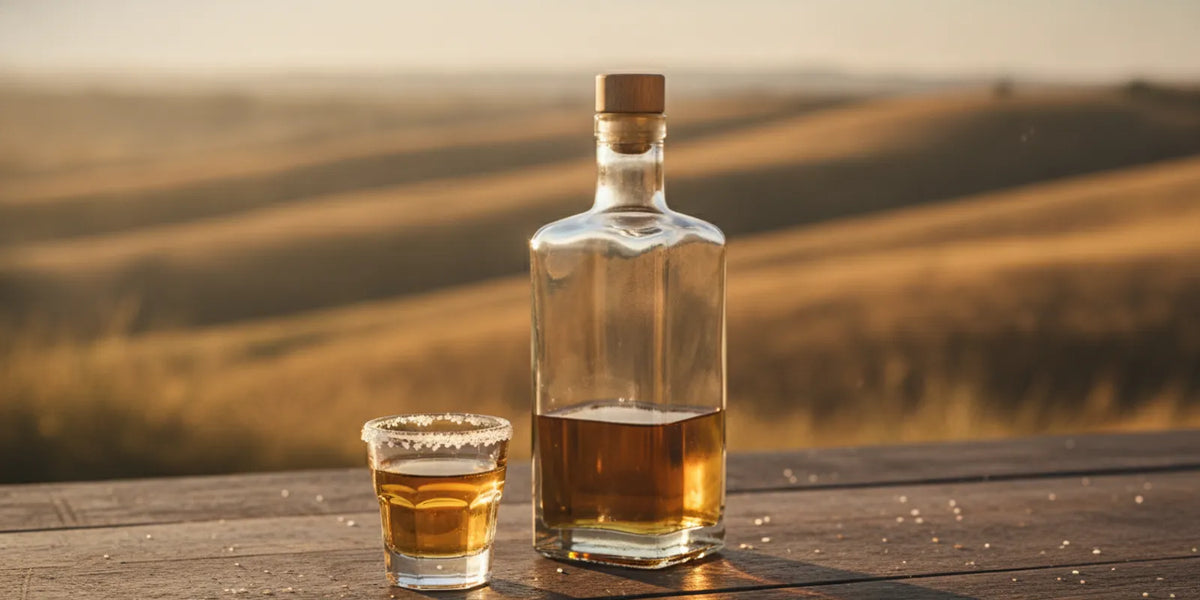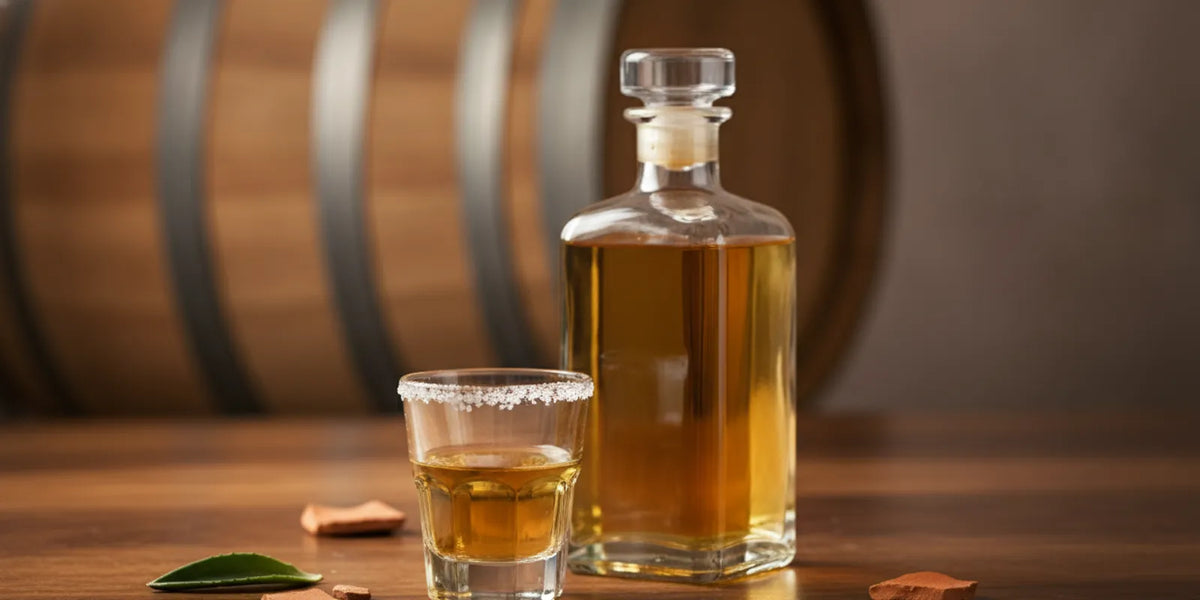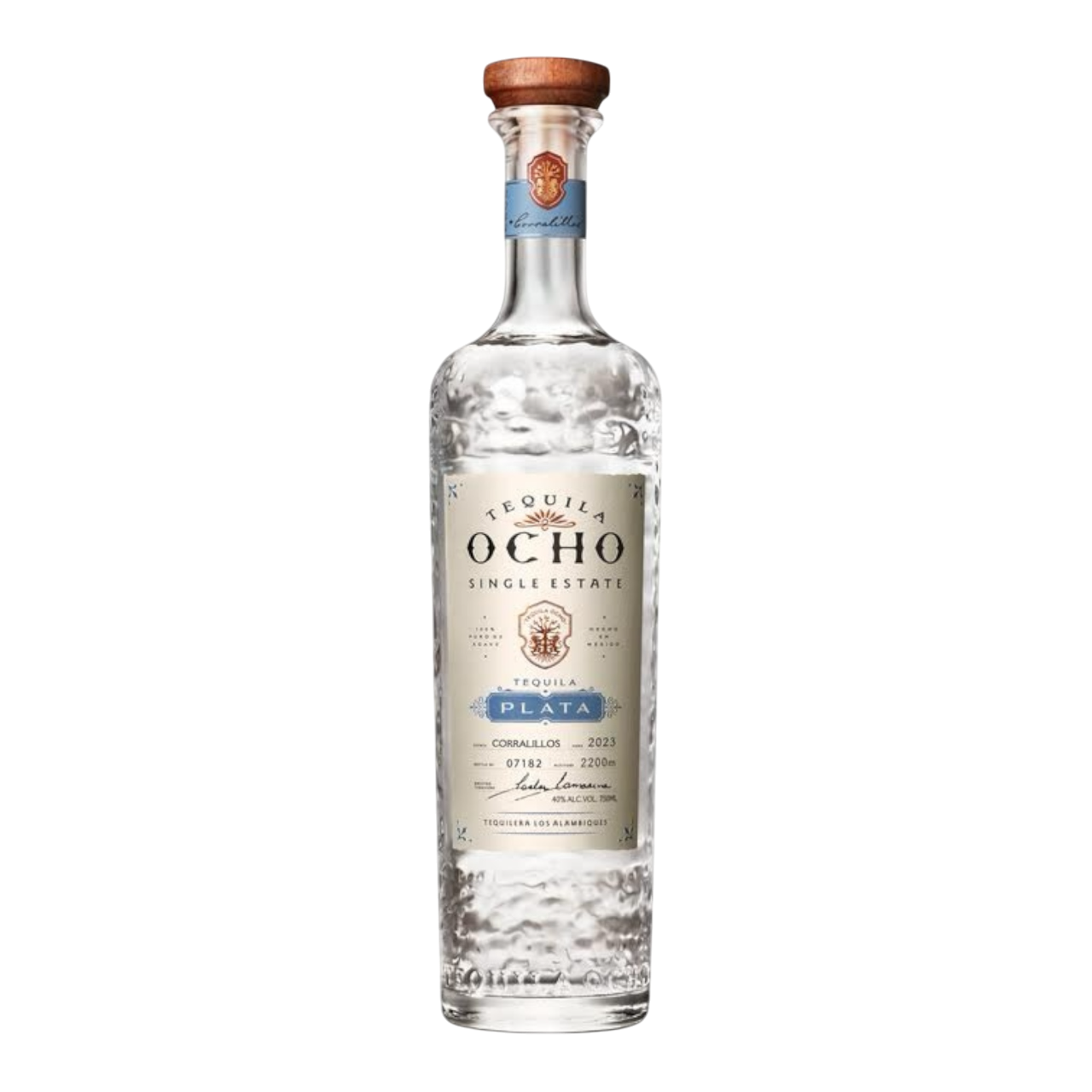
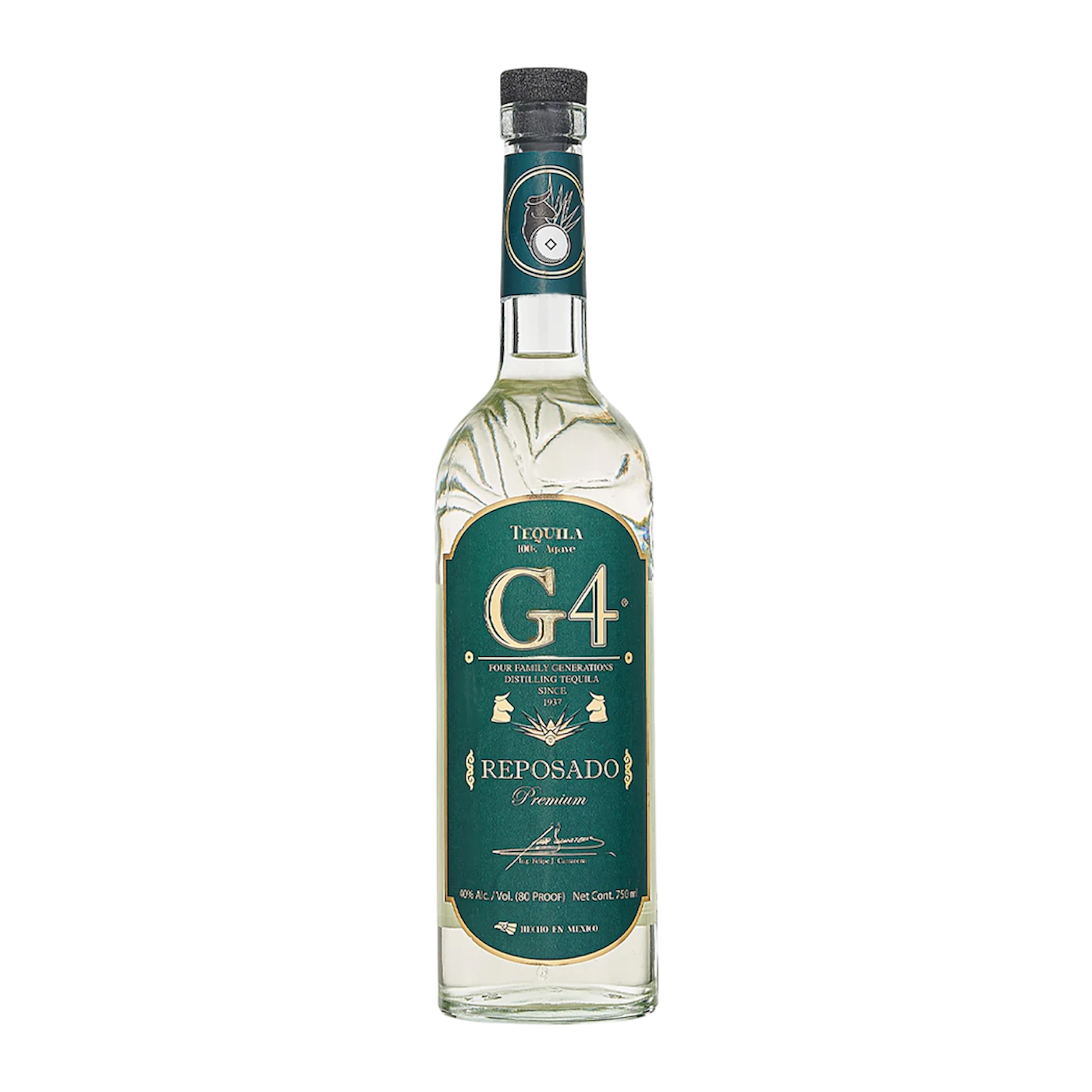
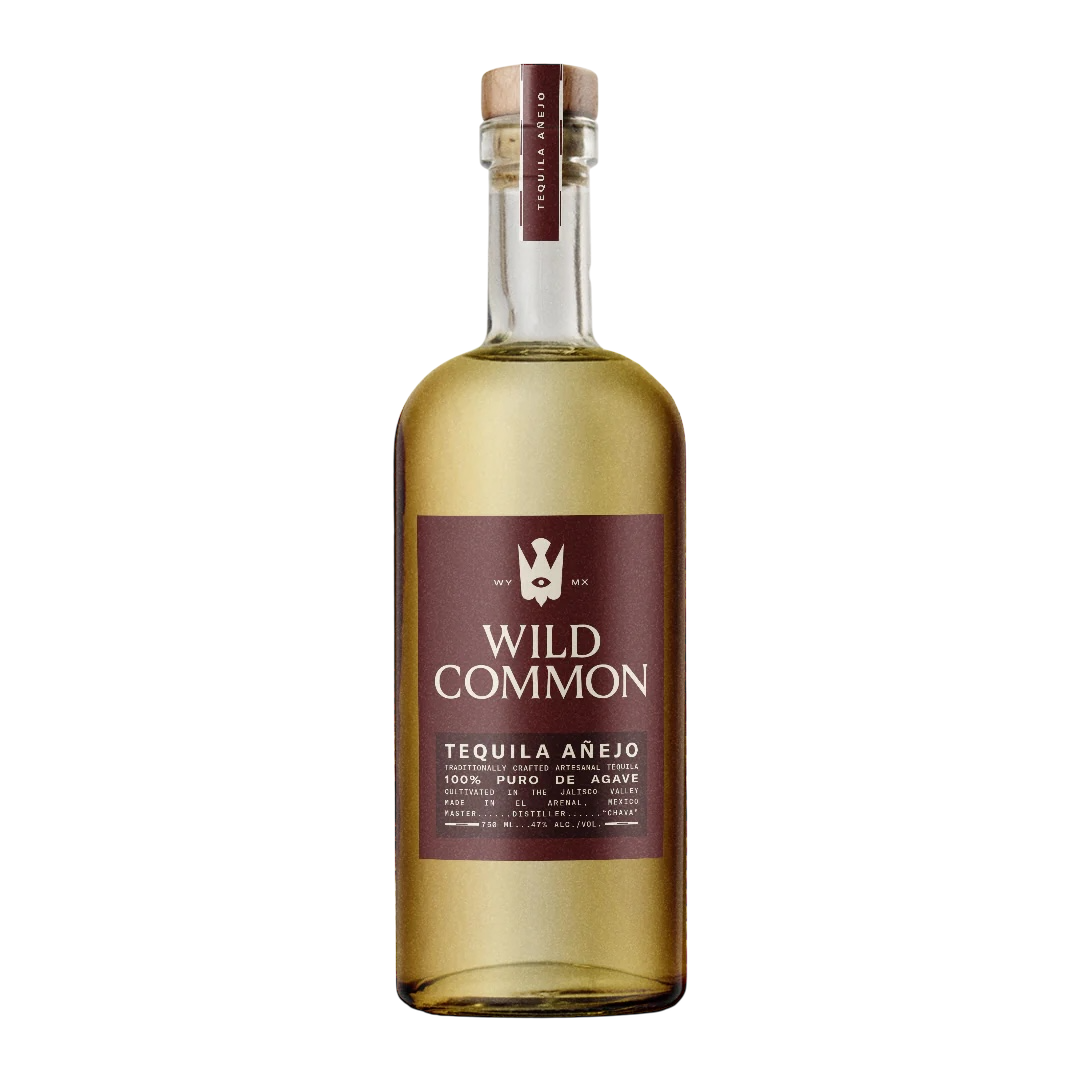
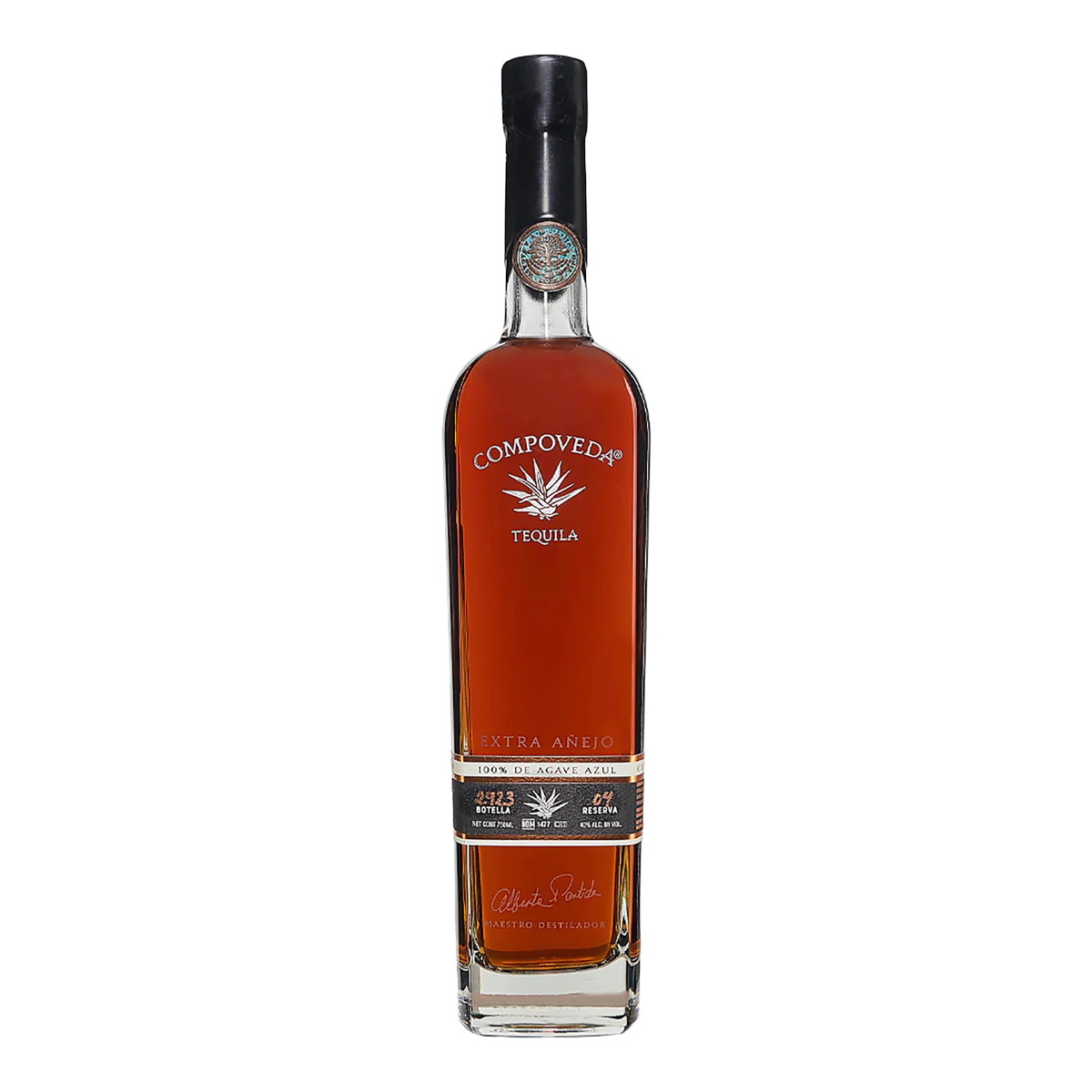
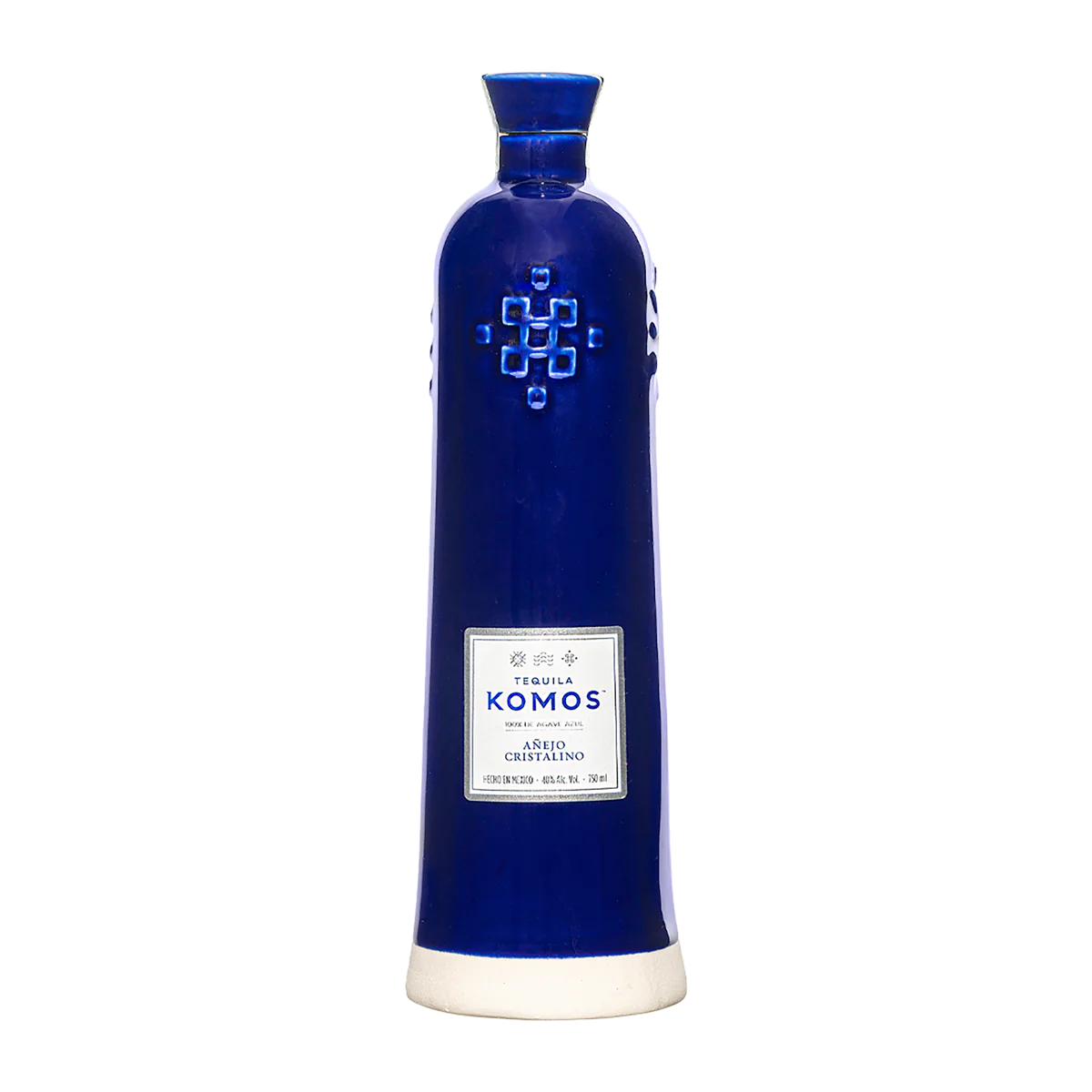
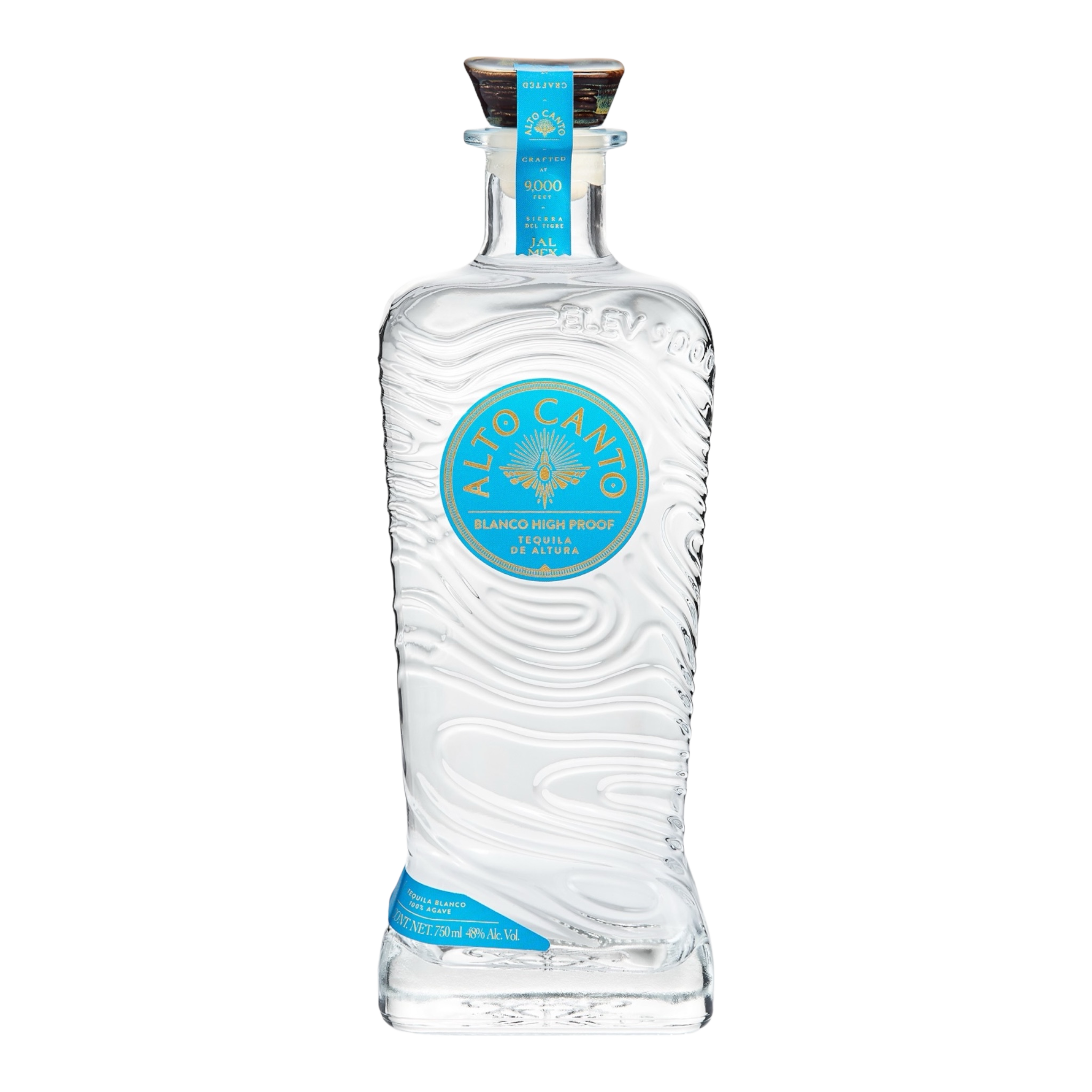





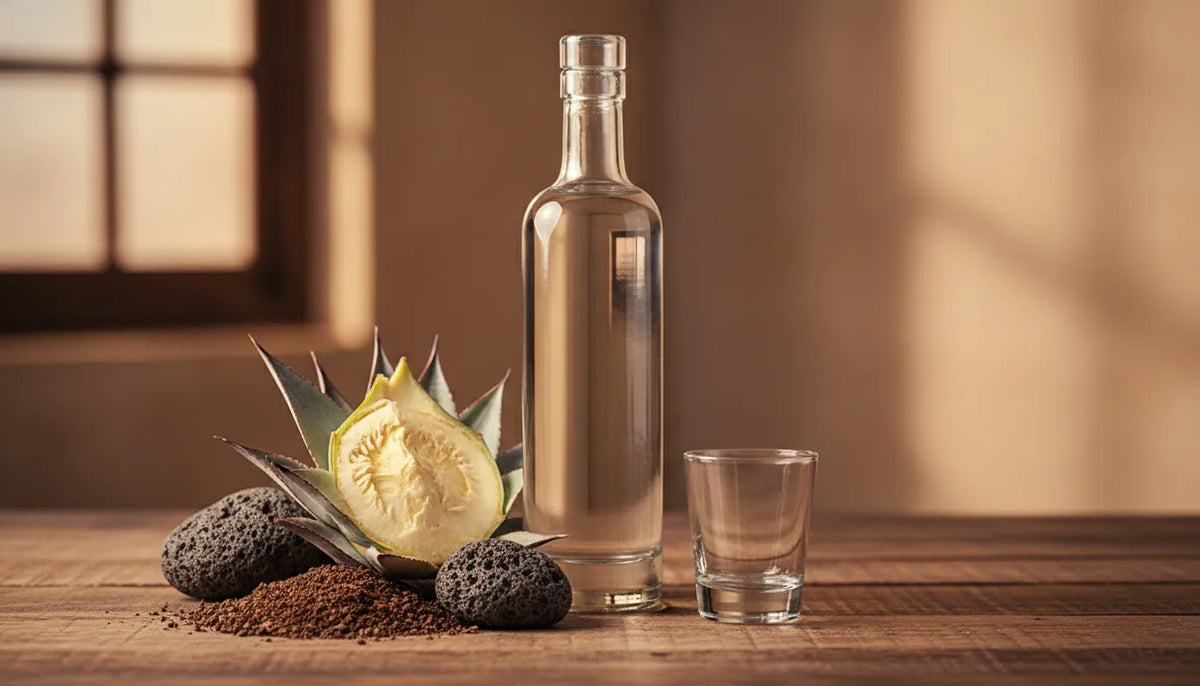
A premium tequila collection is stronger when each bottle has a clear reason to be there. For a blanco, that reason often comes from what the spirit preserves: blue Weber plant character, regional identity, and production choices that are easier to assess without barrel aging in the way.
Compare current Lost Lore expressions for your collection.
Lost Lore Valley Blanco is a blanco expression to evaluate through its Valley identity, transparency, and fit within your collection, rather than by assuming every Lost Lore release shares the same production details. In tequila terms, blanco generally means an unaged or minimally aged spirit that emphasizes blue Weber plant character. Learn more about blanco tequila.
That distinction matters because the Tequila Regulatory Council identifies tequila with a defined geographical origin, regulated production, and the blue Weber plant permitted under NOM-006-SCFI-2012. Understanding what the Valley designation means, and what it does not prove on its own, gives you a sharper basis for judging the bottle that follows.
What Is Lost Lore Valley Blanco?
Lost Lore Valley Blanco is a blanco tequila expression associated with tequila made in the Valley, or El Valle, rather than the better-known Los Altos Highlands. The word blanco describes an unaged or minimally aged tequila. Without extended barrel aging to shape its color and flavor, this style puts more attention on the cooked plant, fermentation, distillation, and regional character.
For a buyer, the important question is not simply whether the bottle says Valley. It is whether the exact release in front of you is supported by a current product listing and label details. Tequila's appellation connects the spirit to a defined geographic area, while the Consejo Regulador del Tequila explains that quality and characteristics are linked to the geographical environment. That makes regional identity useful context, but it does not guarantee one fixed flavor profile. Production choices still matter.
There is also an identity detail worth checking before you compare bottles. Sip Tequila's current Lost Lore bottle details describe the standard Lost Lore Blanco listing as a Los Altos, Jalisco tequila. That page should not automatically be treated as proof of the separate Valley release. Check the bottle name, label, NOM, and current catalog match so you do not mistake the standard Los Altos listing for Lost Lore Valley Blanco.
Use the distinction below as a quick buying filter:
- Style: Blanco is unaged or minimally aged and emphasizes blue Weber plant character.
- Region: Valley identifies a regional expression, not a guaranteed tasting note.
- Verification: Match the exact release to its label and current product page.
- Comparison: Treat standard Lost Lore Blanco details as Los Altos information unless the Valley bottle has its own supporting source.
How Should You Evaluate Lost Lore Valley Blanco's Production?
Start with evidence on the label and current product listing, not assumptions based on the word "Valley." A useful production check follows the raw material, then checks the producer identification, cooking and fermentation choices, still, and additive disclosure. That approach helps you evaluate Lost Lore Valley Blanco fairly while separating confirmed Valley details from standard Lost Lore information.
Confirm the raw material and NOM
Tequila must be made from blue Weber plant, blue Weber plant, and the CRT identifies NOM-006-SCFI-2012 as the applicable Mexican official standard. The tequila appellation covers defined municipalities in Jalisco, Michoacan, Guanajuato, Nayarit, and Tamaulipas, so a regional name alone is not a complete production specification. Review the CRT appellation explanation, then find the NOM printed on the bottle. Our guide to how to read tequila NOM labels can help you interpret that identifier.
Trace the process, then check the claim
Look for a clear account of how the raw material is cooked, how the juice is fermented, and how many times it is distilled. The standard Lost Lore Blanco listing and the brand's official production page describe mature blue Weber plants, stone or brick oven cooking, roller milling, stainless-steel fermentation tanks, champagne yeast, and double distillation in copper pot stills. Those details are useful context for understanding Lost Lore's stated method, but they should not be presented as confirmed Valley Blanco specifications unless the Valley label or a product-specific source matches them.
Apply the same caution to additive language. "No additives" is a product claim worth checking against the current label, producer information, and reliable product page. It is not the same as claiming independent certification. If a Valley-specific source does not disclose the cooking method, fermentation details, distillation setup, or additive position, record the gap rather than filling it with the standard Los Altos listing.
- plant: Confirm blue Weber plant and, where available, maturity or sourcing details.
- NOM: Match the bottle's NOM to the producer information.
- Process: Check cooking, fermentation, and distillation descriptions.
- Additives: Treat "additive-free" as a claim to verify, not a certification.
- Valley identity: Require a product-specific label or listing before assigning standard Lost Lore details to this release.
What Does Valley Mean Compared With Highland Tequila?
"Valley" and "Highland" are regional terms, not guarantees of a particular aroma, sweetness, or finish. In tequila discussions, Valley usually refers to El Valle, while Highland refers to Los Altos, the highlands of Jalisco. The distinction can help you understand a bottle's regional identity, but it should not replace the label, NOM, producer information, and tasting evidence.
The Tequila Regulatory Council explains that tequila's quality and characteristics are fundamentally linked to its geographical environment. That environment includes factors such as climate, soil, geography, and established production traditions. The broader tequila appellation covers 181 municipalities across Jalisco, Michoacan, Guanajuato, Nayarit, and Tamaulipas, so "regional" is useful context within a much larger protected category.
For a bottle identified as Lost Lore Valley Blanco, Valley is therefore best read as an indication of regional positioning. It does not prove that every raw material was grown in one narrowly defined soil type, nor does it guarantee a flavor formula. Farming choices, harvest maturity, cooking, fermentation, distillation, proof, and blending can all influence what reaches the glass. A Valley blanco may offer a different perspective from a Highland expression, but the comparison should remain curious rather than absolute.
For a deeper explanation of the terminology, see Sip Tequila's guide to Highland and Lowland tequila. When evaluating the bottle, use the region as one part of the story, then confirm what the producer actually discloses.
- Valley: commonly associated with El Valle and used as regional context.
- Highland: commonly associated with Los Altos, particularly in Jalisco tequila discussions.
- Neither term: a guaranteed shortcut for sweetness, pepper, fruit, earthiness, or body.
- Best buying practice: pair regional context with the label, NOM, production details, and your own tasting notes.
What Should Lost Lore Valley Blanco Taste Like?
Start with a small pour in a tulip-shaped glass and give it a few minutes to open. A blanco is usually the clearest place to assess cooked plant character, fermentation character, texture, and finish because it is unaged or minimally aged and emphasizes the spirit's underlying profile. For a broader primer, compare this approach with Sip Tequila's guide to blanco tequila for sipping neat.
Use the nose, palate, and finish in order
First, smell without swirling aggressively. Look for cooked plant and fresh citrus, then note whether black pepper arrives as a bright lift or a heavier spice. Take a small sip and let it move across your palate. Consider whether the raw material stays centered, how the citrus develops, and whether the texture feels crisp, oily, or hot. Finally, wait several seconds after swallowing. A clean finish can show pepper and citrus without becoming harsh, while lingering heat may be a useful observation about intensity rather than proof of quality by itself.
The current standard Lost Lore bottle details list cooked plant, citrus, and black pepper in the aroma and palate, followed by a clean, pleasantly peppery finish. Those are the verified tasting notes for the standard Lost Lore Blanco listing, which identifies the expression as Los Altos, Jalisco. They should not automatically be presented as confirmed tasting notes for a separate Valley release.
Separate the bottle evidence from the Valley story
No product-specific source currently verifies the Valley release's proof, production specifications, or exact sensory profile. Check the physical label and current catalog listing before treating any Valley-specific claim as settled. Do not transfer the standard Los Altos listing's NOM, process, additive statement, or tasting notes to Valley Blanco without a product-specific match.
For a repeatable home comparison, follow Sip Tequila's at-home tasting guide and record observations before adding water or ice.
- Aroma: cooked plant, citrus, pepper, and any unexpected notes.
- Palate: sweetness, texture, spice, and balance.
- Finish: length, cleanliness, and the shape of the heat.
- Verification: confirm Valley-specific proof, NOM, and production details from the bottle or matching listing.
How Does It Fit Beside Other Lost Lore Bottles?
The useful comparison is not which bottle is "best." It is what job each expression can perform in a collection and what the label or current product listing can actually prove. For Valley Blanco, keep that distinction especially clear: do not transfer the standard Lost Lore Blanco's Los Altos production details to a Valley release without a matching product-specific source.
How to place Lost Lore expressions in a collection| Expression | Aging and collection role | What to verify before buying |
|---|---|---|
| Valley Blanco | Blanco-style reference bottle for exploring a Valley identity and an unaged plant-led profile, if the release identity is confirmed. | Check the exact expression name, region, NOM, proof, production details, and current listing. Do not assume they match the standard Blanco. |
| Standard Lost Lore Blanco | Unaged Los Altos reference point that keeps cooked plant, citrus, and pepper in the foreground. | Review the Lost Lore Blanco bottle details, which identify the current listing as Los Altos Highland and provide its production information. |
| Lost Lore Reposado | Barrel-aged bridge between a bright blanco and a more oak-shaped sipping pour. | Confirm the current aging statement and whether the flavor profile's oak character suits a collection that already has several blancos. |
| Lost Lore Anejo | Longer-aged, richer counterpoint for collectors who want cooked plant alongside oak and vanilla-led notes. | Verify the current aging and release details, then decide whether it adds a new category rather than duplicating another aged tequila. |
The brand's official expression overview supports a broad lineup distinction: its standard Blanco is presented as unaged, while Reposado and Anejo include used American white oak barrel aging. Those are useful category markers, not proof of every Valley Blanco specification. For the latest lineup and availability, compare the other Lost Lore expressions directly.
- Choose Valley Blanco for a region-focused question that you can answer from the bottle and current listing.
- Choose standard Blanco as the clearest Los Altos baseline in the lineup.
- Add Reposado or Anejo when your collection needs barrel influence rather than another unaged reference.
That approach also keeps the purchase purposeful. A collector's shelf benefits from contrast: regional identity, age category, and production choices should each give you a reason to reach for a different bottle. For a broader framework, use this collector's guide to tequila bottles.
How Do You Decide if It Belongs in Your Collection?
A premium collection should have a point of view, not simply more bottles. Use the same disciplined check for a regional blanco that you would use for any distinctive or limited release: establish what is in front of you. Understand the evidence, taste it without preconceptions, and decide what job it performs on your shelf.
-
Confirm the expression:
Start with the bottle, not a retailer description or a remembered review. Confirm that the label identifies the expression as Lost Lore Valley Blanco and that the listing you are considering matches it. The general Lost Lore Blanco bottle details page is identified as a Los Altos Highland listing, so do not automatically treat its specifications as proof of Valley Blanco identity. For broader context, compare the other Lost Lore expressions in the current collection.
-
Read the label and NOM:
Look for the producer, expression, origin language, and NOM before assigning the bottle a place in your collection. A NOM is the identifier for the certified distillery responsible for production, making it a useful starting point for research rather than a flavor guarantee. Use this guide to read tequila NOM labels, then separate verified product facts from assumptions about Valley production. Tequila's appellation ties its quality and characteristics to geographical environment, but regional language alone does not establish every production detail.
-
Taste it neat, then with dilution:
Pour a small measure and taste it neat before adding a few drops of water. Notice cooked plant, texture, pepper, citrus, sweetness, heat, and the length of the finish. Then ask whether the bottle stays expressive as the spirit opens up. A structured taste tequila at home method helps you record what the bottle actually does instead of relying on its regional story or packaging.
-
Assign its collection role:
Finally, decide what it adds that you do not already own. It might represent a Valley perspective, give your blanco shelf a distinct point of comparison, or serve as a bottle for focused sipping rather than cocktails. If it fills a real gap and you can explain why it belongs beside your existing bottles, it earns consideration. If it repeats a profile or role you already have, wait. The build a premium tequila collection guide can help you make that decision with the whole shelf in view.
Explore the Lost Lore collection and compare the expressions currently available.
How Should You Serve and Compare a Blanco?
Use three pours to see how a blanco behaves: neat, with a small amount of dilution, and in a simple cocktail. This sequence helps you separate the spirit's own character from the way it responds to temperature, water, citrus, and other ingredients. It is also a fairer method for evaluating Lost Lore Valley Blanco when product-specific tasting details are limited.
Start neat
Pour a modest amount into a clean glass and let it rest briefly. Notice the aroma before tasting, then take a small sip and look for balance, texture, sweetness, spice, and the length of the finish. Do not force a regional conclusion from one sensory impression. The current standard Lost Lore Blanco listing describes cooked plant, fresh citrus, and black pepper. But those notes should not be assigned to a Valley release unless its own product information confirms the match.
Add a little water
Add only a few drops, swirl, and taste again. A small dilution can soften alcohol heat and make aromas easier to identify. Compare what becomes clearer, not what you think you are supposed to find. If the spirit loses definition quickly, that is useful information for deciding whether you prefer it neat or mixed.
Try a simple cocktail
Use a classic Margarita or another restrained highball with measured ingredients. A good blanco should remain present beside citrus, sweetness, and dilution rather than disappearing entirely. Keep the recipe consistent if you are comparing bottles. For more practical guidance, use this at-home tequila tasting guide, then browse blanco and plata tequilas for a broader comparison set.
- Neat: evaluate aroma, texture, blue Weber plant character, and finish.
- Diluted: check whether water reveals detail or only reduces heat.
- Mixed: test structure, clarity, and presence in a simple cocktail.
Frequently Asked Questions
What is Lost Lore Valley Blanco tequila?
It is a blanco expression presented for evaluation by its regional identity, production evidence, and role in a collection. Blanco tequila is generally unaged or minimally aged, so the raw material and distillation character are more exposed than in reposado or anejo. Confirm that the bottle label and current product listing specifically identify the Valley release before treating standard Lost Lore Blanco details as proof of its specifications.
How is Lost Lore Valley Blanco made?
Start with the label and NOM, then verify the release-specific details. Tequila is made from blue Weber plant, blue Weber plant, under the tequila appellation framework administered through NOM-006-SCFI-2012. The appellation covers municipalities in five Mexican states, and regional conditions can affect character. See the Consejo Regulador del Tequila's appellation guidance. Standard Lost Lore materials describe oven cooking, champagne yeast, and copper-pot double distillation, but those details should not be assigned to Valley Blanco without a matching source.
What does Lost Lore Valley Blanco taste like?
Taste it neat first, then add a small amount of water and compare the finish. Look for cooked-plant character, citrus, pepper, texture, and balance rather than expecting a fixed regional flavor formula. The current standard Lost Lore Blanco listing describes cooked plant, citrus, black pepper, and a clean peppery finish; treat those as standard-listing notes, not verified Valley-specific tasting notes.
How is it different from Lost Lore Highland tequila?
The key difference to investigate is regional origin. Valley and Highland tequila come from different environments, and terroir can influence raw material and finished character, but region does not guarantee one universal flavor profile. Compare the labels, NOM information, production notes, and your own tasting impressions. That evidence is more useful for a collection than relying on a simple "Valley tastes like this" rule.
Is Lost Lore Valley Blanco additive-free?
Do not assume the standard Lost Lore claim automatically verifies the Valley release. The brand's standard materials describe its expressions as made without additives, but the exact Valley bottle should be checked against its current label or product-specific documentation. For a collector, record the source and date of that verification, and distinguish an additive-free claim from a separately verified certification.
Ready to Compare Lost Lore Expressions?
Explore the Lost Lore collection and compare current expressions.