




Luxury tequila is a bottle you choose for a reason, not a price tag you hope will do the work for you. The useful test is simple enough to use in a store. Match the occasion, pick an official class, then read the label for clues you can actually check. A polished bottle can still be the wrong pour if you wanted bright agave and got oak, or wanted a gift and got a daily sipper.
This guide is a decision sequence, not another brand ranking you have to decode. You will leave with one bottle type, a short checklist, and a live comparison you can shop today. If you want a collector list instead, start with our guide to luxury tequila brands and come back here when you are ready to choose one bottle.
What Should Luxury Tequila Do for You?
Start with the night you have in mind, not with the most expensive shelf in the shop. A bottle for a toast, a bottle for slow sipping, and a bottle you open on a Tuesday are three different purchases. Luxury only helps when the liquid in the glass matches that job.
Ask three questions before you compare prices:
- Who is drinking it? A guest who likes whiskey often enjoys oak and vanilla. A guest who likes bright spirits often prefers blanco.
- How will it be served? Neat in a small glass, over one cube, or in a simple highball. Heavy mixers hide the details you are paying for.
- Is this a one-time gift or a bottle you will finish? Presentation matters more for a gift. Flavor and honesty matter more for a bottle you keep.
Write the answer in one plain line before you open a product page. A gift for someone who sips neat is a better brief than something expensive. That single line decides the class in the next section.
In short: Name the occasion first, because luxury tequila earns its place only when the pour, the guest, and the bottle all point the same way.
Which Official Class Fits the Pour?
Mexico does not sell a legal grade called luxury, even when the price looks like one. It does define classes by time in oak, and those classes are the part you can trust. The official standard, NOM-006-SCFI-2012, sets the minimums the Tequila Regulatory Council uses when it certifies a bottle.
Use those minimums as a menu of flavors, not as a ladder you must climb. Longer aging is not automatically a better luxury tequila. It is a different flavor, and sometimes it is the wrong one for the night.
| Class. | Minimum oak time. | What you usually taste. | Best job. |
|---|---|---|---|
| Blanco or plata. | Unaged, or under two months. | Cooked agave, citrus, pepper, and mineral notes. | A bright pour, or a clean gift for agave fans. |
| Reposado. | At least two months. | Agave plus light vanilla, caramel, and spice. | The safest shared bottle for mixed company. |
| Anejo. | At least one year. | Oak, dried fruit, baking spice, and softer agave. | After-dinner sipping, or a whiskey drinker's gift. |
| Extra anejo. | At least three years. | Deeper oak, cocoa, dried fruit, and a long finish. | A special toast, or a bottle you open slowly. |
Gold or joven is a separate class. It can be a mix of blanco with an aged tequila. Do not treat "gold" on a label as proof of long aging. If the label does not name blanco, reposado, anejo, or extra anejo, ask before you pay a luxury price.
A practical split:
- Choose blanco tequila when you want the agave itself to be the point.
- Choose reposado when several people will share one bottle.
- Choose anejo when the guest already likes barrel-aged spirits.
- Choose extra anejo when the occasion is rare and the pour will be neat.
Our extra anejo guide covers the three-year class in more depth. Use it after you decide the class, not before.
In short: Pick the class that matches the pour, since extra time in oak changes the flavor and does not, by itself, make the bottle more luxurious.
How Do You Read a Luxury Tequila Label?
Once the class is set, the label becomes your quality filter. You are looking for facts a producer can be checked on, not for adjectives that could sit on any bottle.
Work down this list on any bottle over a casual price:
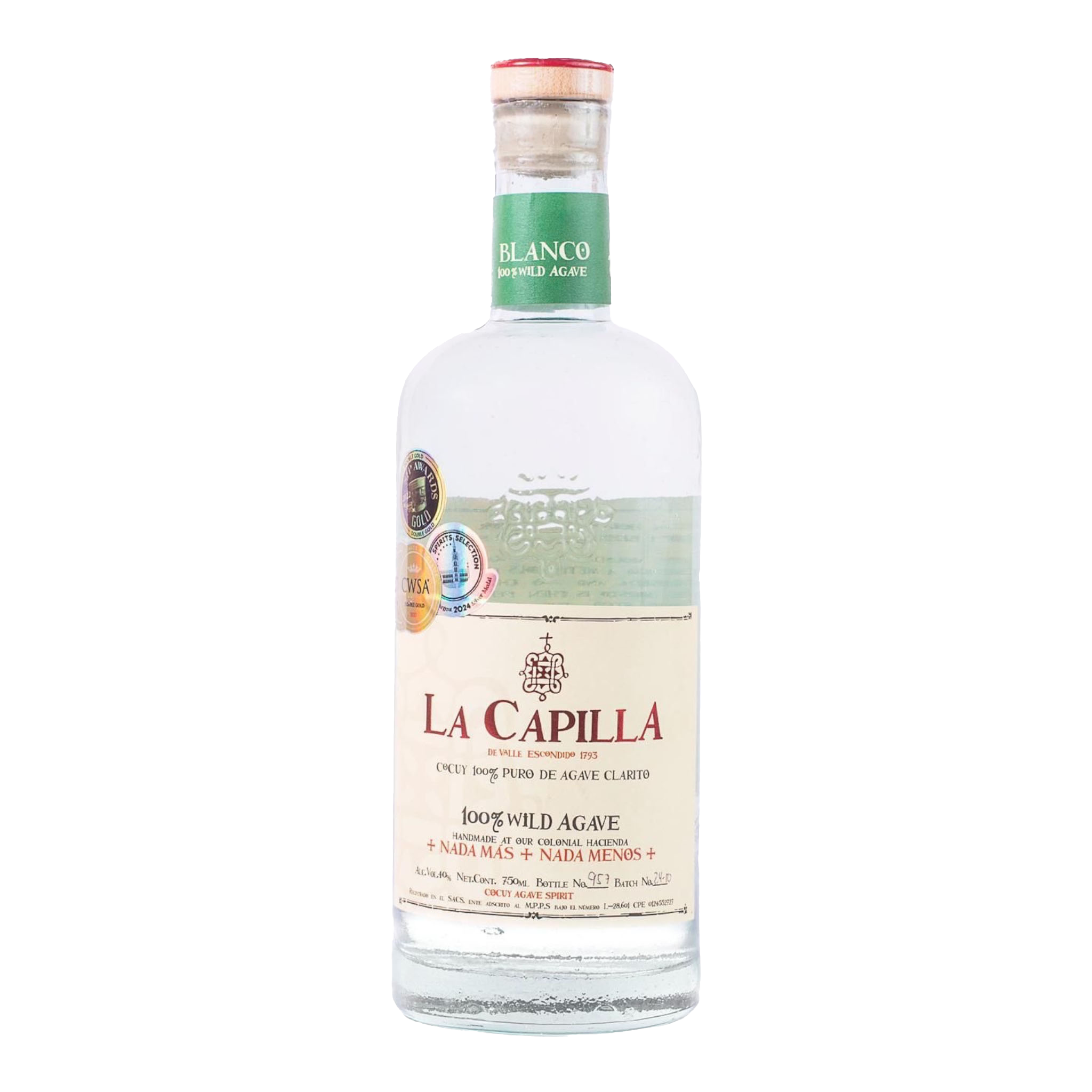
- 100% agave. Luxury tequila should say 100% de agave, or 100% blue Weber agave. If it only says tequila, it can include other sugars. Put it back.
- The class, spelled out. Blanco, reposado, anejo, or extra anejo. "Reserve," "private barrel," and "ultra premium" are marketing. They are not classes.
- A NOM number. The four-digit NOM ties the bottle to a licensed distillery. Our NOM lookup guide shows how to read it. A missing NOM is a reason to walk away.
- Where it was made. Tequila has a denomination of origin. Jalisco is the heart of it, with limited areas in a few neighboring states. A label that hides the origin is not doing luxury work.
- Aging stated as time, not mood. "Rested" is vague. "Aged 14 months in American oak" is useful. Match that number to the class minimums above.
- Additive clues, when you care. The rule allows some additives within limits. If you want a bottle without them, shop the additive-free collection and read the product notes. Do not call a bottle certified additive-free unless the producer states that standard.
Skip the bottle shape as proof of what is inside, because a heavy glass and a wooden box can be lovely and still be the whole story. If the six checks above are thin, the luxury is mostly packaging.
Two more tells help once you are on a product page.
- The description names a process you can picture, such as stone or brick oven cooking, tahona or roller milling, or a specific still.
- The flavor note is specific. Cooked agave, black pepper, and light oak beats a vague line about being smooth and premium.
In short: 100% agave, a real class, a NOM, a place, and a time in oak. If those five are missing, the price is not a reason to buy.
How Should You Compare Bottles on the Shelf?
Compare three bottles in the same class before you check out of the shop. Staying in one class keeps the test fair, because the oak time is no longer a hidden variable. A blanco near fifty dollars and an extra anejo near two hundred dollars are not rivals. They are different drinks with different jobs.
Use the same four columns every time:
- Class and stated age. Confirm it clears the NOM minimum, then note any extra time.
- Agave and process. 100% agave is the floor. Oven, mill, and still details are the bonus.
- How you will drink it. Neat, one rock, or a short highball. Kill any bottle that only makes sense in a sweet mixer.
- Price per role, not price per flex. An extra anejo you will open is a better luxury buy than a showpiece you are afraid to touch.
Here is a live slice from Sip Tequila, checked against current catalog prices. Use it as a pattern, then sort the collection that matches your line from the first section.
| Bottle. | Class. | Price. | Choose it when. |
|---|---|---|---|
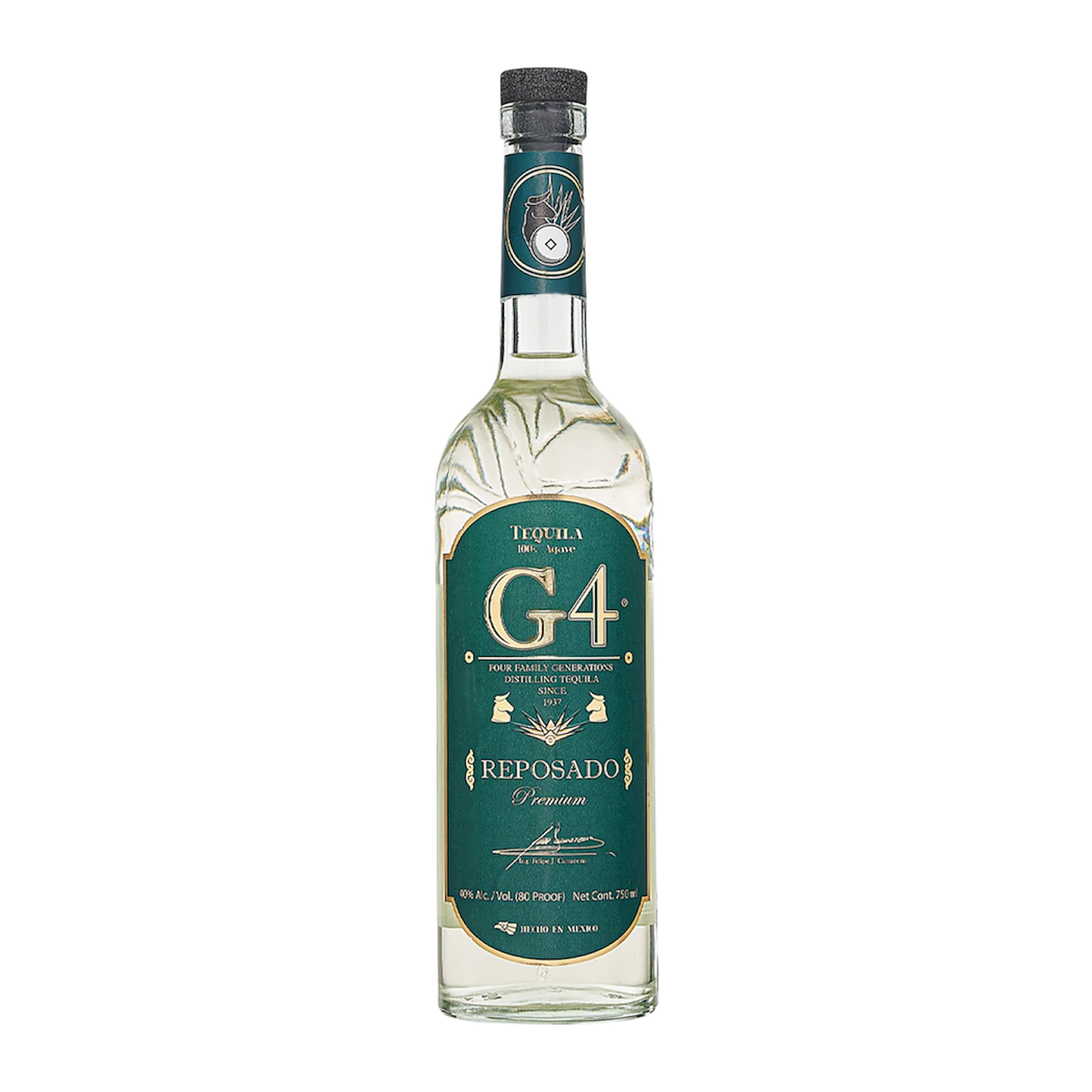
| G4 Blanco. | Blanco. | $49.99. | You want cooked agave, not oak, and a bottle you will finish. |
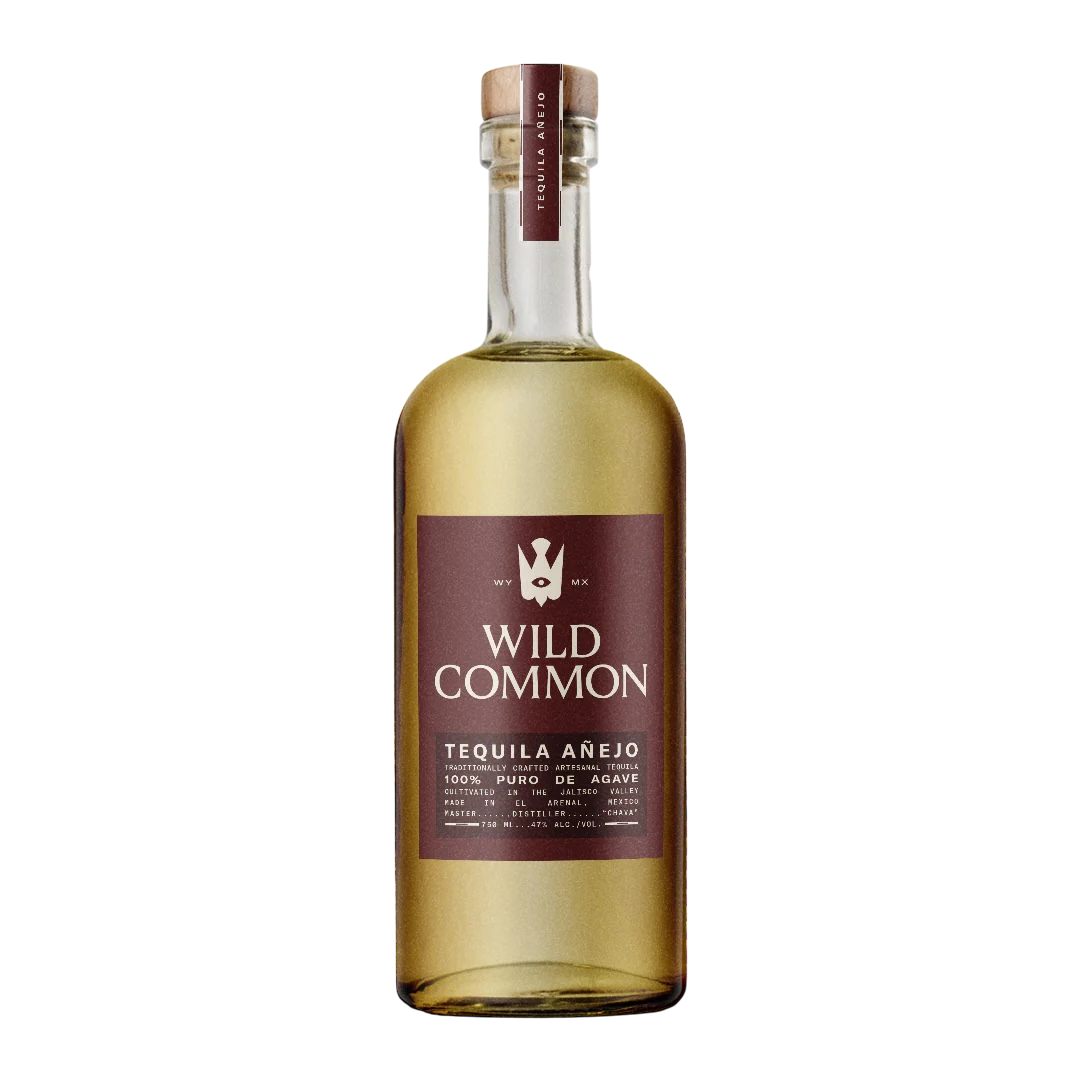
| Wild Common Reposado. | Reposado. | $64.99. | You need one bottle for guests who like different styles. |
| ArteNOM Seleccion 1146 Anejo. | Anejo. | $119.99. | The drinker likes barrel spice and you want a step up. |
| Cava de Oro Extra Anejo. | Extra anejo. | $89.99. | You want the three-year class without a collector price. |
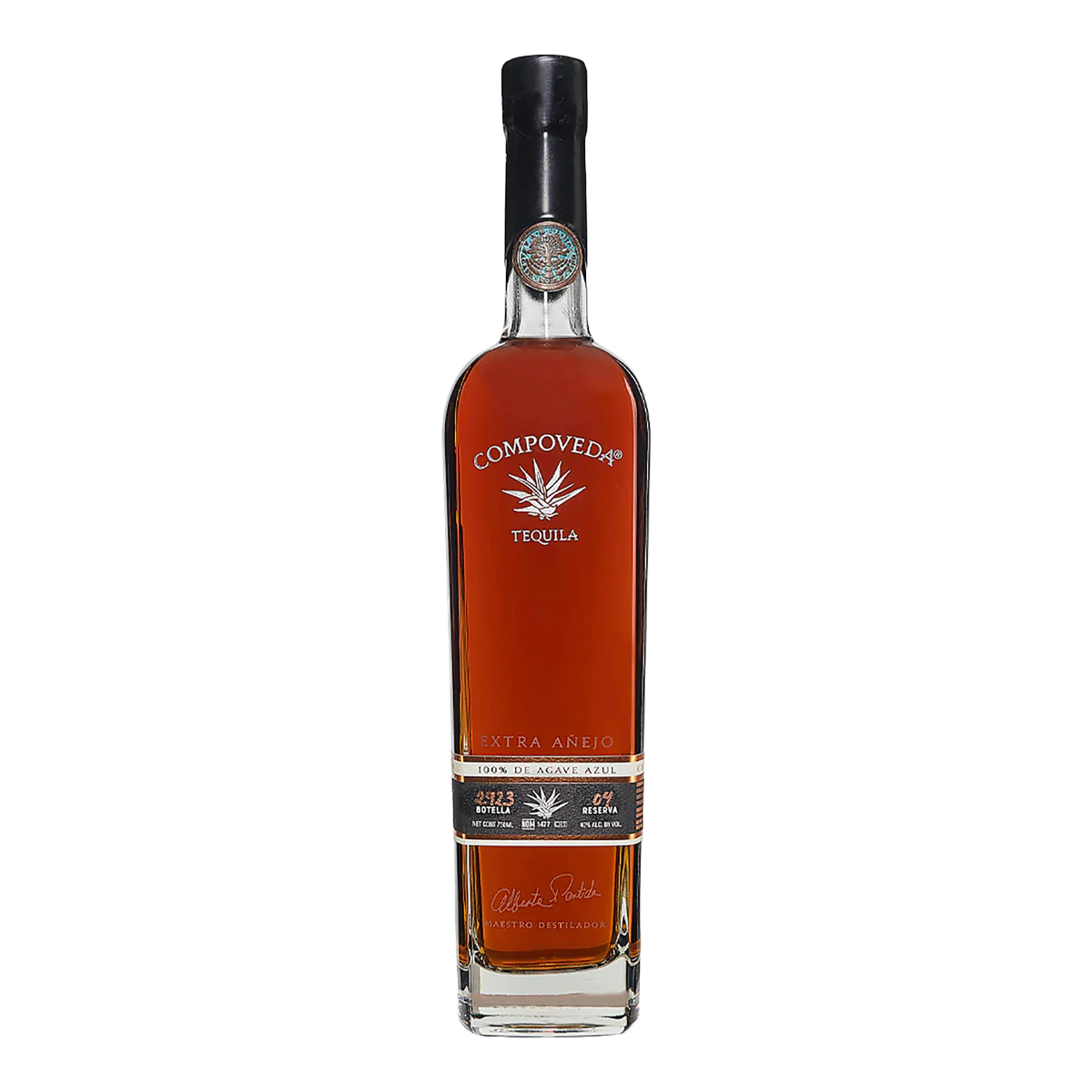
| Compoveda Extra Anejo. | Extra anejo. | $189.99. | The night is a toast and you want a 750ml to open slowly. |
| San Matias Rey Sol Extra Anejo. | Extra anejo. | $274.99. | You want a dressed extra anejo, and the guest will sip it neat. |
Prices move, so open the product page before you treat a number in this table as final. If a bottle is gone, stay in the same class and rerun the four columns rather than upgrading into a different class just because it is in stock.
For a gift, add one practical check before you pay. Engraving and a gift box help when the person will see the bottle before they taste it, but they do not fix a class mismatch. If you want a ready presentation, look at bottles sold with glasses, then still confirm the class on the label.
In short: Compare three bottles in one class across four columns, and let the winner be the one that fits the pour rather than the one with the highest price.
When Is a Higher Price Actually Worth It?
Pay more only when you can name the extra thing you are actually getting in the glass or in the gift. In luxury tequila, that extra thing is usually one of three: more time in oak inside the same class, a scarcer release, or presentation you will use.
Worth it:
- The age statement is longer than the class minimum, and you like oak.
- The release is limited and you already like the producer's regular bottle.
- The set includes glasses or a box you will actually give to someone.
Not worth it, on its own:
- A heavier bottle with the same class and no extra detail.
- Words like reserve, luxury, or ultra with no NOM, no class, and no time in oak.
- A price that makes you save the bottle forever. Unopened tequila is not a plan. It is a delay.
A current example of the spread shows how wide luxury pricing gets. Cava de Oro Extra Anejo is $89.99. Compoveda Extra Anejo is $189.99. A limited Clase Azul Dia de los Muertos edition is $2,199.99. All three can be called luxury in a shopping sense. Only you know which extra you are buying. The limited bottle is a different decision from a Tuesday extra anejo. Our limited release collection is the right shelf for that second decision.
If the question in your head is what you are paying for, line by line, that belongs in a price article rather than this one. Stay here until you know the class, then compare two product pages inside that class.
In short: A higher price is worth it when the extra age, the rarity. Or the presentation is something you will use, and if you cannot name that extra, do not pay it.
What Should You Do the Night You Open It?
Luxury tequila shows more of itself in a small glass than it does in a mixed drink. You do not need a ceremony or special gear to learn that. You need a clean glass, a short pour, and about a minute of attention.
- Use a small tulip glass or a copita if you have one. A wide tumbler lets aroma escape.
- Pour about an ounce. Add a drop of water only if the alcohol smell blocks the agave.
- Smell once with your mouth slightly open, then sip and hold it for a second.
- Note three things: agave, oak, and finish. If oak covers everything, you may want a younger class next time.
- Close the bottle and store it upright, away from heat and sun. Aging happened in the barrel, not on your shelf.
Serve food that does not shout over the glass. Salty nuts, dry cheese, or dark chocolate let an anejo or extra anejo finish, while citrus and seafood make more sense with blanco. Save the full pairing playbook for later, and tonight just notice whether you would buy this class again.
If you are buying for someone else, include the class in the note you send with the bottle. Extra anejo made to sip neat is kinder than assuming they will already know the style. A bottle they mix into a sweet drink is not a failed gift, because it is a clue for the next bottle you choose.
In short: Use a small glass, a short pour, and three notes, then store the bottle upright so the second glass can tell you whether the class was right.
Frequently Asked Questions
What is luxury tequila?
Luxury tequila is a shopping term, not an official class. Use it for a 100% agave bottle you chose on purpose, with a clear class, a NOM, and a reason for the price. The legal classes are blanco, reposado, anejo, and extra anejo.
Is extra anejo the same as luxury tequila?
No. Extra anejo means the tequila aged at least three years in oak under NOM-006. That makes it a strong luxury candidate for neat sipping. A well-made blanco can be a better luxury buy if you want agave more than oak.
Does a higher price mean better tequila?
Not by itself. Price can reflect longer aging, a smaller release, or packaging. Read the class, the age, and the NOM before you let the number decide. Compare three bottles in the same class.
What should I look for on the label?
Look for 100% agave, the class name, a NOM number, the place it was made, and a stated time in oak. Words like reserve or ultra premium do not replace those facts.
How should I serve a luxury bottle?
Pour a small amount in a tulip glass and taste it neat first. Skip sweet mixers until you know the flavor. Store the rest upright, cool, and out of sunlight.
Browse best sellers and choose your bottle