



What is the difference between tequila and mezcal? Both are Mexican distilled spirits made from agave, but they are separate regulated categories with different permitted plants, production rules, and origins. Tequila must use blue Weber agave and come from its designated denomination-of-origin area. Mezcal follows a separate denomination and can use a range of permitted agave species. Neither is one fixed flavor: the bottle, producer, and process matter.
What is the main difference between tequila and mezcal?
The key distinction is regulatory, not simply taste. Tequila is a specific category with blue Weber agave and defined production areas. Mezcal is another protected category with its own permitted territory and rules. The word “mezcal” has also been used historically in a broader way for agave spirits, which helps explain why people sometimes call tequila a kind of mezcal. On a current bottle, however, tequila and mezcal identify different categories.
- Tequila: Blue Weber agave, produced in authorized areas under tequila rules.
- Mezcal: Permitted species and production methods within the mezcal denomination framework.
- Both: Distilled spirits whose character can reflect the plant, cooking, fermentation, distillation, and maturation.
That distinction is useful when browsing, but it does not tell you whether a bottle will suit your palate. Think of the category as a starting point. Then investigate the expression and production details. A strongly smoky impression is not a dependable definition of mezcal, and a mellow tequila is not automatically more authentic than a bright one.
For a quick decision, separate three questions: what category is on the label, what was used to make the spirit, and how does the product description say it was produced? The first helps establish the rules; the latter two offer clues about style. Keeping those questions apart prevents a common shortcut: treating a single aroma or a broad marketing word as proof of what the whole category must taste like.
Where do the two spirits come from?
Each name is tied to a protected geographical origin in Mexico. Tequila has its own designated territory, centered on Jalisco and including authorized municipalities elsewhere. Mezcal’s authorized territory is separate. An agave spirit made outside the relevant area should not be assumed to qualify under either name just because it uses the same raw material.
The Consejo Regulador del Tequila offers an official overview of tequila and its category. Use the regulator’s information when you need to understand what the name represents; for a specific legal interpretation, consult the applicable authority rather than relying on a tasting note or retailer description.
Place can add context to a bottle. A label or product page may name a state, town, producer, or facility. Those details can help you compare two spirits and learn about their origins, but they do not function as a simple quality score. A location name alone cannot tell you how the spirit was cooked, fermented, distilled, or how it will taste.
- Confirm whether the bottle is labeled tequila or mezcal.
- Note any stated place of production, producer, and facility details.
- Use origin to ask better questions, not to assume a flavor or quality level.
For example, if two bottles both name a Mexican state, do not conclude they share the same category or production rules. Check the category first, then record the place and producer as context. If those details are not provided, treat that as a question to investigate rather than filling in the gap yourself. A careful comparison distinguishes what the label states from what you infer.
How do agave and production shape flavor?
Tequila’s required plant is blue Weber agave. Mezcal may be made with different permitted species, depending on the producer and applicable rules. Species can differ in their growth patterns and in the character they bring to a finished spirit, but no single tasting descriptor follows automatically from the plant name.
Cooking is one of the process choices people most often associate with the difference. Some mezcal traditions cook agave in underground pits, where smoke can contribute to the final impression. Tequila producers commonly use ovens or other equipment. These are broad patterns rather than universal instructions: methods vary, and not every mezcal is heavily smoky. The academic review “Tequila and mezcal distillation technology: Similarities and differences” discusses how production approaches differ and why the categories should not be reduced to one process.
After cooking, fermentation and distillation provide more points of variation. Yeast, fermentation vessels, still design, distillation choices, and any maturation all influence aroma, texture, and finish. That is why two bottles in the same category can feel very different. If a product description provides those details, treat them as clues to investigate rather than a guarantee of a particular sensation.
Flavor notes are clues, not rules
- Tequila may show cooked agave, citrus, pepper, herbs, or oak when aged.
- Mezcal may show cooked agave, fruit, mineral, earth, herbs, or smoke.
- Either category can taste subtle or expressive depending on the bottle and process.
For a cleaner comparison, taste small pours at room temperature and give each a moment in the glass. Smell before sipping. Notice the first aroma, the flavor at the middle of the sip, and what remains afterward. If you taste several bottles at once, use water between samples and avoid letting a single vivid note stand in for the entire category.
It can help to translate a product description into questions you can test. “Citrus” means you might look for a bright aroma or lively impression; “earthy” suggests you can pay attention to savory or mineral notes; “oak” prompts you to notice whether wood is present in aroma and finish. These are listening prompts, not a scoring system. If your own notes differ from the listing, your experience is still useful: record it plainly and use it to guide your next choice.
Also keep maturation separate from category. Aged tequila can develop wood-related aromas, while an unaged example may foreground other characteristics. Mezcal expressions also vary, so a tasting note or maturation detail should be checked for the individual bottle rather than assumed from the word mezcal. When comparing, try bottles with similar maturation first; that makes it easier to notice other differences.
How do the categories compare side by side?
This chart is a shopping aid, not a rulebook for every producer. Use it to identify the details worth checking on an individual bottle.
| What to compare | Tequila | Mezcal |
|---|---|---|
| Category basis | Separate regulated spirit category | Separate regulated spirit category |
| Agave | Blue Weber agave | One of the permitted species, as stated for the bottle |
| Origin | Tequila denomination-of-origin area | Mezcal denomination-of-origin area |
| Cooking | Methods vary; ovens are common | Pit cooking is common in some traditions; methods vary |
| Possible flavor cues | Cooked agave, citrus, pepper, herbs, oak | Cooked agave, fruit, earth, herbs, mineral, smoke |
| Useful shopping detail | Expression, origin, producer, process, tasting notes | Species, origin, producer, process, tasting notes |
Suppose a shopper wants a spirit for a citrus cocktail and prefers a bright, direct profile. They might begin with an unaged tequila, then compare its product notes with a mezcal described as herbal or mineral rather than assuming all mezcal is smoke-forward. Someone seeking a more pronounced earthy impression might do the reverse: shortlist mezcals with relevant notes, then taste before deciding. These are practical starting points, not promises about what any specific bottle will taste like.
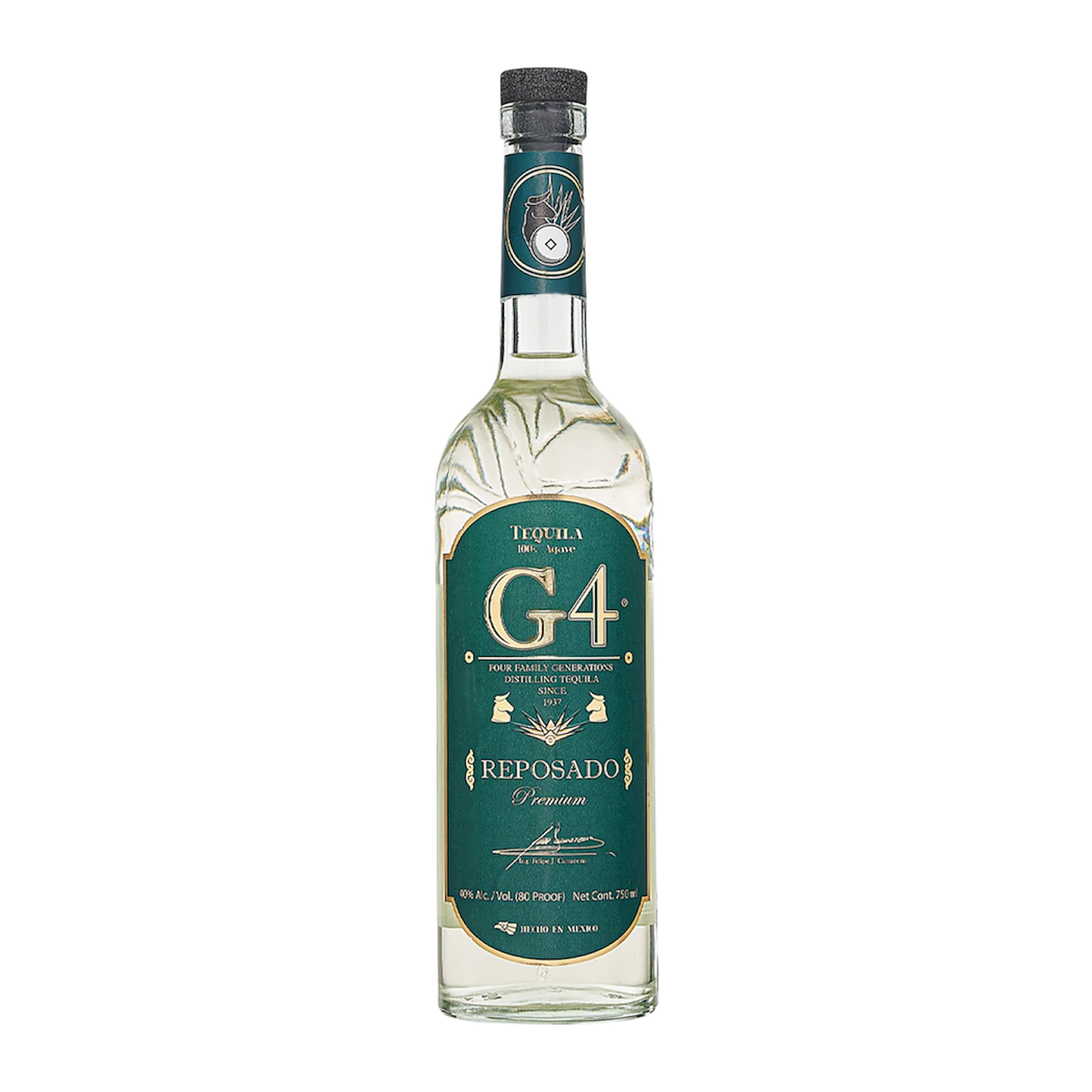
When you want a familiar point of reference, consider a G4 Blanco alongside a mezcal such as Yola Mezcal. For a broader comparison of brands and styles, browse the Siembra tequila and mezcal selection or the Bozal mezcal selection.
Which spirit should you choose for the occasion?
Start with how you plan to use the bottle, then narrow by flavor and expression. You do not need to choose one category for every occasion.
- For cocktails: Decide whether you want the base spirit to sit quietly under citrus and other ingredients or make a stronger contribution. Tequila can provide a familiar agave foundation; a more assertive mezcal can add earthy or smoky character. Test a small amount in the drink before changing the whole recipe.
- For sipping: Choose tasting notes you already enjoy and check whether the spirit is unaged or matured. A reposado selection offers a way to explore tequila with time in wood in its profile.
- For a first comparison: Pick one tequila and one mezcal with clear, contrasting descriptions. Pour modest samples in similar glasses and taste them in the same order each time.
- For a gift: Consider what the recipient already drinks. A flight or tasting set can make comparison part of the experience, while a single bottle is easier to match to a known preference.
Make the choice concrete by writing down two or three preferences before shopping. For example: “bright rather than smoky,” “for sipping, not mixing,” or “I like citrus and pepper.” Then compare product descriptions against those preferences. If the notes are unfamiliar, use a smaller tasting set or ask for guidance rather than buying based on a category label alone.
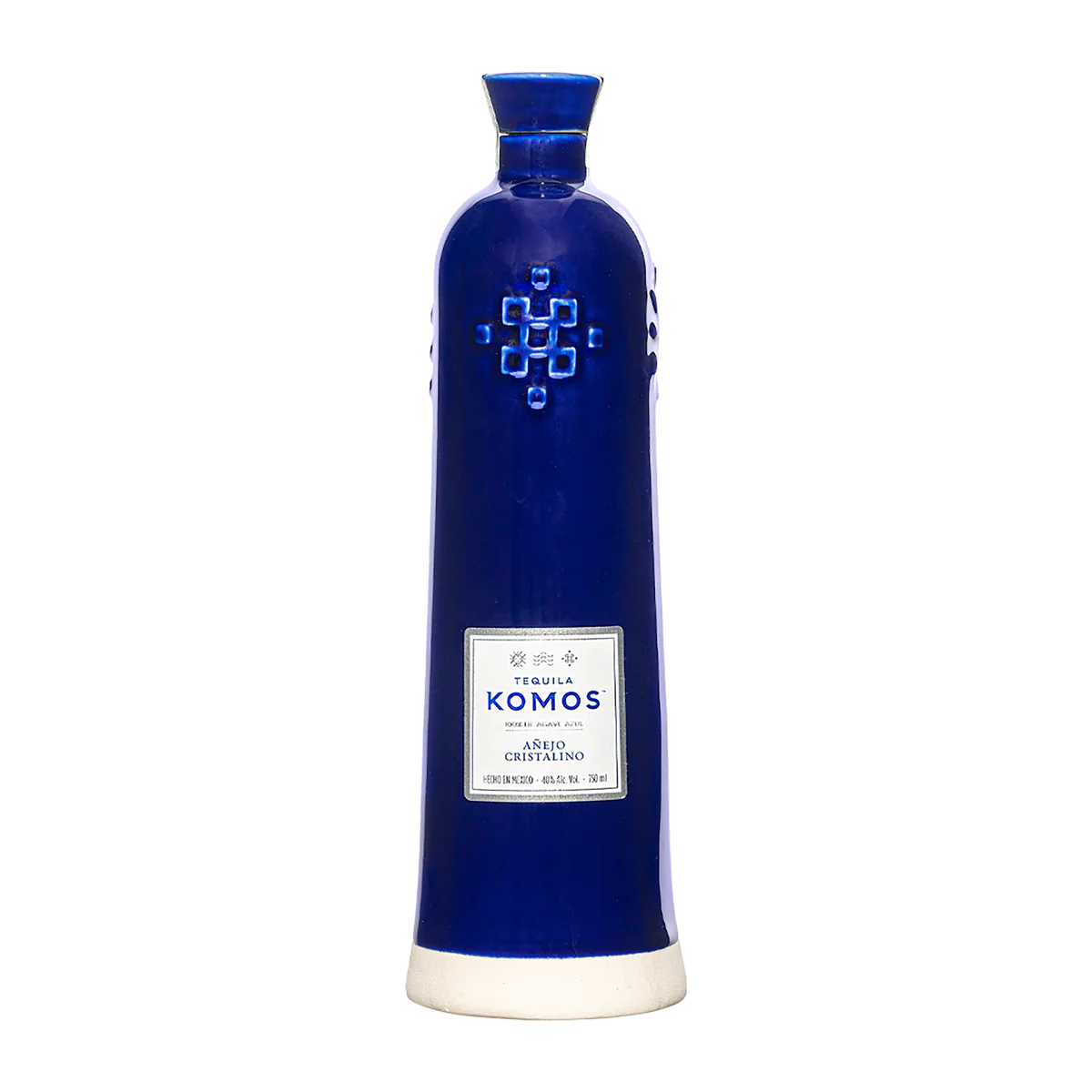
Tequila drinkers can also compare expressions within tequila. A Volans Blanco and a G4 Reposado offer different points of reference, while the cristalino collection provides another style to investigate. These examples are useful for considering expression, not substitutes for checking each bottle’s current listing and details.
What should you check before buying online?
A product page should help you answer practical questions. Look past broad words like “smooth” or “traditional” and find the concrete information behind the description.
- Confirm the category. Make sure the bottle is presented as tequila or mezcal, then check the stated expression or style.
- Look for the plant details. For mezcal, note the species if listed; for tequila, confirm the category and expression information.
- Read process notes. Cooking, fermentation, distillation, and maturation details can explain why a producer describes the spirit in a certain way.
- Use tasting notes selectively. Mark the descriptors you like and set aside ones that do not matter to you. Notes are subjective prompts, not a promise that every drinker will perceive the same thing.
- Match the bottle to the occasion. A mixer, a slow sip, and a gift can call for different profiles and bottle formats.
- Compare the whole listing. Check size, stated details, and price together. A higher price does not by itself prove that a bottle is a better match for your taste.
A simple two-bottle shortlist can prevent decision overload. First, choose the category you want to explore. Second, select one expression that seems familiar and another with a different production story or tasting profile. Compare their listings side by side, write down what you expect, and then see whether the tasting confirms it. If you already know you prefer tequila, the tequila selection can help you narrow by category; the mezcal range offers another route for exploring the contrast.
Here is a worked example. A shopper wants a bottle for a simple citrus drink, dislikes prominent smoke, and has not tried mezcal. They can shortlist an unaged tequila with citrus or pepper notes and one mezcal whose description emphasizes fruit or herbs. They should then compare stated bottle size and details, check whether the product page explains production, and decide whether buying one bottle or a flight better fits the occasion. This process does not require predicting a perfect match; it reduces the chance of choosing solely from a category stereotype.
For a gift, reverse the process and start with what you know about the recipient. If they enjoy sipping spirits neat, favor a bottle with detailed tasting information and an expression suited to that habit. If they like exploring, a flight may be more useful than a single unfamiliar bottle. If you do not know their preferences, a clear product story and straightforward presentation are safer guides than an assumption that an expensive or smoky bottle will impress everyone.
How can you taste tequila and mezcal more thoughtfully?
You do not need expert vocabulary to compare the spirits. A repeatable tasting helps you separate what you actually notice from what you expected to notice.
- Set out small pours. Use similar glasses and modest amounts so the comparison stays comfortable.
- Start with aroma. Take a gentle sniff, pause, and note one or two impressions. Do not search for every possible descriptor.
- Take a small sip. Notice the first flavor and whether it changes as you hold the spirit briefly in your mouth.
- Check the finish. Pay attention to what remains after swallowing, such as warmth, sweetness, herbs, pepper, or smoke.
- Compare with water. A sip of water between samples can reset your palate. If you add water to a spirit, use only a little and note the change.
- Write a plain-language result. “More citrus,” “less smoke than expected,” or “better in a cocktail” is enough to guide your next choice.
Try not to taste after a strongly flavored meal if you want to notice subtle aromas. Keep the setting calm, and avoid rushing through several samples. If one spirit seems sharper, richer, or more aromatic, describe that experience without turning it into a universal rule about tequila or mezcal.
For a useful side-by-side note, make two columns labeled by bottle rather than category. Write down aroma, first sip, finish, and best use. For instance, you might find that one bottle starts with a light herbal aroma but feels more peppery at the finish, while another has a rounder first impression and works better in a mixed drink. Specific observations help when you shop again; sweeping conclusions about all tequila or mezcal do not.
Frequently asked questions
Is tequila a type of mezcal?
The terms have a historical relationship, and mezcal has been used more broadly for agave spirits. Today, tequila and mezcal are distinct regulated categories with different requirements.
Is mezcal always smoky?
No. Smoke may be present, but its prominence varies with production and the individual bottle. Check the producer’s notes and taste for yourself instead of treating smoke as a defining rule.
Can tequila and mezcal use the same agave species?
Tequila must use blue Weber agave. Mezcal can use a range of species permitted under its rules, so check the specific bottle for the plant named.
Which one is better for cocktails?
Neither is universally better. Choose based on the recipe and whether you want a more restrained agave base or a spirit with a more pronounced flavor. A small test pour in the recipe can help you decide.
How can I compare them without buying several bottles?
Look for a flight or tasting set that includes options suited to your interests. Sip Tequila’s flights and sets are one place to look for a guided comparison.
Tequila and mezcal share an agave foundation, but their rules, permitted plants, and production choices create broad, varied categories. Use the label and process details as a guide, then choose the bottle that fits your own palate and occasion.