




Volcan tequila is a name worth checking carefully before you buy: confirm which expression you want, what the bottle actually says, and whether its general style fits sipping or mixing. A place-name or volcanic image alone does not tell you how a tequila tastes or how it was made. The best choice comes from matching the exact bottle to your preferences and checking the details that matter to you.
Browse popular tequila bottles
What Is Volcan Tequila?
Volcan tequila usually refers to Volcan de mi Tierra, a tequila brand whose name is often shortened in searches and conversation. If you are shopping, use the full name shown on the product page or bottle as your reference point. That helps separate the brand from other products with similar words in their names, and from discussions about volcanic regions or soil.
There is a useful distinction between the name and the liquid. A brand name can invite assumptions about place, ingredients, flavor, or production, but those details should come from the label and the producer’s current information. If origin, production methods, or a particular expression matter to you, find those details in the specific listing rather than inferring them from a name, image, or short search result.
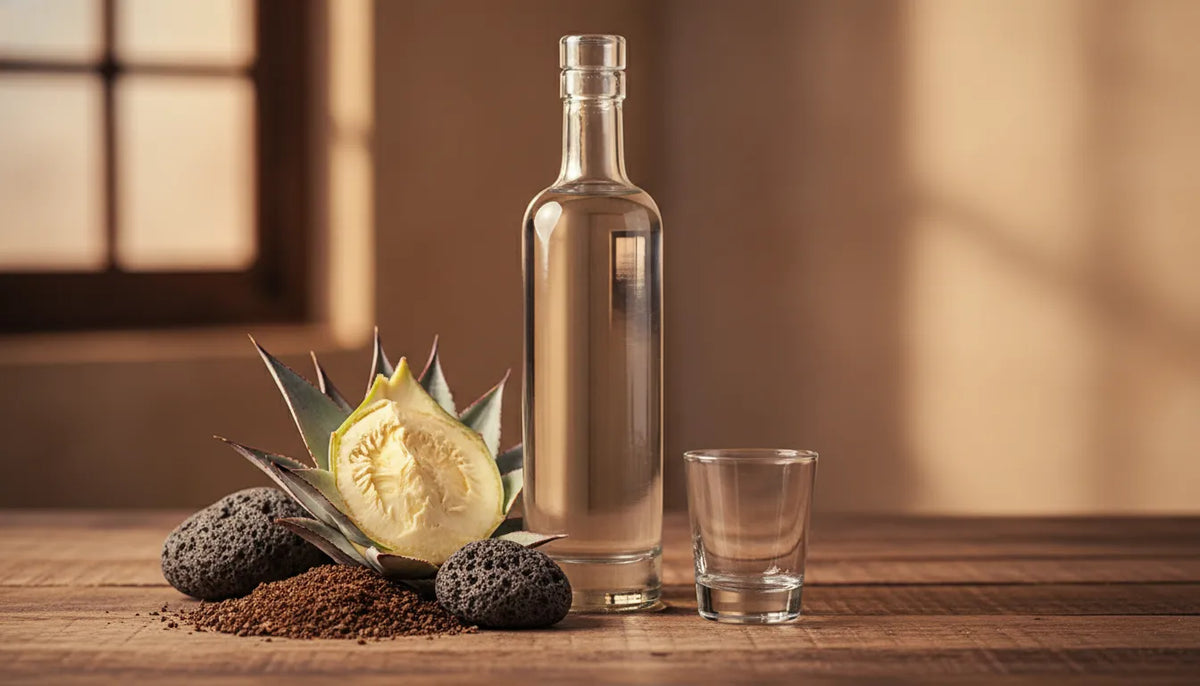
The word “Tequila” also names a volcano in Mexico. The Smithsonian’s Global Volcanism Program entry for Tequila is a reference for that geographic feature; it does not establish how any particular branded bottle was produced or what it tastes like. Keep the two subjects separate: the volcano is geography, while a bottle is a specific spirit with its own label and expression.
For a buyer, the practical starting point is not a story suggested by the name. It is the product itself. Confirm the expression, read the current description, and decide whether its style fits the way you plan to serve it. That approach works whether you are buying your first bottle from the brand or adding another expression to a shelf.
What Should You Know About the Different Expressions?
Start with how you plan to drink the bottle, then compare expression types. Blanco, reposado, añejo, extra añejo, and cristalino are not interchangeable labels. They describe different approaches to aging or filtering, and those choices can shape how a tequila presents in a neat pour or a cocktail. Category names narrow the field, but the producer’s description is still the best guide to a particular release.
- Blanco: Usually unaged or rested briefly, so it tends to show a more direct spirit profile. Consider it when you want a versatile pour for sipping or cocktails.
- Reposado: Aged in wood for a period set by tequila regulations. Wood can add notes and soften the spirit, though the amount and character depend on the specific tequila.
- Añejo: A longer-aged style than reposado. It can suit a slow, neat pour, especially if you enjoy the influence of a barrel.
- Extra añejo: A longer-aged category that may appeal if you prefer a richer, oak-influenced profile and want to sip slowly.
- Cristalino: An aged tequila that has been filtered to create a clear appearance. Filtering changes the presentation, so do not assume it tastes exactly like a blanco.
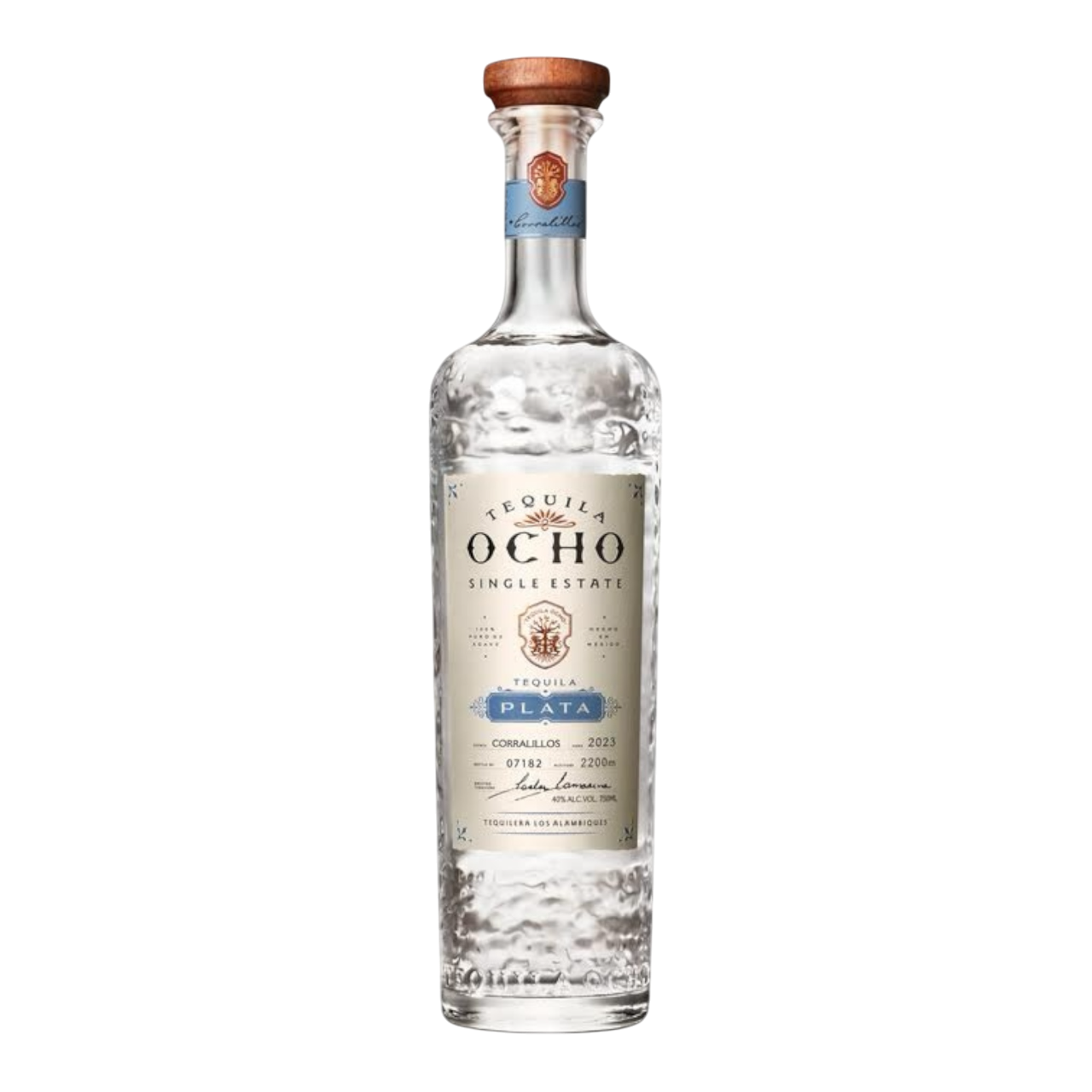
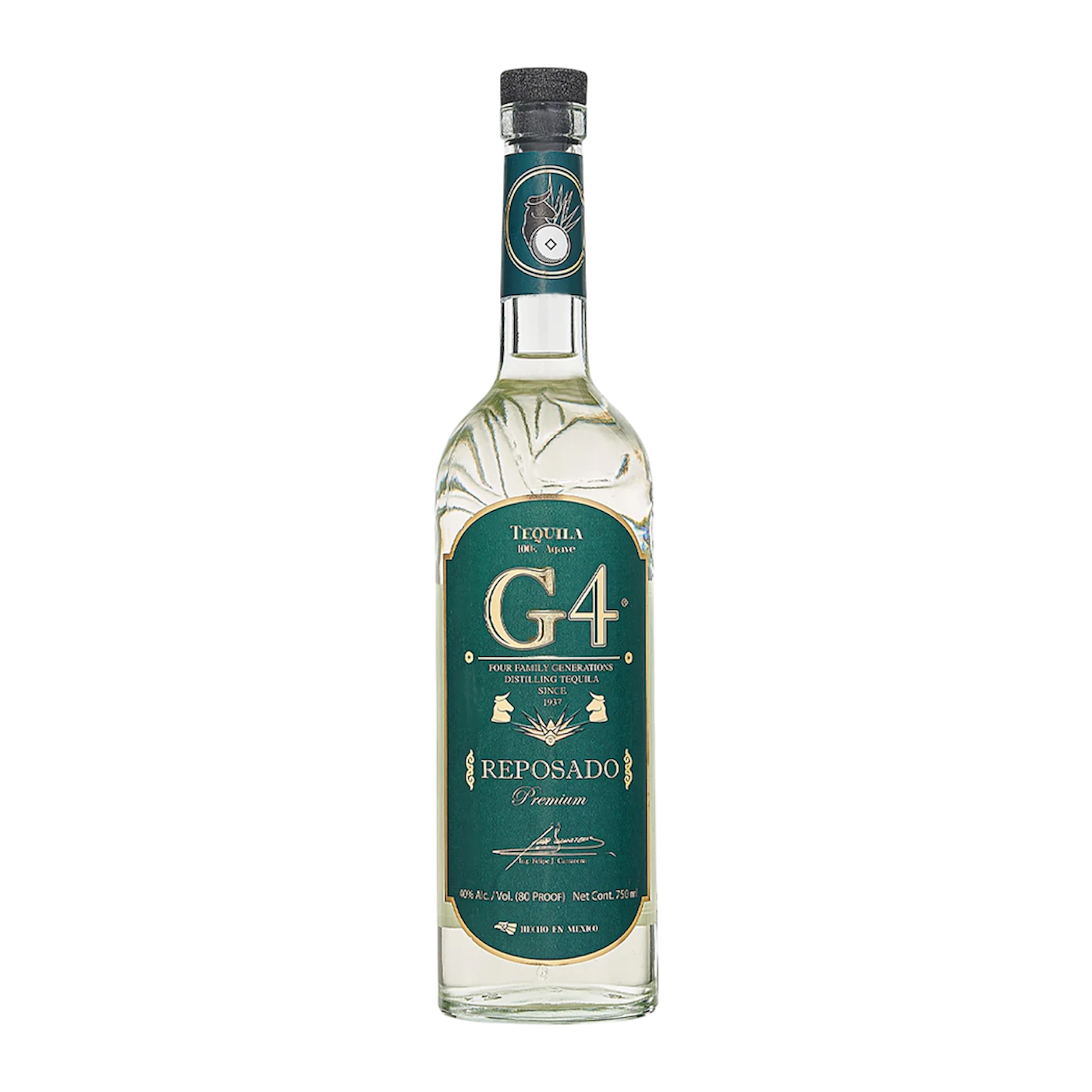
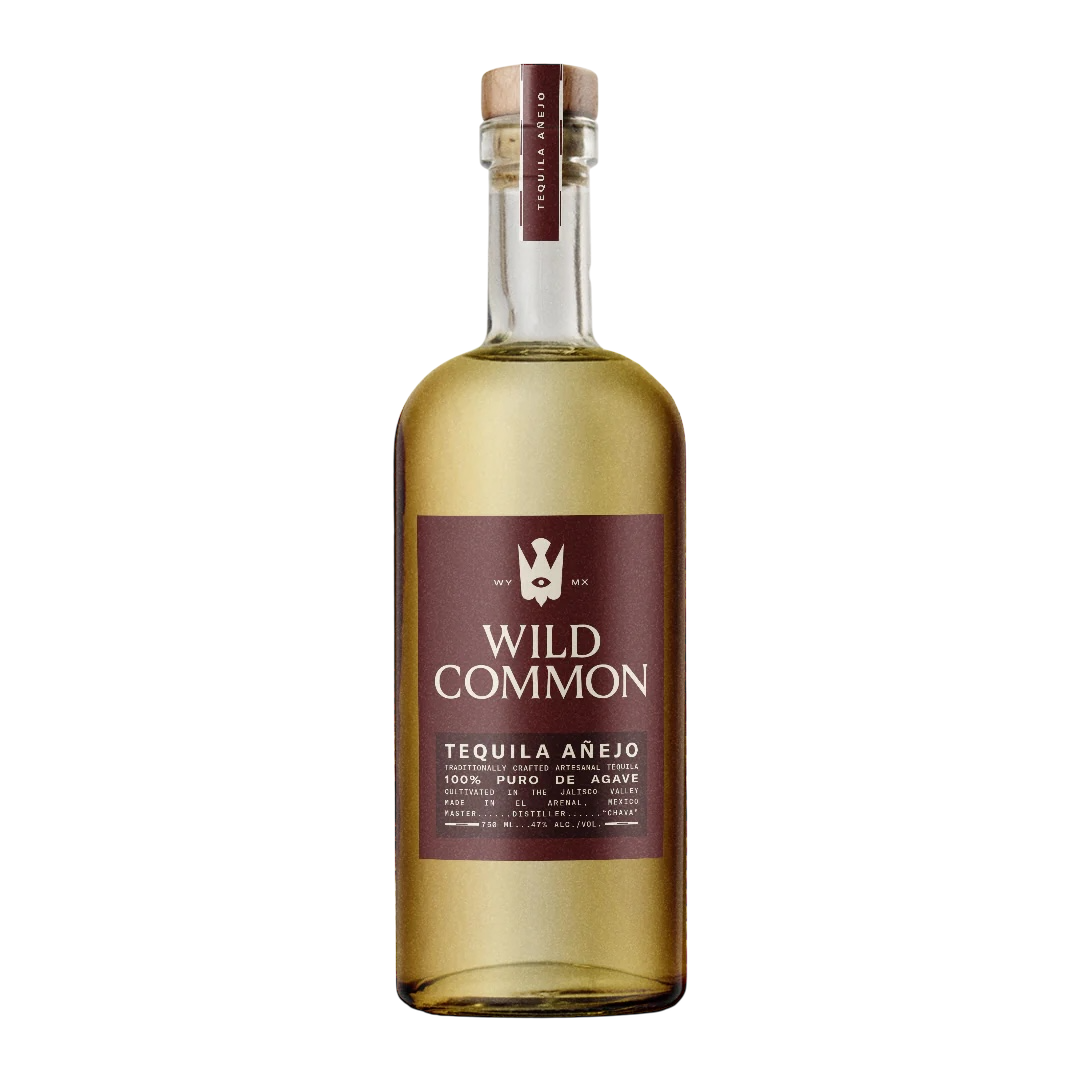
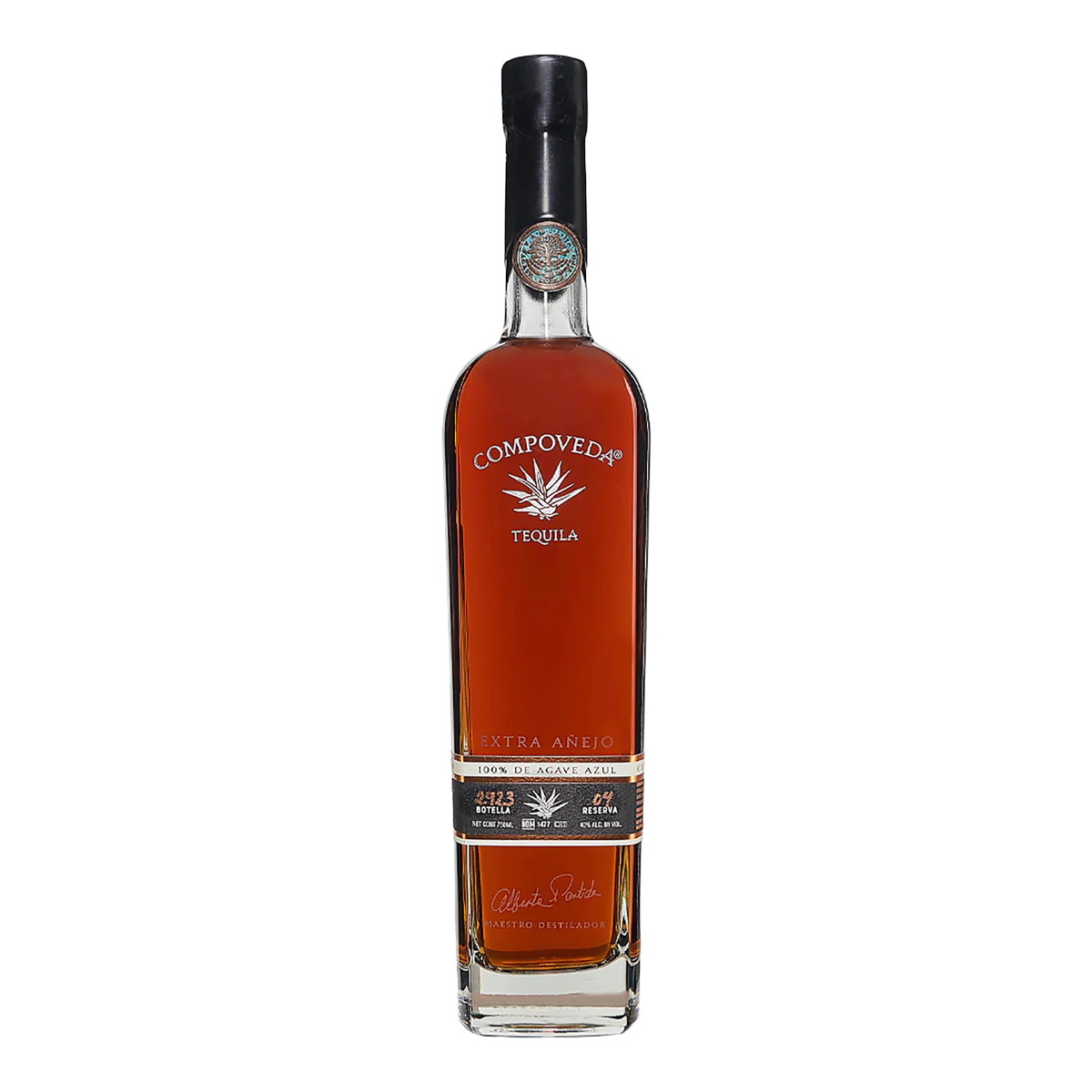
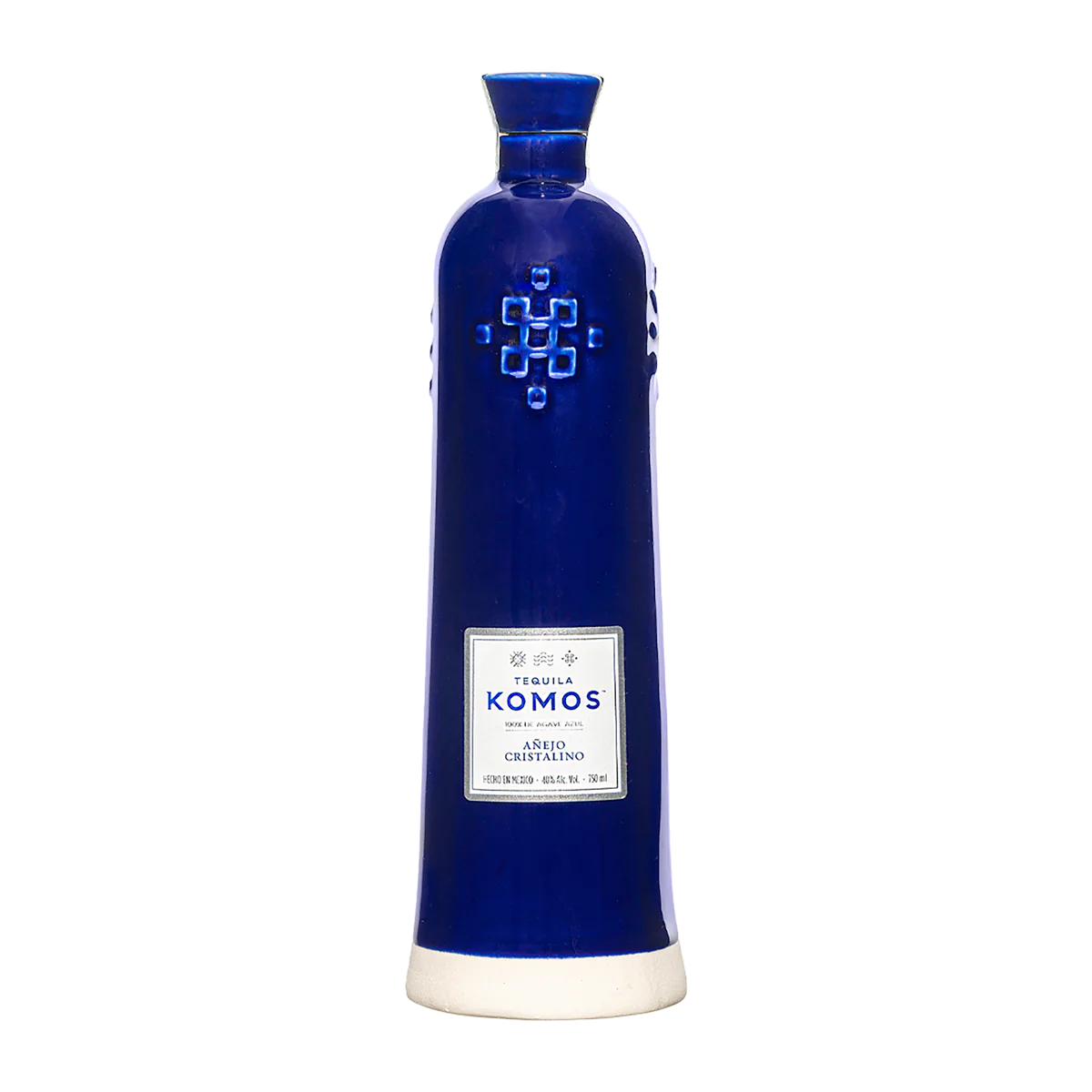
These are category-level pointers, not verified tasting notes for every Volcan release. For a practical style comparison, look at the available cristalino selection and read each listing closely. If you like a familiar aged style, compare product details with a reposado example or an añejo example. Those bottles are comparisons, not Volcan products.
One useful habit is to separate what the category tells you from what the specific product description tells you. The category provides a broad frame. The release-level information may tell you about the producer’s stated aging, filtration, aroma, or serving suggestions. A listing that is specific about those points gives you more to work with than a short title alone.
How Do You Choose the Right Volcan Bottle?
Match the expression to the occasion rather than choosing by the most elaborate label or highest price. A clear use case makes the decision easier, especially if you have not tasted the brand before. If it is a gift, think about the recipient’s usual pours and how much detail they enjoy exploring.
- Decide how you’ll serve it. For cocktails, a blanco or reposado may be a flexible starting point. For a slow pour, consider whether you or the recipient likes oak influence and richer flavors. If you want one bottle to do both jobs, look for an expression whose listing suggests enough character to enjoy neat but not so much barrel influence that you would hesitate to mix it.
- Confirm the exact release. Look at the full expression name, bottle volume, proof or alcohol percentage, and any special-edition wording. Similar packaging or a shortened brand name can make it easy to overlook differences. Read the product title and description together, especially when a retailer carries more than one expression.
- Read the current tasting description. Note whether the listing describes fresh, peppery, herbal, sweet, fruity, or oak-led character. Treat tasting notes as guidance rather than a promise. Your palate, glass, temperature, and serving context affect what you notice.
- Check the bottle’s production details. If origin, production method, or ingredients matter to you, look for clear information on the product page or label. Do not infer it from a brand name, a mountain image, or words about volcanic soil. If an important detail is not stated, treat it as unknown rather than filling the gap with an assumption.
- Compare the price with your goal. A higher price does not automatically mean a better match. Decide what you value—an everyday cocktail bottle, a neat pour, or a gift—then compare bottles in that lane. Also check that you are comparing similar bottle sizes and expressions.
- Check shipping and legal availability. Alcohol shipping rules vary by destination. Review the retailer’s checkout and shipping details for your address before placing an order, and allow for the possibility that availability differs by location.
Make the choice more concrete by writing down your top two priorities. For example, a cocktail buyer might prioritize versatility and price per bottle, while a collector might care more about a specific expression or clear release details. This small step keeps packaging, brand reputation, or a dramatic description from distracting you from what you actually want.
If you are still deciding, browsing a broad tequila selection and learning collection can help you compare terminology. A tasting kit can also make sense when your main goal is to compare styles, rather than commit to a full bottle before you know what you like.
How Do the Expressions Compare?
Use this table as a quick shortlist. It describes general tequila categories, not a guarantee about a particular Volcan release. Check the product listing for the bottle’s exact details. A category can point you toward a style, but it cannot replace release-specific tasting notes or your own preferences.
| Expression | General style cue | Good fit when you want | What to verify |
|---|---|---|---|
| Blanco | Little or no barrel aging | A direct, flexible pour or cocktail base | Whether it is unaged or briefly rested, plus tasting notes |
| Reposado | Some time in wood | A balance of spirit character and barrel influence | Current label details and the producer’s aging description |
| Añejo | More time in wood than reposado | A more deliberate neat pour | Release-specific notes and stated age category |
| Cristalino | Aged tequila filtered for a clear appearance | An aged-style option with a different presentation | How the producer describes its aging and filtration |
| Extra añejo | Extended aging | A slow, oak-influenced sipping occasion | Exact category, production notes, size, and price |
As you compare, keep the product page open and check each field rather than relying on a short search result. Category names help narrow the field, but the particular bottle and your preferred flavor profile should make the final call. If two listings seem close, compare their descriptions line by line: expression, size, alcohol strength, stated production details, and serving suggestions.
It is also worth comparing like with like. Put a blanco beside another blanco, or an aged expression beside another aged expression. Comparing a blanco with an añejo can be interesting as a broad tasting exercise, but it will not tell you which of two similar styles you prefer. A fair comparison keeps one variable at a time in view.
What Should You Expect When Tasting It?
Taste the tequila without adding anything first. Pour a small amount into a tasting glass, let it rest briefly, and take a gentle first smell. Then take a small sip and notice what arrives first, what develops, and what remains after you swallow. You do not need formal tasting vocabulary to make a useful observation.
- Nose: Is the aroma light or pronounced? Do you notice fresh, cooked, herbal, fruity, or wood-like notes?
- First sip: Does it feel bright, soft, peppery, sweet, dry, or warm to you?
- Middle and finish: Do the flavors change, and does the finish fade quickly or linger?
- Balance: Do the alcohol warmth, flavor, and texture feel comfortable together?
Write down two or three impressions instead of trying to identify every note. Your notes will be more useful if you compare the same pour conditions: similar glass, temperature, and serving size. If the first sip feels sharp, give the pour a short rest and try again. If you are tasting more than one bottle, take a pause between samples and use water to reset your palate.
Keep the setting simple. Use a clean glass without ice or added ingredients for the first taste, and avoid strong food or fragrance immediately beforehand. You can add a small amount of water later if you want to explore how the aroma or texture changes, but make a note of that separately. The point is not to find a single “correct” tasting note. It is to learn whether the bottle suits your taste.
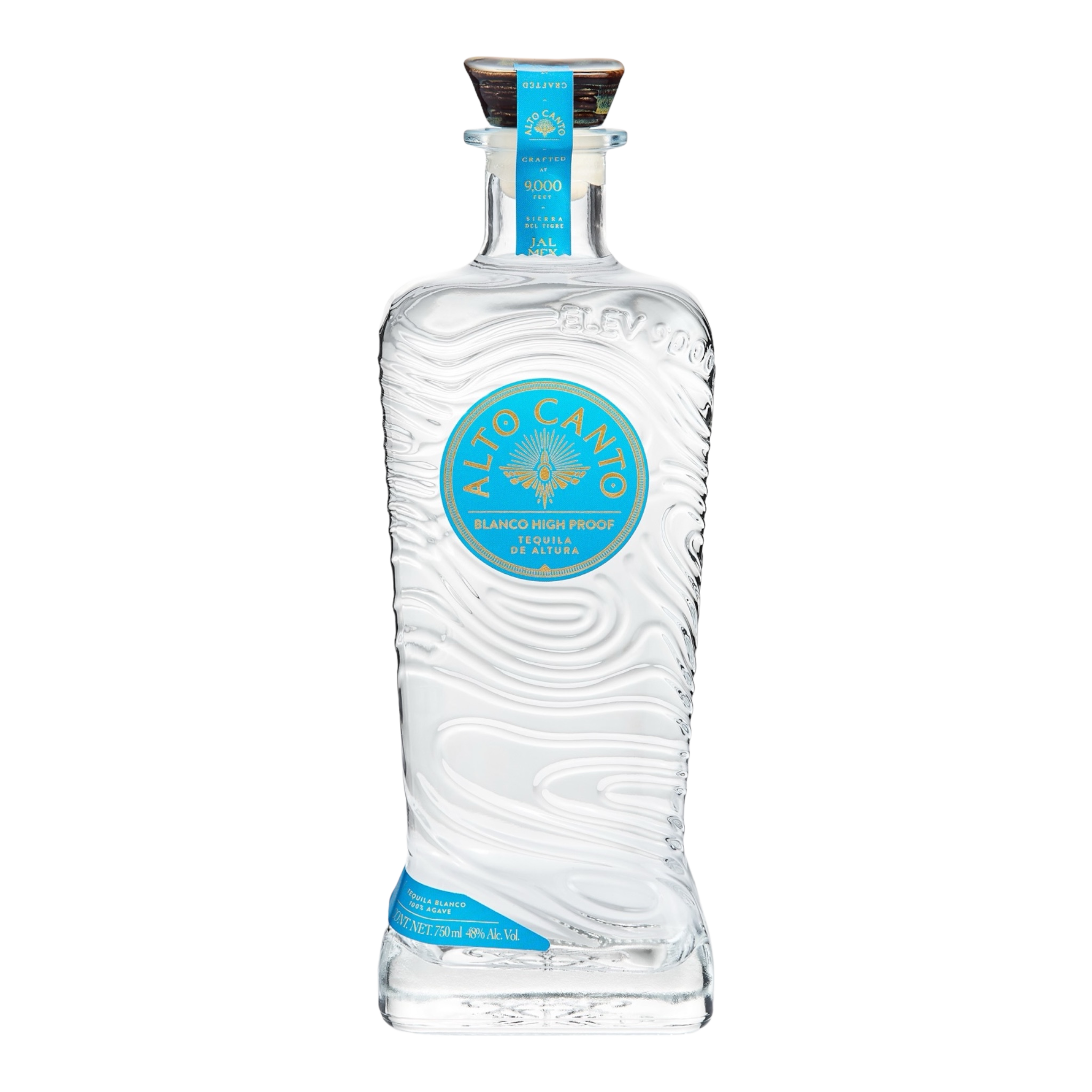
When comparing Volcan with other bottles, choose one similar expression at a time. For instance, you could compare its blanco with a listing such as Solento Blanco, or compare aged styles with Cava de Oro Añejo. These are examples from the wider selection, not claims about Volcan’s flavor. Keep the pour size modest and record what you notice before reading more descriptions, so your first impression stays your own.
How Does the Expression Work in a Cocktail?
If you plan to mix the bottle, think about the drink before you buy. A lively, less barrel-influenced style can be easier to use across several recipes, while a wood-aged expression may bring a different layer to a simple drink. That is a general guide, not a rule: the exact spirit and your recipe determine the result.
For a first test, make a familiar cocktail in a small serving and keep the recipe constant. If you have a second tequila on hand, use the same proportions and compare. This helps you notice whether the spirit’s character remains present, blends into the other ingredients, or changes the balance. Do not change the spirit, sweetener, citrus, and dilution all at once; then you will not know which change shaped the result.
- For a bright, spirit-forward drink: Begin with a blanco-style bottle if the product description and your taste point in that direction.
- For a rounder profile: A reposado can offer some barrel influence, which may work well when you want a little more depth.
- For sipping alongside a cocktail: Pour a small neat sample first. If you enjoy it on its own, decide whether using it in a mixed drink feels like the right use for that bottle.
Cost matters here in a different way than it does for a neat pour. A premium bottle may be exactly what you want for a spirit-led drink, but an everyday mixed drink may call for a more flexible choice. Think about how often you will use the bottle and whether you want its distinctive character to lead or simply support the recipe.
How Should You Think About Value and Gifting?
Value is about fit, not just shelf price. Ask what the bottle offers for the way it will be enjoyed. An expression that matches a recipient’s preference is often a safer gift than a more expensive bottle selected without context. For someone who enjoys cocktails, versatility may matter most; for a collector, the expression and clarity of its release information may carry more weight.
If you are choosing a gift, consider these questions before ordering:
- Does the recipient usually drink tequila neat, in cocktails, or both?
- Do they tend to choose blanco styles, or do they prefer barrel-aged spirits?
- Would they enjoy exploring the bottle’s details, or would a straightforward crowd-pleasing style be a better fit?
- Is the bottle intended for an occasion, a collection, or regular use?
- Can you verify delivery availability and legal-age requirements for the recipient’s address?
When you do not know someone’s preferences, avoid guessing based on price or appearance. A familiar category or a set of smaller tasting pours may be a better way to support discovery. A selection of tasting kits can help someone compare styles, while a retailer’s popular tequila bottles offer another place to begin browsing. Review each current listing before deciding; inventory and product details can change.
Before buying, compare bottle size and price, review shipping terms, and check whether the product is currently available. If you are buying for someone else, confirm they are of legal drinking age and that alcohol delivery is permitted where they live. You can use a recognizable product as a style reference, such as Don Julio 70 Cristalino or Fortaleza Añejo; neither is a substitute for checking the exact Volcan bottle under consideration.
What Details Should You Verify Before Checkout?
A quick check can prevent a mismatch between what you meant to buy and what arrives. Read the entire listing, especially when product names are similar or the selection includes multiple expressions. Use this checklist before adding a bottle to your cart:
- Full product name: Confirm the brand and expression, including any special release designation.
- Size and strength: Verify bottle volume and alcohol strength as shown on the listing. Do not assume they match a bottle you purchased previously.
- Product description: Check that the pictured item and written description refer to the same release, and read any stated details about origin, aging, or production.
- Availability: Confirm the item is in stock or otherwise available for order. Search results and saved pages may show details that are no longer current.
- Delivery: Review shipping eligibility, estimated timing, and checkout restrictions for your address.
- Price comparison: Compare equivalent sizes and styles. A price alone does not predict whether you will prefer the taste.
If an important detail is missing, pause and look for a clearer listing or ask the retailer before ordering. That is especially sensible if you are buying a specific release as a gift or comparing it with a bottle you have tasted before. Keep a note of the exact expression you selected so you can find it again or compare it with another bottle later.
A listing is also a useful place to clarify uncertainty. If you cannot tell whether a bottle is blanco or aged, whether the stated volume is the size you expect, or whether delivery is permitted to your address, do not rely on a guess. Resolve the question before checkout. A few minutes of careful checking can save the disappointment of receiving the wrong expression or discovering that delivery is unavailable.
Compare popular tequila selections
Frequently Asked Questions
Is Volcan tequila the same as a tequila made near a volcano?
Not necessarily. Volcan de mi Tierra is a brand name, while the Smithsonian lists a geographic feature called Tequila volcano. The name alone does not prove where a particular bottle was made or how its ingredients were grown; check the bottle and product details.
Which Volcan tequila should a beginner try?
Start by deciding whether you prefer a straightforward style or some barrel influence. A blanco can be a useful first comparison, while reposado may suit someone who likes an aged character. Confirm which expressions are currently offered and read the specific listing before choosing.
Is Volcan tequila better for sipping or cocktails?
That depends on the expression and your taste. A blanco or reposado can be a flexible cocktail choice, while an aged expression may appeal to someone who wants to sip slowly. Taste a small pour neat first, then decide whether you would enjoy it in a mixed drink.
Does the word “volcan” mean the tequila tastes smoky?
No. A name is not a tasting note. Look for a description of the exact expression and use your own tasting experience to judge its aroma and finish. Do not assume volcanic imagery guarantees smoke, minerality, or any other flavor.
What should I check when buying Volcan tequila online?
Verify the full brand and expression, bottle size, alcohol strength, current product description, stock status, and shipping eligibility for your address. If a detail matters to your decision but is not listed, ask the retailer before ordering.
Ready to Choose a Bottle?
Volcan tequila is easiest to evaluate when you separate the brand name from the bottle’s actual expression and details. Decide how you want to drink it, read the current listing carefully, and choose the style that makes sense for your palate or occasion. If you are still comparing, revisit your priorities and check that the bottle you select answers them clearly.
Explore tequila bottles and find your next pour
A thoughtful comparison is a better guide than the name on the label alone.