


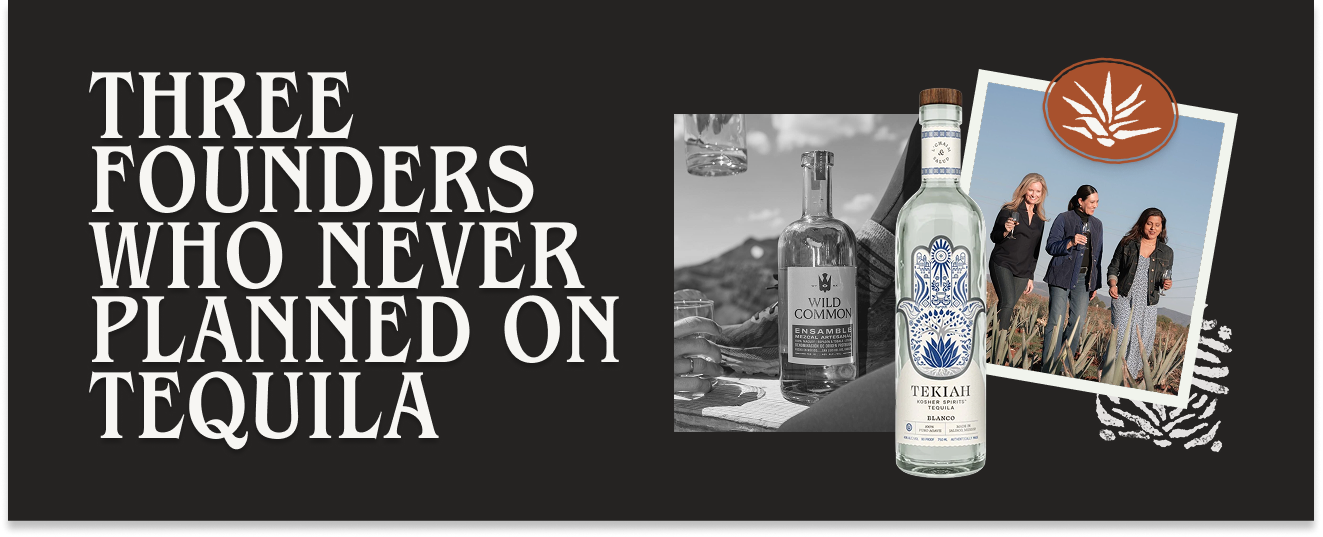
Nobody grows up planning to make tequila.
That is not entirely true, of course. There are families in Jalisco whose names have been on labels for a century, where the distillery is the inheritance and the only real question is who takes it over next. We carry plenty of those bottles, and we love them.
But three of the brands on our shelf this month came from somewhere else entirely. One founder was running for Congress. One was sitting in synagogue on Rosh Hashanah. One was on assignment for National Geographic, halfway up a mountain for a living.
None of them set out to make tequila. Here is what they were doing first, and how they ended up here anyway.
The Congressional Race
1953 Tequila
In 2018, Lindsey Davis Stover and Alison Kiehl Friedman ran against each other for Virginia's 10th congressional district.
Neither of them won the seat. What they got instead was each other. The two became close friends after the race, which is not the usual ending to that particular story, and it is the reason 1953 exists at all.
Years later, when Stover finally said out loud that she wanted to start a tequila company, she has described going into that conversation half hoping to be told she was out of her mind. Friedman's response was better than that. She told her it was her kind of crazy.
Friedman brought in Shivam Mallick Shah, a former investment banker and McKinsey consultant, and the three of them formed the company in January 2020. All three had built their careers in public service rather than spirits, which is either a liability or an advantage depending on how you look at it. They named the brand for 1953, the year Mexican women won the right to vote, and launched on October 17, 2023, the seventieth anniversary of that vote to the day.
The name set a standard the company then had to live up to, and the hardest part was the agave itself. Agave farms in Mexico are, overwhelmingly, passed from fathers to sons. A woman-owned agave source was not something you could simply go shopping for.
They found four sisters who had taken over their family's Highland farm. Part of the reason those sisters wanted the partnership was so that girls at the high school nearby could watch women run an agave operation and understand it as something available to them.
So when 1953 says the tequila is founded, farmed, distilled, and led by women at every level, that is not a marketing line assembled after the fact. It is a description of a supply chain they had to build on purpose, because the default version of it did not exist.

Shop: 1953 Añejo
The Shofar Blast
Tekiah Kosher Spirits
Greg Sobol grew up in West Bloomfield, Michigan, in a household that was both Mexican and Jewish. His mother was born and raised in Mexico City and came to Michigan in 1970, and his childhood was spent moving between her family's world and his own.
The question that started Tekiah came up over a l'chaim with his rabbi. Tequila was part of every celebration on one side of his family and absent from the ritual on the other. Why?
At Rosh Hashanah services in 2023, the shofar sounded the tekiah, the single long blast, and the answer arrived with it. He would make one.
What followed was less romantic and more diligent: months of research, hundreds of bottles sampled, and a crash education in both tequila production and kosher certification. Eventually he called his cousin Adam, who had recently arrived in Mexico City from Israel, and the two of them went to Jalisco together. They walked agave fields. They visited small-batch distilleries. They tasted, and they kept looking, until they found a producer who could make something worth putting the name on.
What they found was Master Distiller Iliana Partida, working under NOM 1522 with Michoacán agave, which gives the finished spirit its citrus-forward character and delicate minerality.
Here is the part that tequila people find most interesting, and it is the reason Tekiah belongs on a shelf next to the additive-free bottles rather than in a novelty category.
Kosher certification is not a sticker. Getting Orthodox Union approval meant meeting rules that reach directly into how the spirit is made. Barrels previously used for certain non-kosher wines are not permitted, so the reposado rests in American white oak instead. And the sugars, glycerin, and colorings that many large producers use to shortcut the slow work of aging do not survive kosher scrutiny either.
In other words, the thing that makes Tekiah kosher is the same thing that makes it clean. Sobol did not have to choose between the two. The certification enforced the additive-free process for him.
If you want the longer version of why terroir matters and what it does to the agave, we broke it down in The Dirt on Your Tequila.
The hamsa on the label was a deliberate choice, meant to be readable across a room. Tekiah means the blast, the call to gather.

Shop: Tekiah Blanco · Tekiah Reposado · Tekiah Añejo
The Photo Assignment
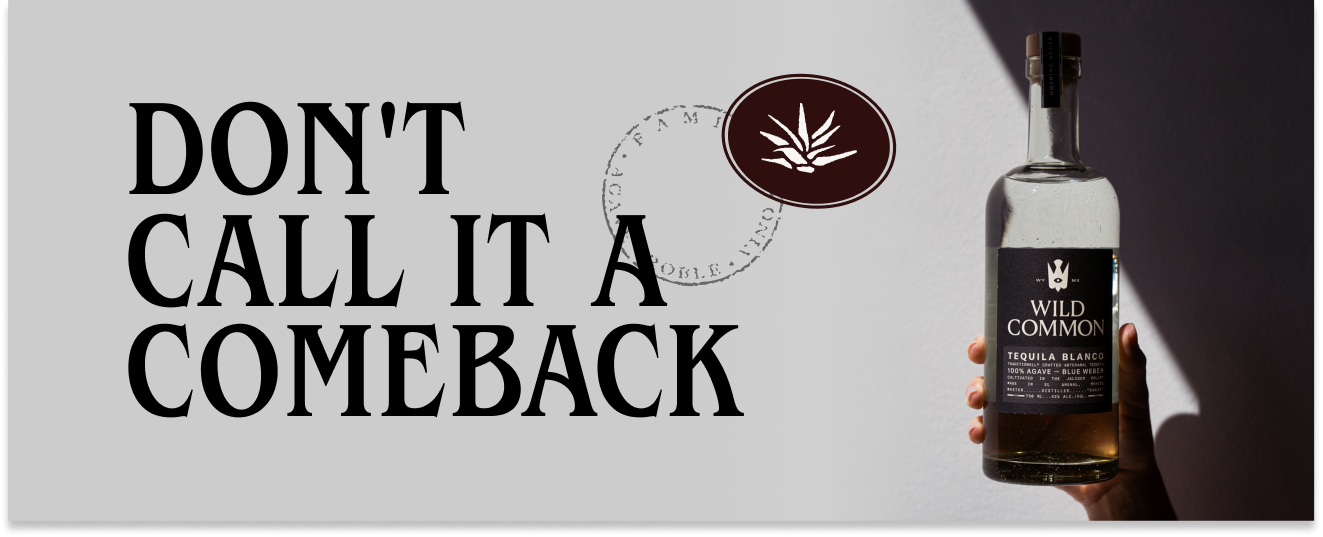
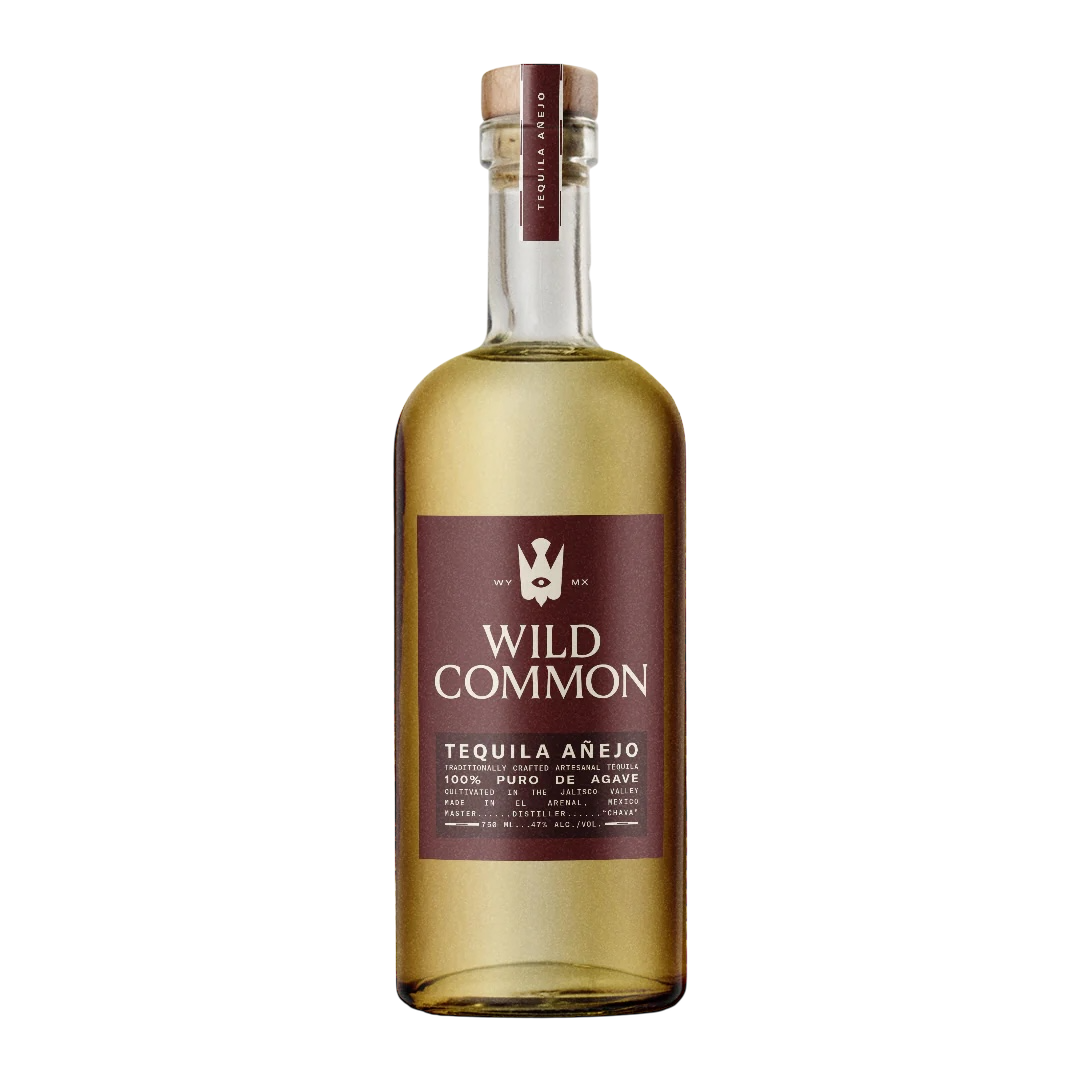
Wild Common
Andy Bardon spent fifteen years as a professional photographer shooting for National Geographic, and worked as an Exum Mountain Guide between assignments. His job, more or less, was going to difficult places and coming back with the story.
One of those assignments took him to Jalisco to document sustainability in agave spirits. That is how he ended up at Cascahuín.
Cascahuín is the kind of distillery that tequila obsessives talk about and almost nobody else has heard of. It operates under NOM 1123 in El Arenal, in the lowlands of Jalisco, and its traditions go back to 1904. It sits under the watch of Master Distiller Don Salvador Rosales Torres, alongside his sons Salvador, known to everyone as Chava, and Benjamin.
What struck Bardon was the gap. Here was a family making some of the most respected tequila in Mexico, and in the United States they were essentially anonymous. The reason turned out to be simple and a little charming: their business is making tequila, not talking about it.
He was a storyteller by trade. They were distillers by inheritance. Wild Common came out of that arithmetic.
The brief they started from was not a market opportunity. It was a question they asked each other directly, which was what do we actually want to drink. The answer came back as higher proof, minimal filtration, and nothing added. All three of those choices cost something. Higher proof means less liquid per batch. Minimal filtration means the tequila arrives with more of its own character intact, including the minerality and texture that a heavier filtration would strip out. Nothing added means the flavor has to be earned in the field and the oven rather than in the blending room.
That is a set of decisions you make when you are building the bottle you want on your own shelf, and only afterward find out whether anyone else agrees.

Shop: Wild Common Blanco · Wild Common Reposado · Wild Common Still Strength Blanco
What They Have In Common
A lost election. A moment in synagogue. A camera in a place most people never see.
There is a version of the spirits business that runs on celebrity signatures and category research, and you can taste the difference. What these three have in common is that none of them started with a business plan. They started with a person who could not let go of an idea, and worked backward from there until there was something in the bottle worth defending.
That is usually the sort of tequila we end up carrying.
¡Salud!