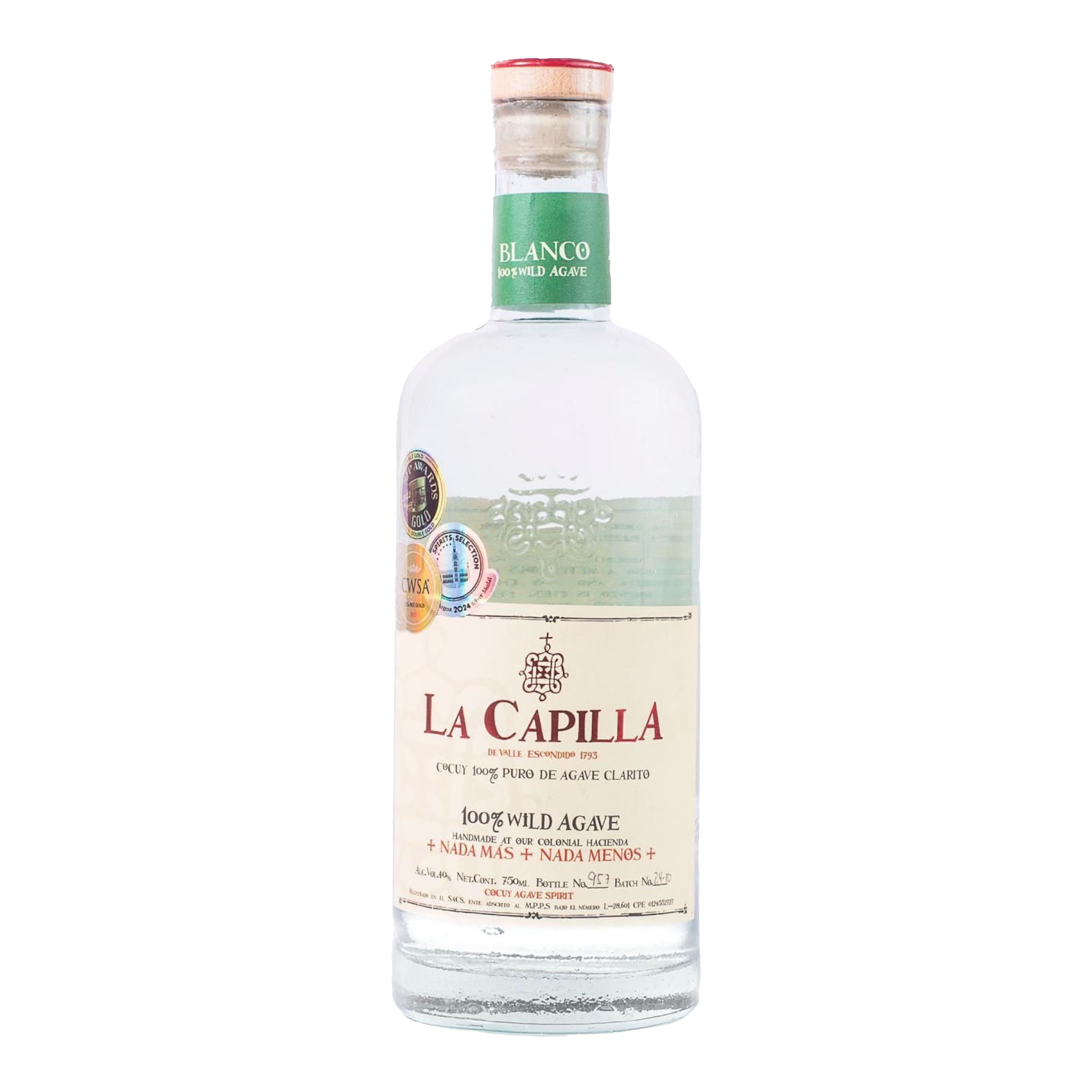



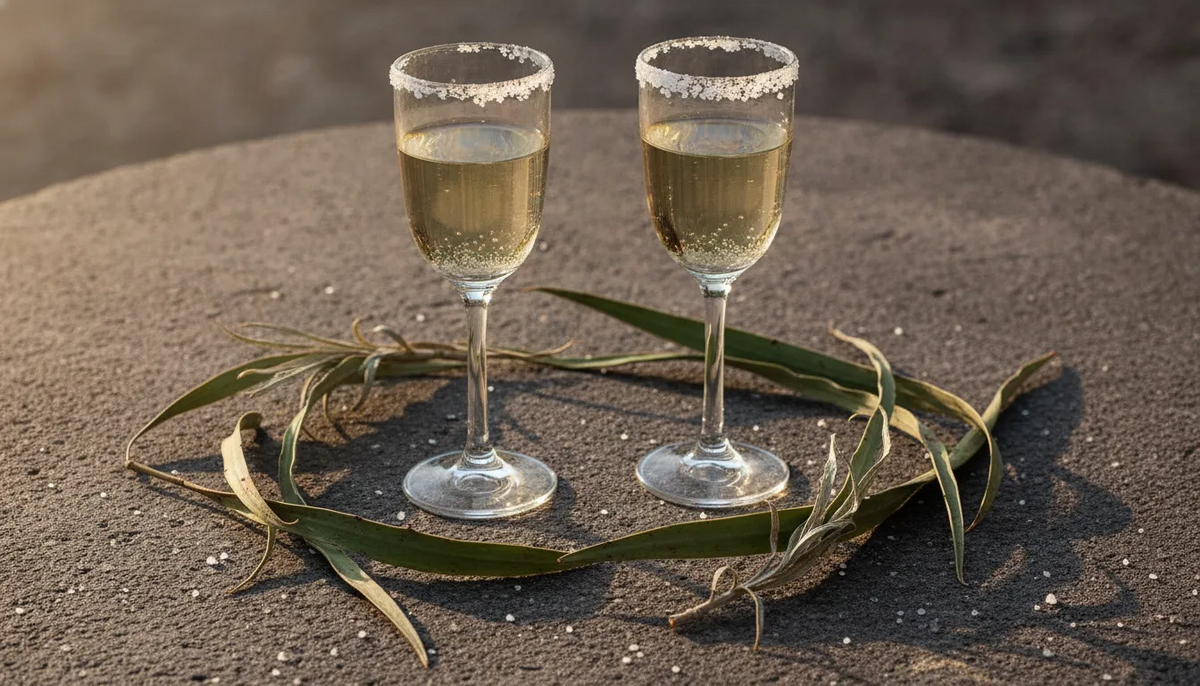
In sotol vs mezcal, two bottles can bring desert character to the glass while beginning with entirely different plants. Sotol comes from Dasylirion, often called desert spoon. Mezcal is made from agave and may draw on many agave varieties. That botanical divide shapes each spirit's regional identity, production choices, and the flavors you notice.
In sotol vs mezcal, sotol is a distinct spirit made from Dasylirion, not agave; mezcal is an agave-based category with broad regional and sensory variation. Sotol often leans earthy and herbaceous, while mezcal may show fruit, mineral, vegetal, or smoky notes depending on the agave and process. Neither is defined by one universal flavor.
Start with the plant itself, then the legal and cultural meaning behind the bottle. Once that distinction is clear, the differences in smoke, texture, labeling, and serving style become much easier to understand.
Is sotol mezcal? The botanical answer
No. Sotol and mezcal are distinct spirits because they begin with different plants. Sotol is traditionally made from Dasylirion, a desert plant, while mezcal is made from agave. Their shared Mexican traditions and craft-focused production do not make them the same category.
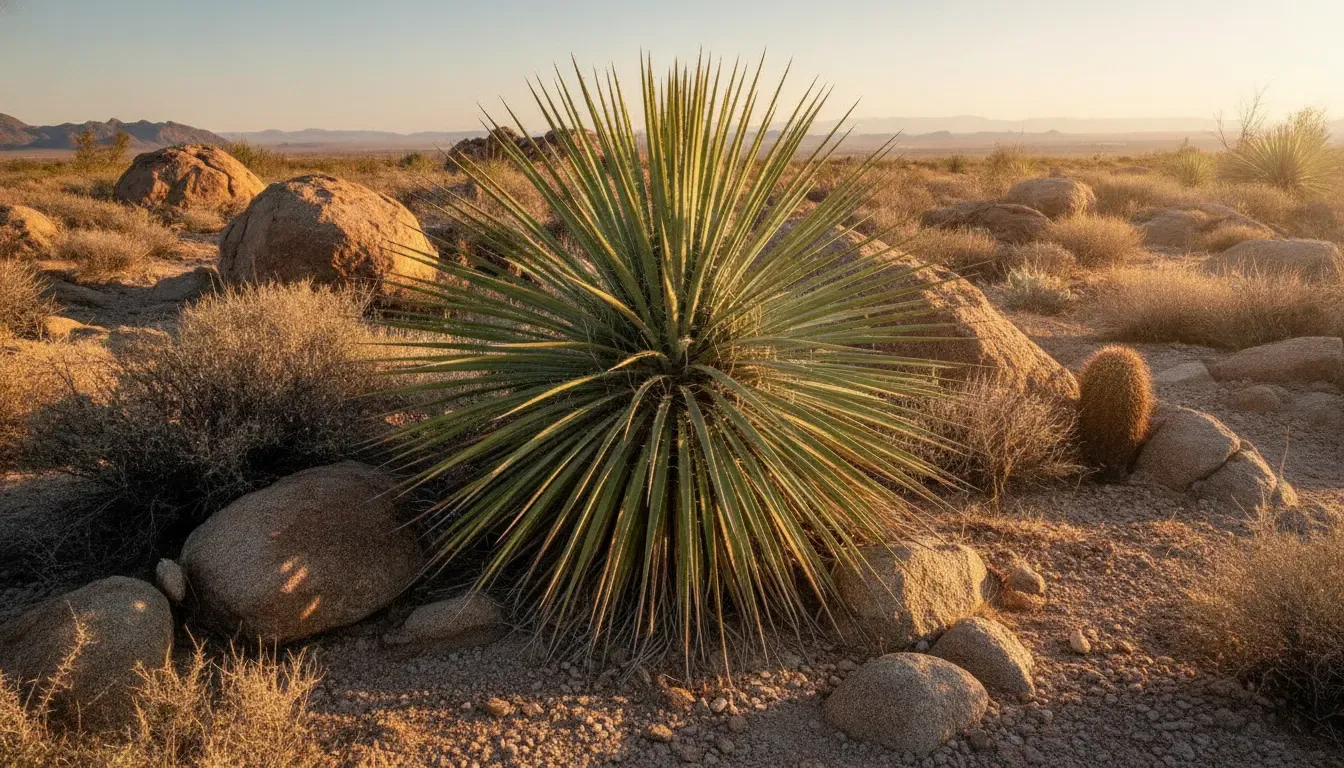
For sotol, the relevant plant is Dasylirion, sometimes called desert spoon. Dasylirion wheeleri belongs to the Asparagaceae family and is native to the southwestern United States and northern Mexico. Its heart has been fermented to produce sotol liquor. Researchers and plant references identify at least 22 Dasylirion species, with D. wheeleri commonly used in sotol production. Learn more about what sotol is and its botanical source.
Mezcal starts with agave. Unlike tequila, which uses blue agave under its category rules, mezcal can be produced from many agave varieties. That broader botanical range helps explain why mezcal can show substantial variation from bottle to bottle. The plant source, region, and production choices all shape the final spirit. For a fuller overview, explore mezcal basics and production.
The confusion is understandable. Both spirits come from Mexico, carry deep regional traditions, and can be made with hands-on methods that connect the finished bottle to its raw material. A drinker may also find earthy, herbal, or smoky notes in either category, depending on the bottle. Flavor overlap does not erase the botanical distinction. A spirit made from Dasylirion is sotol; a spirit made from agave and labeled within the mezcal category is mezcal.
- Sotol: made from Dasylirion, not agave.
- Mezcal: made from agave, with many varieties possible.
- Shared context: both reflect Mexican traditions, but tradition does not determine botanical identity.
- Practical takeaway: check the plant named on the bottle before comparing flavor or production style.
Where do sotol and mezcal come from in the sotol vs mezcal comparison?
Regional identity is a major part of the sotol vs mezcal conversation. But geography has two layers: where the source plant grows and where Mexican law recognizes a spirit as coming from. Those layers overlap, yet they are not identical. A plant may grow beyond a protected production zone, while a bottle labeled under a denomination of origin must meet the rules for that designation.
Sotol's northern identity
Sotol's Mexican denomination of origin was established in 2002 and covers Chihuahua, Durango, and Coahuila. These are northern states associated with the wild growth of Dasylirion, the desert plant used to make sotol. The denomination therefore connects the spirit to both a botanical landscape and a defined legal production area. Mexican government guidance cited in the research also states that a product labeled sotol can legally be produced only in Mexico.
That does not mean every Dasylirion plant grows inside those three states, or that plant geography alone determines whether a bottle qualifies for the name. Dasylirion also grows in parts of the southwestern United States, including west Texas and New Mexico. The useful distinction is simple: the plant has a broader natural range, while the Mexican denomination sets a narrower protected identity for commercial sotol made in Mexico.
Mezcal's broader protected map
Mezcal's denomination of origin was established earlier, in 1994, and the cited designation covers 10 Mexican states: Durango. Guanajuato, Guerrero, Michoacan, Oaxaca, Puebla, San Luis Potosi, Sinaloa, Tamaulipas, and Zacatecas. Oaxaca is especially familiar to many drinkers, but it is one part of a much larger authorized map. Mezcal is made from agave, and its regional character can vary with the agave variety, local conditions, and producer practices. It is more accurate to speak about many mezcal traditions than one universal flavor or method.
So, when comparing these spirits, look past a state name in isolation. Ask which plant is being used, whether the bottle's legal designation applies, and what the producer tells you about origin. For a deeper definition of the desert plant and its identity, explore what sotol is. For the agave category, see our guide to mezcal basics and production.
- Sotol's protected Mexican production area is Chihuahua, Durango, and Coahuila.
- Mezcal's cited denomination covers 10 Mexican states, including Oaxaca.
- Natural plant range and legal production zone are related, but they are not the same thing.
How are sotol and mezcal produced?
The broad sequence is similar: a plant is harvested, its usable heart is prepared, sugars are fermented, and the liquid is distilled. The important distinction is that the documented methods below describe mezcal production, especially the ancestral category. They should not be used to assume that every sotol producer cooks or distills Dasylirion in the same way.
- Harvest the source plant. For mezcal, agave is the main raw material. UC Davis notes that agave is commonly planted at the start of the rainy season and may take six to eight years to mature. Jimadores harvest the hearts using specialized knowledge passed through generations. Sotol starts with Dasylirion, a different desert plant, so it belongs to its own spirit tradition rather than being a mezcal made from another agave.
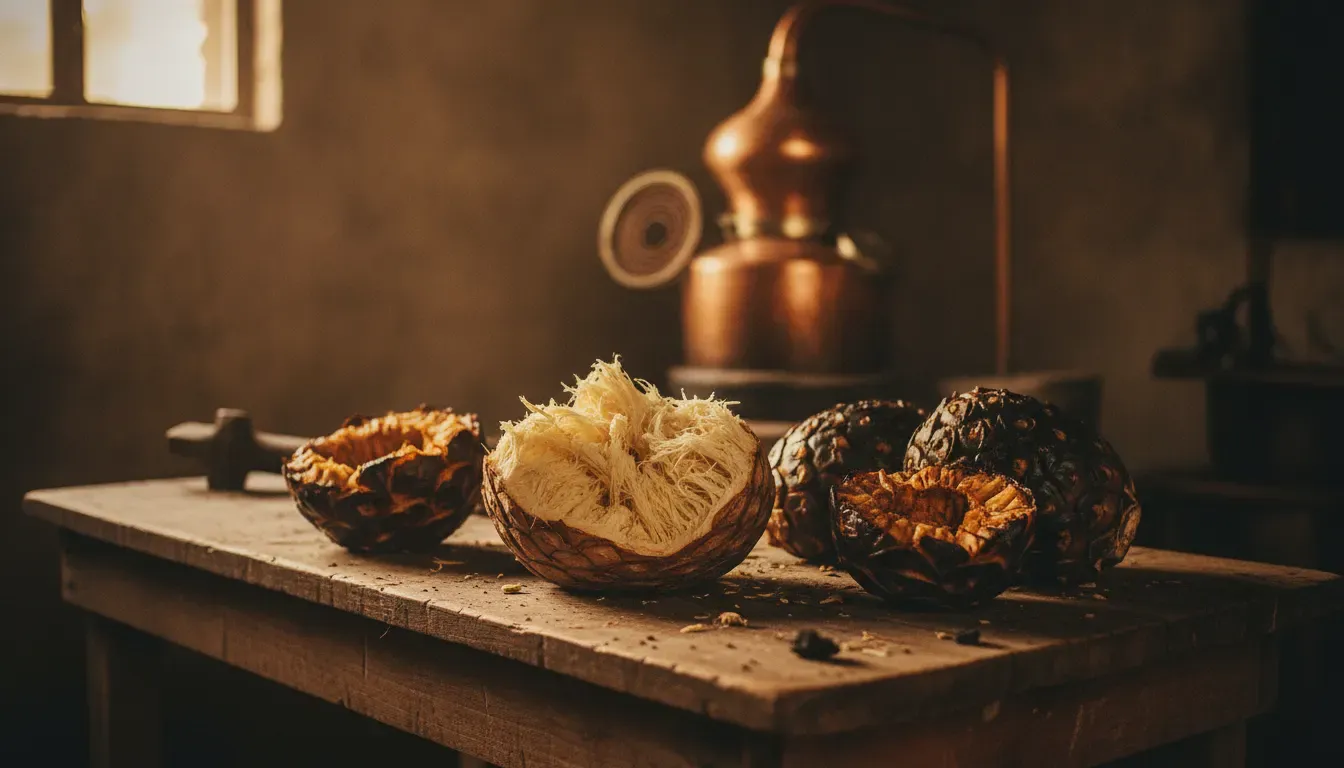
- Prepare the heart for extraction. In the broad mezcal process, agave hearts are roasted before their essence is distilled. For ancestral mezcal specifically, the agaves must be cooked in underground earthen pits. Wood charcoal is associated with mezcal's often smoky character, which helps explain why pit cooking can contribute roasted, smoky notes. It does not mean every mezcal tastes equally smoky. Production choices, raw material, and regional practice can vary.
- Mill the cooked material. Ancestral mezcal may use wooden mallets, a tahona, or mills to break down the cooked agave. This step prepares the plant material for fermentation. The method is part of the production story, but it is not a reliable reason to assign one universal flavor to every bottle.
- Ferment the sugars. In ancestral mezcal, fermentation may take place in rock pits, wood, clay, animal hide, or tree trunks. These are mezcal-specific examples from the documented standard. The available research does not establish a single equivalent fermentation method for all sotol, so a careful comparison should stop short of inventing one.
- Distill the fermented liquid. Ancestral mezcal is distilled in clay pots that include agave fibers. That detail belongs to this mezcal category, not to sotol by default. For sotol, look for producer-level information if you want to understand the exact equipment and choices behind a particular bottle.
Key takeaways:
- Mezcal production can involve pit cooking, and wood charcoal can contribute smoke, but not all mezcal is equally smoky.
- The sequence is comparable at a high level, while the plant and documented methods are not interchangeable.
- For a deeper look at the agave side of the comparison, read our guide to mezcal basics and production.
How do sotol and mezcal taste different?
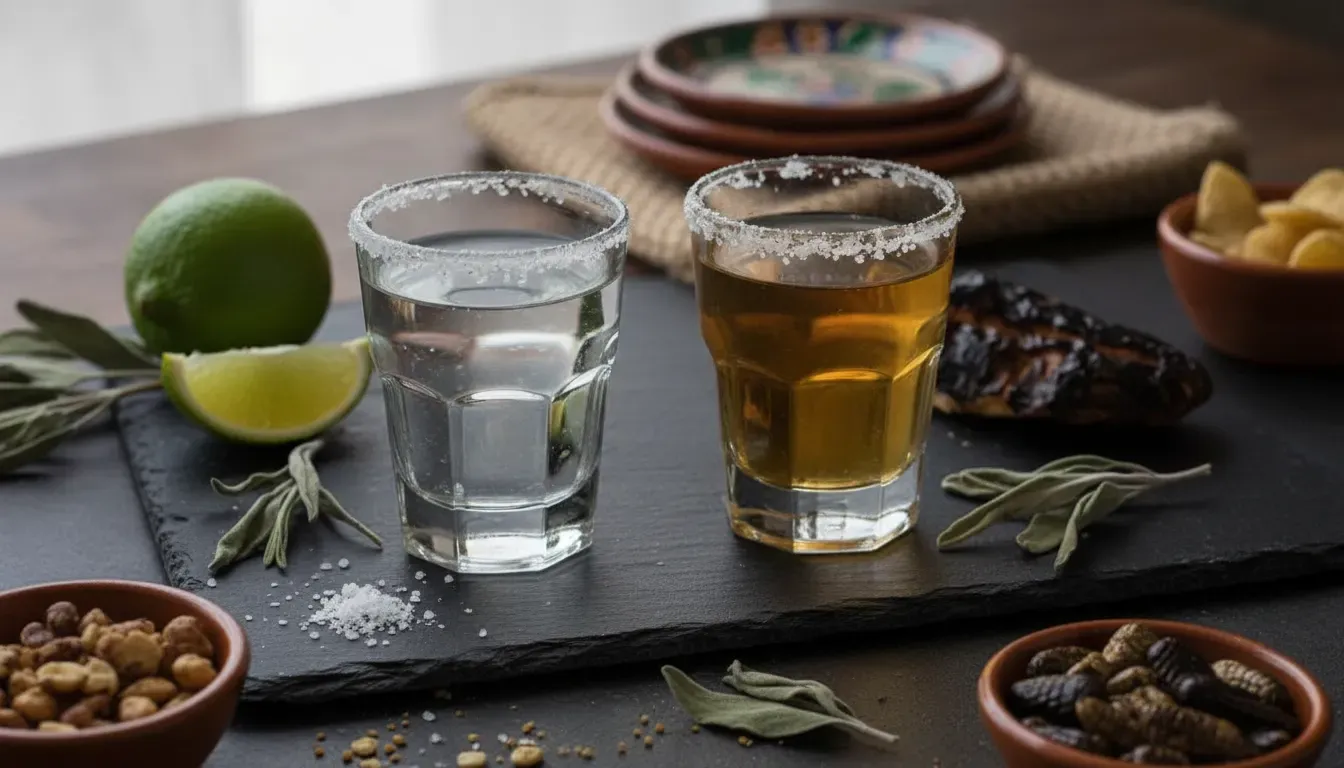
The short answer is that sotol often leans earthy and herbaceous, while mezcal can span a much broader range, including fruit, minerals, roasted agave, and smoke. Those are useful starting points, not fixed rules. Sotol and mezcal represent distinct traditions and botanicals, and the final profile can change with the producer, plant or agave, region, and production process.
| Element | Sotol | Mezcal |
|---|---|---|
| Aroma | Earthy, herbal, and often suggestive of dry landscape or green plant notes. | Highly variable, with possible herbal, earthy, fruity, roasted, mineral, or smoky aromas. |
| Palate | Often reads as savory, grassy, earthy, or herbaceous, but each producer's expression can differ. | May move from bright and fruit-driven to vegetal, mineral, roasted, or smoke-tinged depending on the agave and process. |
| Texture | Can feel dry and clean, with a distinctive plant-like character rather than a single universal weight. | Can range from light and crisp to round and coating. Texture is shaped by the spirit's raw material and production choices. |
| Finish | Earthy or herbal notes may remain after the sip, with the length varying by bottle. | May finish with fruit, spice, mineral, roasted agave, or smoke. Some finishes are long and savory; others are clean and lifted. |
| Smoke | Smoke is not a defining requirement. Its character is better approached through the bottle's actual aroma and palate. | Smoke can be prominent in some mezcals, especially when cooking choices contribute smoky character, but not every mezcal tastes the same or is smoke-forward. |
For a useful comparison, taste both spirits neat from small glasses and pay attention to how the aroma changes after the first sip. Start with the nose, then note whether the palate feels dry, round, grassy, roasted, or mineral. Take a second sip for the finish rather than deciding from the first burst of alcohol.
- Expect variation: producer, plant or agave, region, and process all matter.
- Do not use smoke as a quality test: a smoky mezcal and a less smoky mezcal can both be compelling.
- Look for the broader pattern: sotol often highlights earthy, herbaceous tones, while mezcal offers a wider sensory range.
That makes a step-by-step tasting guide useful when you want to compare bottles without letting a category stereotype decide what you taste.
What should you look for on a sotol or mezcal label?
A label can tell you where a spirit fits legally and what the producer chose to disclose. It cannot tell you exactly how the bottle will taste. Read it as a map, then let the liquid confirm the destination.
Start with the denomination and origin
For sotol, look for the denomination of origin and the stated Mexican origin. The sotol denomination dates to 2002 and covers Chihuahua, Durango, and Coahuila, the northern states associated with the desert spoon plant. A product labeled sotol can legally be produced only in Mexico, according to the cited Mexican government guidance. Those details establish category and provenance, not a guaranteed flavor profile.
Mezcal has its own denomination framework. Its label must state 100% Maguey or 100% Agave, along with Made in Mexico. The plant language matters: mezcal is made from agave, while sotol is made from Dasylirion. Do not treat the two categories as interchangeable simply because both come from Mexico or may appear in the same spirits aisle.
Use the technical details as clues
On a sotol bottle, NOM-159 is the Mexican standard that sets parameters and rules for commercial sotol. The alcohol by volume, or ABV, is another useful data point. Sotol may legally fall between 35% and 55% ABV. That range helps you anticipate intensity, but it does not rank one bottle above another or predict whether it will taste grassy, earthy, mineral, smoky, or round.
Labels also cannot reliably predict smoke. A mezcal may have a smoky character, but the label alone will not tell you how prominent it feels in the glass. Plant, place, and legal category are valuable starting points; aroma, texture, finish, and balance still require tasting. For a broader guide to how to read spirit labels, use the same habit of separating verifiable production information from sensory expectation.
- Check the category, denomination, and country of origin first.
- Look for NOM-159 and ABV on sotol, plus plant wording on mezcal.
- Use the label to form a question, not to assume the flavor.
Which bottle should you try first, sotol or mezcal?
Choose based on the kind of flavor you want to explore, not on a rule about which spirit is more approachable. Sotol and mezcal represent distinct traditions and botanicals. So the better first bottle depends on whether you are drawn to a focused desert-herbal profile or the broader range possible from agave.
Sotol may suit you if earthy, herbal, and mineral-leaning flavors sound appealing. Its character can feel dry, savory, and connected to the plant itself. That does not make every sotol taste the same, but it gives curious drinkers a useful starting point. If you want to understand the category before choosing a bottle, begin with what sotol is.
Mezcal may be the better first choice if you want to compare different agave expressions, regions, and production styles. Some bottles bring smoke to the foreground, while others emphasize fruit, earth, spice, or roasted agave. Smoke can be part of the experience, but it is not a universal description of every mezcal. The category's variety is part of its appeal.
Start with a neat tasting
Pour a small amount into a copita or tasting glass and taste it neat first. Mezcal is traditionally enjoyed without water or ice, and that is a useful baseline for noticing aroma, texture, flavor, and finish. Sotol deserves the same unhurried attention. Give the glass a moment, take a small sip, and notice what stays with you. If the alcohol feels intense, add a few drops of water and taste again. Dilution is an option, not a test you can pass or fail.
A simple step-by-step tasting guide can help you compare two pours without turning the experience into a contest. Taste them side by side, write down two or three descriptors, and return to each glass after a few minutes.
When to mix or pair it
Use cocktails when you want brightness, dilution, or a longer drink rather than a concentrated neat pour. Sotol can be a distinctive base for mixed drinks, and these sotol cocktail recipes offer practical ways to explore that direction. Food works the same way: choose pairings that complement the bottle's herbal, mineral, smoky, fruity, or earthy notes, then adjust to your own palate.
- Choose sotol for a first look at herbal, earthy, and mineral-leaning character.
- Choose mezcal for a wider agave-driven range, including bottles with or without prominent smoke.
- Taste neat first, then try water, cocktails, or food as preference-based options.
Browse tequila and mezcal bottles
Frequently Asked Questions
Is sotol made from agave?
No. Traditional sotol is made from Dasylirion, a desert plant that is botanically distinct from agave. Mezcal is made from agave, and producers may use many different agave varieties.
Is all mezcal smoky?
No. Smoke level varies by producer, ingredients, and production choices. Mezcal can be smoky, but it may also show herbal, fruity, earthy, mineral, or savory notes. Taste the bottle rather than assuming every mezcal will have the same intensity.
Where is sotol legally produced?
Mexico's sotol denomination of origin covers Chihuahua, Durango, and Coahuila. A bottle labeled sotol should also provide clear origin and production information, so you can distinguish regulated provenance from a loosely styled spirit. Learn more about sotol's denomination of origin.
What should I look for on a sotol or mezcal label?
Start with the spirit name, place of origin, botanical source, producer, and alcohol by volume. Mezcal labels must state 100% Maguey or 100% Agave and Made in Mexico, while sotol is governed by Mexico's NOM-159 standard. Read more about mezcal labeling.
How should I taste sotol and mezcal for the first time?
Pour a small amount into a copita or tasting glass and try it neat first. Notice the aroma, texture, finish, and balance before adding a few drops of water. If you prefer a longer drink, use the bottle's herbal, earthy, fruity, or smoky profile to guide a cocktail or food pairing.
Ready to Explore Sotol for Your Next Tasting?
Comparing sotol with mezcal is a simple way to notice how botanical source, place, and production shape what reaches your glass. If the herbal, earthy character of sotol appeals to you, explore the collection and choose a bottle that gives your tasting a clear point of comparison.
Explore sotol and choose your bottle